
Are you struggling to get your hydrangeas to bloom their best? Do you know that the secret to stunning blooms might be hidden in the soil? Mastering the delicate balance of soil pH levels can make all the difference for these beautiful flowers. But what is soil pH, and why does it matter so much for hydrangeas?
In this article, we’ll take a closer look at how to test your soil’s pH level, understand what affects its acidity or alkalinity, and provide you with actionable tips on adjusting it to perfection. By the end of this guide, you’ll know exactly how to optimize your soil pH for optimal growth and blooms. We’ll cover everything from common mistakes to make when testing pH levels to simple yet effective ways to adjust acidity and alkalinity in your garden. Let’s dive in!
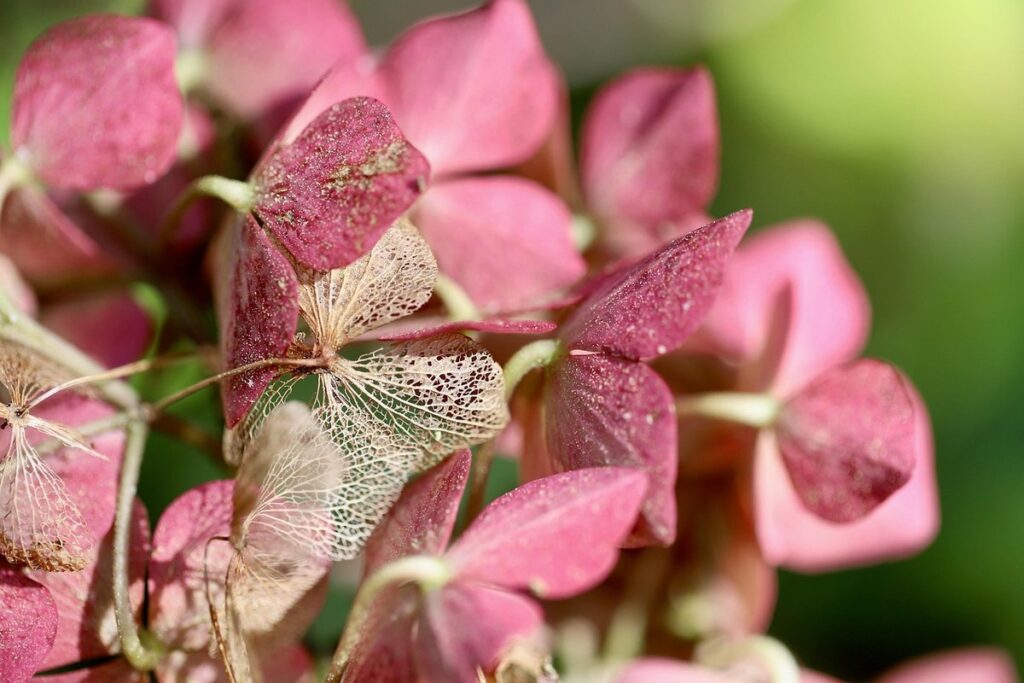
Understanding Soil pH and Its Impact on Hydrangeas
Soil pH is a crucial factor in determining how well your hydrangea blooms will thrive, and understanding its impact can make all the difference in your gardening success. Let’s dive into the world of soil pH and explore its effects on these beautiful flowers.
What is Soil pH?
Soil pH is a crucial aspect of plant growth that can significantly impact the health and productivity of your hydrangeas. But what exactly is soil pH? Simply put, it’s a measure of the acidity or alkalinity of your soil, expressed on a scale of 0 to 14. A pH level of 7 is considered neutral, while numbers below 7 indicate acidity and those above 7 indicate alkalinity.
Think of it like water: distilled water has a pH of 7, while lemon juice is acidic with a pH around 2. Soil pH can have a profound impact on plant growth. For example, most plants prefer a slightly acidic to neutral soil pH (around 6.0-7.0) for optimal nutrient uptake and water absorption. If your soil pH is too high or too low, it can lead to deficiencies in essential nutrients like nitrogen, phosphorus, and potassium.
A good understanding of your soil’s pH level will help you tailor your fertilization and care routine to meet the specific needs of your hydrangeas.
Importance of Soil pH for Hydrangeas
Soil pH plays a vital role in hydrangea growth, and it’s essential to understand its impact on nutrient availability and root health. When the soil pH is not within the optimal range for hydrangeas, it can limit their ability to absorb necessary nutrients from the soil.
For example, if the soil pH is too high (above 7), iron and aluminum become less available to the plant, leading to yellowing leaves or weak blooms. Conversely, if the soil pH is too low (below 6), manganese and phosphorus may become toxic to the hydrangea roots, causing root damage and reduced growth.
To ensure optimal nutrient availability, aim for a slightly acidic to neutral soil pH between 6.0-7.0. This range allows for the best balance of essential nutrients and maintains healthy root development. Regularly test your soil pH and adjust it accordingly with lime or sulfur as needed. By maintaining an ideal soil pH, you’ll be providing your hydrangeas with the best conditions to thrive and produce stunning blooms year after year.
Regular soil testing will also help prevent nutrient deficiencies that can cause poor growth or discoloration in your hydrangea leaves.
Determining Your Soil’s pH Level
To determine if your hydrangea is getting the right amount of acidity from its soil, you’ll need to test and understand your soil’s pH level. This will guide your fertilizing decisions.
Methods for Testing Soil pH
When it comes to determining your soil’s pH level, you’ll want to choose a method that’s both accurate and convenient. Fortunately, there are several ways to test your soil’s pH, ranging from DIY kits to laboratory testing. One popular option is to use a soil testing kit available at most gardening stores or online. These kits typically include a small vial of chemical solution and instructions on how to collect a sample and mix it with the solution.
Another approach is to send a sample to a laboratory for analysis, which can provide more detailed results, including nutrient levels and pH. However, this method can be time-consuming and may require some initial investment. If you’re in a hurry or want to save money, you can also try the at-home testing method using vinegar or baking soda. To do this, mix 1 tablespoon of baking soda with 1 gallon of water and apply it to your hydrangea’s roots. Observe how they react – if the leaves begin to wilt or turn yellow, your soil is likely too alkaline. Conversely, add a tablespoon of white vinegar to 1 gallon of water for a more acidic test solution.
Laboratory testing is generally considered the most accurate method, but it can be costly. DIY kits are convenient and affordable, while at-home testing methods provide a quick and easy way to get an estimate of your soil’s pH level. Ultimately, the best method will depend on your specific needs and preferences.
Interpreting Soil Test Results
When you receive the results of your soil test, it’s essential to understand what they mean for your hydrangeas. The pH level is usually reported as a number between 0 and 14, with 7 being neutral. If your soil pH is below 7, it’s acidic; above 7, it’s alkaline. Most hydrangea varieties prefer slightly acidic to neutral soil pH, ranging from 6.0 to 7.5.
The test results will also indicate nutrient deficiencies or excesses. For example, if your soil lacks potassium (K), phosphorus (P), or magnesium (Mg), you’ll need to add these nutrients through fertilizers. On the other hand, high levels of manganese (Mn) can be toxic to hydrangeas, so it’s crucial to adjust your fertilizer application accordingly.
Look for other key findings in the test results, such as the presence of heavy metals or contaminants. This information will help you determine if any additional steps are needed to ensure a safe and healthy growing environment for your hydrangeas.
Understanding the Optimal Soil pH for Hydrangeas
To grow vibrant hydrangea blooms, it’s crucial to understand that soil pH can significantly impact your plant’s overall health and flower color. In this section, we’ll break down what optimal soil pH looks like for hydrangeas.
What is the Ideal Soil pH Range for Hydrangeas?
When it comes to growing beautiful hydrangeas, the ideal soil pH range is crucial for optimal growth and blooming. Hydrangeas prefer a slightly acidic to acidic soil pH, ranging from 6.0 to 7.0. This narrow pH window allows them to absorb essential nutrients efficiently, promoting vibrant blooms and healthy foliage.
In acidic soils (pH 6.0-6.5), hydrangeas can produce more blue or purple flowers, depending on the specific variety and available aluminum in the soil. Conversely, slightly alkaline soils (pH 7.0) may result in pink or white blooms. It’s essential to note that hydrangea varieties like ‘Limelight’ and ‘Vanilla Strawberry’ tend to bloom more profusely in neutral soils, whereas ‘Endless Summer’ performs better in slightly acidic conditions.
To achieve the ideal pH range for your hydrangeas, you can test your soil pH using a DIY kit or consult with a local nursery expert. Based on the results, adjust the pH by adding elemental sulfur (to lower the pH) or limestone (to raise it). Keep in mind that sudden changes can shock the roots; instead, make gradual adjustments over time for optimal results.
How pH Affects Blue and Pink Blooms in Hydrangeas
When it comes to growing hydrangeas with vibrant blue and pink blooms, soil pH plays a crucial role. The availability of aluminum in the soil is particularly important for determining the color of these beautiful flowers. In acidic soils (pH 6.0 or lower), aluminum becomes more readily available, promoting the production of blue blooms. This is because aluminum ions replace potassium ions on the flower’s surface, resulting in a blue pigment called delphinidin.
On the other hand, when soil pH is higher than 7.0, aluminum availability decreases, and pink blooms become more likely to occur. This shift in color is due to the increased presence of anthocyanins, which produce a reddish-pink hue. The impact of soil pH on bloom color can be seen in different regions around the world, where hydrangeas grown in acidic soils tend to display blue flowers, while those in more alkaline soils produce pink blooms.
To manipulate the color of your hydrangea blooms, you can adjust the soil pH by adding lime to raise it or elemental sulfur to lower it. However, be cautious not to overdo it, as extreme pH fluctuations can harm the plant’s overall health.
Adjusting Soil pH to Suit Your Hydrangea’s Needs
To grow stunning blooms, it’s essential to adjust your hydrangea’s soil pH accordingly. This involves learning how to test and alter your soil’s acidity level for optimal results.
Methods for Raising or Lowering Soil pH
Adjusting soil pH levels can be achieved through the use of lime and sulfur. When working with acidic soils, lime is the preferred method for raising pH levels. You can either purchase hydrated lime or dolomitic lime, depending on your specific needs. For example, if you live in an area where the soil tends to retain high levels of acidity, dolomitic lime may be a better choice due to its dual benefits of neutralizing acidity and providing essential magnesium for plant growth.
On the other hand, sulfur is used for lowering alkaline soil pH. This can be achieved through the use of elemental sulfur or aluminum sulfate. It’s essential to carefully follow application instructions as excessive use can lead to over-acidification. You should also consider testing your soil regularly to monitor progress and make necessary adjustments. A general rule of thumb is to apply 1-2 pounds of lime per 100 square feet of affected area, while sulfur applications typically range from 10-20% elemental sulfur by weight.
Considerations and Precautions When Changing Soil pH
Changing soil pH can have significant consequences if not done carefully. One of the most common mistakes is over-correcting, which can lead to an even greater imbalance in the soil’s chemistry. This can be particularly problematic for hydrangeas, as they require a delicate balance between acidic and alkaline conditions.
To avoid this pitfall, it’s essential to regularly monitor your soil pH levels and make adjustments gradually. A 1-point change can have a significant impact on the nutrient availability and uptake by your plants. For example, if you’re trying to acidify your soil to promote blue blooms in bigleaf hydrangeas (Hydrangea macrophylla), adding too much elemental sulfur or aluminum sulfate at once can cause an overcorrection.
Another crucial consideration is neglecting other essential nutrients when focusing on pH adjustments. Hydrangeas require a balanced diet of macronutrients like nitrogen, phosphorus, and potassium, as well as micronutrients such as iron and magnesium. Make sure to fertilize your plants with a balanced fertilizer that addresses these needs in addition to adjusting the soil pH. Regular soil testing will help you identify any nutrient deficiencies or pH imbalances, ensuring your hydrangeas receive optimal growing conditions.
Tips for Maintaining Optimal Soil pH for Hydrangeas
To grow vibrant, healthy hydrangea blooms, it’s essential to maintain a balanced soil pH that suits their specific needs. Here are our top tips to achieve optimal growing conditions for your hydrangeas.
Ongoing Monitoring and Testing
Regular soil testing is essential for maintaining optimal soil pH conditions that promote healthy hydrangea blooms. As plants grow and develop, their nutrient requirements can change, affecting the soil’s pH levels. Failure to monitor and adjust the soil pH can lead to nutrient deficiencies, reduced growth, and eventually, plant death.
To ensure your hydrangeas receive the right nutrients at the right time, test your soil regularly – ideally every 6-12 months. You can use a DIY soil testing kit or send a sample to a lab for analysis. Look for tests that measure pH levels as well as nutrient availability, such as nitrogen, phosphorus, and potassium.
When interpreting your results, consider factors like climate, soil type, and plant variety. For example, if you live in an area with high rainfall, your soil may be more prone to acidification. Similarly, sandy soils tend to drain quickly, whereas clay soils retain moisture and can become waterlogged.
Based on your test results, adjust the soil pH accordingly by adding lime to raise or sulfur to lower it. Remember that these changes take time, so plan ahead and make adjustments during the dormant season when plants are less active. By staying on top of soil testing and adjusting as needed, you’ll provide your hydrangeas with optimal growing conditions for lush blooms year after year.
Nutrient Management and Fertilization
When it comes to maintaining optimal soil pH for hydrangeas, providing necessary nutrients is crucial. However, over-fertilization can disrupt this delicate balance and even lead to an undesirable change in flower color. To avoid this, it’s essential to adopt a balanced approach to nutrient management.
To start, consider using compost or well-rotted manure as a natural fertilizer source. These rich soil amendments are teeming with beneficial microbes that enhance nutrient availability while supporting the overall health of your hydrangeas. Apply 2-3 inches of compost around the base of each plant in spring and again after blooming has finished.
A general rule of thumb is to avoid applying synthetic fertilizers during active growth periods, as these can cause an overabundance of nutrients in the soil. If you must use synthetic fertilizer, opt for a balanced formula (10-10-10 NPK) and follow package instructions carefully to prevent over-application. Regular soil testing will also help you determine if additional nutrient inputs are required.
Lastly, remember that hydrangeas can thrive in slightly acidic to neutral soils with an optimal pH range of 6.0-7.0. Avoid using fertilizers or mulches containing lime, as these can significantly raise soil pH and cause blue flowers to turn pink.
Troubleshooting Common Soil pH-Related Issues in Hydrangeas
So, you’re seeing yellow blooms instead of blue? Or perhaps your hydrangea’s leaves are looking scorched? Don’t worry, these common soil pH-related issues have solutions.
Identifying and Addressing pH-Related Problems
When it comes to growing healthy hydrangeas, soil pH can be a major concern. A poor soil pH can manifest itself in various ways, making it essential to identify and address these issues promptly. One common sign of an inappropriate soil pH is stunted growth. If your hydrangea is not producing new leaves or stems at the expected rate, or if the existing foliage appears sparse, it could be a sign that the soil pH is off.
Yellowing leaves are another indication of poor soil pH. In acidic soils (pH 6.0 or lower), you may notice yellowing between the veins on older leaves, while in alkaline soils (pH 7.0 or higher), entire leaves may turn yellow. To rectify these issues, start by getting a soil test to determine your hydrangea’s current soil pH. Based on the results, take steps to adjust the pH by adding lime to raise it or elemental sulfur to lower it. This will help create an optimal environment for your plant to thrive.
Avoiding Common Mistakes in Managing Soil pH for Hydrangeas
Managing soil pH is crucial for hydrangeas, and making mistakes can lead to disappointing results. One common error is not considering the specific acid-loving requirements of certain varieties. For instance, Bigleaf Hydrangeas (Hydrangea macrophylla) thrive in acidic soils with a pH between 6.0 and 7.0. In contrast, Panicle Hydrangeas (Hydrangea paniculata) prefer slightly alkaline to neutral soil pH, ranging from 6.5 to 8.0.
Another mistake is failing to adjust for regional differences in soil pH. Soil pH can vary significantly depending on your location, and this must be taken into account when selecting hydrangeas or adjusting soil conditions. For example, if you live in an area with naturally acidic soils, you may need to add lime to raise the pH of the soil, whereas in regions with alkaline soils, sulfur may be necessary to lower it.
It’s also essential not to confuse pH with nutrient levels. While a low pH can indicate an overload of acidic substances, it doesn’t necessarily mean the soil is lacking essential nutrients. A thorough soil test will reveal whether your hydrangea’s soil needs adjustments for pH or nutrient deficiencies.
Frequently Asked Questions
Can I still grow hydrangeas if my soil is too alkaline or acidic?
Hydrangeas can thrive in a wide range of pH levels, but they perform best in slightly acidic to neutral soils (pH 6-7). If your soil is severely alkaline or acidic, you may need to make adjustments to create an optimal growing environment. However, with proper care and nutrient management, hydrangeas can adapt to certain levels of acidity or alkalinity.
How often should I test my soil pH after adjusting it?
It’s essential to monitor your soil pH regularly, especially after making changes. Test your soil every 6-12 months to ensure the pH remains stable and optimal for your hydrangeas. This will also help you identify any potential issues before they affect plant growth.
Can I use regular garden soil as a substitute for potting mix specifically designed for hydrangeas?
While regular garden soil can be used in a pinch, it’s not ideal for growing hydrangeas. Potting mixes specifically designed for these plants are formulated to provide the right balance of nutrients and pH levels, which can lead to better blooms and overall health.
What’s the best way to lower soil pH without using chemical fertilizers?
One effective method is to add elemental sulfur or aluminum sulfate to your soil. These natural amendments will gradually lower the pH over time, allowing you to create a more acidic environment for your hydrangeas. Be sure to follow the recommended application rates and monitor your soil’s pH levels closely.
Can I use a single fertilizer that meets all my hydrangea’s nutrient needs?
While some fertilizers claim to be “all-purpose” or “hydrangea-specific,” it’s best to provide targeted nutrition for your plants. Use a balanced, water-soluble fertilizer during the growing season (spring-fall), and supplement with a bloom booster or flower food during the blooming period (summer). This approach will ensure your hydrangeas receive the necessary nutrients for optimal growth and blooms.