
If you’re looking to add some lush greenery to your shaded garden, you’re in luck. Hostas are an excellent choice, thriving in low-light conditions and adding texture and interest to any space. But with so many varieties to choose from, it can be overwhelming to know where to start. Whether you’re a seasoned gardener or just starting out, selecting the right hosta for your shade garden is crucial. In this article, we’ll cover everything you need to know about choosing, caring for, and maintaining beautiful hostas that will bloom year after year. We’ll dive into growth habits, soil preferences, common problems, and expert tips to ensure your hostas thrive in their new home. By the end of this post, you’ll be well on your way to creating a stunning shade garden with these versatile and low-maintenance plants.
What are Hostas?
Let’s start by learning what hostas are and how they’ve become a popular choice for gardeners looking to add some beauty to their shade-filled spaces. In this section, we’ll explore the basics of these versatile plants.
Characteristics of Hostas
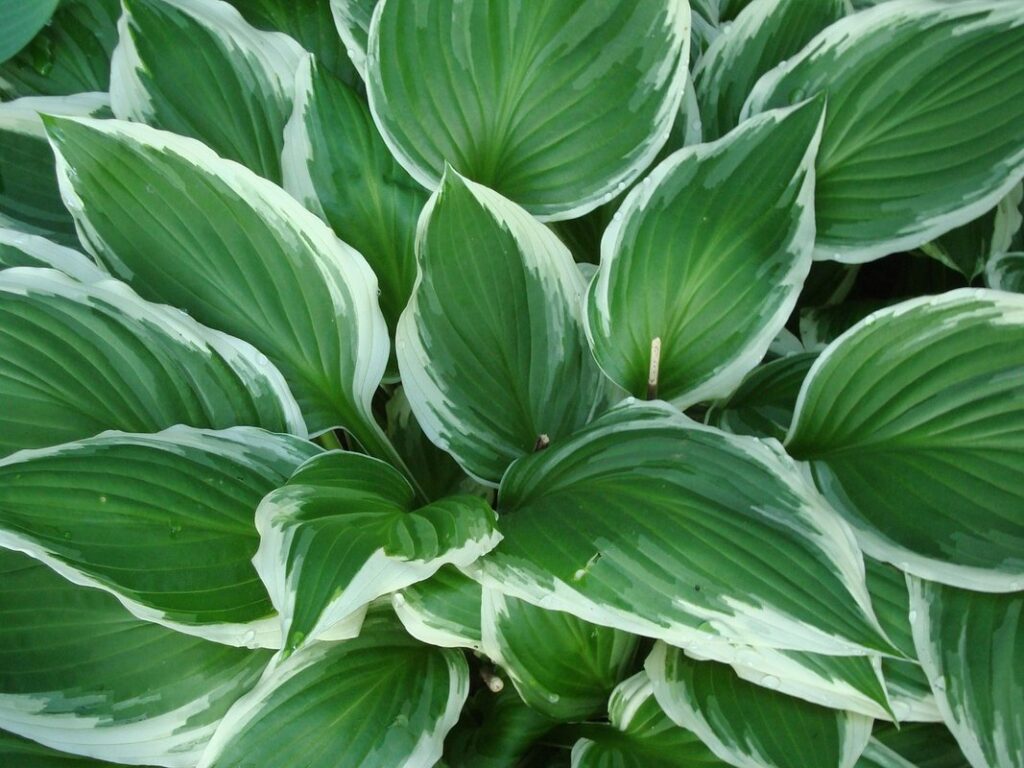
Hostas are stunning shade plants known for their elegant foliage and vibrant flowers. One of the defining characteristics of hostas is their wide range of leaf shapes and sizes. You can expect to see leaves that vary from narrow, pointed tips to broad, flat plates. Some hosta varieties even have beautiful variegation, featuring stripes or marbling patterns in shades of green, gold, or white.
In addition to their attractive foliage, hostas produce stunning flowers in the summer months. These funnel-shaped blooms can range in color from pure whites and creams to rich purples and blues. They’re often fragrant, too, releasing a sweet scent that’s particularly noticeable on warm summer evenings.
As for growth habits, hostas are versatile plants that thrive in a variety of settings. Some varieties grow quite compactly, topping out at just 12 inches tall, while others can reach heights of over 4 feet. When grown in the right conditions, hostas tend to form dense clumps over time, making them an excellent choice for mass planting or groundcover.
When selecting a hosta variety, consider your desired level of foliage and flowering display. If you want a more subtle look, opt for a hosta with smaller leaves and fewer blooms. For a showier appearance, choose a variety that produces large flowers or striking variegation.
Types of Hostas
When it comes to selecting hostas for shade, you’ll find an incredible variety of options to suit every garden style and space. From compact varieties perfect for small containers to large specimens that make a statement, there’s a hosta type out there to fit your needs.
Miniature hostas are ideal for small gardens or rock gardens. These tiny plants reach only 4-6 inches in height and spread out just as wide, making them perfect for tight spaces. Some popular miniature varieties include ‘Blue Mouse Ears’ and ‘Mini Fridge’. They’re also great for adding a pop of color to containers.
Compact hostas are another excellent option for smaller gardens or hedges. These plants typically reach 12-18 inches in height and spread out about 2 feet wide, making them easy to incorporate into even the most crowded spaces. Try ‘Gold Standard’ or ‘Blue Ivory’ for stunning foliage and blooms.
For larger shade areas, consider larger hostas varieties like ‘Sieboldiana’ or ‘Undulata’. These plants can grow up to 4 feet tall and spread out just as wide, creating a dramatic impact in your garden. They’re also great for providing a natural screen or border.
Benefits of Growing Hostas in Shade
Growing hostas in shade has numerous benefits that make them an excellent choice for gardens with limited sunlight. One of the main advantages is that they require less water and maintenance compared to plants grown in full sun. This is because hostas have adapted to thrive in low-light conditions, making them more drought-tolerant.
In addition, hostas in shade are less prone to pests and diseases, which can be a significant problem for plants grown in sunny areas. They also tend to grow more slowly, which means they don’t need frequent pruning or division. This slow growth rate allows their foliage to stay healthy and attractive throughout the growing season.
Another benefit of growing hostas in shade is that it helps them retain their vibrant colors and patterns. Many varieties of hostas feature striking leaf markings, which can fade quickly when exposed to direct sunlight. By planting them in a shaded area, you can enjoy these unique features all season long. This is especially true for variegated or colored-leaved hostas, which often require protection from intense sunlight to maintain their color intensity.
Choosing the Right Hosta for Your Shade Garden
When selecting a hosta for your shade garden, it’s essential to consider factors such as mature size and foliage color to ensure the perfect fit. This decision will set the stage for a stunning display of beauty.
Factors to Consider When Selecting a Hosta
When selecting a hosta for your shade garden, it’s essential to consider several key factors. First and foremost, think about the amount of light your garden receives. Some hostas are bred specifically for deep shade, while others prefer partial shade or even morning sun. For example, the ‘Blue Moon’ variety excels in low-light conditions, making it an excellent choice for areas with limited sunlight.
Another crucial factor is soil preference. Hostas thrive in well-draining, rich soils that retain moisture but don’t become waterlogged. Be mindful of your garden’s pH level, as hostas prefer slightly acidic to neutral conditions. A mature hosta can grow quite large, so consider the space available and plan accordingly. For instance, ‘Gold Standard’ is a compact variety reaching only 12-18 inches tall, making it perfect for smaller gardens or containers.
Additionally, consider the mature size of the hosta to ensure it won’t overcrowd other plants in your garden. Some varieties can grow quite large, while others remain relatively small. By considering these factors, you’ll be able to choose a hosta that not only thrives in shade but also fits seamlessly into your garden’s unique landscape.
Popular Varieties for Different Shade Levels
When it comes to choosing hosta varieties for your shade garden, selecting one that suits the specific level of shade is crucial. Here are some popular hosta varieties that thrive in different levels of shade:
For partial shade (4-6 hours of direct sunlight), consider ‘Blue Fountain’, ‘Golden Tiara’, and ‘Sum and Substance’. These hostas have robust foliage and can tolerate some direct sunlight, making them perfect for areas with dappled shade.
In medium to bright shade (2-4 hours of direct sunlight), look for varieties like ‘Francee’ and ‘Krossa Regal’. These hostas produce large, attractive leaves and are ideal for spots that receive consistent indirect light.
For deep shade (less than 2 hours of direct sunlight), opt for compact varieties such as ‘Blue Mouse Ears’ and ‘Gold Standard’. These hostas have smaller leaves and can thrive in areas with limited natural light. When selecting a hosta variety, remember to consider the mature size of the plant to ensure it fits your garden’s space constraints.
Growing Hostas in Your Shade Garden
When choosing plants for a shade garden, hostas are often at the top of the list due to their versatility and ease of care. But how do you grow these beautiful plants?
Planting and Soil Preparation
When planting hostas in your shade garden, it’s essential to do so correctly to ensure they thrive and reach their full potential. Start by choosing a location with well-draining soil that receives partial to full shade. Hostas don’t like wet feet, so avoid areas where water tends to collect.
To prepare the soil for planting, remove any debris or weeds, and loosen the top 8-10 inches of soil using a fork or spade. Mix in 2-3 inches of compost or well-rotted manure to improve drainage and fertility. If your soil is heavy clay or sandy, add organic matter like peat moss or perlite to adjust its pH and structure.
Plant hostas 12-18 inches apart, depending on their mature size and growth habits. This allows for good air circulation and prevents overcrowding, which can lead to disease issues. Gently dig a hole twice as wide as the plant’s root ball and just as deep, then place the hosta in the center of the hole. Fill with soil, firming it gently around the roots. Water thoroughly after planting and during their first growing season.
Watering and Fertilization Needs
When it comes to watering and fertilization needs of hostas in your shade garden, understanding their requirements is crucial for optimal growth. Hostas need consistent moisture, especially during hot summer months when the soil can dry out quickly. Aim to water them deeply once or twice a week, depending on weather conditions. However, be cautious not to overwater, as this can lead to root rot.
For fertilization, hostas benefit from balanced fertilizers with an N-P-K ratio of 10-10-10. You can apply a slow-release fertilizer in the spring when new growth begins, and again after blooming has finished. This will provide essential nutrients for foliage development and flowering. Organic options like compost tea or fish emulsion also work well as they promote healthy soil biota.
To ensure your hostas receive adequate nutrients, mulch around their base to retain moisture and suppress weeds that compete with them for resources. Monitor your plant’s response to fertilization by observing changes in leaf size and color. Adjust your fertilization schedule accordingly to maintain optimal health.
Common Problems and Solutions for Hostas in Shade
While hostas are incredibly adaptable, they can still face challenges when grown in shade. Let’s explore common issues and their practical solutions to keep your plants thriving.
Pest and Disease Management
When growing hostas in shade gardens, it’s not uncommon to encounter common pests and diseases that can threaten their health and appearance. One of the most prevalent problems is slugs and snails, which feed on leaves and flowers at night. To combat these slimy critters, use copper tape around planters or crushed eggshells nearby – they won’t cross the barrier. Hand-picking them in the early morning also helps.
Another issue is powdery mildew, a fungal disease that causes white powder to form on leaves. This can be controlled by providing good air circulation and avoiding overwatering, which creates an ideal environment for the fungus to grow. Regularly inspect your hostas and remove any affected areas promptly. You can also use fungicides specifically labeled for powdery mildew.
Other pests to watch out for include aphids, spider mites, and scale insects, which can be managed with insecticidal soap or neem oil. To prevent these issues from arising in the first place, maintain a clean garden by removing weeds, debris, and infected plants – this will reduce the risk of pests and diseases spreading to your hostas.
Dealing with Leaf Burn and Other Issues
Dealing with leaf burn is one of the most common issues faced by hosta growers in shade. This occurs when the leaves are exposed to too much direct sunlight, causing them to become scorched and turn yellow or brown. To prevent this, make sure to provide sufficient shade for your hostas, either through natural foliage or artificial means like umbrellas or canopies.
Another common problem is yellowing leaves, which can be caused by overwatering, root rot, or nutrient deficiencies. If you notice any yellowing leaves, inspect the roots and repot the plant in fresh potting mix. Avoid watering too frequently, as this can lead to root rot and other issues.
Legginess is another problem that can arise when hostas grow in shade. This occurs when the plant becomes stretched out due to a lack of light, resulting in thin stems and sparse foliage. To combat legginess, prune your hostas regularly to encourage bushy growth and maintain a compact shape.
Designing a Hosta-Filled Shade Garden
When designing a shade garden, hostas can be the perfect choice for adding texture and visual interest to your outdoor space. Let’s explore how to incorporate them into a beautiful and thriving landscape.
Tips for Creating a Thriving Hosta Collection
To create a thriving hosta collection, it’s essential to consider companion planting and use hostas as a backdrop or border. When selecting plants to accompany your hostas, choose ones that have similar growing conditions and sunlight requirements. For example, pair hostas with ferns, astilbe, or bleeding heart, which thrive in shade and moist soil.
Hostas can also be used as a backdrop for taller plants like hellebores or hydrangeas. Plant the hosta about 12-18 inches behind the larger plant to create a beautiful contrast of textures and heights. Alternatively, use hostas as a border around gardens beds or paths, providing a lush and continuous display of foliage.
Consider the mature size of your hosta varieties when planning your collection. Some hostas can grow quite large, so leave enough space between plants for proper air circulation and to prevent overcrowding. With careful selection and placement, you’ll create a stunning hosta collection that adds depth, texture, and beauty to your shade garden.
Examples of Hosta-Heavy Shade Gardens
If you’re looking for inspiration for designing a hosta-heavy shade garden, consider the following examples. One classic combination is pairing hostas with astilbe and ferns to create a lush, verdant atmosphere. This trio of plants not only thrives in shade but also offers varying textures and heights to add visual interest.
For a more dramatic effect, try combining large-leaved hostas like ‘Sum and Substance’ or ‘Krossa Regal’ with flowering perennials such as astilbe or Rodgersia. These towering plants will create a striking backdrop for your smaller shade dwellers. Consider incorporating ornamental grasses like pampas grass or fountain grass to add movement and texture.
Don’t forget about groundcovers, which can help suppress weeds and prevent erosion in shady areas. Creeping thyme, vinca minor, or sweet woodruff are great options that complement hostas nicely. By combining these plants thoughtfully, you can create a stunning shade garden that’s both low-maintenance and visually appealing.
Maintenance and Care of Mature Hostas
Now that your hosta plants have matured, it’s essential to provide them with proper maintenance and care to keep them healthy and thriving throughout their long lifespan. Regular upkeep will also promote new growth and prevent damage.
Pruning and Dividing Hostas
To keep your mature hostas looking their best, it’s essential to prune and divide them regularly. Pruning involves removing dead, diseased, or damaged leaves and stems, which helps prevent the spread of disease and promotes healthy growth. Start by gently removing any yellow or brown leaves, as these can be unsightly and detract from the plant’s overall appearance.
When pruning, use clean, sharp tools to avoid spreading diseases. Cut back tall stalks to about one-third their height to encourage new growth and prevent the plant from becoming leggy. This will also help maintain its compact shape and promote a fuller appearance.
Dividing mature hostas is typically done every 3-4 years to control their size and encourage new growth. Choose a healthy, vigorous stem with several growing points, and carefully dig up the entire root system using a fork. Gently separate the roots, making sure each section has at least one growing point. Replant the divided sections in well-draining soil, and water thoroughly to settle the soil.
By pruning and dividing your mature hostas regularly, you’ll be rewarded with vibrant, healthy plants that add beauty and structure to any shaded area of your garden.
Mulching and Watering in Winter
During the winter months, hostas require special care to protect them from harsh cold temperatures and frost. Mulching is a crucial step in maintaining their health during this period. Apply a 2-3 inch layer of organic mulch around the base of your hosta plants. This will help insulate the soil and prevent it from freezing. Avoid piling mulch against the stems, as this can encourage rot.
Watering needs are minimal during winter, but make sure to provide enough moisture for the first 6-8 weeks after planting or transplanting. Once established, hostas need less water, but a dry spell can be damaging. Check the soil regularly and water only if it feels extremely dry. Aim for about an inch of moisture per month.
As the winter months progress, keep an eye out for signs of frost damage. If you notice any damage, prune off affected areas in late spring to prevent the spread of disease. By taking these simple steps, you’ll be able to protect your hostas from cold temperatures and ensure they thrive come springtime.
Frequently Asked Questions
Can I grow hostas in containers or do they require direct soil?
Yes, you can definitely grow hostas in containers if you have limited space or want to move them around easily. Choose a container with good drainage and use a well-draining potting mix specifically designed for shade plants. Make sure the container is at least 6-8 inches deep to accommodate the plant’s roots.
How often should I water my hostas, especially during hot summers?
Water your hostas when the top 1-2 inches of soil feel dry to the touch. This can be as often as every 2-3 days in hot summer months or as infrequently as once a week in cooler spring and fall weather. Monitor your plant’s leaves for signs of drought stress, such as wrinkled or yellowing leaves.
Can I divide my hostas at any time of the year or is there a specific season?
While it’s tempting to divide hostas immediately after they finish blooming, the best time to do so is in fall (September-October) or early spring (March-April). This allows the plant to establish new roots before winter and reduces the risk of shock.
How can I protect my hostas from extreme cold temperatures?
Apply a 2-inch layer of organic mulch around your hostas in late fall to insulate the soil and protect against frost heave. If you live in areas with extremely harsh winters, consider providing additional protection by covering plants with burlap or bringing potted plants indoors.
What’s the best way to handle pest issues on my hostas?
If you notice pests like slugs, snails, or aphids on your hostas, treat them promptly to prevent infestations. Use natural controls like neem oil, insecticidal soap, or horticultural oil according to product instructions. Remove any heavily infested leaves and maintain good garden hygiene to discourage future pest problems.