
Are you tired of buying expensive herbs at the grocery store every week? Or maybe you’re looking for a fun and rewarding project to brighten up your indoor space. Either way, creating an indoor herb garden is a great idea! Not only will it save you money on fresh produce, but it’s also a fantastic way to bring some greenery into your home. However, growing herbs indoors can be a bit tricky if you don’t know the basics.
In this article, we’ll show you how to create a thriving indoor herb garden that yields delicious results. We’ll cover everything from choosing the right herbs and containers to providing the perfect lighting conditions. You’ll learn expert tips on watering, fertilizing, pruning, and more to keep your herbs happy and healthy. With these insider secrets, you’ll be on your way to harvesting fresh cilantro, basil, and rosemary in no time!
Choosing the Right Location and Lighting
When choosing where to place your indoor herb garden, you’ll want to consider a spot that receives the right amount of light for your plants to thrive. This is crucial for healthy growth and development.
Understanding Indoor Light Requirements
When it comes to growing an indoor herb garden, understanding the light requirements of different herbs is crucial for their health and productivity. The type and amount of light available indoors can vary greatly depending on the location and time of day.
Natural light from windows is a great source of illumination for your herb garden, but it’s essential to consider the direction and intensity of the sunlight. For instance, south-facing windows receive direct sunlight, which is ideal for herbs like basil and mint that require full sun. On the other hand, north-facing windows provide gentle, indirect light suitable for herbs like parsley and cilantro.
If natural light isn’t sufficient or you want to supplement it, consider using grow lights or LED lighting. Grow lights come in various forms, including fluorescent, LED, and HPS (high-pressure sodium) bulbs. When choosing a grow light, look for one with a color temperature between 5,000-7,000K, which is optimal for herb growth.
To determine the ideal amount of light for your herbs, check the seed packet or consult with a gardening expert. A general rule of thumb is to provide 12-14 hours of light per day for most herbs. However, some herbs like lettuce and chard require less light, while others like basil and mint need more.
Keep in mind that herb plants have different light requirements at various stages of growth. Seedlings typically need more light than mature plants. Be mindful of this when planning your indoor herb garden to ensure you’re providing the right amount of light for each plant’s needs.
Considering Temperature and Humidity Levels
When choosing a location for your indoor herb garden, temperature and humidity levels are crucial factors to consider. Different herbs have varying requirements, so it’s essential to understand their specific needs. For example, basil thrives in warm temperatures between 65-75°F (18-24°C), while mint prefers cooler temperatures around 55-65°F (13-18°C).
Most herbs require a relatively high humidity level, typically above 50%. You can achieve this by placing the herb garden near a humidifier or using a tray with pebbles and water to increase moisture in the air. Some herbs like parsley and cilantro are more tolerant of dry conditions but still benefit from moderate humidity.
To determine the optimal temperature for your indoor herb garden, research the specific needs of each herb variety you’re growing. Consider factors like the time of year and your home’s climate control system. By replicating the ideal temperature and humidity levels for each plant, you’ll create an environment conducive to healthy growth and promote a thriving herb garden indoors.
Selecting the Perfect Herbs for Indoor Growth
When choosing herbs for indoor growth, it’s essential to select varieties that thrive in low-light conditions and require minimal maintenance. Let’s explore some of the best herbs to cultivate indoors.
Popular Herb Varieties for Indoors
When it comes to growing herbs indoors, some varieties are more forgiving and easier to care for than others. If you’re new to indoor gardening or looking for low-maintenance options, consider starting with these popular herb varieties that thrive indoors.
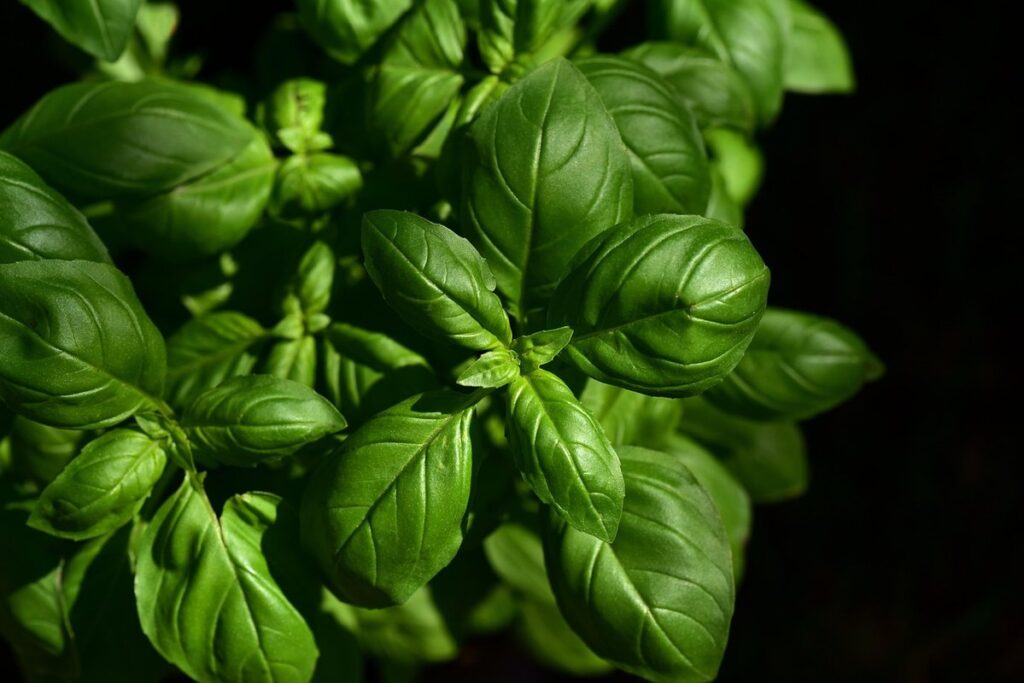
Basil is a classic choice for indoor herb gardens due to its ability to grow quickly and produce an abundance of fragrant leaves. With proper lighting and watering, basil can be harvested in as little as 6-8 weeks. Mint is another hardy herb that can tolerate indoor conditions with minimal care. However, be cautious not to let it spread too much – mint can be quite invasive! Parsley is a slow-growing herb that prefers well-drained soil and partial shade. It’s perfect for adding fresh flavor to salads and soups.
These three herbs are excellent choices for beginners, but other popular options include cilantro, chives, and rosemary. When selecting herb varieties for your indoor garden, remember to choose those that fit your specific climate and lighting conditions.
Considerations for Choosing the Right Herb Type
When choosing herbs for indoor growth, it’s essential to consider their climate tolerance. Some herbs are more adaptable to indoor conditions than others. For instance, basil and mint thrive in warm temperatures between 65-75°F (18-24°C), making them ideal for indoor growth. On the other hand, herbs like parsley and cilantro prefer cooler temperatures, typically between 60-70°F (15-21°C). If you’re living in a region with extreme temperatures, consider choosing herbs that can tolerate temperature fluctuations.
Another crucial factor is space requirements. Compact or dwarf varieties are perfect for small indoor spaces. These include Thai basil, compact mint, and lemon balm. They require less pruning and can thrive in containers as small as 6-8 inches deep. Consider the mature size of each herb variety to ensure they have enough room to grow.
Maintenance needs are also vital when selecting herbs for indoor growth. Some herbs, like rosemary and thyme, need regular pruning to maintain their shape and promote healthy growth. Others, like oregano and sage, require less maintenance but still benefit from occasional watering and fertilization. Assess your lifestyle and maintenance schedule to choose herbs that fit within it.
Preparing Your Indoor Herb Garden
Before you start planting, take a few minutes to prepare your space and materials, ensuring you have everything you need for a thriving indoor herb garden. This includes gathering pots, soil, and essential supplies.
Containers and Soil Options
When it comes to creating an indoor herb garden, choosing the right containers and soil is crucial for success. Let’s start with container options.
You can choose from a variety of materials, including terracotta pots, self-watering planters, and hydroponic systems. Terracotta pots are a popular choice because they allow for good drainage and airflow, which helps prevent root rot and promotes healthy growth. However, they can dry out quickly, so it’s essential to monitor the moisture levels.
Self-watering planters are another excellent option, especially for busy gardeners. These planters have built-in water reservoirs that help keep the soil consistently moist, reducing the need for frequent watering.
If you want to take your indoor herb garden to the next level, consider using a hydroponic system. Hydroponics allows plants to grow in nutrient-rich water rather than soil, which can lead to faster growth rates and higher yields. However, they require more maintenance and initial investment.
Regardless of the container type, use high-quality potting soil that is specifically designed for indoor gardens. This will ensure good drainage, aeration, and root development, ultimately leading to healthier and more productive plants.
Watering and Fertilization Techniques
Watering your indoor herbs is an art that requires attention and patience. Overwatering can be as detrimental to your plants as underwatering, so it’s essential to strike a balance. To avoid overwatering, check the soil moisture by inserting your finger into the soil up to the first knuckle. If the soil feels dry, it’s time for watering. Water thoroughly, allowing excess water to drain from the pot.
Fertilizing is another crucial aspect of indoor herb gardening. Indoor herbs require a balanced fertilizer that provides nitrogen, phosphorus, and potassium. Use a water-soluble fertilizer (20-20-20) once a week during the growing season. Dilute the fertilizer according to the manufacturer’s instructions, as overfertilization can harm your plants.
To avoid underfertilizing, consider using compost tea or worm castings, which provide essential nutrients without burning your plants’ roots. Also, repot your herbs regularly to refresh the soil and ensure optimal nutrient uptake. Remember that herbs have different fertilization needs, so research specific requirements for each plant variety to achieve optimal growth and flavor.
Tips for Maintaining a Healthy Indoor Herb Garden
To keep your indoor herb garden thriving, it’s essential to focus on proper watering techniques and pruning methods to prevent overcrowding and promote healthy growth.
Common Pests and Diseases
As you tend to your indoor herb garden, it’s essential to be aware of common pests and diseases that can quickly take hold. One of the most common culprits is spider mites, tiny arachnids that feed on plant sap, causing yellowing leaves and fine webbing. Check your plants regularly for these signs and treat promptly with a gentle insecticidal soap.
Another common pest is mealybugs, small white insects that secrete a sticky substance called honeydew, attracting ants and promoting fungal growth. Inspect the undersides of leaves and stems for these unwelcome visitors, and treat with neem oil or insecticidal soap.
Root rot is another potential problem, caused by overwatering or poor drainage. Symptoms include softening or discoloration of leaves, as well as a foul odor. To prevent this, ensure good air circulation around your plants, water only when the soil feels dry to the touch, and repot your herbs in fresh potting mix every 6-8 weeks.
By staying vigilant for these common pests and diseases, you can catch issues early and keep your indoor herb garden thriving.
Pruning and Training Techniques
When pruning and training your indoor herbs, you’re essentially sculpting their growth to optimize their health and productivity. Regular pruning not only keeps them bushy and compact but also encourages new growth, which can lead to an abundance of fresh herbs.
To prune effectively, start by removing any dead or damaged leaves or stems, as these can be breeding grounds for pests and diseases. Next, trim back overgrown tips and branches to maintain your herb’s preferred shape and size. For example, basil and mint tend to become leggy if left unchecked, so pinching off the top growth encourages a fuller plant.
Training techniques like twining or staking can also help maximize space in small indoor gardens. For instance, use a trellis to support vining herbs like parsley or cilantro, allowing them to climb upwards and freeing up more floor space for other plants.
When pruning or training your herbs, make sure to cut just above a node (the joint where a leaf meets the stem), as this promotes new growth from that point. Regular maintenance like this will not only keep your indoor herb garden thriving but also ensure you have a steady supply of fresh flavors year-round.
Expanding Your Indoor Herb Garden
Now that you have a thriving indoor herb garden, it’s time to take your green thumb to the next level by learning how to expand and repurpose your space. We’ll cover some clever ideas for increasing your yields and growing more varieties indoors.
Vertical Gardening Options
When it comes to expanding your indoor herb garden, vertical gardening options can be a game-changer. Not only do they maximize space, but they also add visual appeal and promote healthy air circulation.
Trellises are an excellent choice for indoor herb gardens. You can find them in various materials, such as wood or metal, and choose from different styles to match your home decor. For example, a rustic wooden trellis can complement a farmhouse-style kitchen, while a sleek metal one suits modern apartments.
Living walls, also known as green walls or vertical gardens, are another popular option for indoor herb gardens. They involve attaching planters or pockets to a wall and filling them with a mix of herbs and other plants. This creates a lush, verdant display that not only adds visual interest but also purifies the air.
Arbors can also be used as a space-saving vertical gardening solution. These freestanding structures usually have shelves or ledges where you can place planters containing your favorite herbs.
Advanced Hydroponic Systems
If you’re ready to take your indoor herb garden to the next level, it’s time to explore advanced hydroponic systems. These sophisticated setups can provide optimal growing conditions for your herbs and increase yields significantly.
Let’s start with Nutrient Film Technique (NFT) systems. This method involves suspending plants’ roots in a continuous flow of nutrient-rich solution, which is pumped through a series of narrow channels or tubes. NFT systems are ideal for large-scale herb production and allow for precise control over nutrient delivery, ensuring maximum absorption.
Another advanced hydroponic system is the ebb-and-flow (Flood and Drain) method. In this setup, plants’ roots are submerged in a reservoir for a set period, then drained to prevent waterlogged soil. This cycle repeats several times per day, providing optimal oxygenation and nutrient uptake.
Both NFT and ebb-and-flow systems offer superior growing conditions compared to traditional soil-based methods. They also save space, conserve water, and allow for more precise control over plant nutrition. If you’re serious about creating a thriving indoor herb garden, consider investing in one of these advanced hydroponic systems.
Frequently Asked Questions
What’s the ideal temperature range for an indoor herb garden?
The ideal temperature range for most herbs is between 65°F to 75°F (18°C to 24°C). Some herbs like basil and mint prefer warmer temperatures, while others like rosemary and thyme prefer cooler temperatures. Make sure to research specific temperature requirements for your chosen herbs.
How often should I water my indoor herb garden?
Watering frequency depends on the herb type, pot size, and humidity level. As a general rule, check the soil moisture by sticking your finger into the soil up to the first knuckle. Water when the top inch of soil feels dry to the touch. Avoid overwatering, which can lead to root rot and other problems.
Can I use regular tap water for my indoor herb garden?
Tap water may contain chemicals like chlorine and fluoride that can harm your herbs. Consider using filtered or rainwater instead to provide a healthier environment for your plants. If you do use tap water, let it sit for 24 hours before watering to allow some of the chemicals to dissipate.
How long does it take to see results from my indoor herb garden?
The time it takes to see results depends on several factors, including the herb type, growing conditions, and care. Generally, you can expect to start harvesting herbs within 6-8 weeks after planting. For faster growth, make sure to provide adequate light, water, and nutrients.
Can I grow an indoor herb garden using a self-watering planter?
Yes! Self-watering planters are a great option for busy people or those who tend to forget to water their plants. These planters have built-in water reservoirs that release water as needed, reducing the risk of overwatering and underwatering. Look for planters with adjustable watering systems for optimal results.