
Heirloom tomatoes are more than just a delicious addition to your summer salads and sandwiches – they’re a taste of history, culture, and tradition. These unique and varied plant varieties have been carefully preserved over generations, passed down through families and communities, and each one has its own distinct story to tell.
Whether you’re an experienced gardener or just starting out, growing heirloom tomatoes can be a rewarding and exciting experience. But with so many varieties to choose from, where do you begin? This article will take you on a journey through the best heirloom tomato plant varieties, providing expert tips and advice on how to grow and care for them in your own backyard or container garden. You’ll also find inspiration for delicious recipes and ideas to showcase these tasty treasures at their finest. Get ready to discover the beauty of heirloom tomatoes!
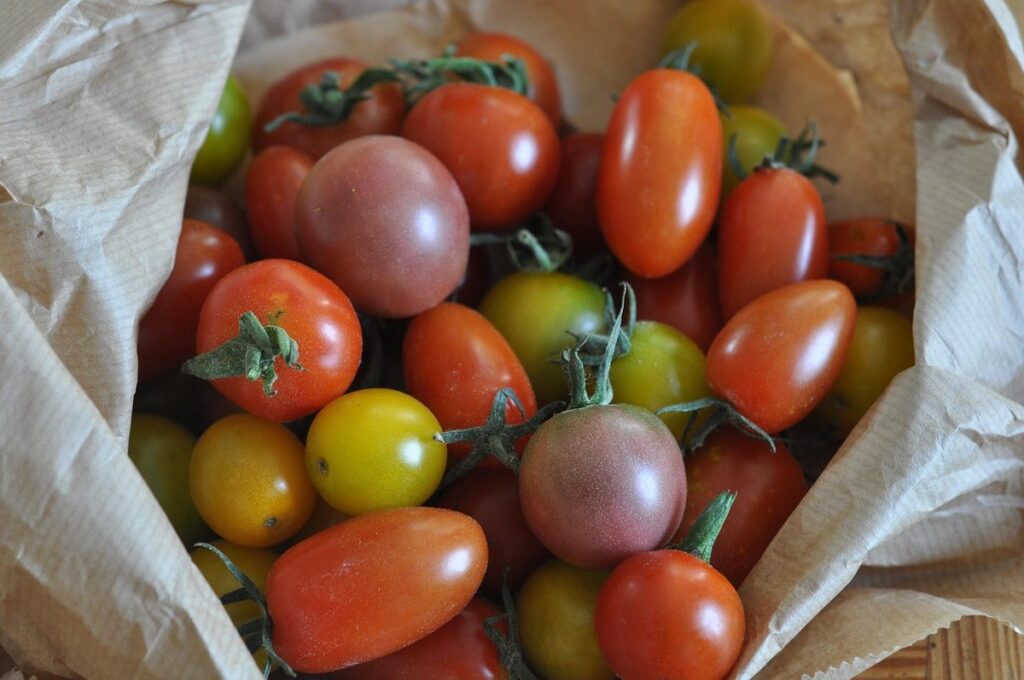
What are Heirloom Tomatoes?
Heirloom tomatoes have a special place in many gardeners’ hearts, and it’s easy to see why: their unique flavors and stunning appearances make them a standout among regular tomato varieties. In this section, we’ll explore what makes heirlooms so special.
History of Heirloom Tomatoes
The history of heirloom tomatoes is a fascinating one that spans thousands of years. Originating from South America, where they were first domesticated by the Incas, these unique varieties made their way to Europe through Spanish and Italian traders. In the United States, gardeners began cultivating them in the 19th century, valuing their rich flavors, textures, and vibrant colors.
As agriculture became more commercialized, many heirloom varieties fell out of favor as hybrid tomatoes gained popularity for their uniform appearance and longer shelf life. However, a resurgence of interest in heirlooms occurred in the 1960s and 1970s, led by passionate gardeners who sought to preserve these unique genetic treasures.
Today, thousands of heirloom tomato varieties are grown worldwide, each with its own distinct characteristics and flavors. By choosing heirlooms, gardeners can experience a world of diversity and complexity that is often lacking in modern commercial produce. Whether you’re a seasoned grower or just starting out, exploring the rich history of heirloom tomatoes can inspire new enthusiasm for growing these delicious and storied varieties.
Characteristics of Heirloom Tomatoes
Heirloom tomatoes are truly one of a kind. What sets them apart from their hybrid and processed counterparts is not just their rich flavor profiles, but also their unique textures and appearances. When you bite into an heirloom tomato, the explosion of flavors on your taste buds can range from sweet and tangy to smoky and savory.
One notable characteristic of heirloom tomatoes is their varied appearance. While commercial tomatoes are bred for uniformity, heirlooms come in a kaleidoscope of colors, shapes, and sizes. Think of the Brandywine, with its deep red skin and pink flesh, or the Cherokee Purple, which boasts an iridescent purple hue.
Their textures can also be vastly different from those found in commercial tomatoes. Heirloom tomatoes tend to have more pulp and seeds than their hybrid counterparts, but this also means they hold onto juice better when sliced. This is because heirlooms haven’t undergone extensive breeding for a more consistent appearance and extended shelf life.
Heirloom flavor profiles are another key aspect of what makes them so special. While there’s no single characteristic that defines an heirloom’s taste, you can expect a depth and complexity not found in mass-produced tomatoes. Whether sweet or acidic, smoky or spicy, the flavors will pop against your palate.
This diversity is exactly why many gardeners and chefs swear by heirlooms – their one-of-a-kind charm is unmatched.
Types of Heirloom Tomato Plant Varieties
Heirloom tomato plant varieties offer a diverse range of flavors and textures, each with its own unique characteristics to add excitement to your garden. Let’s explore some of the most popular types together!
Cherry Tomato Varieties
When it comes to cherry tomato varieties, gardeners are spoiled for choice. Among the many heirloom options available, three popular varieties stand out for their exceptional taste and productivity: ‘Sungold’, ‘Red Robin’, and ‘Yellow Pear’.
‘Sungold’ is a personal favorite among many gardeners due to its sweet and tangy flavor profile. This variety produces an abundance of small, orange fruits that are bursting with juice and have a hint of citrus undertones. Its compact growth habit makes it ideal for container gardens or small spaces.
‘Red Robin’, on the other hand, is known for its unique red cherry tomatoes with a striped pattern. These bite-sized fruits have a rich flavor and a slightly sweeter taste than ‘Sungold’. Red Robin plants are relatively easy to grow and produce high yields, making them perfect for salads, sauces, or snacking.
‘Yellow Pear’, as the name suggests, produces small, pear-shaped tomatoes with a bright yellow skin. These sweet and mild fruits have a hint of apricot undertones, adding a unique twist to any dish. Yellow Pear plants are relatively low-maintenance and produce an abundance of fruit throughout the growing season.
Plum Tomato Varieties
Among heirloom tomato plant varieties, plum tomatoes stand out for their unique characteristics and versatility in cooking. Two popular plum tomato varieties are ‘San Marzano’ and ‘Amish Paste’, both of which have gained a reputation for their rich flavor and low acidity.
‘Versatile in cooking’ is an understatement when it comes to using plum tomatoes. They’re perfect for canning, sauces, salsas, and making sun-dried tomatoes. The high solid content in plum tomatoes makes them ideal for cooking down into a concentrated paste or sauce. One great benefit of growing your own plum tomatoes is that you’ll have fresh, flavorful ingredients at your fingertips.
The ‘San Marzano’ variety originated in Italy and is prized for its sweet-tart flavor and low acidity level. This variety is well-suited for canning due to its firm texture and rich flavor profile. The ‘Amish Paste’ tomato, on the other hand, has a sweeter and more robust flavor than ‘San Marzano’. It’s perfect for making homemade pasta sauce or as a base for pizza sauce.
Growing plum tomatoes requires minimal support and pruning compared to other heirloom varieties. Their determinate growth habit means they’ll grow bushy rather than vining, allowing them to produce high yields without needing extensive trellising or staking. This makes them an excellent choice for gardeners of all skill levels.
Beefsteak Tomato Varieties
Among the many heirloom tomato varieties, beefsteak tomatoes are prized for their exceptional flavor and meaty texture. If you’re looking to grow these behemoths in your garden, you’ll want to know which popular varieties stand out from the rest.
Brandywine is one of the most sought-after beefsteak varieties, known for its rich, tangy flavor and tender flesh. Growing Brandywine requires a long season with temperatures above 65°F (18°C), as well as a trellis or cage to support its heavy fruiting. Another popular choice is Cherokee Purple, which boasts a deep, complex flavor profile and stunning purple color.
When growing beefsteak tomatoes, it’s essential to provide them with full sun (at least 6 hours of direct sunlight) and rich, well-draining soil. A pH between 6.0 and 7.0 is ideal for these varieties, which can grow quite large – up to 2 pounds or more. To ensure a bountiful harvest, plant seeds indoors 6-8 weeks before the last frost date and transplant outside when seedlings have 2 sets of leaves.
Some other notable beefsteak tomato varieties include Black Krim, San Marzano, and Big Rainbow. Be sure to research each variety’s specific growing requirements, as some may be more sensitive to temperature fluctuations or disease susceptibility.
Growing Heirloom Tomatoes: Tips and Tricks
To successfully grow these beautiful heirlooms, you’ll want to know some insider tips on how to coax them into producing their signature flavors and textures. We’ve got you covered!
Soil Preparation and pH Requirements
When it comes to growing heirloom tomatoes, soil preparation is key. The ideal pH level for tomatoes ranges between 6.0 and 7.0, but some varieties may require a slightly acidic or alkaline environment. To determine the optimal pH level for your specific variety, research its requirements or consult with a local nursery.
Soil nutrient levels are also crucial for healthy growth. Tomatoes prefer well-draining, rich soil with a mix of compost and organic matter. A general guideline is to add 2-3 inches of compost or well-rotted manure to the top 6-8 inches of soil. For optimal calcium and magnesium absorption, consider adding crushed eggshells or dolomitic limestone.
Regular soil testing will help you monitor nutrient levels and pH fluctuations over time. This can be done using a DIY kit or by sending a sample to a laboratory for analysis. By ensuring your soil is at the right pH level and rich in nutrients, you’ll create an environment where your heirloom tomato plants can thrive, ultimately producing delicious fruit.
Watering and Climate Considerations
When growing heirloom tomatoes, it’s essential to provide consistent moisture and temperature ranges for healthy plant development. Consistent moisture levels help prevent stress on the plants, which can lead to diseases and pests. Aim to maintain a soil moisture level that’s equivalent to a damp sponge – not waterlogged or dry.
Heirloom tomato varieties prefer daytime temperatures between 65°F to 70°F (18°C to 21°C) and nighttime temperatures around 55°F to 60°F (13°C to 15°C). Some heirloom varieties, such as Brandywine and Cherokee Purple, are more sensitive to temperature fluctuations. In regions with extreme heat or cold, consider providing shade cloth or using row covers to regulate the temperature.
Avoid watering your plants during peak sun hours to prevent scorching. Instead, water in the morning or evening when the sun is less intense. Also, be mindful of overwatering, which can lead to fungal diseases like septoria leaf spot and botrytis. Monitor soil moisture levels regularly by inserting a finger into the soil up to the knuckle – if it’s dry, it’s time to water.
Common Pests and Diseases
As you tend to your heirloom tomato plants, it’s not uncommon to encounter common pests and diseases that can threaten their health. Tomato hornworms, for instance, are a notorious problem for many gardeners. These large green caterpillars can grow up to 4 inches in length and feed on the plant’s leaves and fruit, causing significant damage. To control them, use Bt (Bacillus thuringiensis) or hand-pick them off the plant.
Another issue you might face is fungal diseases like septoria leaf spot, which causes yellowing leaves and black spots on the stems. Prevention is key here: ensure good air circulation around your plants, water at soil level to avoid wetting the leaves, and remove any infected foliage to prevent the spread of disease. Regularly inspect your plants for signs of pests or diseases, and take action promptly to mitigate their impact.
Keep in mind that heirloom tomatoes are more susceptible to disease due to their open-pollination nature. Be proactive in maintaining a healthy growing environment, and you’ll be rewarded with a bountiful harvest of delicious, pesticide-free heirloom tomatoes.
Harvesting and Caring for Heirloom Tomatoes
Now that your heirloom tomatoes are ripe, it’s time to learn how to harvest them at their peak flavor and texture. We’ll cover the best methods for caring for these delicate gems.
When to Harvest
When it comes to harvesting heirloom tomatoes, timing is everything. You’ll want to pluck them from the vine when they’re perfectly ripe, as this will ensure optimal flavor and texture. But how do you know when that magic moment arrives?
Check for color: Heirloom tomatoes come in a range of colors, including red, yellow, orange, purple, and even black. Typically, the fruit will turn its final color a few days before it’s fully ripe. Look for a uniform hue, as this is a good indication that the sugars have developed and the acidity has balanced out.
Also, gently lift the tomato: A ripe heirloom will be slightly soft to the touch but still firm enough to hold its shape. If it yields too easily or feels mushy, it’s likely overripe and may not store well.
Additionally, check the stem end: A ripe heirloom will have a dry, brown stem end, which indicates that the fruit has fully matured and is ready for harvest.
By checking these three factors – color, texture, and stem end – you’ll be able to pinpoint when your heirloom tomatoes are at their peak ripeness.
Storing and Preserving Heirloom Tomatoes
Storing fresh heirloom tomatoes requires careful handling to maintain their flavor and texture. Begin by selecting firm, vine-ripened fruits with no signs of spoilage. Store them at room temperature, away from direct sunlight and heat sources. As the tomatoes ripen, they’ll release ethylene gas, which can accelerate spoilage. To slow this process, store them stem-side down in a ventilated container or paper bag to maintain airflow.
Preserving cooked heirloom tomatoes is just as important for year-round enjoyment. Roasting or grilling tomatoes brings out their natural sweetness and adds depth of flavor. Use these techniques to create sauces, soups, or salsas that can be frozen or canned for later use. To freeze, puree the cooked tomatoes and transfer them to airtight containers or freezer bags, labeling with date and contents. Canning, on the other hand, requires following safe canning procedures to ensure proper acidity and sterility.
To enjoy heirloom tomatoes year-round, consider pickling or dehydrating methods as well. Pickling adds a tangy flavor while preserving their texture, making for great additions to sandwiches or salads. Dehydrating removes excess moisture, resulting in crispy snacks or powder that can be stored indefinitely.
Using Heirloom Tomato Plants in Companion Planting
Companion planting is an ancient technique that has gained popularity among gardeners due to its effectiveness in improving crop yields and promoting healthier ecosystems. When it comes to heirloom tomato plants, incorporating them into companion planting schemes can have a significant impact on the overall health of your garden.
Heirloom tomatoes are known for their unique flavor profiles and textures, but they also possess certain characteristics that make them ideal companions for other vegetables. For instance, basil repels pests that target tomatoes like whiteflies and aphids, while marigolds deter nematodes, microscopic worms that can harm tomato plants.
To incorporate heirloom tomato plants into your companion planting scheme, start by selecting a variety of herbs or flowers that complement the growing conditions and space requirements of your tomatoes. Consider pairing cherry tomatoes with chives or oregano to repel aphids and improve growth rates. You can also use basil as a natural pest repellent for larger heirloom tomato varieties like Brandywine or Cherokee Purple.
By combining companion planting techniques with proper care and maintenance, you can create a thriving ecosystem that supports the health and productivity of your heirloom tomatoes. Experiment with different combinations to find what works best for your garden, and reap the rewards of a more resilient and diverse plant community.
Heirloom Tomato Recipes and Ideas
Now that you’ve chosen your favorite heirloom tomato variety, let’s dive into some delicious recipe ideas to showcase their unique flavors. You’ll find inspiration for salads, sauces, and more!
Appetizers and Salads
When it comes to cooking with heirloom tomatoes, the possibilities are endless. Their unique flavor profiles and textures make them a natural fit for a variety of appetizers and salads. For instance, the sweetness of Brandywine or Cherokee Purple varieties pairs perfectly with fresh mozzarella and basil in a Caprese salad. Alternatively, the tangy acidity of Green Zebra or Yellow Pear heirlooms adds a burst of flavor to a simple green salad.
Consider using sliced Black Krim tomatoes as a topping for bruschetta, where their smoky undertones complement the richness of olive oil and garlic. Or, try combining diced Orange Roma with fresh arugula, parmesan cheese, and a light vinaigrette for a refreshing summer salad. The key to showcasing heirloom tomatoes in these dishes is to highlight their natural flavors rather than overpowering them with strong seasonings or dressings.
To take your appetizer and salad game to the next level, try experimenting with different combinations of heirloom tomatoes and complementary ingredients. With so many varieties to choose from, you’re sure to find a match made in heaven!
Sauces and Soups
When it comes to using heirloom tomatoes in your cooking, one of the best ways to showcase their unique flavors is through homemade sauces and soups. Heirloom tomatoes are perfect for making a simple yet flavorful pasta sauce by simply blending them with some garlic, olive oil, salt, and basil. For example, the popular Brandywine variety pairs beautifully with garlic and herbs, while the Black Krim adds a lovely smoky depth to the dish.
In terms of soups, heirloom tomatoes make an excellent base for creamy soups like gazpacho or vichyssoise. Simply puree them with some chicken or vegetable broth, cream, and spices for a delicious and healthy soup. You can also use them in salsas and chutneys to add a burst of flavor to tacos, grilled meats, or vegetables.
To get the most out of your heirloom tomatoes, be sure to choose varieties that are high in acidity, like the San Marzano or Amish Paste, which will help balance out the flavors in your sauces and soups.
Desserts and Baked Goods
When most people think of heirloom tomatoes, they imagine savory dishes like pasta sauces and salads. However, these unique varieties are also incredibly versatile in sweet treats like desserts and baked goods. The sweetness and complexity of heirloom tomatoes make them a perfect addition to cakes, cookies, and even ice creams.
One popular way to use heirloom tomatoes is in a fresh tomato jam that can be used as a topping for yogurt or ice cream. Simply cook down the tomatoes with some sugar and spices, and you’ll have a sweet and tangy spread that’s perfect for warm weather desserts. Another idea is to make a tomato-infused chocolate cake by pureeing cooked-down tomatoes and adding them to your favorite chocolate cake recipe.
When using heirloom tomatoes in baked goods, be sure to balance their natural sweetness with other ingredients to avoid an overly sweet final product. You can also experiment with different varieties of heirloom tomatoes to find the one that works best for you. For example, some varieties like Brandywine or Cherokee Purple have a sweeter flavor profile than others, making them better suited for desserts.
Some popular heirloom tomato varieties for baking include:
* Brandywine: Known for its rich, complex flavor and low acidity, this variety is perfect for baked goods.
* Cherokee Purple: With its deep purple color and sweet-tart flavor, this variety adds a unique twist to traditional desserts.
* Black Krim: This variety has a rich, earthy flavor that pairs well with bold spices and ingredients.
Experimenting with heirloom tomatoes in your baking can add a new level of depth and complexity to your creations. With a little creativity and experimentation, you can discover the perfect way to showcase these unique varieties in your sweet treats.
Conclusion: Embracing the Diversity of Heirloom Tomatoes
In conclusion, embracing the diversity of heirloom tomatoes is key to unlocking their full potential. By trying out different varieties, you’ll discover a world of flavors and textures that will elevate your cooking and gardening experience. Don’t be afraid to experiment with unusual shapes, sizes, and colors – you might just stumble upon a new favorite! For instance, the Cherokee Purple heirloom variety boasts rich, smoky flavor and stunning deep purple hue, while the Brandywine tomato is renowned for its complex, old-fashioned taste. By embracing this diversity, you’ll not only gain a deeper appreciation for these unique plants but also have fun exploring new recipes and presentation ideas.
Frequently Asked Questions
Can I grow heirloom tomatoes indoors or do they require full sun?
Yes, while many heirloom tomato varieties thrive in full sun, some compact or dwarf varieties can be grown indoors in containers with bright, indirect light. Research the specific variety you’re growing to determine its lighting requirements.
How long does it take for heirloom tomatoes to mature from seed to harvest?
The time it takes for heirloom tomatoes to mature varies depending on the specific variety and climate conditions. Generally, seedlings can take 60-90 days to produce fruit after sowing seeds indoors, while direct sown seeds can take around 100-120 days.
Are all heirloom tomatoes susceptible to disease and pests?
No, some heirloom tomato varieties are bred to be more resistant to certain diseases and pests. However, proper soil preparation, regular watering, and integrated pest management practices can also help prevent issues in your garden.
Can I save seeds from my harvested heirloom tomatoes for replanting next season?
Yes, saving seeds from heirloom tomatoes is a great way to preserve the variety’s characteristics and history. Make sure to dry and store the seeds properly to maintain their viability for future plantings.
How can I ensure my heirloom tomato plants receive the right amount of water without over- or under-watering?
Monitor your plants’ moisture levels by checking the soil daily, and adjust watering schedules accordingly. Also, consider using a drip irrigation system or soaker hose to deliver water directly to the roots, reducing evaporation and runoff.