
Growing your own groundnuts can be a rewarding experience, providing you with a steady supply of nutritious food for years to come. Not only are groundnuts a staple crop in many parts of the world, but they’re also relatively easy to cultivate, making them an excellent choice for gardeners of all levels. However, growing groundnuts requires attention to detail and a bit of know-how, which is where our comprehensive guide comes in. In this article, we’ll take you through the basics of growing groundnuts, from choosing the right variety to harvesting and storing your crop. We’ll also cover common issues that can affect groundnut growth and provide tips on how to troubleshoot them. Whether you’re a seasoned farmer or just starting out, our guide will give you the confidence to grow delicious and healthy groundnuts in no time.
Understanding Groundnut Basics
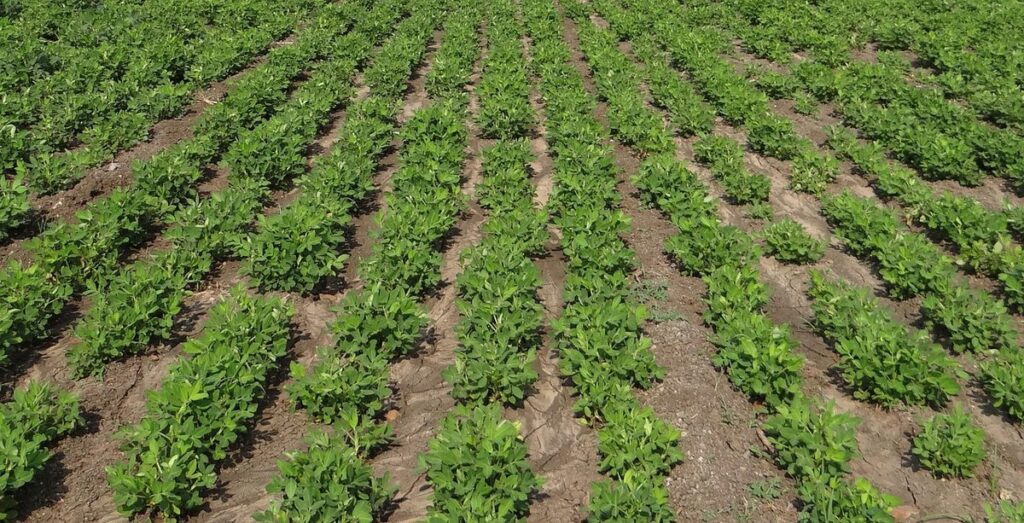
Let’s start with the basics: groundnuts are a hardy and adaptable crop that thrive in warm climates, making them perfect for small-scale farming. Here, we’ll cover what you need to know before growing groundnuts.
What are Groundnuts?
Groundnuts are one of the most widely cultivated and consumed legumes globally. As a starting point for growing groundnuts, it’s essential to understand their botanical name is Arachis hypogaea. This species belongs to the pea family (Fabaceae), making them closely related to beans and lentils.
Originating in South America over 7,000 years ago, groundnuts were first domesticated by the indigenous peoples of present-day Brazil and Paraguay. These early farmers recognized their nutritional value and versatility in cooking. From there, groundnut cultivation spread throughout Central and North America, eventually reaching Africa through trade routes.
In many cultures around the world, groundnuts hold significant cultural and symbolic importance. In West Africa, for instance, they are considered a staple food and an integral part of traditional cuisine. Groundnuts also feature prominently in various festivals and celebrations across the continent. Understanding their rich history and cultural significance can help growers appreciate the importance of sustainable groundnut cultivation and the impact it has on local communities.
Importance of Groundnuts in Farming
Groundnuts are an essential crop for farmers worldwide due to their numerous benefits. Not only do they provide a rich source of nutrients, but they also offer economic stability and versatility in use. Groundnuts are an excellent source of protein, fiber, and various vitamins and minerals, making them a staple in many cuisines. They contain healthy fats that help lower cholesterol levels and reduce the risk of heart disease.
In terms of uses, groundnuts can be consumed roasted or boiled as a snack, added to meals for extra flavor and nutrition, or used as an ingredient in baked goods and desserts. Groundnut oil is also a popular cooking medium due to its high smoke point and rich nutritional profile. The versatility of groundnuts has led to their widespread adoption in many cultures.
From an economic perspective, groundnuts are a lucrative crop for farmers. They have a relatively short growth period and can be harvested multiple times per year, allowing farmers to maximize their yield. Additionally, groundnuts require minimal care and maintenance, making them an attractive option for small-scale or beginner farmers.
Common Varieties of Groundnuts
Groundnut varieties differ significantly, each with its unique characteristics and growth requirements. For instance, runner beans are an excellent choice for small gardens due to their compact growth habit and ability to thrive on trellises. They have a shorter maturation period compared to other types and are also more resistant to diseases.
Virginia peanuts, on the other hand, are one of the most widely cultivated groundnut varieties globally. They grow well in warm climates and can be harvested within 120-130 days. Virginia peanuts require full sun and well-drained soil to produce high yields.
Spanish peanuts, another popular variety, have a slightly longer maturation period than Virginia peanuts but can thrive in poorer soils. They are also more resistant to pests and diseases compared to other types of groundnuts. When choosing the right groundnut variety for your garden, consider factors such as climate, available space, and desired harvest period.
When selecting a groundnut variety, ensure it is suitable for your specific region’s growing conditions. This will help minimize potential issues during cultivation, resulting in healthier plants and better yields.
Choosing the Right Location and Climate
When growing groundnuts, selecting a suitable location is crucial for their success. This section will help you identify ideal climates and regions for cultivating groundnuts.
Determining Soil Suitability
Determining soil suitability is a crucial step before planting groundnuts. Groundnuts require well-draining, loose soil with a pH between 6.0 and 7.0 to thrive. A soil test can help you determine the pH level and nutrient content of your soil. You’ll need to collect a sample from the top 8-10 inches of soil and send it to a laboratory for analysis.
The ideal soil for groundnut cultivation should have a high organic matter content, which will improve its structure and fertility. A minimum of 2% organic matter is recommended. Additionally, your soil should be rich in nitrogen, phosphorus, and potassium (NPK) nutrients. You can amend the soil with compost or manure to adjust its pH and nutrient levels.
When assessing drainage, ensure that excess water doesn’t accumulate in the soil. Groundnuts are susceptible to root rot if their roots sit in waterlogged soil for too long. Test your soil’s water-holding capacity by digging a shallow pit during a heavy rainfall event. If water accumulates in the pit, you’ll need to improve drainage through mulching or terracing.
A soil test will also indicate any nutrient deficiencies that may affect groundnut growth. Based on the results, apply necessary fertilizers and lime to adjust pH levels accordingly. It’s essential to consider these factors carefully before planting to avoid potential losses due to poor soil conditions.
Climate Requirements for Groundnuts
When it comes to growing groundnuts, understanding the ideal climate conditions is crucial for a bountiful harvest. Groundnuts are a warm-season crop and thrive in regions with moderate temperatures.
The optimal temperature range for groundnut cultivation is between 20°C and 30°C (68°F to 86°F). Temperatures above 35°C (95°F) can lead to scorching, reducing yields, while temperatures below 15°C (59°F) may cause damage or even kill the plants. To ensure optimal growth, aim for a temperature range of 25°C to 28°C (77°F to 82°F).
In terms of moisture levels, groundnuts require well-distributed rainfall or irrigation throughout the growing season. Aim for an annual rainfall of at least 600 mm (24 in), with consistent soil moisture. Avoid overwatering, which can lead to fungal diseases and root rot.
Sunlight is another critical factor for healthy growth. Groundnuts need direct sunlight for at least six hours a day to produce well. If your area experiences partial shade, consider planting groundnut varieties specifically bred for shaded conditions.
When evaluating the climate of your location, remember that even small variations in temperature and moisture can significantly impact yields. By understanding these ideal climate conditions, you’ll be better equipped to provide your groundnuts with the best possible growing environment, leading to a successful harvest.
Preparing the Land for Planting
Preparing the land for planting is an essential step in growing groundnuts. Before you start planting, it’s crucial to ensure that your land is fertile and free of debris. Begin by tilling the soil to a depth of about 12-15 inches using a rotary tiller or a plow. This will loosen up compacted soil, remove any rocks or weeds, and improve drainage.
Next, add a balanced fertilizer to the soil, following the instructions on the packaging for the right amount to apply. You can also test your soil pH levels and adjust accordingly to ensure optimal growth conditions for groundnuts. Remove any debris such as twigs, leaves, or old crop remains that may be present in the land.
It’s also a good idea to level the land to avoid waterlogging and promote even growth. Use a rake or a tractor to create a smooth surface. Finally, inspect your land one last time to ensure it’s free of any obstacles or weeds that could compete with your groundnut plants for nutrients. With these steps complete, you’ll be ready to plant your groundnuts and set them up for success.
Sowing and Planting Groundnuts
To ensure a bountiful harvest, it’s essential to sow your groundnut seeds at the right depth and spacing, which we’ll cover in more detail below.
Timing and Spacing
When to sow groundnuts is crucial for a successful harvest. The ideal time varies depending on your location and climate. In general, it’s best to sow in the cooler months of spring or early autumn when the weather is mild and there’s adequate rainfall.
In regions with a long growing season, you can sow groundnuts as soon as the soil has warmed up to at least 15°C (59°F). This usually occurs around late March or early April. In areas with a shorter growing season, it’s better to wait until late May or June when the risk of frost has passed.
Make sure the soil is moist but not waterlogged before sowing. Groundnuts require about 25-30 cm (10-12 inches) of rainfall throughout their growth cycle, so it’s essential to check the weather forecast and plan accordingly. Avoid sowing during periods of prolonged drought or excessive rainfall, as this can lead to poor germination and reduced yields.
In areas with a distinct wet season, such as tropical regions, groundnuts can be sown directly into well-prepared seedbeds when the soil is moist and warm.
Methods of Sowing
Sowing groundnuts can be done using various methods, each with its own set of benefits and requirements. One popular method is broadcast sowing, where the seeds are scattered evenly over the entire field by hand or using a machine. This method is suitable for large areas and can help to achieve uniform germination.
Another common method is drilling, which involves creating rows of furrows in the soil and then placing a predetermined number of seeds along each row. Drilling allows for more precise control over seed placement and can be particularly useful when growing groundnuts on sloping land or where water may be scarce.
Direct seeding is also an option, where the seeds are sown directly into the prepared soil without any prior furrows or rows being created. This method requires careful attention to soil conditions, as uneven moisture levels can affect germination rates. Regardless of the chosen method, proper seed depth and spacing are essential for successful groundnut growth.
When choosing a method, consider factors such as soil type, climate, and equipment availability. For example, in areas with poor soil fertility, broadcast sowing may be more beneficial due to its ability to evenly distribute seeds.
Tips for Healthy Seedlings
After sowing groundnut seeds, it’s essential to focus on creating a conducive environment for healthy seedlings. This involves ensuring an adequate water supply, maintaining proper soil temperature, and controlling weeds.
Proper watering is crucial during the germination period. Seedlings need consistent moisture, especially when they are still developing their root system. A general rule of thumb is to provide about 1-2 inches of water per week through rainfall or irrigation. Avoid overwatering, which can lead to fungal diseases and root rot.
Maintaining optimal soil temperature is also vital for seedling growth. Groundnuts prefer a slightly acidic to neutral soil pH (around 6.0-7.0) and temperatures between 60°F to 70°F (15°C to 21°C). You can use mulch or black plastic sheets to regulate soil temperature and retain moisture.
Controlling weeds is another critical aspect of promoting healthy seedlings. Weeds compete with groundnuts for water, nutrients, and light. Regularly remove weeds by hand or use a hoe to prevent them from spreading. This will ensure your seedlings receive the necessary resources to grow strong and healthy.
Managing Groundnut Crops
Managing groundnut crops requires attention to soil, water, and pest management to ensure a bountiful harvest. In this crucial phase, learn essential techniques for crop maintenance and protection.
Irrigation Techniques
Irrigation is a crucial aspect of groundnut cultivation, and proper watering techniques can significantly impact crop yields. Groundnuts are drought-tolerant but respond well to consistent moisture levels, especially during critical growth stages.
Drip irrigation is an efficient method for delivering water directly to the roots of plants, reducing evaporation and runoff. This technique allows for precise control over water application rates, ensuring that each plant receives the right amount of moisture. For small-scale farmers, drip irrigation kits are available at affordable prices, making it an accessible option.
Mulching around groundnut plants helps retain soil moisture, suppress weeds, and regulate soil temperature. Organic mulch materials like straw or sugarcane trash can be applied in a 2-3 inch layer around the base of plants. This technique also enriches the soil with nutrients as the mulch breaks down over time.
Regular monitoring of soil moisture levels is essential to avoid overwatering, which can lead to root rot and other diseases. By implementing efficient irrigation techniques like drip irrigation and mulching, you can ensure your groundnut crop receives the right amount of water while minimizing waste and environmental impact.
Pest and Disease Management
When it comes to managing groundnut crops, pest and disease management is a crucial aspect to ensure a bountiful harvest. Groundnuts are susceptible to various pests and diseases that can significantly impact yield and quality.
Some common pests that affect groundnuts include nematodes, rodents, and insects such as aphids, whiteflies, and thrips. Nematodes can cause root damage and reduce plant growth, while rodents like rats and mice feed on the pods and seeds, resulting in significant losses. Insects can transmit diseases and cause direct damage to the plants.
Fungal infections are another major concern for groundnut farmers. Fungi such as Aspergillus, Fusarium, and Rhizoctonia can infect the roots, stems, and leaves of the plant, leading to wilting, yellowing, and defoliation. To prevent these issues, use crop rotation, maintain soil health through proper fertilization and irrigation, and adopt integrated pest management (IPM) techniques.
For effective control, monitor your crops regularly for signs of pests or diseases, and take prompt action if you notice any issues. Use organic methods like neem oil, garlic spray, or insecticidal soap to control infestations. Also, ensure good sanitation practices in the farm to avoid re-infestation.
Harvesting and Post-Harvest Care
When it’s time to harvest your groundnut crop, patience and careful planning are key. The timing of harvesting is crucial to ensure that the nuts are mature but not overripe. Typically, groundnuts are ready for harvesting 90-120 days after sowing. Check for maturity by gently tugging on a stem; if the pods come off easily, they’re ready.
There are two common methods for harvesting: hand-picking and mechanical harvesting. For small-scale farmers or gardeners, hand-picking is often more practical. Simply dig around the plants to loosen the soil, then carefully pull out the entire plant, taking care not to damage the roots.
To maintain quality during storage, it’s essential to dry the groundnuts as soon as possible after harvesting. You can achieve this by spreading them out in a single layer on a clean surface or using a machine specifically designed for drying nuts. Store the dried groundnuts in a cool, well-ventilated area to preserve their flavor and texture.
Proper storage will not only help extend shelf life but also reduce waste, ensuring you get the most from your harvest.
Troubleshooting Common Issues
Sometimes you might encounter problems while growing groundnuts, so let’s dive into some common issues and how to resolve them. This will help you get back on track with a thriving crop.
Common Problems in Groundnut Cultivation
One of the challenges you may face while growing groundnuts is drought. Groundnut plants are sensitive to water stress, and prolonged dry spells can significantly impact yields. To mitigate this issue, it’s essential to identify when the soil moisture levels are dropping. Monitor the plant’s wilting behavior – if leaves start to wilt, it’s a clear indication that the plant needs watering.
Another common problem is pests like aphids, whiteflies, and spider mites. These insects can cause significant damage by sucking sap from the plant’s leaves and stems. Regularly inspect your groundnut plants for signs of infestation, such as yellowing or distorted leaves, sticky honeydew residue, or fine webbing on the undersides of leaves. Use neem oil or insecticidal soap to control these pests.
Diseases like leaf spot, powdery mildew, and root rot can also affect groundnut crops. These issues often arise due to poor irrigation practices, high humidity, or waterlogged soil conditions. To prevent disease outbreaks, maintain good crop rotation, ensure proper spacing between plants, and adopt integrated pest management (IPM) strategies.
In case you do encounter pests or diseases, there are several control measures available. For example, crop residues can be used as mulch to suppress weeds, retain moisture, and regulate soil temperature. Additionally, introducing beneficial insects like ladybugs, lacewings, or parasitic wasps into your garden can help control pest populations naturally.
It’s also crucial to maintain good hygiene in the field by removing any infected plants, disinfecting tools, and avoiding over-handling the crop. Regularly monitoring your groundnut plants for signs of stress will allow you to take prompt action and address issues before they escalate.
Overcoming Challenges
As you navigate the journey of growing groundnuts, you may encounter various challenges that can affect your yields and profitability. Climate change, soil degradation, and market fluctuations are some of the most significant hurdles groundnut farmers face.
Climate change brings unpredictable weather patterns, making it difficult to predict when to plant or harvest. Rising temperatures can also lead to increased pest and disease pressures. To overcome these challenges, consider using climate-resilient groundnut varieties that have been bred specifically for their ability to withstand extreme weather conditions.
Soil degradation is another major concern, resulting from intensive farming practices and poor soil management. To combat this, implement conservation agriculture techniques such as no-till or reduced tillage, which help maintain soil health while minimizing erosion.
Market fluctuations can also impact your groundnut sales and revenue. To mitigate this risk, diversify your market by selling to multiple buyers, including local markets, wholesalers, and exporters. This will not only ensure a stable income but also provide opportunities for higher profit margins.
Additionally, consider forming cooperatives with other farmers to pool resources, share knowledge, and negotiate better prices for your groundnuts.
Conclusion: Maximizing Groundnut Yields
As you near the end of this comprehensive guide on growing groundnuts, it’s essential to remember that maximizing yields requires careful planning and execution. To achieve high yields, ensure your soil is rich in organic matter and has a pH between 6.0 and 7.0. Adequate watering is also crucial; aim for about 600-800mm of rainfall or irrigation per season. Regular crop monitoring will help you identify any issues early on, allowing for timely interventions.
With proper management and attention to detail, groundnut yields can increase significantly. To take your yields to the next level, consider using crop rotation techniques and integrating cover crops into your farming practices. By doing so, you’ll not only boost yields but also improve soil health and reduce pests and diseases.
Frequently Asked Questions
Can I grow groundnuts in containers?
Yes, you can grow groundnuts in containers if you have limited space. However, ensure the container is at least 6-8 inches deep to accommodate the taproot of the plant. Use a well-draining potting mix and provide sufficient sunlight (at least 4-5 hours) for healthy growth.
How do I handle common pests like aphids and whiteflies?
Common pests like aphids and whiteflies can be managed using neem oil or insecticidal soap. Apply these pesticides early in the morning when the plants are dry, following the recommended dilution ratios. Regularly inspect your crop to catch infestations before they spread.
What’s the ideal soil pH for growing groundnuts?
Groundnuts prefer a slightly acidic to neutral soil pH (5.5-7.0). If your soil is too alkaline or acidic, amend it with lime or sulfur according to the recommended dosages. Test your soil regularly to ensure optimal nutrient balance and pH levels.
Can I grow different varieties together?
Yes, you can grow multiple groundnut varieties together. However, select varieties that mature at similar times (harvest simultaneously) to simplify harvesting and post-harvest handling. Also, choose varieties with complementary growth habits to optimize space utilization in your garden or field.
How often should I water my groundnuts during the growing season?
Groundnuts require consistent moisture, especially when they’re producing flowers and pods. Water them deeply once or twice a week, depending on weather conditions. Avoid overwatering, which can lead to root rot and other issues. Monitor soil moisture by inserting your finger into the soil up to the first knuckle.