
Are you ready to discover one of the most versatile and nutritious plants around? Ground cherry plants are often overlooked, but they’re a treasure trove of benefits waiting to be unleashed. Not only do they produce delicious and unique fruit, but they also offer a wealth of culinary and craft uses that will make you wonder how you ever lived without them.
But before we dive into the wonderful world of ground cherries, let’s take a step back and explore their rich history and nutritional benefits. From the Andean region to your own backyard, these small but mighty plants are packed with vitamins, minerals, and antioxidants that will boost your health and wellbeing. In this ultimate guide, we’ll delve into everything you need to know about growing, caring for, and using ground cherry plants in cooking, crafts, and beyond.
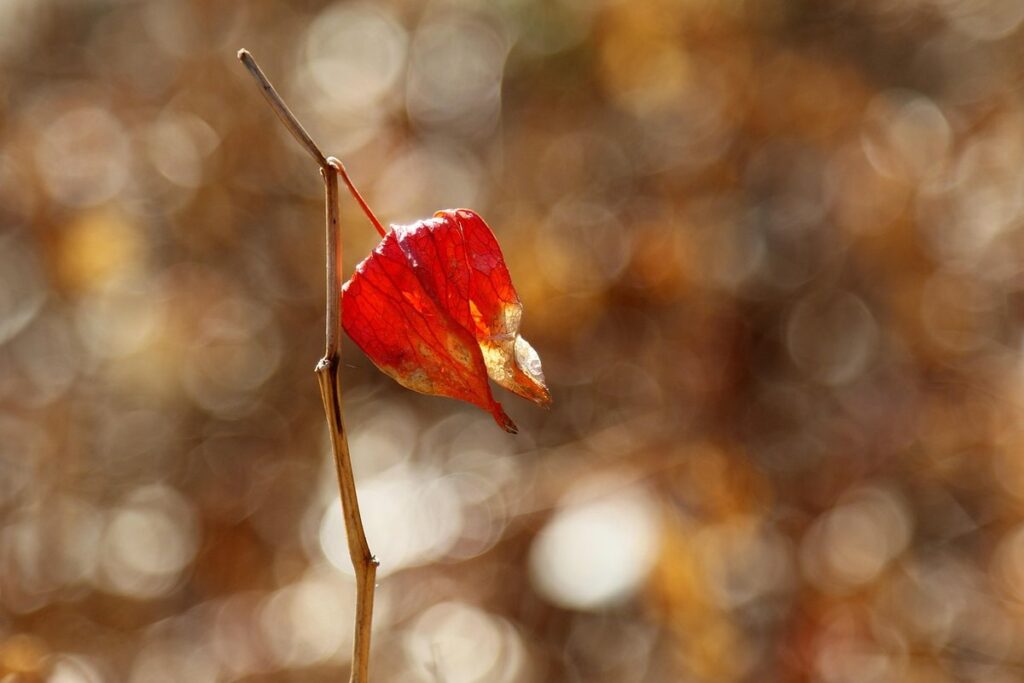
What are Ground Cherries?
Let’s start by exploring what ground cherries actually are, and how they differ from other types of fruits you might be familiar with. You’ll be surprised at their unique characteristics!
Overview of the Ground Cherry Fruit
Ground cherry fruit is a small, round or oval-shaped berry that grows on the ground cherry plant. One of its most distinctive characteristics is the papery husk that covers the fruit, making it resemble a tiny lantern. This unique covering helps protect the fruit from insects and disease.
The taste of ground cherries is often described as a combination of pineapple, strawberry, and vanilla, with a sweet-tart flavor profile. When ripe, the fruit is tender to the touch and yields easily to pressure. Ground cherries are a type of “accessory fruit,” meaning they develop from the receptacle that holds the flower’s ovules, rather than directly from the flower itself.
Ground cherries are relatively small, typically ranging in size from 1-2 inches (2.5-5 cm) in diameter. They have a delicate flavor and a soft texture, making them a popular choice for baking and cooking applications. Ground cherry jam, preserves, and sauces are all great ways to enjoy the fruit’s unique taste and versatility. When handling ground cherries, be sure to gently remove the papery husk and wash the fruit thoroughly before use.
Origin and History of Ground Cherries
Ground cherries have been a staple crop for centuries, with their origins dating back to South America. The plant is native to the Andean region of Peru and Bolivia, where it was first domesticated by the indigenous people over 2,000 years ago. The Incas highly valued ground cherries for their sweet-tart flavor and nutritional properties, using them not only as a food source but also in traditional medicine.
As European colonizers arrived in South America, they discovered the ground cherry plant and brought it back to their homelands. Today, ground cherries are grown in many parts of the world, including North America, Europe, and Asia. In some cultures, such as among the indigenous peoples of the Amazon rainforest, ground cherries remain a vital crop for food and medicine.
Interestingly, ground cherries were once a prized ingredient in European cuisine, particularly in England where they were used to make jams, preserves, and desserts. However, with the introduction of more exotic fruits like strawberries and blueberries, ground cherries largely fell out of favor and are now considered an heirloom crop.
Description of the Fruit and Its Varieties
Ground cherries are small, round fruits with a papery husk that typically ranges in color from light green to dark purple. They usually grow to be about 1-2 inches in diameter and have a slightly sweet and tart taste. The flavor profile of ground cherries is often described as a mix between pineapple and strawberry.
When ripe, the fruit turns from green to its final color, which can vary depending on the specific variety. Some popular varieties include the ‘Purple Passion‘, ‘White Perfection’, and ‘Yellow Pear’. Each has its unique characteristics, but they all share the same papery husk and sweet-tart taste.
Ground cherries are relatively small compared to other fruits, making them perfect for snacking or adding to salads. Their flavor profile makes them a great addition to desserts like pies and crisps. They’re also high in antioxidants and have been shown to have potential health benefits due to their high concentration of vitamins A and C. When selecting ground cherries, look for those with a deep color and slight softness to the touch, as these will be sweeter and more flavorful.
Growing Ground Cherry Plants
To successfully grow ground cherry plants, you’ll need to understand their unique requirements for optimal growth and fruit production. This includes learning about their ideal climate, soil conditions, and pruning needs.
Choosing the Right Location for Your Ground Cherry Plant
When it comes to growing ground cherry plants, selecting the right location is crucial for their success. Ground cherries are a warm-season crop that thrives in well-draining soil and full sun to partial shade. Ideally, choose a spot that receives at least 6 hours of direct sunlight per day.
The climate also plays a significant role in determining where to plant your ground cherry bushes. They prefer a temperate climate with moderate temperatures between 65°F to 75°F (18°C to 24°C). Avoid planting in areas with extreme temperature fluctuations, as this can cause stress and affect fruit production.
In terms of soil, ground cherries don’t require a specific pH level but prefer well-draining, rich soil that’s high in organic matter. If your soil is heavy clay or sandy, mix in some compost to improve its structure and fertility. Also, keep in mind the mature size of your plants when selecting a location. Ground cherry bushes can grow up to 3 feet tall and 2 feet wide, so give them enough space to spread out.
When evaluating a potential planting site, consider factors such as proximity to water sources, accessibility for maintenance, and protection from wind and frost. By choosing the right location, you’ll set your ground cherry plants up for success and enjoy a bountiful harvest of these delicious fruits.
Preparing the Soil for Ground Cherries
To prepare the soil for optimal growth of ground cherry plants, you’ll want to focus on creating a rich and fertile environment that’s conducive to their unique needs. Ground cherries prefer well-draining soil with a slightly acidic pH, ranging from 6.0 to 7.0.
When testing your soil pH, keep in mind that ground cherries are more tolerant of acidic conditions than alkaline ones. If your soil tests high, consider adding elemental sulfur or aluminum sulfate to lower the pH. On the other hand, if your soil is too acidic, you can add limestone or dolomitic limestone to raise it.
Fertilization is also essential for optimal growth. Mix in a balanced fertilizer (10-10-10) according to package instructions, and supplement with additional potassium for enhanced fruit production. Avoid over-fertilizing, as this can lead to weakened plant health and reduced yields.
Aim to till the soil about 8-10 inches deep to loosen compacted layers and incorporate organic matter like compost or well-rotted manure. This will provide a nutrient-rich environment that promotes healthy root growth and overall plant development.
Watering and Maintenance of Ground Cherry Plants
Proper watering is essential for ground cherry plants to thrive. They prefer well-drained soil and full sun to partial shade, which can help reduce water needs. Aim to provide about 1 inch of water per week, either through rainfall or irrigation. It’s best to water in the morning to allow the plants to absorb the moisture throughout the day.
Regular pruning is also necessary for ground cherry plants. Remove any dead or damaged leaves and stems to maintain their appearance and prevent disease from spreading. You can also trim back long vines to encourage bushy growth and promote fruiting. Prune your plants regularly, but be careful not to over-prune, as this can cause stress to the plant.
Keep an eye out for common pests like aphids, whiteflies, and spider mites. These insects can weaken the plant and reduce its ability to produce fruit. Regularly inspect your plants and use organic pest control methods whenever possible. For example, you can spray soapy water on infested areas or introduce beneficial insects like ladybugs that prey on these pests.
By following these simple maintenance tips, you’ll be able to keep your ground cherry plants healthy and thriving throughout the growing season. Remember to monitor their specific needs based on climate, soil type, and weather conditions to ensure optimal growth.
Health Benefits and Uses of Ground Cherries
Ground cherries are more than just a tasty summer treat – they also pack some amazing health benefits, including antioxidant properties and anti-inflammatory effects. We’ll explore these advantages in detail below.
Nutritional Value of Ground Cherries
Ground cherries are a nutrient-dense fruit that provides a range of essential vitamins, minerals, and antioxidants. One serving of ground cherries (about 100g) contains approximately 50 calories, making them an excellent choice for those looking to add variety to their diet while keeping calorie intake in check.
Rich in vitamin C, a single serving of ground cherries meets over 20% of the recommended daily intake. This vitamin plays a crucial role in immune function, collagen production, and iron absorption. Additionally, ground cherries are an excellent source of manganese, a mineral essential for bone health and metabolism regulation.
Ground cherries also contain a range of antioxidants, including anthocyanins and ellagic acid, which have been shown to have anti-inflammatory properties and protect against cell damage. These compounds can help reduce the risk of chronic diseases such as heart disease, cancer, and cognitive decline.
To incorporate ground cherries into your diet, try adding them to salads, smoothies, or using them as a topping for oatmeal or yogurt. With their sweet-tart flavor and numerous health benefits, it’s no wonder ground cherries are gaining popularity among health-conscious individuals looking to add more variety and nutrition to their meals.
Medicinal Properties of Ground Cherries
Ground cherries have been prized for their medicinal properties for centuries, and modern research is finally catching up to this ancient knowledge. One of the most significant health benefits of consuming ground cherries is their anti-inflammatory effect. The fruits are rich in polyphenols, which have been shown to reduce inflammation and alleviate symptoms associated with conditions like arthritis.
The antioxidant properties of ground cherries also make them an excellent addition to a healthy diet. These tiny fruits contain high levels of vitamin C and beta-carotene, two powerful antioxidants that help protect cells from damage caused by free radicals. This can lead to a reduced risk of chronic diseases such as heart disease, cancer, and cognitive decline.
To reap the medicinal benefits of ground cherries, consider adding them to your salad or using them in a homemade jam. You can also use ground cherry juice as a natural remedy for digestive issues. Simply drink 1-2 tablespoons of juice per day to soothe stomach upset and promote healthy digestion. Remember to consult with a healthcare professional before making any significant changes to your diet.
Using Ground Cherries in Cooking and Crafts
Ground cherries are an incredibly versatile fruit that can be used in both cooking and crafts. When it comes to cooking, ground cherries can be used in a variety of dishes, from sweet treats like pies and tarts to savory meals like stir-fries and salads. One of the best ways to use ground cherries is to make a jam or preserves using their tart pulp and sweet juice.
In baking, ground cherries can add natural sweetness and a burst of flavor to muffins, cakes, and breads. Simply puree the fruit in a blender or food processor and mix it into your favorite recipe for a delicious and unique twist. Ground cherries can also be used as a topping for yogurt or oatmeal, adding a sweet and tangy flavor.
In addition to cooking, ground cherries can also be used in crafts, such as making jams and preserves, but also in potpourri blends, wreaths, and other decorative arrangements. The fruit’s vibrant color and unique shape make it a great addition to any craft project. To dry the fruit for use in crafts, simply slice them thinly and lay them out on a baking sheet or dehydrator tray.
Propagation and Care of Ground Cherry Plants
To successfully grow ground cherry plants, you’ll want to learn how to propagate them effectively and provide the right care for optimal yields. This section covers both essential topics in detail.
Seed Starting for Ground Cherry Plants
Starting seeds for ground cherry plants indoors allows you to get a head start on the growing season and gives them a strong foundation for success. To begin, select a high-quality seed starting mix specifically designed for seedlings. This type of soil is usually sterile and contains the right balance of nutrients for young roots.
To prepare your soil, fill a container with 1-2 inches of the seed starting mix. Moisten it with distilled water until it reaches a damp consistency, but make sure not to overwater. Sow 2-3 ground cherry seeds about ¼ inch deep in each cell or section of your container. Cover them lightly with more of the seed starting mix.
Keep the soil consistently moist during this period by placing the container on a tray filled with water and a heat mat set at around 70°F to 80°F (21°C to 27°C). This will promote healthy germination within 7-10 days. Transplant seedlings outdoors when they reach about 2 inches in height, usually after 4-6 weeks of growth.
Planting Ground Cherry Seedlings
When planting ground cherry seedlings, it’s essential to consider their spacing and support requirements. Start by selecting a location with full sun and well-draining soil. Space the seedlings 12-18 inches apart, taking care not to overcrowd them.
Provide support for the seedlings as they grow, using tomato cages or trellises to keep them upright. This will also help promote better fruiting. Water the seedlings regularly, keeping the soil consistently moist but not waterlogged. Mulch around the plants to retain moisture and suppress weeds.
As the seedlings establish themselves, prune any weak or spindly growth to encourage bushy development. Remove lower leaves to prevent fungal diseases from spreading upwards through the plant. Keep in mind that ground cherry plants are naturally compact growers, so they don’t require extensive staking.
By providing the right conditions and support, your ground cherry seedlings will thrive and produce an abundance of delicious fruit. With a little care and attention, you’ll be enjoying these unique and flavorful treats in no time!
Pruning and Training Ground Cherry Vines
Pruning and training ground cherry vines are crucial for optimal growth and maximizing yields. These vines can be quite vigorous, so pruning helps control their size while directing the plant’s energy towards fruit production.
To prune your ground cherry vine, remove about one-third of the new growth each spring to promote a bushy shape and encourage fruiting branches. This will also help maintain air circulation around the plant, reducing the risk of disease.
For training purposes, you can use a trellis or a fence as support for the vine. You can gently weave the stems through the support using twine or clips. Remove any weak or spindly growth that’s not contributing to the overall structure of the vine.
Some growers find it helpful to prune their ground cherry vines in late winter or early spring, before new growth begins. This helps control any potential pests and diseases that may have overwintered on the plant.
By pruning and training your ground cherry vines regularly, you’ll be rewarded with a healthier, more productive plant that’s less prone to disease and more likely to produce an abundance of delicious fruit.
Common Pests and Diseases Affecting Ground Cherries
As you tend to your ground cherry plant, it’s essential to be aware of common pests that can damage its leaves and fruits, as well as diseases that can affect its overall health.
Identifying Common Pests of Ground Cherry Plants
Ground cherry plants are susceptible to various pests that can cause significant damage and reduce yields. Among the most common pests affecting these plants are aphids, whiteflies, and spider mites. Aphids are small, soft-bodied insects that feed on plant sap, causing curled or distorted leaves. They can also transmit plant viruses, further compromising plant health.
Whiteflies, on the other hand, are tiny flying insects that feed on plant sap, leaving behind a sticky substance called honeydew that attracts ants and promotes fungal growth. Spider mites are tiny arachnids that spin fine webs and feed on plant sap, causing yellowing or bronzing of leaves.
To identify these pests, inspect your plants regularly for signs such as curled or distorted leaves, white powdery patches, or fine webbing on stems and leaves. Use a hand lens to examine the underside of leaves and branches for aphids, whiteflies, and spider mites. Control measures include introducing beneficial insects like ladybugs or lacewings that prey on these pests, using neem oil or insecticidal soap to control infestations, and maintaining good garden hygiene by removing weeds and debris that can harbor pests.
Treating Fungal Diseases in Ground Cherry Plants
Fungal diseases are one of the most common issues affecting ground cherry plants. These diseases can cause significant damage to the plant’s fruiting bodies, reducing yields and potentially killing the entire plant. The main causes of fungal diseases in ground cherries are overwatering, poor air circulation, and high humidity.
Common fungal diseases that affect ground cherry plants include powdery mildew, leaf spot, and root rot. Powdery mildew is characterized by a white, powdery coating on the leaves, while leaf spot appears as circular or oval-shaped lesions on the foliage. Root rot is caused by fungi that attack the roots of the plant, leading to yellowing leaves and stunted growth.
To treat fungal diseases in ground cherry plants, it’s essential to identify the problem early and act promptly. Start by removing any infected leaves or stems to prevent the spread of disease. Next, improve air circulation around the plant by pruning nearby foliage and providing adequate space between plants. Finally, use fungicides specifically designed for ground cherries according to the product’s instructions.
Preventative Measures for Healthy Growth
To ensure healthy growth and minimize the risk of pests and diseases, it’s essential to implement preventative measures. Start by selecting disease-free plants from a reputable nursery or supplier. Inspect your ground cherry plants regularly for signs of stress, such as yellowing leaves or black spots, which can be indicative of underlying issues.
Maintain good soil health by using organic matter like compost or well-rotted manure to improve drainage and fertility. Rotate crops every season to break the life cycle of pests and diseases that target specific plants. Water ground cherries carefully, avoiding overhead watering that can lead to fungal diseases.
Pruning is another crucial aspect of preventative care. Remove any weak or damaged growth to promote air circulation and prevent moisture from accumulating on leaves. Disinfect your pruning tools between cuts to prevent the spread of disease. By implementing these measures, you’ll be well-equipped to maintain a healthy ground cherry plant that’s better able to resist pests and diseases.
Conclusion and Future Considerations
As you’ve learned more about growing and caring for your ground cherry plant, let’s take a moment to reflect on what you’ve accomplished and consider future possibilities.
Recap of Key Points
In conclusion to our comprehensive guide on the ground cherry plant, let’s recap the key points covered. We’ve explored the fascinating history and origin of this unique fruit-bearing plant, tracing its roots back to South America and learning about its introduction to North American gardens.
We discussed the different types of ground cherries, including the more common ‘Red Sun’ and ‘White Pine’, as well as their growth habits and requirements for a successful harvest. From pruning techniques to ensure proper air circulation and sunlight penetration, to mulching and watering strategies that promote healthy plant development – we’ve covered it all.
The importance of pollination and pest management was also highlighted, with tips on how to create a welcoming environment for beneficial insects and prevent common pests like squirrels and birds from spoiling your harvest. We’ve provided actionable advice on when and how to fertilize, as well as troubleshooting common issues that may arise during the growing season.
By putting these key takeaways into practice, you’ll be well-equipped to grow and enjoy a bountiful crop of ground cherries in your own garden or container setup. Whether you’re an experienced gardener or just starting out, this guide has aimed to empower you with the knowledge and confidence needed to succeed.
Future Research and Development of Ground Cherry Cultivars
As we conclude our comprehensive guide to the ground cherry plant, it’s exciting to consider the future of this incredible fruit. With its unique flavor and versatility, researchers are likely to focus on breeding new cultivars that enhance its desirable traits while introducing innovative uses. Breeders may experiment with cross-pollination techniques to combine the sweetness of ‘Tainung’ with the vigor of ‘White Pineapple’, resulting in a superior variety.
Novel applications for ground cherries could include developing functional foods, such as jam or juice, and exploring their potential as a natural sweetener. Researchers might also investigate the fruit’s nutritional benefits, like its high content of antioxidants and vitamins, to create supplements or fortified products. Furthermore, scientists may look into using ground cherry extracts in pharmaceuticals, leveraging their anti-inflammatory properties.
Innovative techniques, such as CRISPR gene editing, could revolutionize the development of new cultivars by allowing for precise modifications to desirable traits like flavor, texture, and shelf life. As research advances, we can expect to see a wider range of ground cherry products hitting the market, from fresh produce to value-added goods.
Frequently Asked Questions
Can I grow ground cherry plants indoors?
Yes, you can grow ground cherries indoors, but they require a bright and warm location with temperatures above 60°F (15°C). This will also help control pests and diseases that thrive in outdoor conditions. Make sure to provide sufficient light, humidity, and care for the plant.
How do I propagate ground cherry plants?
Ground cherry plants can be propagated through seed or stem cuttings. For seed starting, sow seeds indoors 6-8 weeks before the last frost date. For stem cuttings, take 4-6 inch sections from mature stems, remove lower leaves, and plant them in well-draining soil.
What are some common pests that affect ground cherry plants?
Common pests affecting ground cherry plants include aphids, whiteflies, and spider mites. Regularly inspect your plants for signs of infestation, such as curled or distorted leaves, sticky honeydew droplets, or fine webbing.
Can I use ground cherries in savory dishes instead of sweet ones?
Ground cherries have a unique flavor profile that can complement both sweet and savory flavors. In fact, they pair well with herbs like thyme, rosemary, and oregano, making them an excellent addition to soups, stews, or roasted meats.
How do I preserve ground cherry fruit for long-term use?
Ground cherries can be preserved through freezing, drying, or jam-making. To freeze, simply wash, dry, and store them in airtight containers or freezer bags. For drying, slice the fruit thin and dehydrate at 135°F (57°C) until dry and brittle.