
Growing your own greenhouse tomatoes can be a game-changer for indoor gardeners. Not only do they provide a burst of fresh flavor to your meals, but they’re also one of the most rewarding crops to grow in a controlled environment. However, with so many varieties to choose from, it’s easy to get overwhelmed and unsure where to start.
In this article, we’ll take you on a tour of the best greenhouse tomato varieties, including popular choices like Cherry Tomatoes, Beefsteak Tomatoes, and Roma Tomatoes. We’ll also share expert growing tips and strategies for maximizing yields and extending the harvest season. Plus, we’ll cover common challenges and offer solutions to help you overcome them. By the end of this post, you’ll be equipped with everything you need to achieve success with your indoor tomatoes.
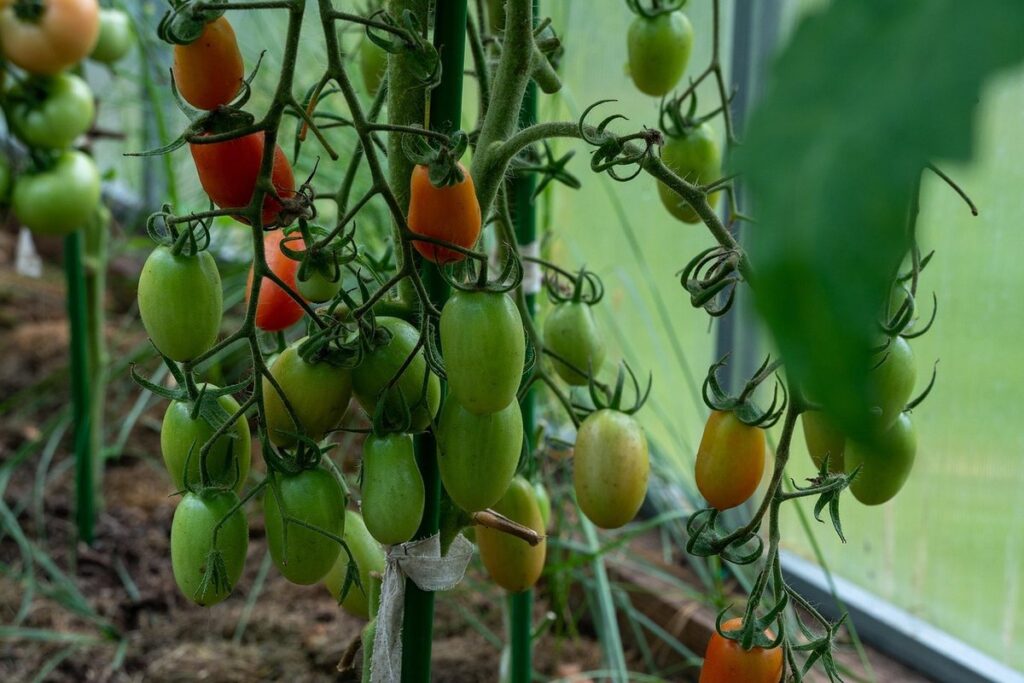
Understanding Greenhouse Tomatoes
Let’s dive into the world of greenhouse tomatoes and explore how understanding their unique characteristics will help you make informed decisions about growing and harvesting these delicious varieties. This section covers the key factors to consider when working with greenhouses and tomatoes together.
Characteristics of Greenhouse Tomatoes
Greenhouse tomatoes are known for their exceptional characteristics that set them apart from other varieties. One of the most significant advantages is their disease resistance. Greenhouse tomato plants have been bred to be resistant to common diseases such as fusarium wilt, verticillium wilt, and tobacco mosaic virus (TMV). This makes them ideal for growers who want to minimize the use of chemical fungicides.
In addition to their disease resistance, greenhouse tomatoes are also known for their high yield potential. They can produce multiple harvests per season, with some varieties yielding up to 100 pounds or more per plant. This is due in part to their ability to thrive in controlled environments, where temperature and humidity levels can be precisely managed.
Their adaptability to controlled environments is another key characteristic of greenhouse tomatoes. They can tolerate a wide range of temperatures, from as low as 55°F to as high as 85°F (13°C to 30°C), making them suitable for year-round production in regions with mild winters or harsh summers. This flexibility allows growers to extend their growing season and produce fresh tomatoes even during off-season periods.
Benefits of Growing Greenhouse Tomatoes
Growing greenhouse tomatoes offers numerous benefits that make them an attractive choice for farmers and gardeners alike. One of the most significant advantages is increased crop value. With a controlled environment, you can optimize growing conditions to produce higher yields and better-quality fruits. According to a study by the University of California, Davis, greenhouse-grown tomatoes can fetch up to 30% more at market compared to field-grown ones.
Another benefit of greenhouse tomatoes is improved food safety. By controlling the growing environment, you can minimize the risk of contamination from pests and diseases. In fact, studies have shown that greenhouse tomatoes have lower pesticide residues than their field-grown counterparts. This is especially important for consumers who prioritize healthy eating.
Growing greenhouse tomatoes also reduces environmental impact. With a closed system, you can conserve water and reduce soil erosion. Moreover, greenhouses can be designed to use renewable energy sources, such as solar power, to minimize their carbon footprint. By choosing to grow greenhouse tomatoes, you’re not only producing delicious fruits but also contributing to sustainable agriculture practices.
Popular Greenhouse Tomato Varieties
When it comes to growing delicious tomatoes in your greenhouse, knowing which varieties thrive in these conditions is crucial. Let’s take a look at some of the most popular and sought-after greenhouses tomato varieties that are sure to impress!
Hybrid Varieties for Optimal Production
When it comes to growing tomatoes in a greenhouse setting, selecting the right hybrid variety is crucial for optimal production. Look for varieties that have been bred specifically for greenhouse cultivation and are known for their high yields and disease resistance.
Some popular hybrid tomato varieties suitable for greenhouses include ‘Sungold’, ‘Red Robin’, and ‘Gelber Zaunkönig’. These varieties not only thrive in controlled environments but also offer excellent disease resistance, making them perfect for commercial growers. For instance, ‘Sungold’ is a high-yielding variety that produces an abundance of sweet cherry tomatoes, while ‘Red Robin’ is known for its compact growth habit and high resistance to fusarium wilt.
When selecting hybrid varieties, be sure to check the specific growing requirements for each plant, including temperature and light needs. This will ensure that you’re providing your plants with the optimal conditions for growth. By choosing a variety that’s well-suited to greenhouse cultivation, you can expect higher yields and improved overall performance from your tomato crop.
In addition to these popular varieties, be on the lookout for newer releases that boast even greater disease resistance and yield potential. For example, ‘Dolcetto’ is a hybrid variety that offers excellent resistance to powdery mildew and tobacco mosaic virus, making it an attractive choice for growers looking for a low-maintenance option.
In terms of yields, many hybrid varieties can produce between 20-30 kg (44-66 lbs) or more per plant in ideal conditions. To maximize your yields, be sure to provide your plants with a balanced diet of nutrients and maintain optimal growing conditions throughout the season.
By choosing the right hybrid variety for your greenhouse setting, you’ll be well on your way to achieving high-quality harvests with minimal disease pressure.
Heirloom and Open-Pollinated Varieties for Unique Flavors
If you’re looking for something truly special, consider growing heirloom and open-pollinated tomato varieties in your greenhouse. These unique tomatoes offer a wealth of benefits, from their distinctive flavors to their potential for higher prices due to limited supply.
Heirloom tomatoes are prized for their complex flavor profiles and stunning appearance. With over 7,500 known varieties worldwide, you’re sure to find one that suits your taste preferences. ‘Brandywine’, ‘Cherokee Purple’, and ‘Black Krim’ are popular choices among growers. These varieties often require a little more care and attention than hybrid tomatoes but reward gardeners with their exceptional flavor.
One of the main advantages of growing open-pollinated tomatoes is their ability to be saved from one season to the next, allowing you to create your own unique cultivars over time. This process can lead to incredible diversity in your tomato harvest. Be aware that prices for these varieties may be higher due to their limited supply and the effort involved in cultivating them.
Growing heirloom or open-pollinated tomatoes in a greenhouse also allows you to experiment with different growing conditions, experimenting to find the optimal environment for each variety. With patience and practice, you can unlock the secrets of these unique cultivars and enjoy some truly exceptional flavors in your harvest.
Selecting the Right Variety for Your Greenhouse
When it comes to growing tomatoes in a greenhouse, choosing the right variety is crucial for optimal yields and flavor. Let’s take a closer look at some factors to consider when making your selection.
Climate Considerations for Tomato Cultivation
When selecting a greenhouse tomato variety, it’s essential to consider climate-specific factors that can impact growth and yield. Temperature is a crucial aspect to consider, as tomatoes thrive in temperatures between 65°F (18°C) and 85°F (29°C). However, some varieties are more tolerant of temperature fluctuations than others. For instance, cherry tomato varieties like ‘Sungold’ and ‘Red Cherry’ can handle cooler temperatures, making them suitable for northern climates.
Humidity is another critical factor to consider. Tomatoes prefer a humid environment with relative humidity levels between 40% and 60%. If your greenhouse has high humidity levels, look for varieties that are resistant to fungal diseases like ‘Better Boy’ or ‘Early Girl’. On the other hand, if your greenhouse experiences dry spells, choose varieties that have a higher resistance to drought like ‘Patio’ or ‘Tiny Tim’.
Sunlight requirements also vary depending on the variety. Some tomatoes require full sun (at least 6 hours of direct sunlight) while others can tolerate partial shade. Consider choosing varieties with similar light requirements to avoid overcrowding your greenhouse and ensure optimal growth.
Disease Resistance and Management in Greenhouses
When growing tomatoes in greenhouses, disease resistance is crucial for maximizing yields and minimizing losses. Greenhouse conditions can foster ideal environments for diseases like powdery mildew, fusarium wilt, and bacterial spot to thrive. These pathogens can quickly spread throughout the crop, causing significant damage.
To manage diseases effectively, implement integrated pest management (IPM) strategies that combine physical, cultural, biological, and chemical controls. Start by selecting disease-resistant varieties, such as ‘Better Boy’ or ‘Early Girl’, which have built-in resistance to common tomato diseases.
In addition to using resistant varieties, maintain good hygiene practices in your greenhouse. Regularly inspect plants for signs of disease, remove infected leaves or stems, and disinfect tools and equipment to prevent the spread of pathogens. Use crop rotation and sanitation techniques to break disease cycles and reduce the risk of infection.
Monitor temperature and humidity levels within your greenhouse, as these conditions can influence disease development. Keep temperatures below 75°F (24°C) and maintain relative humidity between 60-80% to discourage disease growth.
Growing and Maintaining Healthy Tomatoes
Once you’ve successfully grown your greenhouse tomatoes, it’s essential to focus on their care and maintenance to ensure a bountiful harvest all season long. Regular pruning and watering will be key to keeping them thriving.
Soil Preparation and Fertilization for Optimal Growth
When growing tomatoes in a greenhouse, preparing the soil is crucial for optimal growth. The ideal soil pH for tomatoes ranges from 6.0 to 7.0, and it’s essential to test your soil before planting. Adding organic matter such as compost or well-rotted manure can improve soil structure and fertility.
For fertilization, use a balanced fertilizer (10-10-10 NPK) when transplanting seedlings into the greenhouse. You can also side-dress with calcium nitrate (15:0:45 NPK) to promote fruit development and prevent blossom end rot. Keep in mind that over-fertilizing can damage plants, so it’s better to err on the side of caution.
To maintain optimal growth, water your tomatoes deeply but infrequently to encourage deep root development. Mulching around the plants helps retain moisture and suppress weeds. Monitor soil temperature, as tomatoes prefer daytime temperatures between 65°F and 70°F (18°C-21°C) for best growth. By following these guidelines, you’ll be well on your way to growing healthy, productive greenhouse tomatoes.
Irrigation Systems for Efficient Water Use
When it comes to growing healthy tomatoes in a greenhouse, efficient water use is crucial. An inadequate irrigation system can lead to overwatering, which can result in root rot, fungal diseases, and reduced yields. To ensure optimal water usage, consider implementing drip irrigation systems in your greenhouse.
Drip irrigation delivers water directly to the roots of the plants through a network of tubes and emitters. This method is ideal for tomato cultivation as it reduces evaporation, runoff, and soil erosion. According to a study by the University of California, drip irrigation can save up to 30% more water compared to traditional sprinkler systems.
Another option is sprinkler systems, which are suitable for larger greenhouses or when you have space constraints for drip irrigation. However, they require precise calibration to avoid overwatering and under-watering. To make the most of sprinkler systems, ensure that your greenhouse has a uniform canopy density to prevent hotspots where water may concentrate.
When choosing between these two options, consider factors such as climate, soil type, and plant growth habits. For example, if you have sandy soil, drip irrigation is a better choice as it allows for more precise control over water delivery.
Common Challenges and Solutions
Growing greenhouse tomatoes can be a thrilling experience, but it’s not without its challenges. Let’s tackle some common issues you may face and explore practical solutions to ensure your harvest thrives.
Managing Pests and Diseases in Greenhouse Tomatoes
As you cultivate your prized greenhouse tomatoes, it’s essential to be aware of common pests and diseases that can wreak havoc on your crop. Tomatoes are susceptible to a range of issues, including fungal infections, bacterial diseases, and insect infestations.
Some of the most prevalent pests affecting greenhouse tomatoes include whiteflies, aphids, and spider mites. These tiny insects feed on the plant’s sap, weakening its defenses and making it more vulnerable to disease. To prevent infestations, maintain a clean greenhouse environment by disposing of weeds and debris, and use physical barriers like fine mesh or fine-netting to keep pests out.
For diseases, watch for signs of fungal infections like powdery mildew and fusarium wilt. These often manifest as white or yellowish patches on leaves or stems. Implement integrated pest management (IPM) strategies by rotating crops, using resistant varieties, and applying fungicides judiciously.
To manage these challenges effectively:
* Regularly inspect your plants for signs of pests or disease
* Use organic or chemical controls only when necessary
* Monitor temperature and humidity levels to prevent conducive environments for pests and diseases
* Implement crop rotation strategies to break disease cycles
By staying vigilant and taking proactive steps, you can protect your greenhouse tomatoes from common pests and diseases.
Troubleshooting Common Problems in Greenhouse Tomato Production
As you embark on growing greenhouse tomatoes, it’s essential to be aware of common problems that can arise and know how to troubleshoot them. Nutrient deficiencies are a frequent issue, particularly with nitrogen, phosphorus, and potassium. These macronutrients play critical roles in plant growth, so maintaining optimal levels is crucial. Regular soil testing will help identify any imbalances.
Temperature fluctuations also pose significant challenges. Greenhouse tomatoes require warm temperatures between 65°F to 70°F (18°C to 21°C) for optimal production. Consistent temperature control can be achieved through heating and cooling systems, ventilation management, or shading. Monitor your greenhouse climate closely to ensure these parameters are met.
Pruning and training techniques can also mitigate problems like disease susceptibility and fruit spoilage. Prune plants regularly to encourage air circulation and promote even growth. These strategies will not only minimize the occurrence of common issues but also enhance overall crop quality and yield.
Maximizing Harvests and Extending the Season
Now that you’ve chosen your perfect greenhouse tomato variety, let’s explore ways to maximize your harvests and extend the growing season for a bountiful yield all year round.
Tips for Optimizing Yield Potential in Greenhouses
To optimize yield potential in greenhouses, it’s essential to understand that these controlled environments provide an opportunity to refine growing techniques and push crop yields beyond what’s possible outdoors. Pruning techniques play a significant role in this process.
Prune plants regularly to promote bushy growth and increase fruiting sites. Remove lower leaves to improve air circulation and prevent fungal diseases from taking hold. By pruning, you’ll direct the plant’s energy towards producing more fruit rather than foliage.
Crop rotation strategies are another vital aspect of optimizing yield potential. Rotate your tomato varieties every 3-4 months to break disease cycles and replenish soil nutrients. For instance, if you’re growing a determinate variety in one crop cycle, switch to an indeterminate variety for the next. This approach not only reduces the risk of pests and diseases but also ensures optimal nutrient uptake.
By implementing these strategies, you’ll be able to optimize your greenhouse’s yield potential and enjoy a more bountiful harvest of delicious tomatoes.
Extending the Tomato Harvest with Cool-Season Varieties
Cool-season tomato varieties are a game-changer for extending the harvest period in your greenhouse. These types of tomatoes thrive in cooler temperatures and can produce fruit even when warm-season varieties have stopped producing.
Some popular cool-season tomato varieties perfect for greenhouses include ‘Red Robin’, ‘Tumbler’, and ‘Patio’. These compact plants mature quickly, often within 50-60 days, and continue to produce fruit throughout the season. You can also try ‘Early Girl’ or ‘Cherry Roma’, which are more traditional varieties but still excel in cooler temperatures.
To transition between warm-season and cool-season crops, consider staggering your planting schedule. Sow warm-season varieties like ‘Brandywine’ or ‘Beefsteak’ early in the season, when soil and air temperatures are optimal for growth. Then, around mid-summer, switch to cool-season varieties that will continue to produce fruit until the first frost.
When selecting cool-season tomato varieties, look for those with compact growth habits and a high yield potential. These plants will be more resilient in cooler temperatures and provide continuous harvests throughout the season.
Frequently Asked Questions
Can I grow greenhouse tomatoes year-round with the right climate control?
Yes, one of the benefits of growing tomatoes in a greenhouse is that you can extend the harvest season by controlling the temperature and light exposure. This allows for continuous production throughout the year, even in regions with harsh winters or hot summers.
How do I prevent pests and diseases from affecting my greenhouse tomato crop?
Regularly inspect your plants for signs of infestation or disease, and take prompt action to address any issues you find. Implement integrated pest management (IPM) strategies that combine physical barriers, cultural controls, and organic pesticides to minimize the use of chemical controls.
Can I grow different varieties of greenhouse tomatoes together in the same pot?
While it’s technically possible to grow multiple varieties together, this can lead to increased competition for resources and a higher risk of disease transmission. For optimal results, consider growing single or similar varieties together to promote healthy growth and maximize yields.
What’s the ideal temperature range for growing greenhouse tomatoes?
Greenhouse tomato plants thrive in temperatures between 65°F (18°C) and 75°F (24°C), with some varieties tolerating warmer conditions up to 85°F (29°C). Maintain consistent temperatures within this range, and use shading or ventilation systems to regulate temperatures as needed.
Can I use traditional gardening techniques for growing greenhouse tomatoes?
While you can apply many of the same principles from traditional gardening to your greenhouse setup, the controlled environment allows for more precise management of factors like temperature, humidity, and light exposure. Take advantage of these features to optimize growth and yields in your greenhouse tomato crop.