
Growing your own succulent greenhouse cucumbers year-round is a game-changer for any home gardener or commercial farmer. Not only do they provide an endless supply of fresh, crunchy cukes right in your own backyard, but they’re also incredibly versatile and can be used in everything from salads to sandwiches to pickles. However, growing greenhouse cucumbers isn’t always as straightforward as it seems – inconsistent yields, pests, and diseases can all throw a wrench in the works.
In this ultimate growing guide, we’ll walk you through everything you need to know to grow succulent greenhouse cucumbers, from preparing your greenhouse environment to maximizing yields and troubleshooting common issues. Whether you’re a seasoned pro or just starting out, our expert tips and tricks will help you achieve success with these delicious and profitable plants.
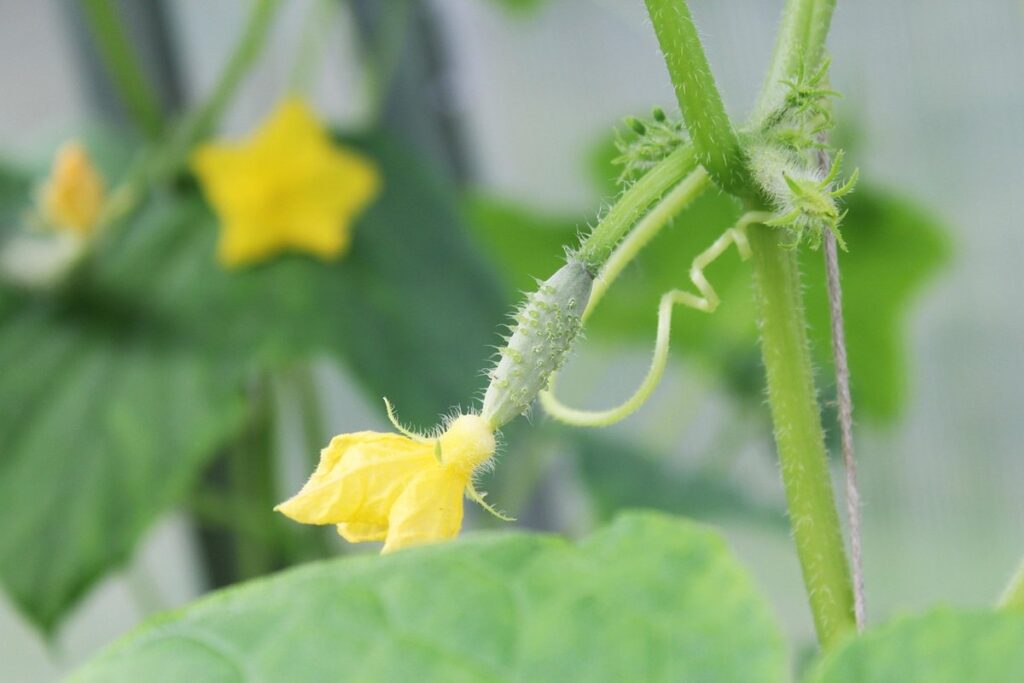
Benefits and Advantages of Growing Greenhouse Cucumbers
Growing your own greenhouse cucumbers can bring a wealth of benefits, from increased crop yields to improved flavor and nutrition. Let’s explore some of the advantages you can expect!
Climate Control for Optimal Growth
A greenhouse provides an ideal environment for growing cucumbers, thanks to its ability to maintain precise temperature and humidity levels. This controlled atmosphere is crucial for optimal growth, as it protects the plants from extreme weather conditions and allows them to thrive.
In a traditional outdoor setting, cucumbers are exposed to unpredictable temperatures, which can impact their growth. However, in a greenhouse, you have complete control over the environment. By regulating temperature between 65-75°F (18-24°C) during the day and slightly cooler at night, you create an optimal condition for cucumber growth.
Moreover, maintaining humidity levels between 40-60% allows for even transpiration, reducing stress on the plant. This balance also helps prevent fungal diseases that thrive in overly humid conditions. By carefully managing temperature and humidity, you can accelerate fruit production and increase yields.
Year-Round Harvests with Greenhouse Cucumbers
Growing greenhouse cucumbers provides numerous benefits, but one of the most significant advantages is having a consistent supply of fresh cucumbers year-round. This means you can enjoy the freshness and nutritional value of cucumbers regardless of the season or weather conditions outside.
A steady supply of cucumbers also opens up opportunities for experimentation in your recipes and cooking techniques. Imagine being able to incorporate cucumber slices into salads, sandwiches, and smoothies throughout the year, rather than just during the peak summer months when they’re readily available outdoors. This flexibility is especially valuable for professional chefs, home cooks, or anyone who enjoys trying new recipes.
To make the most of your greenhouse’s potential, consider implementing a rotating crop system. By growing multiple batches of cucumbers in succession, you can maintain a continuous supply without depleting soil nutrients or relying on artificial fertilizers. This approach also allows for greater control over the timing and quantity of your harvests, ensuring you always have fresh cucumbers available when you need them most.
Choosing the Right Variety for Your Greenhouse
When it comes to growing greenhouse cucumbers, selecting the right variety is crucial for optimal flavor and productivity. With so many options available, it’s essential to choose a variety that suits your specific needs and climate.
Selecting Disease-Resistant Varieties
When selecting disease-resistant varieties for your greenhouse cucumbers, it’s essential to prioritize this characteristic. Common diseases like powdery mildew, downy mildew, and fusarium wilt can significantly impact your crop yield and lead to substantial losses.
To minimize the risk of these diseases, look for cucumber varieties that have built-in resistance. You can identify resistant varieties by checking their labels or researching online. Some popular disease-resistant cucumber varieties include ‘Suyo’, ‘Marketmore’, and ‘Diva’. These varieties have been bred to withstand specific diseases, ensuring your crop remains healthy.
Incorporating disease-resistant varieties into your greenhouse will not only reduce the risk of crop loss but also promote sustainability in several ways: Reduced chemical use, less waste, and lower overall maintenance. For instance, if you’re growing ‘Suyo’ cucumbers, you can forgo using fungicides, saving time and money.
When selecting disease-resistant varieties, consider factors like climate, soil type, and your greenhouse’s specific conditions. By making an informed choice, you’ll be better equipped to tackle common diseases and ensure a bountiful harvest.
Considerations for Space and Climate
When selecting a cucumber variety for your greenhouse, it’s essential to consider the space and climate conditions you have available. This will not only ensure that your plants receive optimal growing conditions but also help you achieve a successful harvest.
Firstly, think about the amount of space you have allocated for your cucumbers. Compact or bush varieties are ideal for smaller greenhouses or trellis systems, while vining types require more space to spread out and climb. If you have limited space, look for compact varieties such as ‘Bush Pickle’ or ‘Tumbler’. These will produce high yields in a small footprint.
Next, consider your climate conditions. If you live in an area with hot summers, choose a variety that is resistant to heat stress and powdery mildew, such as ‘Suyo’ or ‘Marketmore’. In cooler climates, opt for varieties that mature quickly, like ‘Early Greenhouse’ or ‘Salad Bush’.
Lastly, think about your desired harvest time. If you want an early crop, select a variety with a shorter days-to-harvest period. For example, ‘Early Greenhouse’ will produce in as little as 50 days, while ‘Suyo’ takes around 60 days to mature.
By carefully selecting a cucumber variety that suits your greenhouse’s space and climate conditions, you’ll be well on your way to growing delicious and healthy cucumbers all year round.
Setting Up a Greenhouse for Cucumber Production
When setting up your greenhouse, it’s essential to create an optimal environment for cucumber production. This means designing and equipping your space specifically for their unique needs.
Essential Equipment and Supplies
When setting up a greenhouse for cucumber production, it’s essential to have the right equipment and supplies. This will not only ensure optimal growing conditions but also help you save time and resources in the long run.
You’ll need an irrigation system that can deliver water directly to the roots of your plants. Drip irrigation systems are ideal as they reduce evaporation and prevent overwatering, which is common with cucumbers. Make sure to install a timer for automatic watering, so you can control the schedule remotely.
Trellises or a climbing support system are also crucial for training cucumber vines to grow upwards. You can use wooden stakes, metal trellis, or even recycled materials like bamboo or PVC pipes. This will help keep your plants organized and prevent them from spreading out too much, making it easier to prune and maintain the crop.
Additionally, you’ll need a greenhouse thermometer to monitor temperature fluctuations, which is critical for cucumber growth. A hygrometer will also come in handy for tracking humidity levels. Don’t forget to invest in good-quality potting mix specifically designed for greenhouses, as this will promote healthy root development and prevent soil-borne diseases.
Make sure to also have a pruning tool, like clippers or secateurs, to maintain your plants’ shape and encourage fruiting. These are just some of the essential equipment and supplies you’ll need to get started with greenhouse cucumber production. By investing in these items upfront, you’ll be well on your way to a bountiful harvest.
Optimizing Space with Vertical Farming
When it comes to maximizing space in your greenhouse for cucumber production, incorporating vertical farming principles can be a game-changer. Vertical farming involves growing crops in vertically stacked layers, often using hydroponics or aeroponics systems.
To apply this concept in your greenhouse, you’ll need to consider the layout and structure of your space. You can utilize wall-mounted trellises or shelves to support multiple levels of cucumber plants. This not only saves floor space but also reduces the need for pruning and training vines, as they naturally grow upwards.
Another key aspect is the selection of a suitable crop variety that thrives in vertical conditions. Look for varieties like ‘Tasty Green’ or ‘Marketmore’, which are compact and produce high yields. By implementing a well-designed vertical farming system, you can increase your greenhouse’s productivity by up to 30% without expanding its footprint.
To get started, assess the available space within your greenhouse and calculate how many layers of crops you can accommodate. You may also want to consider investing in a hydroponic or aeroponic system, which will further enhance space utilization and water efficiency.
Tips for Healthy Growth and High Yields
To maximize your greenhouse cucumber harvest, focus on these key tips for promoting healthy growth and achieving high yields. By following these expert recommendations, you’ll be well on your way to a bountiful crop.
Maintaining Optimal Temperature and Humidity
Maintaining optimal temperature and humidity levels is crucial for healthy growth and high yields of greenhouse cucumbers. A temperature range between 65°F to 75°F (18°C to 24°C) promotes photosynthesis, while temperatures above 80°F (27°C) can lead to scorching, and below 55°F (13°C) to chilling injuries.
Humidity levels should be maintained at 40-60%. Cucumbers thrive in a humid environment, but excess moisture can lead to fungal diseases. Monitor temperature and humidity levels using sensors or gauges, adjusting ventilation as needed to maintain optimal conditions. During peak summer months, temperatures inside the greenhouse may rise significantly; ensure proper shading using shade cloth or louvers to prevent overheating.
Regular monitoring is key to maintaining these optimal conditions. Aim for a gradual decrease in temperature by 5-10°F (3-6°C) during nighttime to encourage healthy growth and flowering. By striking the right balance between temperature and humidity, you’ll see improved yields, better flavor, and less disease susceptibility – all essential factors for successful greenhouse cucumber cultivation.
Providing Adequate Light and Nutrition
To promote healthy growth and high yields in greenhouse cucumbers, providing adequate light and balanced nutrition is crucial. Light plays a significant role in photosynthesis, the process by which plants convert light energy into chemical energy. Greenhouse cucumbers require at least 14 hours of direct sunlight or supplemental lighting to achieve optimal growth. However, be mindful that excessive heat can lead to scorching of leaves, so maintain temperatures between 65-75°F (18-24°C) for ideal growth.
Nutritionally, greenhouse cucumbers thrive in a balanced diet rich in nitrogen, phosphorus, and potassium. A well-draining potting mix with a pH between 6.0-7.0 ensures nutrient uptake. Fertilize your plants with a balanced fertilizer (10-10-10 NPK) during the vegetative stage, followed by a bloom booster for fruiting stages. Water thoroughly, but avoid overwatering, which can lead to fungal diseases and root rot.
Monitor your plants regularly, adjusting lighting and fertilization as needed based on their response. This proactive approach will optimize growth, promote healthy yields, and ensure you enjoy a bountiful harvest of delicious greenhouse cucumbers.
Common Challenges and Solutions
As you navigate the world of greenhouse cucumbers, you’ll inevitably face some common challenges that can throw a wrench into your growing plans. Let’s tackle these obstacles together to ensure success!
Managing Pests and Diseases
As you nurture your greenhouse cucumber crop, it’s inevitable that pests and diseases will threaten its health. Aphids, whiteflies, and spider mites are common culprits, feeding on sap and spreading disease. To prevent infestations, ensure good air circulation within the greenhouse by spacing plants appropriately and installing fans to promote cross-ventilation.
Regularly inspect your plants for signs of pests or diseases, such as yellowing leaves, distorted growth, or sticky honeydew residue. For aphid control, introduce natural predators like ladybugs or lacewings, which feed on these pests. If an infestation persists, use insecticidal soap or neem oil according to the product’s instructions.
Preventative measures against diseases include maintaining optimal humidity levels (around 60-70%) and ensuring good air circulation. Water your cucumbers at the base to avoid splashing water onto leaves, which can spread fungal diseases. Consider using crop rotation techniques to break disease cycles. Monitor temperature fluctuations, as extreme temperatures can stress plants and make them more susceptible to disease.
Troubleshooting Common Issues
Growing cucumbers in a greenhouse can be a rewarding experience, but it’s not uncommon to encounter some common issues that can affect their growth and yield. Don’t worry; we’ve got you covered! Here are some of the most common problems encountered when growing cucumbers in a greenhouse and how to resolve them.
Pests and Diseases: One of the most common issues is pests and diseases, which can spread quickly in a controlled environment like a greenhouse. Keep an eye out for whiteflies, aphids, and spider mites, and use neem oil or insecticidal soap to control infestations. Regularly inspect your plants for signs of disease such as yellowing leaves, black spots, or powdery mildew. Use fungicides and adopt good sanitation practices to prevent the spread.
Temperature Fluctuations: Greenhouse cucumbers require a consistent temperature between 65°F to 75°F (18°C to 24°C) during the day and around 55°F (13°C) at night. Monitor your greenhouse’s temperature and adjust it as needed to ensure optimal growth. Use shading materials or vents to regulate temperature fluctuations.
Nutrient Deficiencies: Cucumbers require a balanced diet of nutrients, including nitrogen, phosphorus, and potassium. Conduct regular soil tests to identify nutrient deficiencies and adjust your fertilization schedule accordingly. Consider using organic amendments like compost tea or fish emulsion to provide essential micronutrients.
Watering Issues: Overwatering can lead to root rot and under-watering can result in poor growth. Water your cucumbers when the top 1-2 inches of soil feels dry to the touch, taking care not to overwater during periods of high humidity. Use drip irrigation or soaker hoses to deliver water directly to the roots, reducing evaporation and runoff.
Keep a close eye on your cucumber plants, and with these tips, you’ll be well-equipped to troubleshoot common issues and enjoy a bountiful harvest in your greenhouse!
Conclusion: Unlocking the Full Potential of Greenhouse Cucumbers
Now that you’ve mastered the art of growing perfect greenhouse cucumbers, it’s time to unlock their full potential and enjoy a bountiful harvest all season long.
Recap of Key Takeaways
As you’ve reached the end of this comprehensive guide to growing greenhouse cucumbers, let’s recap the key takeaways that will help you unlock their full potential. By following these essential concepts and practices, you’ll be well on your way to cultivating a bountiful harvest.
First and foremost, it’s crucial to understand the ideal climate and temperature conditions for greenhouse cucumbers. This means maintaining a consistent temperature between 65°F and 75°F (18°C and 24°C) and ensuring adequate humidity levels. Additionally, choose a variety that thrives in your specific region and climate.
Proper pruning techniques are also vital for maximizing yields. Regular pruning helps control the plant’s growth, encourages bushy development, and promotes fruiting. Don’t forget to train your cucumbers on a trellis or other support system to make the most of your space.
Lastly, don’t underestimate the importance of pest management and soil care. Regular monitoring for pests and diseases, along with maintaining healthy soil through regular fertilization and pH balancing, will ensure a robust and resilient crop. By implementing these key strategies, you’ll be well-equipped to grow exceptional greenhouse cucumbers that will delight your taste buds and showcase your green thumb skills.
Encouragement to Experiment and Innovate
As you’ve successfully grown and harvested your first batch of greenhouse cucumbers, it’s natural to feel a sense of accomplishment. However, this is also the perfect moment to think about pushing the boundaries of what’s possible with your setup. By experimenting with new techniques and approaches, you can unlock even more potential in your greenhouse cucumber crops.
Consider exploring different trellising methods or using innovative irrigation systems to optimize water usage. You could also investigate alternative pruning techniques that can enhance fruiting and improve yields. Don’t be afraid to try something new – it’s often through trial and error that we discover the most effective approaches for our specific climate, soil type, and equipment.
Take a page from some of the world’s top greenhouse cucumber growers and explore cutting-edge technologies like LED grow lights or advanced climate control systems. By continuously innovating and adapting your methods, you’ll not only stay ahead in the game but also contribute to the ongoing evolution of sustainable agriculture practices.
Frequently Asked Questions
What’s the ideal temperature range for greenhouse cucumbers, especially during hot summer months?
The ideal temperature range for greenhouse cucumbers is between 65°F to 75°F (18°C to 24°C). During hot summer months, it’s essential to maintain a consistent temperature to prevent heat stress. A shade cloth or misting system can help keep the temperature in check.
How often should I water my greenhouse cucumbers, and what are some signs of overwatering?
Water your greenhouse cucumbers when the top 2-3 inches of soil feels dry to the touch. Overwatering can lead to root rot and other diseases. Signs of overwatering include yellowing leaves, soft stems, and a strong musty odor.
Can I use regular potting mix for my greenhouse cucumbers, or do I need a specialized growing medium?
While regular potting mix can work in an emergency, it’s recommended to use a well-draining potting mix specifically designed for container gardens. This will help prevent waterlogged soil and root rot.
How do I maintain optimal humidity levels in my greenhouse, especially during dry winter months?
To maintain optimal humidity levels, you can use a humidifier or misting system. You can also group plants together to create a microclimate with higher humidity. During dry winter months, check the humidity level regularly and adjust as needed.
What’s the best way to train vining cucumber varieties in my greenhouse, and how often should I prune them?
Train vining cucumber varieties using a trellis or fence. Prune your cucumbers regularly to encourage bushy growth, prevent pests, and promote fruiting. Remove any weak or diseased vines, and trim back the plant by about one-third after harvesting.