
Want to save money and have a fresh supply of green onions at home? You’re in luck because we’ve got a simple solution for you. Growing green onions from scraps is not only budget-friendly, but it’s also incredibly easy. By learning how to grow green onions from scraps, you’ll be able to enjoy the convenience of having a constant supply of this versatile ingredient right in your own kitchen.
In this article, we’ll walk you through the process of growing green onions from scraps, covering everything from selecting the right scraps to planting, caring for, and harvesting them. With our easy-to-follow guide, you’ll be able to grow your own green onions in no time, saving money on grocery store buys and reducing food waste. By following these simple steps, you’ll be enjoying fresh, homegrown green onions in just a few weeks.
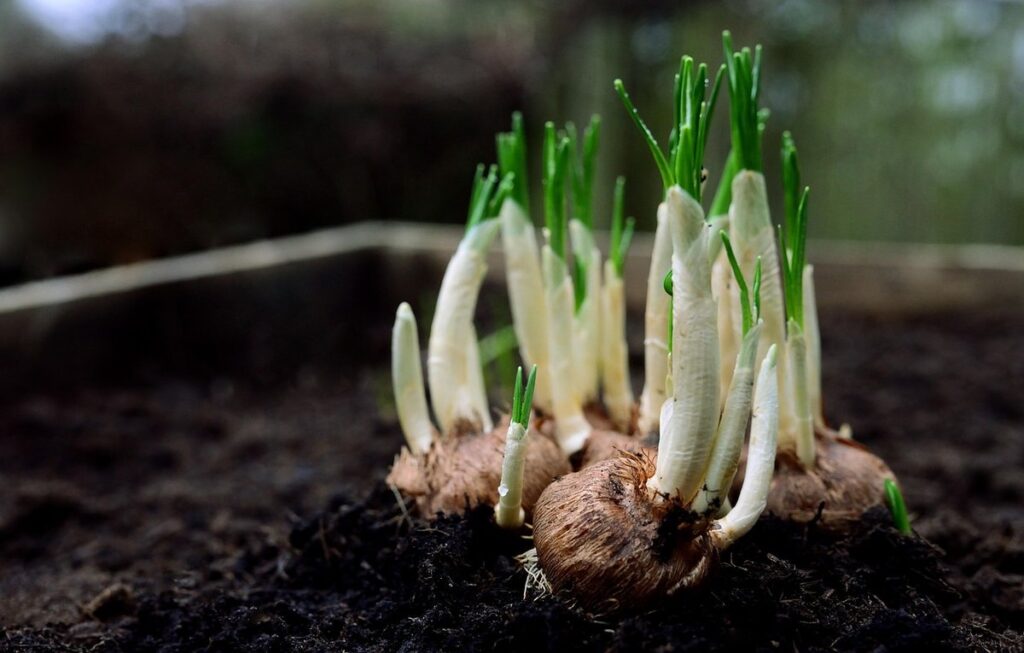
Choosing the Right Onion Scraps
To grow green onions from scraps, you’ll first need to choose the right ones – not all onion scraps are created equal! Here’s what to look for.
Selecting Fresh and Healthy Scraps
When selecting green onion scraps for growing, it’s essential to choose fresh and healthy material to increase your chances of success. Look for scraps with firm, white bases that are free from signs of mold or rot. Avoid using scraps with soft, mushy bases, as they will not regrow well.
Check the condition of the leaves too – they should be crisp and green, without any brown or wilted areas. If you’re collecting your own onion scraps, take them from the freshest onions in your pantry or fridge. Ideally, use scraps within a day or two of chopping the onion for best results.
When purchasing onion scraps at the store, choose those with intact roots attached. This will help the scrap establish itself more easily when planted. Remember, even if you’ve chosen healthy-looking scraps, it’s still possible that they may not grow well due to factors like temperature, light, or water conditions. However, by starting with high-quality material, you’ll give your green onions the best chance of thriving and regrowing successfully.
Preparing the Scraps for Planting
Trimming and preparing your onion scraps for planting is an essential step that ensures healthy growth and prevents contamination. Begin by selecting the best scraps from your onion bulb, looking for those with at least one inch of green shoots and a small amount of white base. Remove any wilted or damaged leaves to prevent mold from spreading.
Gently trim the green shoots to about half their length, using scissors or pinch them off just above a node (where a leaf meets the stem). This will encourage new growth and prevent the plant from focusing its energy on producing flowers.
Next, clean the scraps by gently swishing them in cool water to remove any dirt or debris. Rinse thoroughly under running water, then pat dry with a paper towel to prevent bacterial growth. Finally, disinfect your scissors and hands before handling the scraps to prevent cross-contamination. By following these steps, you’ll be ready to move on to the next stage of growing green onions from scraps: planting them in a suitable location.
Planting Methods: Water vs. Soil
When it comes to planting your green onion scraps, you’ll need to decide between water and soil as a medium for growth, each having its own advantages. Let’s explore both options in more detail.
Water Method: Growing Green Onions in a Glass
Growing green onions in water is an easy and efficient way to get a continuous harvest from your scraps. To set up this method, fill a glass with fresh water, making sure the container has enough room for the onion roots to grow without becoming waterlogged. Next, place the white base of the green onion into the water, making sure it’s fully submerged. Within 24-48 hours, you should see signs of new growth.
Keep the water topped up and change it every few days to prevent bacterial growth. Ensure the glass is placed in a spot with indirect sunlight, as direct sunlight can cause the water to become too warm and promote algae growth. This method allows you to harvest your green onions at various stages, from the sprout to the mature onion. Simply trim off what you need, leaving about an inch of stem intact to continue growing.
As the days pass, you may notice that your green onions start to develop roots in the water. This is a normal process and a sign that they’re thriving.
Soil Method: How to Plant Green Onion Scraps in Pots
To plant green onion scraps in pots using the soil method, you’ll need to start by preparing the containers. Choose a pot that’s at least 6-8 inches deep and has drainage holes to prevent waterlogged soil. Fill the container with a well-draining potting mix, leaving about an inch at the top for watering.
Next, take your green onion scrap and trim it to about 1-2 inches from the base of the white part. Place the trimmed end in the soil, making sure that at least one growth node (the area where the leaf meets the stem) is buried below the surface. Firm the soil gently around the scrap to secure it in place.
As you plant, keep in mind that green onions grow quite fast and may need to be harvested regularly to prevent them from flowering. Water the soil thoroughly after planting and keep the soil consistently moist but not waterlogged. With proper care, your green onion scraps should begin to sprout within a few days to a week.
Caring for Your Growing Green Onions
Now that you’ve successfully grown your green onions from scraps, it’s time to learn how to care for them and keep them thriving in their new home. With proper attention, they’ll continue to grow strong and healthy.
Providing Adequate Lighting and Temperature Control
To grow green onions successfully from scraps, it’s essential to provide them with adequate lighting and temperature control. Green onions are a cool-season crop that thrives in temperatures between 60°F to 70°F (15°C to 21°C). Temperatures above 75°F (24°C) can lead to bolting, causing the plant to focus its energy on producing flowers instead of new growth.
Ideally, green onions prefer bright, indirect light but can tolerate low-light conditions. A south-facing window or a grow light is an excellent choice for providing sufficient illumination. However, be cautious not to expose your green onions to direct sunlight, which can cause scorching.
Maintain a consistent temperature between 60°F to 70°F (15°C to 21°C) during the day and slightly cooler at night. Avoid placing your green onions near heating or cooling vents, fireplaces, or drafty windows, as this can cause stress to the plant.
Monitor your green onions’ response to their environment and adjust the temperature and lighting accordingly. With proper care, your green onion scraps should start growing new leaves within a week or two.
Watering and Fertilization Techniques
Watering and fertilizing are crucial aspects of growing green onions from scraps. Over-watering is a common mistake that can lead to weak and leggy growth, while under-watering may cause the onions to bolt prematurely. To avoid these issues, check the soil daily by inserting your finger into it up to the first knuckle. If the soil feels dry, it’s time to water.
Water your green onion scraps when the top 1-2 inches of soil feel dry to the touch. Aim for a consistent moisture level, like a damp sponge. Avoid getting water on the leaves or crown to prevent fungal diseases. Fertilization is also essential for healthy growth. Use a balanced fertilizer (diluted to half the recommended strength) once a week. You can also add compost tea as a natural and nutrient-rich alternative.
Signs of over-watering include yellowing leaves, soft stems, and a strong unpleasant odor. On the other hand, under-watered onions may exhibit wilted leaves and a dry brown color on the crown. Adjust your watering schedule accordingly to prevent these problems and enjoy healthy, delicious green onion harvests.
Tips for Encouraging Healthy Growth
To ensure those green onion scraps thrive, pay close attention to their environment and make a few simple adjustments to promote healthy growth.
How to Reduce Waste and Encourage Thicker Stems
When growing green onions from scraps, it’s easy to end up with excess waste. However, by implementing a few simple techniques, you can significantly reduce waste and encourage thicker stems on your plants.
To start, use a paper towel or cloth to gently pat dry the onion scraps before planting them in soil. This helps remove excess moisture that can lead to rot and waste. You can also trim the bottom inch of each scrap to help prevent mold from developing and promote healthy root growth.
Another key strategy for reducing waste is to plant multiple onions close together, about 1-2 inches apart. As they grow, you can harvest individual onions at different times, allowing the remaining stems to continue growing thicker and stronger. This process not only reduces waste but also provides a continuous supply of fresh green onions throughout the growing season.
Regularly trimming off the top growth can also help encourage thicker stems on your plants. By removing the oldest leaves first, you’re forcing the plant to focus its energy on producing new growth rather than seed production.
Troubleshooting Common Issues
When growing green onions from scraps, you may encounter some common issues that can hinder their growth. One such issue is slow germination or no germination at all. This could be due to the onion scraps not being properly prepared or stored before planting.
To address this problem, make sure to choose healthy and fresh onion scraps with a decent amount of white base left intact. Cut off the green top, leaving about an inch of stem attached to the roots. Store them in a container with the root end facing down, making sure they don’t dry out.
Another common issue is fungal diseases or pests attacking your green onions. To prevent this, use a well-draining potting mix and avoid overwatering, which can lead to root rot.
You might also notice that your green onions are not growing as long or thick as you’d like. This could be due to insufficient light, so ensure they’re receiving at least 4-6 hours of direct sunlight daily.
If you do encounter any issues, don’t panic! Most problems can be resolved by adjusting the environment or care routine.
Harvesting Your Green Onions
Now that you’ve got a thriving crop of green onions, it’s time to learn how to harvest them for fresh flavor and endless use in your kitchen. We’ll walk through the simple process of cutting and caring for your mature greens.
Timing the Harvest: When to Cut Back Your Green Onions
When it’s time to harvest your green onions, you’ll know because they’re ready! One of the most crucial aspects of growing green onions from scraps is timing their harvest. If you don’t pick them at the right moment, they can become too strong and even develop a bitter taste.
To determine if your green onions are ready, look for signs like white bases that have grown 2-3 inches tall, with firm stalks. The leaves should be bright green and about 6-8 inches long. Another way to check is by gently tugging on the tops of the plants; if they come off easily, it’s time to harvest.
The optimal time for harvesting green onions is usually between 7 to 10 days after you started them in water or soil. However, this can vary depending on factors like temperature, light exposure, and watering frequency. Keep an eye on your plants’ growth and adjust their environment accordingly to ensure they’re at their best flavor and texture.
When cutting back your green onions, make sure to leave about 1 inch of the white base intact in the soil or water. This will allow the plant to continue growing new shoots for you to harvest again.
How to Store and Preserve Your Harvested Green Onions
Once you’ve harvested your green onions, it’s essential to store and preserve them properly to maintain their freshness. You can use various methods to keep them fresh for a longer period.
To store them, trim the onion tops about an inch above the white base, leaving the roots intact. Place the trimmed onions in a container or bag with some moisture, like a damp paper towel. Store them in the refrigerator at 40°F (4°C) or below. This will help slow down the spoilage process and keep them fresh for up to two weeks.
For longer-term preservation, you can use ice trays or freezer-safe containers to store green onion tops. Simply chop the onions, pack them tightly into the trays or containers, and place them in the freezer. Frozen green onions are perfect for soups, stews, and other dishes where you need a burst of onion flavor.
When storing, it’s crucial to keep the onions away from strong-smelling foods as they can absorb odors easily. You can also use airtight containers or bags with silica gel packets to maintain humidity levels and prevent moisture buildup.
Conclusion: Getting Started with Growing Green Onions from Scraps
Now that you’ve learned how to grow green onions from scraps, let’s get started on your very own onion-growing journey right away!
Recap of Key Takeaways
To grow green onions from scraps successfully, remember to start with fresh, healthy scraps and trim them to about 1-2 inches. Make sure the cut ends are dry before planting, and plant them in a container filled with water or soil with good drainage. Use a clear glass or plastic container to keep an eye on root development.
Keep your green onions in a bright, indirectly lit spot, avoiding direct sunlight which can cause the leaves to become leggy. Monitor their growth closely, watering as needed, but avoid overwatering which can lead to rotting roots.
Be patient and don’t expect immediate results – it may take 7-10 days for roots to develop and another week or two for the green onions to be ready to harvest. Once mature, trim off individual leaves as you need them, leaving about an inch of stem attached to promote continued growth.
By following these simple steps, you can enjoy a continuous supply of fresh, homegrown green onions from scraps in your own kitchen.
Encouragement to Share Experiences and Ask Questions
We hope you’ve found our step-by-step guide to growing green onions from scraps helpful and informative. We want to encourage you to share your experiences with us! Have you successfully grown green onions from scraps? What worked well for you, and what didn’t quite go as planned?
If you’re just starting out or need a bit more guidance, please don’t hesitate to ask questions. Our community is here to help and support each other in our gardening journey.
For further guidance on growing green onions from scraps, check out the following resources:
* Our beginner’s guide to indoor gardening for more tips on growing microgreens
* Online forums like Reddit’s r/gardening or Gardening Know How for advice from experienced gardeners
* Local nurseries or gardening stores for expert advice and workshops
We’d love to hear about your successes (and failures!) with growing green onions from scraps. Share your stories, ask questions, and let’s grow together!
Frequently Asked Questions
How often should I water my growing green onions?
Water your green onion scraps when the top inch of soil feels dry to the touch. This is usually every 2-3 days, but adjust based on temperature and humidity. Remember that overwatering can lead to rot, so keep an eye out for signs like soft bases or mold.
Can I grow green onions from any type of onion scrap?
While we recommend using fresh, healthy green onion scraps for the best results, you can experiment with other types of onion scraps. However, be aware that some varieties may not regrow as well as others. Keep an eye out for signs of success or failure to refine your growing technique.
How long does it take for green onions to grow from scrap?
In ideal conditions, green onions can regrow in as little as 1-2 weeks after planting. However, this timeframe can vary depending on factors like temperature, lighting, and watering. Be patient and give your scraps the best chance of success by providing optimal growing conditions.
Can I harvest my green onions continuously, or will they stop producing eventually?
Green onions are perennials, so with proper care, you can continue to harvest them multiple times. Simply trim back the tops after harvesting, and new growth should emerge within a few days. However, keep in mind that over-harvesting can stress the plant, leading to reduced production.
How do I prevent pests from attacking my growing green onions?
Common pests like aphids, whiteflies, or spider mites can infest your green onions. To prevent this, ensure good air circulation around your plants, and use neem oil or insecticidal soap if necessary. Regularly inspect your plants for signs of pest activity to catch the issue early on.