
Growing massive onions requires more than just throwing some seeds in the ground. It demands attention to detail, the right variety selection, and a well-planned strategy for optimal results. Whether you’re an experienced gardener or just starting out, learning how to grow large onions can be a game-changer for your cooking and culinary skills.
But what sets apart the big boys from the smaller ones? Is it the soil type, the amount of sunlight, or perhaps the care routine? In this article, we’ll break down the essential steps to help you achieve massive onion success. From choosing the right varieties to soil preparation, planting techniques, and harvesting tips, we’ve got everything covered. By the end of this comprehensive guide, you’ll be equipped with the knowledge to grow the biggest, most flavorful onions you’ve ever had – perfect for your next cooking adventure!
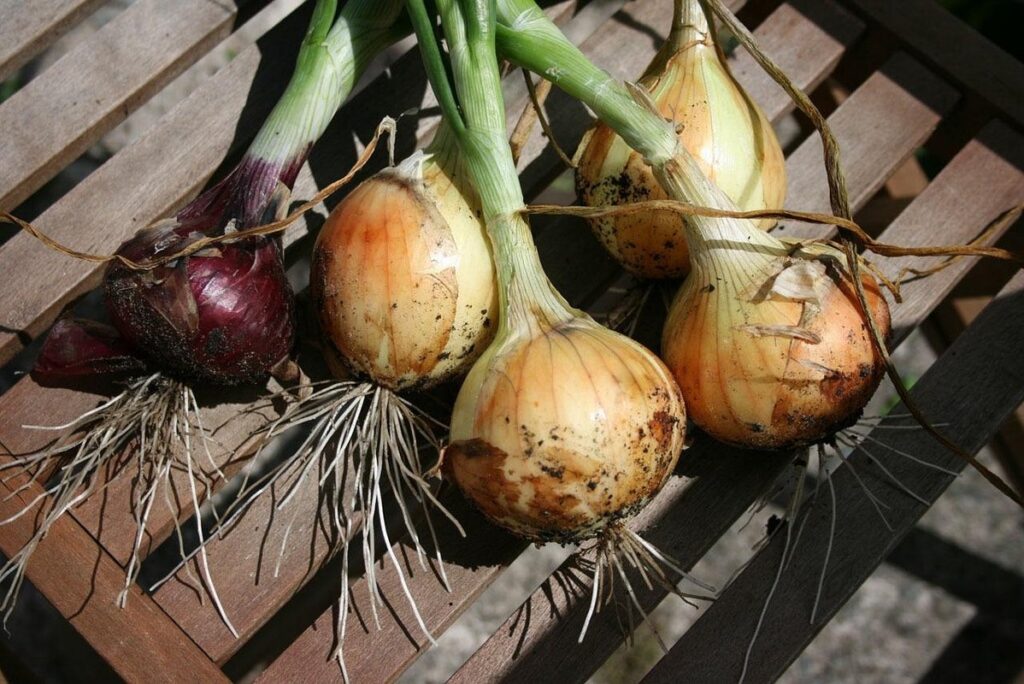
Choosing the Right Variety
To grow large onions, you’ll want to choose a variety that suits your climate and desired flavor profile. Selecting the right type of onion will set your crop up for success from the start.
Understanding Onion Types
When it comes to growing large onions, understanding the different types is crucial. There are several varieties of onions, each with its own unique characteristics and uses. For example, bulb onions (such as yellow or white onions) are the most common type used for cooking and are ideal for storing whole or in layers.
Scallions (also known as spring onions), on the other hand, have a milder flavor and are harvested before the bulb forms. They’re great for using in salads, soups, or as a garnish. Shallots, another popular variety, have a sweeter, nuttier flavor than regular onions and are often used in sauces and dressings.
If you’re looking to grow large onions, bulb onions are usually the best choice. However, if you want to harvest your onions earlier in the season, scallions might be a better option. Consider what type of onion will work best for your climate, space, and cooking needs. For instance, shallots require more maintenance and care than other varieties.
When choosing an onion variety, look for one that is specifically bred for storage or keeping large bulbs. These varieties tend to produce bigger, heavier onions with a better chance of storing successfully over the winter months.
Selecting a Heirloom or Hybrid
When it comes to selecting an onion variety for growing large onions, you’re likely to come across two main types: heirloom and hybrid. While both have their own unique characteristics, they cater to different needs and preferences.
Heirloom varieties are known for their rich, complex flavor profiles and often retain the shape of the parent plant. They tend to be more disease-prone but offer a wider range of colors and textures. If you’re looking to grow onions with a specific flavor profile or are interested in preserving heirloom traits, these might be the way to go.
On the other hand, hybrid varieties have been bred for their disease resistance and high yields. They often lack the complex flavors of heirloom onions but make up for it with improved shelf life and ease of cultivation. If you’re a commercial grower or prioritize ease of care, hybrids may be more suitable for your needs.
Ultimately, choose an onion variety that fits your growing conditions, preferences, and goals. Some popular hybrid varieties for large onion growth include ‘Texas Grano’ and ‘Vidalia’, while heirloom enthusiasts might prefer ‘Beltsville Bunching’ or ‘Walla Walla Sweet’. Consider factors such as flavor, texture, disease resistance, and ease of care when making your decision.
Preparing the Soil
Before we start planting, let’s talk about preparing the soil for our onion crop. This is crucial to give your onions a strong start and ensure they grow big and healthy.
Testing and Amending the Soil
Testing your soil is one of the most crucial steps to ensure you’re creating an optimal environment for your onions. pH levels play a significant role in onion growth, and ideally, they prefer a slightly acidic to neutral soil pH between 6.0 and 7.0. However, if your soil test reveals high or low pH levels, don’t worry – it’s easily amendable.
To adjust the pH level, you can add lime to raise it or sulfur to lower it. For example, if your onion bed has a pH of 5.5, adding 2-3 pounds of lime per 100 square feet will bring it closer to the desired range. On the other hand, if your soil is too alkaline, adding elemental sulfur will help reduce its pH.
Nutrient deficiencies can also stunt onion growth, so it’s essential to test for key micronutrients like nitrogen, phosphorus, and potassium. You might find that your soil lacks these vital elements or has an imbalance of them. To rectify this, incorporate organic matter like compost, manure, or green sand into the soil.
Composting and Mulching
When preparing the soil for large onion growth, incorporating composting and mulching techniques can significantly impact the quality of your harvest. Composting helps to improve soil structure by adding organic matter, which allows for better drainage and aeration. This is especially beneficial for onions, as they require consistent moisture levels throughout their growing cycle.
Mulching also plays a crucial role in retaining soil moisture, reducing weed growth, and regulating soil temperature. By applying a 2-3 inch layer of mulch around the base of your onion plants, you can maintain a stable environment that encourages healthy root development. A combination of compost and mulch can lead to increased yields and improved overall plant vigor.
To implement this in your own garden, start by adding a 1-inch layer of compost to the top 6-8 inches of soil before planting your onions. Follow up with regular applications of compost tea or well-balanced fertilizer for optimal results.
Planting Onions from Seed or Sets
When it comes to growing large onions, deciding whether to start with seeds or sets is a crucial step. Let’s dive into the details of planting onions from both seed and set options.
Sowing Seeds Indoors
To start growing large onions from seed, you’ll want to sow them indoors 8-10 weeks before the last frost date. This may seem early, but trust us, it’s essential for developing healthy roots and a strong bulb. When selecting onion seeds, choose a variety that’s known for its large size, such as ‘Vidalia’ or ‘Texas Grano’. These varieties are bred specifically for their ability to grow larger bulbs.
To sow the seeds indoors, fill small pots or seed trays with a good quality potting mix. Plant the seeds 1-2 inches deep and 1 inch apart, pressing the soil gently over them. Keep the soil consistently moist but not waterlogged, as this can lead to rot. Provide bright, indirect light for the seedlings, which should emerge within 7-10 days.
Once the seedlings have 2-3 sets of leaves, you can begin to harden them off by gradually exposing them to outdoor conditions over the course of 7-10 days. This will help prevent shock when they’re transplanted outside.
Transplanting Sets
When transplanting onion sets into your garden bed, timing is crucial. Typically, you’ll want to do this 4-6 weeks before the last frost date for your area. This allows the onions to get established and develop a strong root system before the heat of summer sets in.
To start, space the sets 1-2 inches apart in rows that are about 12-18 inches wide. This will give them enough room to grow without becoming overcrowded. Gently dig around each set with your fingers or a small tool, being careful not to damage any of the delicate roots.
Water the soil well after transplanting and keep it consistently moist during the first few weeks. You can also apply a balanced fertilizer at this time to give the onions an extra boost. Keep in mind that onion sets are more cold-hardy than seedlings, so they can handle a light frost if necessary. However, avoid exposing them to prolonged periods of freezing temperatures. With proper care and attention, your transplanted onion sets should begin producing large, healthy bulbs within 90-120 days.
Providing Optimal Growing Conditions
To grow large onions, you need to create an environment that fosters healthy development, which starts by providing optimal growing conditions. This includes factors like soil quality and sunlight exposure.
Watering and Irrigation
When it comes to growing large onions, maintaining consistent moisture levels is crucial. Onions need about 1 inch of water per week, either from rainfall or irrigation. However, overwatering can lead to rot and other problems, so it’s essential to strike the right balance.
To achieve this balance, focus on creating a drip irrigation system that delivers water directly to the roots of the onion plants. This not only saves water but also reduces evaporation and runoff. You can also use soaker hoses or a sprinkler system, making sure to keep the area around the onions clear to prevent moisture from collecting in the leaves.
Another key aspect is drought management. Onions are relatively drought-tolerant, but prolonged dry spells can still cause damage. To combat this, ensure that your onion bed has good drainage and is slightly elevated to reduce waterlogging. Mulching around the plants also helps retain soil moisture and suppress weeds, making it easier for onions to absorb the water they need.
Fertilization and Pruning
To grow large onions, it’s essential to provide them with the right nutrients at the right time. Regular fertilization is crucial for onion growth, as it helps promote healthy bulb development and encourages the plant to produce more foliage. You can start by applying a balanced fertilizer (10-10-10 NPK) when your onion plants are around 6-8 inches tall. Follow this up with a side-dressing of high-phosphorus fertilizer (15-30-15 NPK) once the bulbs have formed.
Pruning is another critical aspect of growing large onions. It helps control the plant’s energy and encourages it to focus on bulb growth rather than foliage production. Remove any weak or spindly shoots, as well as any seed stalks that form towards the end of the season. This will also help prevent your onion bulbs from becoming misshapen.
It’s worth noting that you should prune and fertilize your onions at different stages of their development to avoid shocking the plant. Prune when the plants are around 12 inches tall, and fertilize again when the bulbs have formed. Keep in mind that over-fertilization can lead to soft-necked onions with a higher risk of rotting.
Managing Pests and Diseases
When it comes to growing large onions, pests and diseases can be major hurdles to overcome. In this critical area of onion cultivation, we’ll cover strategies for protecting your crop from common threats.
Common Onion Pests
Onion pests can be a significant threat to your crop, affecting their size, quality, and yield. As you strive to grow large onions, it’s essential to recognize common pests that can harm your plants.
Aphids are one of the most notorious onion pests. These tiny insects feed on plant sap, weakening the plant and causing curled or distorted leaves. To control aphid populations, use neem oil or insecticidal soap to coat the leaves. You can also introduce beneficial wasps or ladybugs, which prey on aphids.
Slugs are another destructive pest that feeds on onion plants at night. To deter slugs, create a barrier around your plants using crushed eggshells or copper tape. Hand-picking and removing slugs is also an effective control method.
Thrips, whiteflies, and spider mites can also infest onions. These pests thrive in warm temperatures and dry conditions, making it crucial to maintain optimal humidity levels and provide sufficient water for your plants. Regularly inspect your plants for signs of these pests and take action promptly if you notice any damage.
By being aware of common onion pests and using organic control methods, you can protect your crop and ensure a successful harvest of large onions.
Fungal and Bacterial Diseases
As you work towards growing large onions, it’s essential to be aware of the common fungal and bacterial diseases that can affect them. Fungal diseases such as downy mildew, powdery mildew, and neck rot are caused by fungi like Peronospora destructor, Oidium cepae, and Botrytis allii respectively. These diseases often manifest with white or grayish patches on the leaves, stems, or bulb.
On the other hand, bacterial diseases such as bacterial soft rot and pink rot are typically caused by bacteria like Pectobacterium carotovorum and Erwinia carotovora. Bacterial soft rot often appears as a soft, watery, and brownish discoloration of the onion tissue, while pink rot causes red or pink patches on the bulb.
To prevent fungal and bacterial diseases from affecting your onions, maintain good air circulation around your plants by keeping them at least 6-8 inches apart. Ensure that your growing area is well-drained to avoid waterlogged soil conditions. Regularly inspect your onion crop for any signs of disease and remove infected plants to prevent the spread.
Harvesting and Storage
Now that your onions are mature, it’s time to learn how to harvest them properly and store them for long-term use, ensuring they stay fresh for months to come.
Identifying Maturity
Identifying maturity in onions is crucial to ensure you harvest them at the right time. A key visual cue is the color change of the tops. As onions mature, their green tops will begin to yellow and eventually turn brown. This signal indicates that the bulb beneath has reached full maturity.
Another way to check for readiness is by gently digging around the base of the plant with a fork. If the bulbs are large enough and dry enough, they should come out easily without any resistance. Be careful not to damage the neck or shoulders of the onion when doing so.
Regularly inspect your onions by lifting up the mulch or soil surrounding them. You can also use mechanical checks like measuring the diameter of the bulbs using a ruler or caliper. Aim for bulbs that are at least 3-4 inches in diameter, as they will be ready to harvest.
Keep in mind that over-maturity can lead to small, dry, and papery onions, while under-maturity may result in smaller than expected harvests.
Storing Large Onions
Proper storage is crucial to maintaining the size and quality of your harvested onions. To ensure they stay fresh for an extended period, follow these steps. First, allow the onions to cure in a warm, dry location with good air circulation. This process typically takes 2-3 weeks, depending on the variety.
During curing, avoid exposing the onions to direct sunlight, as this can cause them to sprout or develop off-flavors. You can speed up the drying process by reducing humidity levels or using fans to increase airflow.
Once cured, store the onions in a cool, dark place with high ventilation. A mesh bag or paper sack is ideal for storing large onions, allowing for air circulation and preventing moisture buildup. If you plan to store your onions for an extended period (up to 6-8 months), consider using a root cellar or a cold storage unit with consistent temperatures between 32°F and 40°F.
For shorter-term storage (up to 2-3 months), keep the onions in a breathable container, such as a paper bag or mesh sack, at room temperature.
Troubleshooting Common Issues
Don’t let pesky problems get in the way of growing giant onions – we’ll tackle common issues like poor bulb formation and pests to ensure a bountiful harvest.
Dealing with Poor Growth
If you’re finding that your onions are not growing as well as you’d like, don’t worry – it’s a common issue many gardeners face. One of the primary reasons for poor growth is inadequate light. Onions need full sun to partial shade to produce large bulbs, so if your plants are not getting enough sunlight, it could be stunting their growth.
Another reason onions may struggle is due to poor soil conditions. If the soil is too dense or has inadequate drainage, the roots of the onion will become waterlogged and unable to absorb essential nutrients. Check that your soil pH level is between 6.0 and 7.0, as this is the ideal range for onion growth.
To address these issues, start by assessing the light conditions in your garden. Consider transplanting your onions to a spot with more direct sunlight or using grow lights to supplement natural light. Also, inspect your soil to ensure it’s not too dense or waterlogged. If necessary, add organic matter like compost to improve drainage and fertility.
In addition to these physical adjustments, make sure you’re providing your onions with the right growing conditions. This includes keeping them consistently moist but not waterlogged, and avoiding over-fertilizing which can cause weak growth.
Overcoming Pests or Diseases
Onions can be susceptible to pests like aphids, thrips, and nematodes, as well as diseases such as downy mildew and bacterial leaf spot. If you notice any signs of infestation or infection, take action quickly to prevent the issue from spreading.
For emergency treatment, remove affected plants from your garden to prevent the problem from reaching other areas. Treat the remaining plants with a fungicide or insecticidal soap according to the product’s instructions. For example, neem oil can be used to control aphids and whiteflies by suffocating them. If the infestation is severe, consider using row covers to keep pests away.
To prevent long-term problems, maintain good garden hygiene by removing weeds that can harbor pests or diseases. Practice crop rotation to avoid planting onions in the same spot year after year, which can lead to soil-borne diseases. Keep your onion plants well-watered but not waterlogged, as this can attract pests and encourage fungal growth.
Regularly inspect your plants for signs of stress or damage, such as yellowing leaves or discoloration. By taking proactive measures, you can minimize the risk of pests and diseases affecting your onions and promote a healthy crop.
Frequently Asked Questions
Can I grow large onions in containers or do they require a lot of space?
You can grow large onions in containers, but make sure the container is at least 6-8 inches deep to accommodate the bulb’s growth. Use a well-draining potting mix and provide enough sunlight (at least 4 hours direct sun) for optimal results.
How long does it take to grow large onions from seed versus sets?
Onions grown from sets typically mature faster (90-120 days), while those grown from seed can take up to 150-180 days. However, seed-grown onions often produce larger bulbs.
What’s the best way to care for my onion crop during hot summer weather?
During hot summer months, ensure your onions receive adequate moisture by providing about 1 inch of water per week. Mulch around plants to retain soil moisture and suppress weeds. Be cautious not to overwater, which can lead to fungal diseases.
Can I use organic methods to control pests and diseases in my onion crop?
Yes! Organic methods like companion planting (e.g., basil repels aphids), neem oil, or diatomaceous earth can effectively manage pests and diseases without harming the environment. Experiment with different approaches to find what works best for your specific situation.
How do I store large onions to maintain their flavor and texture?
Store large onions in a cool, dry place with good ventilation. You can also hang them upside down in small bags or mesh bags to keep them fresh. Avoid storing onions near potatoes, as they release moisture that can cause onions to spoil faster.