
Growing your own food can be incredibly rewarding, but have you ever stopped to think about one of the most overlooked parts of the garden: garlic scapes? These curly green shoots that emerge from the top of your garlic bulbs are not only a nuisance if left unattended, but they’re also packed with flavor and nutrients. By learning how to grow, care for, and harvest garlic scapes, you can enjoy a bountiful crop of delicious additions to your kitchen. In this article, we’ll explore the benefits of removing scapes, ideal growing conditions, and creative recipe ideas that will inspire you to make the most of your garlic crop. Whether you’re an experienced gardener or just starting out, you won’t want to miss these tips on how to get the most out of your garlic plants.
Understanding Garlic Scapes
If you’re new to growing garlic, understanding what a scape is and how it forms can be key to successfully cultivating healthy plants. Let’s break down the basics of garlic scapes.
What Are Garlic Scapes?
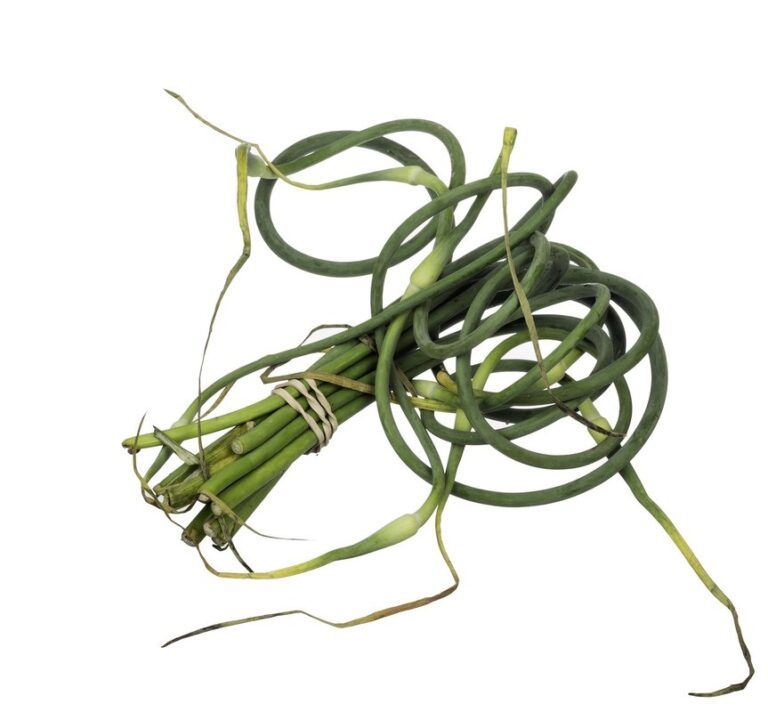
Garlic scapes are the long, thin stems that grow from the center of garlic bulbs as they mature. These tender shoots emerge from the top of the plant and can reach lengths of up to 12 inches or more. Their primary function is to direct energy towards the formation of the bulb, producing a compound called ethylene gas that encourages the cloves to multiply and swell.
As the scapes grow, they begin to produce tiny flowers, which eventually form into seed pods if left intact. However, for garlic growers, these scapes serve a more practical purpose: they’re often removed to direct energy back towards the bulb, promoting larger, healthier growth.
Removing the scapes is a common practice among gardeners, as it allows the plant to channel its resources into producing a larger, plumper bulb. By snipping off the scapes when they reach about 6-8 inches tall, you’re essentially giving your garlic plant a “haircut,” encouraging it to focus on developing the underground bulb rather than expending energy on flowering and seed production.
Importance of Removing Garlic Scapes
Removing garlic scapes is an essential step for optimal bulb growth and flavor development. When left intact, these long stems can direct energy away from forming large, flavorful bulbs underground. In fact, studies have shown that removing scapes can increase bulb yield by up to 30% in some varieties.
By removing the scape, you’re allowing the plant to focus its energy on growing a robust and flavorful bulb. This process is called “topping,” and it’s a common practice among garlic growers. It’s recommended to remove the scape when it reaches about 6-8 inches tall, usually around mid-spring.
Don’t worry; removing scapes won’t affect the harvest quality or quantity of your garlic crop. In fact, you can even use the removed scapes in cooking! They’re a delicious addition to many dishes and make for a tasty pesto ingredient.
To maximize bulb growth, be sure to remove any secondary shoots that may grow from the base of the plant after topping. This will ensure that all energy is directed towards forming a healthy, flavorful bulb. By following this simple step, you’ll be well on your way to growing delicious and robust garlic bulbs in no time!
When to Remove Garlic Scapes
When it comes to growing garlic scapes, timing is everything. Knowing when to identify and remove these delicate stems can make all the difference in maximizing their flavor, texture, and overall yield. To determine if it’s time to remove your garlic scapes, start by checking on the weather conditions outside. Garlic scapes thrive in cooler temperatures, typically between 60-75°F (15-24°C). If you live in an area with intense heatwaves or frosty nights, be sure to monitor their progress closely.
As a general rule of thumb, remove garlic scapes when they reach about 6-8 inches tall. This is usually around late spring to early summer, depending on your region and climate. Be cautious not to wait too long, as over-matured scapes can become fibrous and less palatable. Remove them by twisting and pulling gently, leaving a small piece of stem attached to the bulb. This will encourage the garlic plant to focus its energy on maturation rather than vegetative growth.
Keep in mind that some varieties, like ‘Silverskin’ or ‘Creole’, tend to produce more scapes than others. In these cases, you may need to remove them earlier to prevent overcrowding and promote healthy bulb development.
Preparing the Soil and Climate
Before we dive into growing garlic scapes, let’s start with the foundation: preparing your soil and climate for optimal growth. This is where most growers make their biggest mistakes.
Ideal Conditions for Garlic Scape Growth
To ensure healthy garlic scape growth, you need to provide your plants with ideal climate and soil conditions. Temperature plays a crucial role here, as garlic scapes thrive in cooler temperatures ranging from 65°F to 75°F (18°C to 24°C). Avoid exposing them to extreme heat or cold, which can lead to scapes becoming leggy and weak.
Sunlight is another essential factor for growth. Garlic scapes require at least six hours of direct sunlight per day but can tolerate partial shade. However, if you’re growing in a region with intense sunlight, ensure your plants have some protection from the midday sun to prevent burning.
Water requirements are also crucial. The soil should be consistently moist during the active growing phase, but avoid overwatering. Check the soil daily and water only when it feels dry to the touch. Aim for about 1 inch of water per week, either from rainfall or irrigation. A well-draining mix will also help prevent waterlogged soil.
To achieve optimal growth, ensure your garlic scapes receive a balanced diet of nutrients through regular fertilization.
Creating a Favourable Environment
When growing garlic scapes, it’s essential to create a favourable environment that promotes healthy growth and encourages the plant to produce an abundance of tasty shoots. One key aspect of this is preparing the soil to support the scapes’ development.
To begin with, add compost to your soil to enrich its nutrient content. Garlic scapes require well-draining, fertile soil with a pH between 6.0 and 7.0. Mix in about 2-3 inches of compost into the top 6-8 inches of soil before planting. This will not only provide essential nutrients but also help improve the soil‘s structure.
Mulching is another crucial step to create a conducive environment for garlic scapes. A layer of mulch around the plants helps retain moisture, suppress weeds, and regulate soil temperature. Use organic materials like straw or wood chips, keeping them about 2-3 inches thick.
Crop rotation also plays a significant role in maintaining soil health and preventing pests and diseases that can harm your garlic scapes. Rotate your garlic beds every year to avoid depleting the soil’s nutrients and reduce the risk of disease buildup. This will help ensure a strong foundation for your garlic scape crop, allowing it to grow robustly and thrive throughout its season.
Training and Supporting Garlic Scapes
Now that you’ve harvested your garlic scapes, it’s time to think about how to keep them healthy and thriving as they grow back. This section covers essential training and supporting tips for a bountiful harvest next season.
Providing Support for Overgrown Scapes
As your garlic scapes grow and mature, you may find that some stems become overgrown and begin to flop. This is a normal part of the growth process, but it can make the plants look unkempt and take up more space in the garden. To keep your garlic scapes looking their best and promote healthy growth, it’s essential to provide support for overgrown stems.
One effective way to train overgrown garlic scapes is by staking them. You can use bamboo stakes or tomato cages to provide structural support and keep the stems upright. Simply tie the stem to the stake using twine or a soft material like cloth. Be sure not to tie it too tightly, as this can damage the plant.
Pruning is another crucial technique for supporting overgrown garlic scapes. Remove any weak or spindly growth from the base of the plant, and trim back long stems by about one-third to encourage bushy growth. By pruning regularly, you’ll direct the energy of the plant towards producing more flavorful bulbs and a higher yield. Regular pruning will also help prevent pests and diseases from taking hold.
Keep in mind that garlic scapes are relatively easy to train and support compared to other crops. With a little patience and practice, you can enjoy a bountiful harvest of delicious garlic scapes and bulbs.
Encouraging Healthy Growth
To encourage healthy growth in garlic scapes, it’s essential to provide them with the right conditions. Start by watering them regularly, but make sure not to overwater. Garlic scapes need about 1-2 inches of water per week, either from rainfall or irrigation. A drip irrigation system is ideal for this purpose, as it delivers water directly to the roots.
In terms of nutrients, garlic scapes require a balanced diet of nitrogen, phosphorus, and potassium (NPK). You can use a fertilizer specifically formulated for bulbous plants like garlic. Follow the instructions on the label and fertilize your garlic scapes once a month during their growth phase.
Light is another crucial factor in promoting healthy growth. Garlic scapes need full sun to partial shade, depending on your climate. In warmer regions, provide some afternoon shade to prevent scorching. Also, ensure good air circulation around the plants to prevent fungal diseases that thrive in humid environments. By providing these basic necessities, you’ll be well on your way to growing robust and healthy garlic scapes.
Pest and Disease Management
Growing garlic scapes can be challenging, especially when pests and diseases strike. In this section, we’ll cover ways to identify common problems and prevent them from ruining your harvest.
Common Pests Affecting Garlic Scapes
As you tend to your garlic scape crop, it’s essential to keep an eye out for common pests that can damage the delicate flowers and leaves. Aphids are one of the most prevalent issues affecting garlic scapes, often appearing as small, soft-bodied insects on the stem or underside of leaves. These pests feed on sap, causing curled or distorted growth, and can even spread plant viruses.
Spider mites are another problem you might encounter, particularly in dry or hot weather conditions. These tiny arachnids spin fine webs on the undersides of leaves and suck out plant fluids, leading to yellowing or bronzing foliage.
To control aphid and spider mite infestations, use neem oil sprays or insecticidal soap to gently wash off pests without harming beneficial insects. Encourage natural predators like ladybugs or lacewings by introducing them into your garden. Regularly inspect your plants, looking for early signs of pest activity, and take prompt action to prevent infestations from getting out of hand.
Keep in mind that integrated pest management techniques often work best – combining physical removal methods with chemical controls can help minimize harm to the environment and maintain a balanced ecosystem. By staying vigilant and acting quickly when issues arise, you’ll be better equipped to protect your garlic scapes and enjoy a bountiful harvest.
Managing Diseases in Garlic Scapes
Garlic scapes are susceptible to various diseases that can significantly impact their yield and quality. Among the most prevalent issues is powdery mildew, a fungal infection that causes white powdery patches on the leaves. To prevent this disease, ensure good air circulation around the plants by spacing them at least 6-8 inches apart. Regularly inspect your scapes for signs of infection and remove any affected areas to prevent the spread.
Another common issue is neck rot, a fungal disease that enters the plant through wounds or damage caused during harvesting. To minimize the risk of neck rot, handle garlic scapes gently when cutting them from the bulb, and avoid bruising the stems. Fungal diseases thrive in humid environments, so maintain good sanitation practices by disposing of debris and weeds around your garden.
In addition to powdery mildew and neck rot, other diseases like rust, downy mildew, and root rot can also affect garlic scapes. To manage these issues effectively, adopt a holistic approach that combines preventative measures with targeted treatments when necessary. Regular monitoring, crop rotation, and integrated pest management techniques will help minimize the risk of disease outbreaks in your garlic scape garden.
Harvesting and Cooking with Garlic Scapes
Now that you’ve successfully grown your garlic scapes, let’s talk about how to harvest them for use in cooking and explore some delicious recipe ideas.
When to Harvest Garlic Scapes
When to harvest garlic scapes is a crucial decision that can make all the difference in their flavor and texture. The timing of harvesting depends on several factors, including the plant’s maturity level and weather conditions. A general rule of thumb is to wait until the scapes are around 6-8 inches long and still flexible.
In most regions, garlic scapes are ready to harvest around late spring to early summer, about 3-4 weeks after the bulbs have emerged from the soil. However, this timeframe can vary depending on your location and climate. Be sure to check on your plants regularly during this period to catch them at the optimal stage.
A good way to determine if your scapes are ready is to gently twist or cut one off near the base of the stem. If it snaps cleanly and leaves a small piece of stem, it’s likely time to harvest. Harvesting garlic scapes too early can result in a less flavorful crop, while waiting too long may cause them to become woody and tough.
Keep an eye on weather conditions as well – avoid harvesting during periods of intense heat or drought, which can cause the scapes to become bitter. Instead, aim for cooler temperatures and higher humidity for optimal flavor and texture.
Using Garlic Scapes in Recipes
Garlic scapes are a versatile ingredient that can add depth and flavor to a variety of dishes. One way to use them is by making garlic scape pesto. Simply combine chopped scapes with olive oil, parmesan cheese, lemon juice, and garlic cloves in a food processor. This makes for a delicious sauce to toss with pasta or as a dip for vegetables.
Garlic scapes can also be added to soups for extra flavor. Try adding them to a pot of vegetable soup or minestrone along with other aromatics like onions and carrots. You can also use them in place of traditional garlic in many recipes, such as stir-fries and sautéed greens.
Some other creative ways to use garlic scapes include making garlic scape butter by mixing softened butter with minced scapes and lemon zest, or adding them to marinades for grilled meats or vegetables. By incorporating garlic scapes into your cooking repertoire, you can add a new level of flavor and interest to your meals. With their mild, slightly sweet taste, the possibilities are endless.
Frequently Asked Questions
What should I do with garlic scapes if I’m not planning to use them in cooking?
You can still utilize garlic scapes for their health benefits even if you’re not a fan of using them in recipes. Garlic scapes are rich in antioxidants and have been shown to have antibacterial properties, which can help promote immune function and reduce inflammation. Consider adding them to your compost pile or using them as natural pest repellents around your garden.
Can I grow garlic scapes indoors?
Yes, you can grow garlic scapes indoors under the right conditions. Choose a container with good drainage and provide bright indirect light. Keep the soil consistently moist but not waterlogged, and maintain temperatures between 65-75°F (18-24°C). This will help your garlic plants thrive and produce healthy scapes.
How do I prevent pests from affecting my garlic scapes?
Regularly inspect your garlic plants for signs of pests, such as aphids, spider mites, or nematodes. Use neem oil or insecticidal soap to control infestations, and maintain a balanced ecosystem by encouraging beneficial insects like bees and butterflies.
Can I save garlic seeds from the scapes for future planting?
No, it’s not recommended to save garlic seeds from the scapes. Garlic is typically propagated through cloves, which are more reliable and produce consistent results. Saving seeds can lead to variations in plant quality and flavor. Instead, focus on saving healthy cloves from your harvested bulbs.
What’s the ideal time frame for harvesting garlic scapes?
The ideal time to harvest garlic scapes depends on their size and stage of growth. Typically, you’ll want to harvest them when they reach 6-8 inches in length, usually around 2-4 weeks after the green shoots appear. This will help direct energy back into the bulb and promote healthy growth.