
Growing your own garlic can be a delight for any gardener, but it often comes with a challenge: finding the right space. If you’re like many urban gardeners, you might not have a sprawling backyard to devote to cultivating this tasty crop. But don’t worry – we’ve got you covered! With just a container and some basic know-how, you can successfully grow garlic indoors or on your patio.
In our comprehensive guide, we’ll walk you through the essential steps of growing garlic in containers. From selecting the perfect pot size to mixing the ideal soil blend, we’ll cover everything you need to get started. You’ll learn how to plant, care for, and harvest your garlic crop, ensuring a bountiful yield all season long. Whether you’re a seasoned gardener or just starting out, this article will give you the confidence and skills to grow garlic in containers with ease.
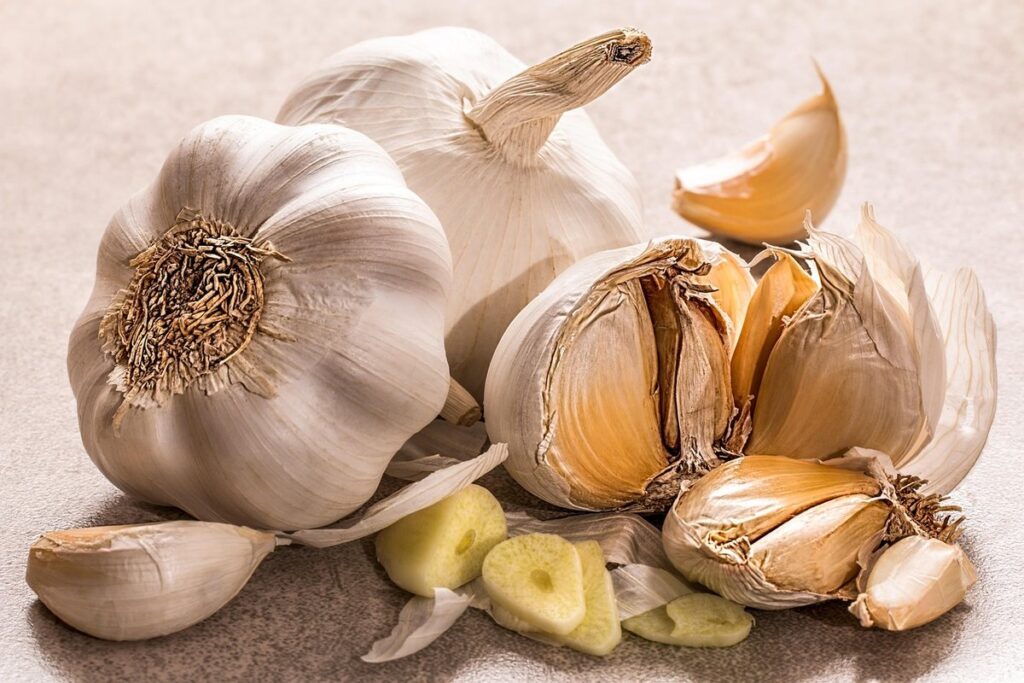
Choosing the Right Container and Soil
When it comes to growing garlic in containers, selecting the right pot and soil is crucial for a healthy crop. Let’s dive into choosing the perfect container and soil blend for your garlic needs.
Selecting the Perfect Pot Size
When it comes to growing garlic in containers, selecting the perfect pot size is crucial for optimal growth and development. A container that’s too small can lead to overcrowding, which can cause roots to become tangled and limit air circulation, ultimately affecting yields.
On the other hand, a container that’s too large may require more soil than necessary, making it difficult to maintain adequate drainage. As garlic bulbs are relatively small, they don’t require a lot of space. A pot size between 6-8 inches deep is ideal for a single head of garlic. This allows for sufficient root development and makes it easier to harvest.
Consider the growth habits of the specific garlic variety you’re growing, as some may require more space than others. Also, keep in mind that garlic needs well-draining soil to prevent waterlogged conditions. A pot with good drainage holes will help prevent this issue.
In terms of material, choose a container made from breathable materials like terracotta or ceramic to promote healthy root growth and prevent overwatering.
Preparing the Soil Mix
When preparing the soil mix for container-grown garlic, it’s essential to create a well-balanced blend that meets the specific needs of this versatile bulb. A good starting point is to choose a potting mix with a slightly acidic pH range between 6.0 and 7.0, as garlic prefers slightly acidic conditions.
The ideal soil mix for container-grown garlic should have adequate nutrient content, but not so much that it becomes waterlogged or prone to fungal diseases. Aim for a mix containing 10-20% organic matter, which will help retain moisture, suppress weeds, and regulate soil temperature. Look for potting mixes with ingredients like compost, peat moss, or coconut coir.
Some additional characteristics to consider when selecting a soil mix include good drainage and air circulation. Avoid using regular garden soil as it can compact in containers, preventing garlic from growing properly. Also, steer clear of mixes containing high amounts of perlite or vermiculite, which can cause over-drying and hinder bulb development. By carefully crafting your soil mix, you’ll be providing the perfect foundation for healthy, thriving container-grown garlic.
Acquiring Healthy Garlic Bulbs
When it comes to growing healthy garlic, acquiring high-quality bulbs is essential. This section will walk you through the process of selecting and obtaining robust garlic bulbs for your container garden.
Selecting from Seed Garlic or Individual Cloves
When it comes to acquiring healthy garlic bulbs for container gardening, one of the most important decisions you’ll make is whether to start with seed garlic or individual cloves. Both options have their pros and cons, which are essential to consider before making a decision.
Starting with seed garlic offers several advantages. For instance, seed garlic typically has fewer diseases than individual cloves, as it’s been specifically selected for its resistance to common pests and diseases. Additionally, seed garlic often exhibits greater genetic diversity, allowing you to experiment with various flavor profiles and growth habits. This can be particularly beneficial if you’re looking to develop your own unique garlic strain.
On the other hand, using individual cloves has its advantages as well. They’re generally easier to source than seed garlic, and they’ll produce bulbs that are more uniform in size and shape. However, individual cloves may not offer the same level of disease resistance or genetic diversity as seed garlic. When selecting between these two options, consider your specific growing conditions, climate, and goals for your container garden.
Storing Garlic for Optimal Health
Proper storage of garlic bulbs is crucial to maintaining their health and potency before planting. When acquiring healthy garlic bulbs for container gardening, it’s essential to store them correctly to prevent spoilage and disease.
Store the garlic bulbs in a cool, dry place with good air circulation. A temperature range between 35°F to 45°F (2°C to 7°C) is ideal. Avoid storing them near heat sources or in humid areas like basements or attics. Excessive moisture can cause fungal diseases such as white rot and blue mold.
Maintain a relative humidity level of around 50-60%. You can also store garlic bulbs in paper bags or breathable containers to regulate moisture levels. Check the bulbs regularly for signs of decay, mold, or sprouting.
To prevent disease, inspect the bulbs before storing them. Remove any affected cloves or sections to prevent further spread. By following these storage tips, you’ll ensure your garlic bulbs remain healthy and are ready for planting when the time comes. This will give your container-grown garlic a strong start, increasing its chances of success and minimizing potential issues during growth.
Planting Garlic in Containers
When it comes to growing garlic in containers, planting is often the most crucial step. Here’s how to successfully plant garlic cloves in your container garden for optimal growth and results.
Preparing the Container and Soil Before Planting
Before you start planting garlic in your container, it’s essential to prepare the vessel and soil properly. Begin by cleaning the container thoroughly with soap and water to remove any residual debris or chemicals. Next, sterilize the container using a solution of 1 part bleach to 10 parts water. This step is crucial in preventing the spread of diseases that can harm your garlic plants.
Once the container is clean and sterile, it’s time to prepare the soil. Fill the container with a high-quality potting mix specifically designed for containers. You can also add a barrier layer at the bottom of the container to prevent root growth into the drainage holes. A physical barrier like landscape fabric or a thin layer of gravel will do the trick.
Make sure the container is at least 6-8 inches deep and has good drainage holes to prevent waterlogged soil, which can lead to rot and other issues. Finally, moisten the potting mix with water, but make sure it’s not too wet. Garlic prefers well-draining soil, so take care not to overwater at this stage.
Planting Techniques for Success
When planting garlic bulbs in containers, it’s essential to get the technique right. This will ensure healthy growth and prevent issues like rotting or bolting. To start, choose a container that is at least 6-8 inches deep, as garlic needs room to grow its roots.
Place the garlic bulb in the container with the pointed end facing upwards. The correct depth for planting garlic bulbs is about 1-2 inches below the surface of the soil. This allows the green shoots to emerge from the top and prevents the neck of the bulb from sitting above the soil, where it’s vulnerable to rot.
Space the garlic cloves 4-6 inches apart, depending on the variety. Planting them too close together can lead to overcrowding and a lower yield. The orientation of the garlic bulb is also crucial – plant them with the basal plate (the flat base) facing downwards, as this will help prevent the bulb from splitting.
Remember to firm the soil gently around the garlic bulbs after planting to secure them in place. This will ensure they receive adequate support and moisture as they begin to grow.
Caring for Container-Grown Garlic
Now that you’ve successfully grown your container-grown garlic, it’s time to learn how to care for these delicate bulbs and enjoy a bountiful harvest. Proper care will ensure they thrive in their containers.
Watering Requirements and Frequency
When it comes to watering container-grown garlic, it’s essential to strike the right balance between keeping the soil moist and preventing overwatering. Container-grown garlic requires a slightly different approach to traditional garden-grown garlic due to its contained environment.
Check the soil moisture by inserting your finger into the soil up to the first knuckle. If the soil feels dry, it’s time to water. However, if you notice any signs of moisture or the soil is already damp, wait another day before watering again. As a general rule, water container-grown garlic when the top 1-2 inches of soil feel dry.
Be mindful of humidity levels in your area, especially during hot summer months. Garlic prefers well-draining soil and can be susceptible to root rot if the soil is consistently waterlogged. Aim to water your container-grown garlic every 3-4 days during peak growing periods. During cooler winter months, reduce watering frequency to once a week.
Monitor your plants’ response to watering by observing their leaves. If they’re droopy or wilted, it may be a sign that the soil needs more moisture. Conversely, if the leaves are perky and green, you can likely wait another day before watering again.
Fertilization Strategies for Optimal Growth
When it comes to fertilizing container-grown garlic, timing is everything. Garlic requires a boost of nutrients during its active growing season, which typically begins when the cloves start sprouting in late winter to early spring. A balanced fertilizer with a ratio of 10-10-10 (nitrogen-phosphorus-potassium) should be applied at this stage.
As garlic grows, it also needs sulfur-rich fertilizers to promote healthy bulb formation. You can use alfalfa meal or kelp meal as a natural source of sulfur and micronutrients. However, be cautious not to over-fertilize, as this can lead to weak bulbs and poor flavor. A general rule is to avoid adding more than 1/4 cup of fertilizer per gallon of soil.
Some potential risks associated with over-fertilization include burning the roots or promoting weed growth. To minimize these risks, stick to a balanced fertilizer schedule and follow the recommended application rates. Keep in mind that garlic grown in containers may require additional nutrients due to the limited root zone, so monitor your plants’ response and adjust accordingly.
Common Pests and Diseases
Garlic is susceptible to certain pests and diseases when grown in containers, which can affect its quality and yield. Let’s take a closer look at common issues you might encounter.
Identifying Common Issues in Container-Grown Garlic
Container-grown garlic is susceptible to various pests and diseases that can significantly impact its yield and flavor. One of the most common issues affecting container-grown garlic is powdery mildew, a fungal disease characterized by a white, powdery coating on the leaves. This disease thrives in warm temperatures and high humidity, often occurring when garlic plants are overcrowded or watered excessively.
Another issue is aphids, tiny sap-sucking insects that can spread diseases like garlic rust. Check for aphid infestations by inspecting the undersides of leaves and stems, as well as nearby soil. To control aphids, use neem oil sprays or introduce beneficial insects like ladybugs, which feed on aphids.
Root maggots are another problem container-grown garlic growers may encounter. These larvae can cause significant damage to garlic bulbs by feeding on roots. Use fine mesh covers to prevent root maggots from laying eggs in the soil and apply diatomaceous earth as a natural deterrent.
Monitor your plants regularly for signs of pests or diseases, and take prompt action to prevent their spread. Keep the growing area clean, remove any infected leaves or debris, and maintain good air circulation around the garlic plants to reduce humidity levels.
Integrated Pest Management (IPM) Techniques
When growing garlic in containers, it’s essential to adopt an Integrated Pest Management (IPM) approach to maintain a healthy and thriving crop. IPM involves using a combination of physical barriers, traps, biological controls, and organic pesticides to manage pests and diseases.
To start, use fine mesh or fine-netted bags to cover the soil around your garlic bulbs. This will prevent aphids, thrips, and spider mites from accessing the plants. For larger containers, consider installing yellow traps near the affected area to attract and capture adult moths that may be laying eggs on your garlic.
Biological controls are another effective method for managing pests. Introduce beneficial insects like ladybugs or lacewings to your container garden, which feed on aphids and other pest species. Regularly inspect your plants for signs of disease like yellowing leaves or soft spots, and treat with a mix of soap and oil solution if necessary.
Remember, IPM is not just about controlling pests – it’s also about promoting a balanced ecosystem in your container garden. By adopting this holistic approach, you’ll be able to grow healthy garlic without resorting to chemical pesticides that can harm beneficial insects and the environment.
Harvesting and Storage
Once you’ve harvested your container-grown garlic, proper storage is key to keeping it fresh for as long as possible, which we’ll walk you through next.
Timing the Perfect Harvest
Harvesting garlic at the right time is crucial for achieving optimal flavor and aroma. In container gardens, timing can be a bit more challenging due to factors like soil moisture levels and weather conditions.
To determine when to harvest, observe the maturity stages of your garlic plants. There are three main stages: hard neck, soft neck, and elephant garlic. Generally, you’ll know it’s time to harvest when the tops of the plants begin to yellow and fall over. This indicates that the bulbs have matured and are ready for digging.
Check soil moisture levels before harvesting. Garlic is typically ready to harvest when the top third of the plant has dried out. If the soil feels too wet or dry, wait a few more days. Avoid harvesting in extreme weather conditions, such as heavy rain or intense heat. The ideal time to harvest garlic is early morning or late evening when temperatures are cooler.
Remember to gently dig around the bulbs with a fork, taking care not to damage them.
Storing and Preserving Harvested Garlic
When you’ve finally harvested your container-grown garlic, it’s essential to store and preserve it properly to ensure its quality and longevity. To start, gently brush off any loose dirt from the bulbs, leaving as much of the papery skin intact as possible. This natural covering will help protect the cloves from moisture and decay.
To dry the garlic, you can either air-dry it or use a dehydrator on the lowest temperature setting (usually around 95°F to 105°F). Air-drying is a low-maintenance option that allows the garlic to retain more of its flavor and aroma. Simply tie the bulbs in small bunches and hang them upside down in a warm, dry, dark place with good air circulation. It may take several weeks for the garlic to fully dry.
Once the garlic is dry, you can store it in an airtight container in a cool, dark place, such as your pantry or cupboard. Check on the garlic periodically to ensure it remains dry and free from moisture. To extend its shelf life, you can also freeze or refrigerate the garlic. Simply chop or mince the cloves and place them in airtight containers or freezer bags. Frozen garlic will retain its flavor and aroma for up to 6 months.
Frequently Asked Questions
Can I grow garlic in containers year-round, or is it seasonal?
Yes, with proper care and attention, you can grow garlic in containers year-round. However, it’s essential to provide your plants with a dormant period during the winter months by reducing watering and fertilization. This will help them conserve energy and prepare for the next growing season.
How often should I check on my container-grown garlic for signs of pests or diseases?
Regular monitoring is crucial when growing garlic in containers. Check your plants every 1-2 weeks for any signs of pests, such as aphids or spider mites, or diseases like fungal infections or bacterial blight. Take action promptly if you notice any issues to prevent them from spreading and causing further damage.
What’s the best way to store harvested garlic in containers to maintain its quality?
To store harvested garlic in containers, ensure the bulbs are dry and free of moisture. Store them in a cool, dark place with good ventilation, such as a paper bag or breathable container. Avoid storing garlic near direct sunlight, heat sources, or areas with high humidity.
Can I use regular potting soil for growing garlic in containers, or do I need a specialized mix?
While regular potting soil can work in a pinch, it’s highly recommended to use a well-draining, pH-balanced potting mix specifically designed for bulbous plants like garlic. This will provide optimal conditions for healthy growth and development.
How do I know when my container-grown garlic is ready to harvest? Are there any specific signs or indicators?
Timing the perfect harvest is crucial for getting the best flavor and quality from your container-grown garlic. Check for signs like yellowing leaves, softening skin, and a slightly loose bulb structure. Harvest your garlic when about one-third of the top growth has turned brown, usually around 3-4 months after planting.