
Are you tired of relying on store-bought garlic that lacks flavor and nutrients? Growing your own garlic from cloves is easier than you think, and with this comprehensive guide, you’ll be harvesting your very own homegrown garlic in no time. To grow garlic successfully, you need to choose the right soil, plant it at the right time, and provide optimal conditions for growth.
In this article, we’ll walk you through every step of the process, from preparing the soil to storing your freshly harvested bulbs. We’ll cover the best planting methods, tips for maximizing flavor and yield, and how to keep your garlic healthy throughout the growing season. Whether you’re a seasoned gardener or just starting out, our guide will show you how to grow delicious, fragrant garlic from cloves that’s perfect for cooking up a storm in your kitchen.
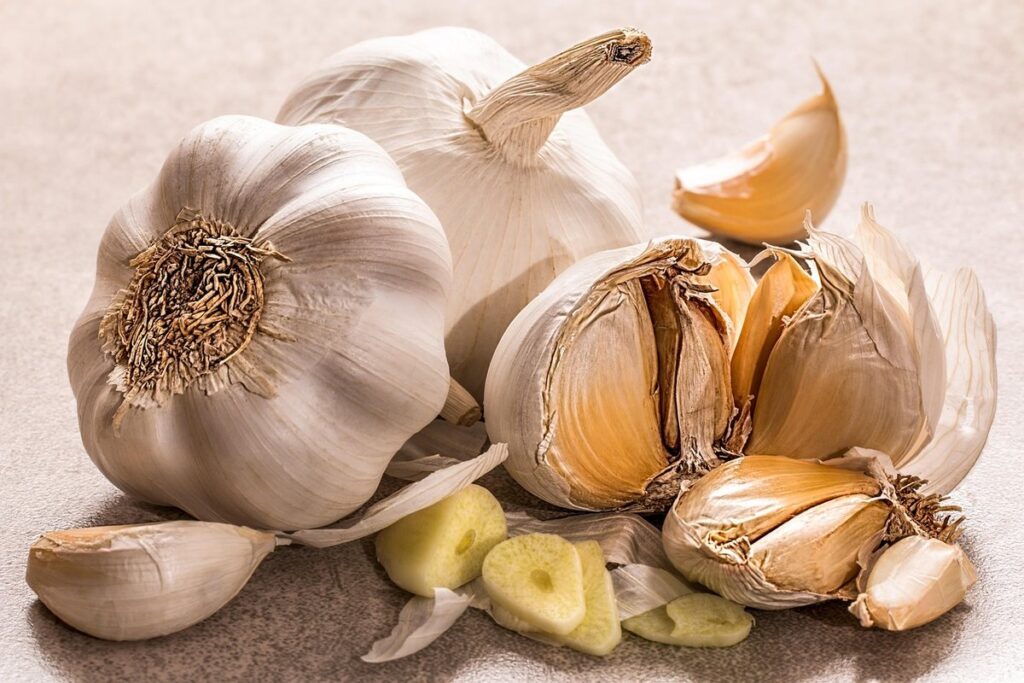
Understanding Garlic Cloves and Their Needs
Let’s dive into what makes garlic cloves tick, including their ideal storage conditions and how to select healthy ones for planting.
Choosing the Right Garlic Variety for Your Region
When selecting garlic varieties for your region, it’s essential to consider factors that affect its growth and yield. This includes disease resistance, maturation time, and climate adaptability.
Disease resistance is crucial, especially if you live in an area prone to fungal diseases like powdery mildew or rust. Look for varieties with built-in resistance to these common garlic pests. For example, the ‘Elephant’ variety is known for its natural resistance to fungal diseases.
Maturation time is also a significant factor. Some garlic varieties mature in as little as 90 days, while others take up to 120 days. Choose a variety that aligns with your region’s growing season and desired harvest timing. If you live in an area with a short growing season, opt for a quicker-maturing variety like ‘Creole’ or ‘Rocambole’.
Consider the climate of your region as well. Garlic prefers well-drained soil and full sun to partial shade. If your area experiences extreme temperatures or high humidity, select varieties that can tolerate these conditions.
Ultimately, research local garlic growers or nurseries for recommendations on suitable varieties for your region. Visit online seed catalogs or join a gardening community to discover specific varieties suited to your climate and growing needs.
Preparing Garlic Cloves for Planting
Preparing garlic cloves for planting is an essential step in growing healthy and robust garlic plants. To begin, gently separate the individual cloves from the bulb by carefully prying them apart with your fingers. Make sure each clove has a small portion of the basal plate attached, as this will help the plant grow properly.
Next, remove any papery skin or wrapper that’s still clinging to the cloves. This is usually easy to do by simply rubbing the clove between your fingers. Soaking the garlic cloves in water for about 24 hours before planting can also be beneficial. Mix a tablespoon of liquid seaweed or compost tea with a gallon of water and let the cloves soak in this solution.
This step helps the cloves to break down any residual storage compounds that might inhibit growth, as well as rehydrate them after their period of dormancy. After soaking, gently scrub the cloves under cold running water to remove any remaining debris before planting them about 2-3 inches deep in your garden bed.
Soil Preparation and Selection
Before planting your garlic cloves, you’ll need to prepare a suitable soil environment, selecting a spot that provides optimal drainage and nutrient-rich conditions. This section will guide you through those essential steps.
Testing Your Soil pH Level and Nutrient Content
Before you start planting garlic cloves, it’s essential to test your soil pH level and nutrient content. Garlic requires a specific set of conditions to thrive, and the wrong soil can lead to poor growth, reduced yields, and increased susceptibility to diseases.
Garlic prefers a slightly acidic to neutral soil pH, ranging from 6.0 to 7.0. If your soil is too alkaline or too acidic, it can affect garlic’s nutrient uptake and cause it to become stunted or deformed. For example, if your soil has a pH above 8.0, it may be deficient in sulfur, which garlic needs for proper growth.
When testing your soil, also look out for essential nutrients like nitrogen, phosphorus, and potassium (NPK). Garlic requires moderate levels of these nutrients to produce healthy bulbs. Aim for the following NPK ratios: 10-20-10 or 15-30-15. You can use a DIY kit or send a sample to your local nursery or extension office for analysis.
Keep in mind that garlic is a heavy feeder and will deplete the soil of nutrients over time. To maintain soil fertility, consider adding compost or well-rotted manure to your soil before planting garlic cloves.
Amending Your Soil with Organic Matter
When it comes to growing garlic, having well-prepared soil is essential for a bountiful harvest. One of the most crucial steps in preparing the soil is amending it with organic matter. This process not only improves the soil’s fertility but also enhances its drainage properties.
To enrich your soil with compost or manure, start by creating a compost pile or purchasing a bag of finished compost from your local nursery. You can also use well-rotted animal manure, such as cow or chicken dung. Mix 2-3 inches of the organic matter into the top 6-8 inches of your soil bed. This will help to break up any clods and improve soil structure.
As a rule of thumb, it’s best to add a minimum of 1 inch of compost per year to your soil. You can also use manure tea as a liquid fertilizer, which is rich in beneficial microbes that promote healthy plant growth. By incorporating organic matter into your soil, you’ll be creating an environment that’s conducive to garlic’s growth and development. Remember, the healthier your soil is, the better your garlic will thrive!
Planting Garlic Cloves
To grow garlic successfully, you’ll want to plant individual cloves correctly, taking care to leave enough space between each one for healthy growth. This is where planning and preparation are key!
When to Plant Garlic: Climate Considerations
When planting garlic cloves, timing is crucial to ensure optimal growth and flavor. The ideal time to plant garlic varies depending on your region’s climate. If you live in an area with a warm winter, such as Southern California or the Mediterranean, you can plant garlic in fall or early winter (September to November). This allows the bulbs to establish themselves before the heat of summer.
In regions with cold winters, like the Northeastern United States or Canada, it’s best to plant garlic in spring (April to May), when the soil has warmed up and the threat of frost has passed. Planting too early can lead to weak growth and reduced flavor.
For areas with mild springs and autumns, such as the Pacific Northwest, you can plant garlic in both seasons. However, avoid planting during periods of extreme heat or cold. Always check your local climate forecast before planting.
Planting Methods: In-Ground and Containerized Systems
When it comes to planting garlic cloves, you have two primary methods to choose from: in-ground and containerized systems. Both approaches can be effective, but the right method for you depends on your available space, climate, and personal preferences.
In-ground planting involves digging a bed specifically for your garlic crop, typically in a location with well-draining soil and full sun. This method is ideal if you have a large garden or yard, as it allows for easy access to watering and maintenance. When using this approach, be sure to space cloves 4-6 inches apart to prevent overcrowding.
Containerized systems, on the other hand, are perfect for small spaces like balconies, patios, or indoor gardens. Choose containers with good drainage holes to prevent waterlogged soil. Plant garlic cloves 2-3 inches deep in a mix specifically designed for container gardening. This method also allows you to move plants around as needed to optimize sunlight and temperature conditions.
Ultimately, the choice between in-ground and containerized systems comes down to your specific situation.
Caring for Your Garlic Crop
Now that you’ve successfully grown your garlic from cloves, it’s time to ensure a bountiful harvest by learning how to care for your crop properly. We’ll walk you through the essential tips and tricks.
Watering and Mulching Strategies
Proper watering and mulching are crucial for a healthy garlic crop. When it comes to watering, frequency is key. Garlic needs about 1-2 inches of water per week, either from rainfall or irrigation. It’s essential to water deeply but infrequently to encourage deep root growth. Avoid overwatering, as this can lead to rot and other problems.
To determine the optimal watering schedule for your garlic crop, observe the soil moisture by inserting your finger into the soil up to the knuckle. If it feels dry, it’s time to water. Water in the morning or evening to minimize evaporation. Mulching is another vital practice that helps retain moisture, suppress weeds, and regulate soil temperature.
Apply a 2-3 inch layer of organic mulch around your garlic plants after they have reached about 6 inches in height. This can be straw, bark chips, or grass clippings, as long as it’s not too dense to allow for air circulation. Mulching helps keep the soil consistently moist and reduces the need for frequent watering.
Pest and Disease Management Techniques
Garlic crops are susceptible to various pests and diseases that can significantly impact their yield and quality. Some of the most common issues you may encounter include fungal infections such as powdery mildew and white rot, which thrive in moist environments. To prevent these conditions, ensure good air circulation around your garlic plants by thinning them out and providing adequate space for growth.
Regularly inspect your crop for signs of pests like aphids, spider mites, and nematodes. Use neem oil or insecticidal soap to control infestations when necessary. For fungal infections, practice crop rotation, remove infected bulbs, and treat the affected area with a fungicide. To boost your garlic’s natural defenses, maintain optimal soil pH levels between 6.0 and 7.0.
Incorporating beneficial microorganisms into your soil through compost or manure can also help prevent diseases. Monitor temperature fluctuations as excessive heat can lead to scapes (flower stalks) that reduce bulb size and quality.
Harvesting and Storing Garlic
Now that you’ve harvested your garlic, it’s time to store it properly to enjoy its flavor all year round. Learn how to dry, braid, and freeze garlic for optimal freshness.
Knowing When Your Garlic is Ready for Harvest
As you approach the harvest season for your garlic crop, it’s essential to know when to pick them. The ideal time for harvesting garlic is when the bulbs are mature and the tops of the plants have begun to yellow and fall over. This usually happens about 3-4 months after planting, but this can vary depending on the variety and growing conditions.
To determine if your garlic is ready, check the size of the bulbs. They should be firm and heavy for their size. A mature bulb will typically be around 1-2 inches in diameter. Also, inspect the color of the leaves – they should be a pale yellow or brownish hue, indicating that the plant has completed its growth cycle.
If you’re still unsure, gently dig around the base of the plant with your fingers to check for the size and firmness of the bulb. When harvested at the right time, garlic will store well and retain its flavor and aroma.
Storage Methods: Curing, Drying, and Keeping Fresh
Proper curing, drying, and storage are crucial steps to maintain garlic’s quality and extend its shelf life. After harvesting, garlic needs a few days to dry out slightly before storing. This process is called curing. Tie the bulbs in small bunches and hang them upside down in a warm, well-ventilated area with low humidity.
If you want to speed up the drying process, you can also use a fan or a dehumidifier. However, be careful not to dry out the garlic too quickly, as this can cause it to develop off-flavors.
Once cured, store the garlic in a cool, dark place with good air circulation. You can keep it in paper bags, mesh bags, or even hang it from the ceiling. Keep the storage area away from direct sunlight and moisture.
To keep your stored garlic fresh for an extended period, make sure to inspect it regularly for signs of mold or rot. If you notice any damage, remove the affected cloves immediately to prevent the spread of mold. Properly cured and stored garlic can last up to 6 months.
Tips and Variations for Advanced Growers
If you’re already comfortable growing garlic, here are some expert-level tips to take your harvests to the next level and try something new. We’ll explore advanced techniques to boost yields and flavors.
Experimenting with Garlic Varieties and Uses
As you’ve gained experience growing garlic from cloves, it’s time to take your skills to the next level by experimenting with different varieties and uses. This opens up a world of possibilities for culinary exploration and creativity.
When choosing new garlic varieties to try, consider factors like flavor profile, pungency level, and adaptability to your local climate. Some popular options for advanced growers include Silverskin, Rocambole, and Elephant garlic. These varieties offer unique characteristics that can enhance or change the way you use garlic in cooking.
For example, Silverskin has a milder flavor and is perfect for roasting or grilling. Rocambole, on the other hand, has a stronger, more intense taste and is ideal for using raw in sauces or dressings. Experimenting with different varieties will allow you to discover new flavors and uses that suit your cooking style.
You can also explore various garlic-related products like garlic scapes, flower bulbs, and microgreens. These lesser-known parts of the plant offer a wealth of flavor and nutrition without the need for extensive culinary skills.
Scaling Up Your Garlic Production for Commercial Use
Scaling up your garlic production for commercial use requires careful planning and attention to detail. If you’re interested in supplying local markets or farmers’ markets, here are some key considerations to keep in mind.
First, determine the demand for garlic in your area by researching local markets and speaking with potential customers. Consider factors such as competition, pricing, and target market demographics. With this information, you can develop a production plan that meets demand while ensuring profitability.
For large-scale production, focus on disease-resistant varieties like ‘Silverskin’ or ‘Creole’, which are well-suited for commercial cultivation. These varieties tend to have higher yields and longer shelf life than other types of garlic. Plan your crop rotation carefully, allowing at least 6-8 months between plantings to prevent soil depletion and disease buildup.
To maximize efficiency, invest in specialized equipment such as a mechanical planter or a bulb elevator. These tools can significantly reduce labor costs while improving yields.
Frequently Asked Questions
Can I grow garlic from store-bought bulbs, or do I need to buy specialty garlic cloves for planting?
No, it’s best to purchase garlic cloves specifically labeled as “planting stock” or “seed garlic” from a reputable supplier. These cloves are bred for their ability to produce healthy, disease-resistant plants and have been harvested at the right time for optimal germination.
How often should I water my garlic crop during the growing season?
Yes, consistent moisture is essential for garlic growth. Water your garlic bed when the top 2-3 inches of soil feel dry to the touch. Aim for about 1 inch of water per week, either from rainfall or irrigation. Be careful not to overwater, which can lead to rot and other problems.
What are some common pests that target garlic crops, and how can I manage them?
Pests like aphids, thrips, and spider mites can harm your garlic crop. Use neem oil, insecticidal soap, or horticultural oil to control infestations. Practice good garden hygiene by removing weeds, debris, and infected plants to prevent the spread of disease.
Can I grow garlic in containers if my yard doesn’t have suitable soil conditions?
Yes, you can grow garlic in containers using a well-draining potting mix specifically designed for vegetables. Choose a container with good air circulation and at least 6-8 hours of direct sunlight per day. Water and fertilize your container-grown garlic as you would with in-ground plants.
How do I store my harvested garlic to keep it fresh for as long as possible?
To store garlic, separate the bulbs, allowing them to dry completely before storing in a cool, dark place with good ventilation. Keep them away from direct sunlight and moisture. You can also cure the garlic by hanging it upside down in a warm, dry location with good air circulation.