
Growing your own garbanzo beans can be a rewarding experience, providing you with a steady supply of this versatile legume. Not only are garbanzos a staple in many cuisines, but they’re also packed with nutrients and easy to incorporate into your diet. However, growing these beans requires specific conditions – ideal soil with good drainage, full sun, and temperatures ranging from 65°F to 75°F.
In this article, we’ll guide you through the process of growing garbanzo beans successfully. We’ll cover the essential steps for preparing your garden, planting, and caring for your garbanzo bean crop. From identifying the right climate conditions to implementing effective pest management strategies, we’ve got you covered. Whether you’re a seasoned gardener or just starting out, this article will provide you with everything you need to know about growing delicious and nutritious garbanzo beans.
Understanding Garbanzo Bean Basics
Garbanzo beans are a staple crop in many parts of the world, but do you know how to grow them successfully? Let’s dive into the basics and explore what makes these versatile legumes thrive.
What are Garbanzo Beans?
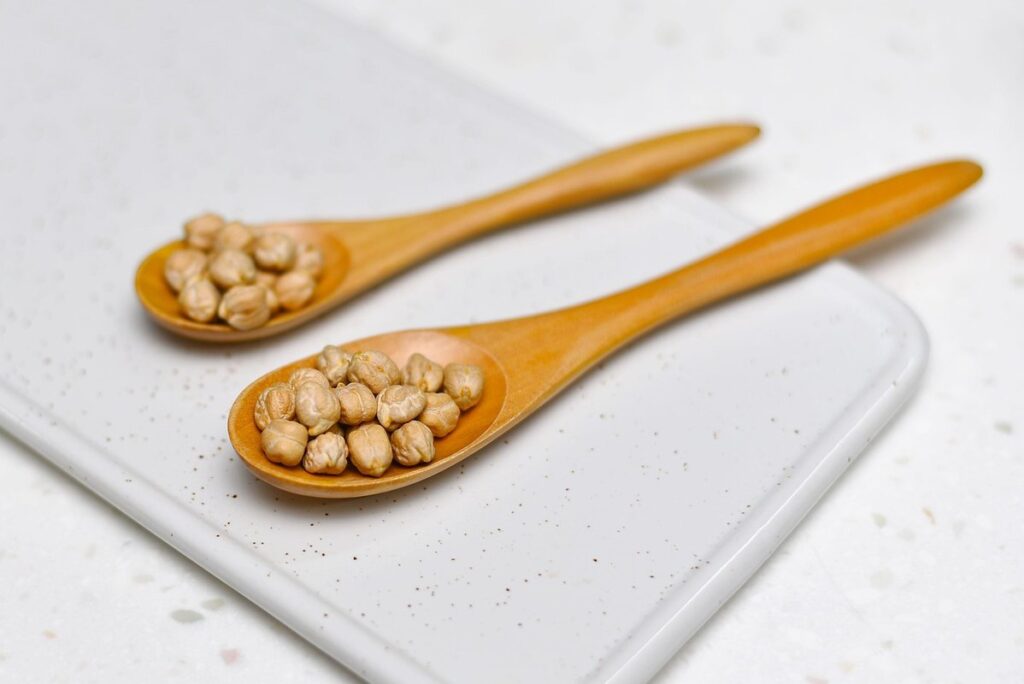
Garbanzo beans, also known as chickpeas, are one of the oldest legumes domesticated by humans. They’re a staple crop in many parts of the world and have been a favorite among gardeners for their ease of growth and high nutritional value.
These small, nutrient-dense beans are packed with protein, fiber, and various essential vitamins and minerals like folate, iron, and zinc. One cup of cooked garbanzo beans provides about 15 grams of protein, making them an excellent choice for vegetarians and vegans. Their low glycemic index also makes them a popular option for those managing blood sugar levels.
As a gardener, you’ll appreciate the fact that garbanzo beans are relatively easy to grow and require minimal maintenance. They thrive in well-drained soil with full sun, making them perfect for most garden conditions. Plus, their ability to fix nitrogen in the soil makes them an excellent crop rotation choice, reducing the need for synthetic fertilizers.
If you’re new to growing garbanzo beans, start by selecting a suitable variety that suits your climate and available space. With proper care, you can expect a bountiful harvest of these nutritious legumes in as little as 90 days.
Choosing the Right Variety
When it comes to growing garbanzo beans, choosing the right variety is crucial for success. With numerous types available, each with its unique characteristics, it’s essential to select one that suits your climate and desired harvest. For example, ‘Beluga’ garbanzos are known for their high yield and resistance to heat stress, making them an excellent choice for regions with hot summers.
On the other hand, ‘Robust’ garbanzos are more tolerant of cooler temperatures and moisture fluctuations, making them suitable for areas with unpredictable weather patterns. Another popular variety is ‘California White’, which thrives in well-draining soil and full sun conditions.
Before selecting a specific type, consider your local climate and its effects on the crop. Garbanzo beans generally prefer warm temperatures between 65°F to 80°F (18°C to 27°C) during the growing season. Some varieties are more adaptable than others, so research the specific needs of each variety you’re considering. This will ensure a bountiful harvest and help you avoid potential pitfalls.
Preparing the Soil and Climate
Before you start planting, it’s essential to prepare your soil and climate for garbanzo beans to thrive. This means choosing the right location and adjusting the pH level to suit their needs.
Optimizing Soil Conditions
Garbanzo beans prefer well-drained soil with a pH between 6.0 and 7.0. This range allows for optimal nutrient uptake and growth. To determine the ideal pH level of your soil, use a DIY soil testing kit or send a sample to a lab for analysis.
For garbanzo bean cultivation, soils deficient in nitrogen (N), phosphorus (P), potassium (K), calcium (Ca), and magnesium (Mg) can lead to stunted growth, reduced yields, and lower quality beans. The ideal nutrient requirements are:
• Nitrogen: 100-150 pounds per acre
• Phosphorus: 50-75 pounds per acre
• Potassium: 50-75 pounds per acre
To address nutrient deficiencies, amend your soil with organic matter like compost or well-rotted manure. You can also apply fertilizer specifically formulated for legumes to replenish nutrients. For example, applying a starter fertilizer at planting time and another application during flowering will promote healthy growth and bean development.
In addition to testing and amending your soil, consider adding beneficial microbes that help break down organic matter and fix atmospheric nitrogen. These include mycorrhizal fungi, which form symbiotic relationships with plant roots to enhance nutrient uptake.
Understanding Climate Requirements
To grow garbanzo beans successfully, it’s essential to understand their optimal climate requirements. Garbanzo beans thrive in temperate climates with moderate temperatures between 60°F (15°C) and 80°F (27°C). This range allows for steady growth and development without exposing the plants to extreme heat or cold stress.
In terms of precipitation, garbanzo beans prefer well-distributed rainfall or irrigation, with an average annual rainfall of around 20-30 inches. However, they can tolerate some drought but may require supplemental watering during prolonged dry spells.
To mitigate the impact of extreme weather conditions, consider implementing strategies such as:
• Mulching to retain moisture and regulate soil temperature
• Covering plants with row covers or shade cloth to protect from intense sunlight or frost
• Planting at a slightly cooler temperature to reduce heat stress
• Using drought-tolerant varieties that can handle more erratic rainfall patterns
Planting and Sowing Garbanzo Beans
When it comes to successfully growing garbanzo beans, proper planting and sowing techniques are crucial for a bountiful harvest. Let’s dive into the specifics of how to do this correctly.
Timing and Spacing
When it comes to planting garbanzo beans, timing and spacing are crucial for optimal growth. Garbanzos are a cool-season crop, which means they thrive in the cooler temperatures of spring or fall. In areas with mild winters, you can plant them in early spring as soon as the soil can be worked, about 4-6 weeks before the last frost date. If you live in an area with hot summers, it’s best to plant garbanzos in late summer or early fall for a fall harvest.
For optimal growth, space garbanzo plants 18-24 inches apart. This will give them enough room to spread out and receive adequate air circulation, which is essential for preventing disease. You can also use the “companion planting” method to improve growth and flavor. For example, planting marigolds alongside garbanzos repels nematodes and attracts beneficial insects.
Some good companion plants for garbanzos include radishes, nasturtiums, and beans (such as kidney or pinto beans). These plants not only help with pest control but also add nutrients to the soil. By choosing the right timing and spacing, you can create an ideal environment for your garbanzo plants to thrive.
Sowing Methods
When it comes to sowing garbanzo beans, you have several methods to choose from, each with its own advantages and disadvantages. Direct sowing is the most common approach, where seeds are sown directly into the ground after the last frost. This method allows for a head start on the growing season and can lead to faster maturity. However, it requires careful planning to ensure proper soil temperature and moisture levels.
Transplanting involves starting seedlings indoors or in seed trays and then transferring them to the garden when they have 2-3 sets of leaves. This method offers better control over soil quality and temperature but can be more labor-intensive. Seed starters provide a controlled environment for seedlings to develop before being transferred to the garden.
Consider your specific growing conditions, climate, and personal preferences when deciding which sowing method to use. For example, if you live in an area with poor soil quality or short growing season, direct sowing may not be the best option. In such cases, transplanting or using seed starters can help provide a more stable environment for your garbanzo bean plants.
Caring for Garbanzo Bean Plants
To keep your garbanzo bean plants thriving, it’s essential to provide them with regular care and attention, starting from the early stages of growth. This involves careful watering and fertilizing.
Irrigation and Water Management
When it comes to growing garbanzo beans, irrigation and water management are crucial aspects that often get overlooked. However, providing just the right amount of moisture is essential for optimal growth. To start, you should establish a regular irrigation schedule based on the climate and soil type in your area.
For most regions, it’s best to water your garbanzo bean plants when the top 2-3 inches of soil feels dry to the touch. You can also use a moisture meter to get an accurate reading. Water deeply but infrequently to encourage deep root growth, rather than shallow watering that only encourages weak and susceptible roots.
Soil moisture monitoring is equally important. Check the soil regularly by inserting your finger into the soil up to the knuckle. If the soil feels dry, it’s time for watering. Another strategy for conserving water while promoting healthy growth is to mulch around the plants, retaining moisture in the soil and reducing evaporation.
Be mindful of overwatering, as this can lead to root rot and other problems that may devastate your crop. With a balanced approach to irrigation and careful monitoring, you’ll be well on your way to growing robust and productive garbanzo bean plants.
Pest and Disease Management
As you care for your garbanzo bean plants, it’s essential to be aware of common pests and diseases that can affect their growth. Pests like aphids and whiteflies can quickly multiply and cause significant damage to your crop. Aphids are small, soft-bodied insects that feed on plant sap, causing curled or distorted leaves, while whiteflies are tiny, flying insects that spread disease and secrete a sticky substance known as honeydew.
Diseases such as powdery mildew and fusarium wilt can also be problematic. Powdery mildew appears as a white, powdery coating on leaves, while fusarium wilt causes yellowing or wilting of the plant. To manage these issues, practice integrated pest management (IPM) techniques. This includes using physical barriers to prevent pests from reaching your plants, introducing beneficial insects like ladybugs and lacewings that prey on aphids and whiteflies, and applying organic pesticides only when necessary.
Regularly inspect your plants for signs of infestation or disease, and take prompt action if you notice any issues. By being proactive and using a combination of these techniques, you can prevent pest and disease problems from affecting your garbanzo bean crop.
Harvesting and Processing Garbanzo Beans
Now that your garbanzo beans are ready to harvest, let’s dive into the steps for collecting and processing them to enjoy their full flavor and nutritional benefits. We’ll cover everything from drying to storage.
Monitoring for Maturity
Monitoring for maturity is crucial when harvesting garbanzo beans. To determine if they’re ready to be picked, look for a uniform color change on the pods and leaves. Typically, garbanzos turn from green to a light tan or beige color as they mature. You can also check for slight softening of the pods, but avoid over-ripeness.
To assess optimal maturity, gently pinch the seed pod between your thumb and index finger. If it’s dry and brittle, it’s likely ready. On the other hand, if it feels squishy or moist, wait a few more days. This is essential to avoid moisture-related issues like rot and mold that can compromise the quality of your harvest.
The taste test method is another way to check for maturity. If you break open an immature pod, you’ll find the beans are soft, sticky, and have a bland flavor. In contrast, mature beans will be crunchy, with a slightly sweet and nutty taste. By combining these methods – checking color, texture, and taste – you can confidently harvest your garbanzo beans at the optimal maturity level. This approach ensures you pick them before they become too ripe and vulnerable to damage.
Drying and Storage
Drying and storing garbanzo beans properly is crucial to maintaining their quality and freshness. There are several methods to dry garbanzo beans, including sun drying, machine drying, and using a food dehydrator.
Sun drying involves spreading the beans out in direct sunlight, usually on a clean surface or tray. This method requires careful monitoring to ensure even drying and protection from pests and contaminants. The sun-dried beans can then be stored in airtight containers to maintain their freshness. Machine drying uses heat to speed up the evaporation process, making it more efficient but potentially less cost-effective.
Using a food dehydrator is another popular method for drying garbanzo beans. These devices use controlled heat and air circulation to dry the beans evenly and quickly. This method ensures consistent quality and allows for batch after batch of dried beans without compromising their freshness.
When storing dried garbanzo beans, it’s essential to keep them in a cool, dry place away from direct sunlight and moisture. Airtight containers or sealed bags can help maintain their quality by preventing pests, mold, and oxidation.
Frequently Asked Questions
Can I grow garbanzo beans in containers or do they require a large garden space?
Garbanzo beans can be grown in containers, but it’s essential to choose a container with good drainage (at least 12-15 inches deep) and ensure the soil mix is well-draining. Containers will also require more frequent watering due to higher evaporation rates.
How do I protect my garbanzo bean plants from common pests like aphids and whiteflies?
To manage pests, use a combination of physical barriers (fine mesh or fine-netting), row covers, and integrated pest management techniques (IPM). For instance, introducing beneficial insects like ladybugs and lacewings can help control aphid populations.
What’s the ideal temperature for germination and growth in garbanzo bean plants?
Germinate seeds at temperatures between 70°F to 80°F (21°C to 27°C) for optimal results. Maintain a consistent temperature above 65°F (18°C) for the entire growing season, as cooler temperatures can lead to stunted growth.
Can I harvest garbanzo beans when they’re still green and tender?
Yes, garbanzo beans can be harvested at different stages of maturity, including young and tender. For this, simply pick them before they reach full maturity (usually 70-80 days after sowing). However, for optimal flavor and texture, let them mature completely.
How do I dry and store my harvested garbanzo beans to maintain their quality?
After harvesting, spread the dried beans out in a single layer on paper bags or newspaper. Store them in an airtight container in a cool, dry place (below 60°F/15°C). Regularly check the beans for any signs of moisture or pests and remove any affected ones promptly.