
Coriander is one of those herbs that add a burst of freshness to our meals, but have you ever tried growing your own? It’s easier than you think! With its delicate flavor and aroma, coriander is a staple in many cuisines around the world. But for beginners, getting started with coriander gardening can be intimidating – not knowing where to start or what mistakes to avoid. In this beginner’s guide, we’ll walk you through everything you need to know about growing, caring for, and harvesting fresh coriander in your garden. From preparing the right soil to recognizing common pests and diseases, we’ve got you covered. Whether you’re a seasoned gardener or just starting out, our comprehensive tips will help you grow lush and fragrant coriander that’s perfect for adding flavor to your favorite recipes.
Understanding Coriander and Its Requirements
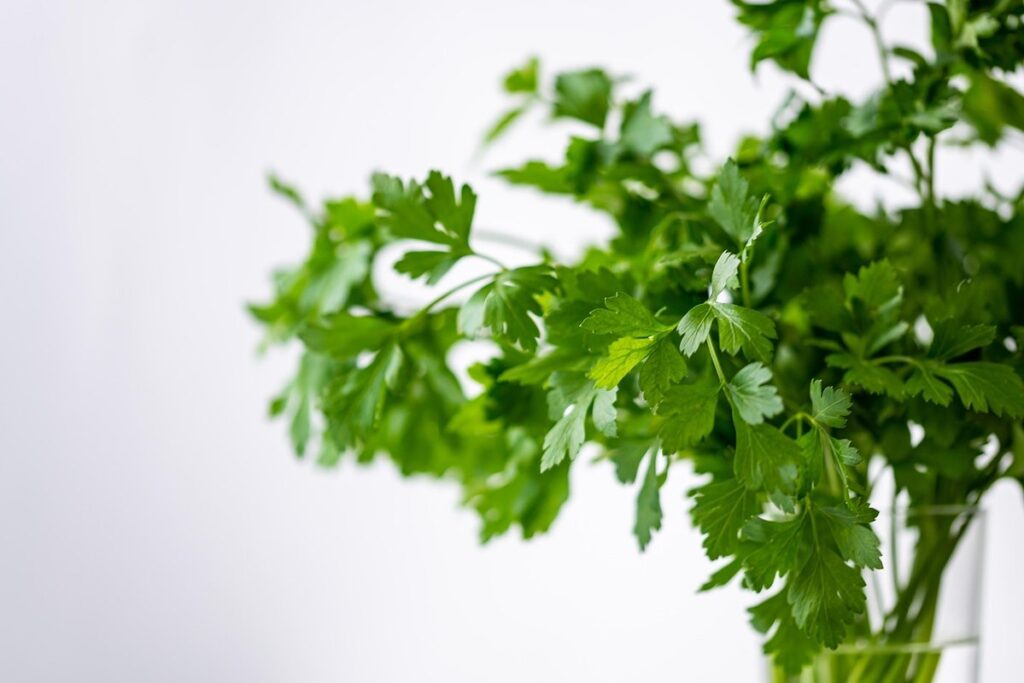
Now that you know what coriander is and how to prepare it, let’s dive into understanding its specific needs for a thriving garden. To grow healthy coriander, consider its unique requirements for temperature, soil, and moisture.
Choosing the Right Variety
When it comes to growing coriander, choosing the right variety is crucial. This is because different varieties are suited for specific climates, soil types, and desired flavor profiles. To select a suitable coriander variety, consider factors such as days to maturity, growth habit, and disease resistance.
For example, if you live in a hot and dry climate, look for varieties that have a shorter maturation period (around 60-70 days) and are more drought-tolerant. Some popular varieties for warm climates include ‘Sicilian’ and ‘Levant’. On the other hand, cooler climates require varieties with longer maturation periods (around 80-90 days), such as ‘Greek’ or ‘Italian’.
Consider your soil type as well – coriander prefers well-draining soil rich in organic matter. If you have heavy clay or sandy soil, choose a variety that’s more adaptable to these conditions. Also, if you’re concerned about disease resistance, select varieties with built-in resistance to common pests like powdery mildew or root rot.
Ultimately, experimenting with different varieties will help you determine which one thrives best in your garden conditions.
Soil Preparation for Optimal Growth
When it comes to growing coriander, soil preparation is a crucial step that can make all the difference between a bountiful harvest and a disappointing one. Coriander prefers well-draining, fertile soil with a pH range of 6.0-7.0. If your soil falls outside this range, you’ll need to adjust it accordingly.
To test your soil’s pH level, you can purchase a DIY kit or send a sample to a lab for analysis. Based on the results, you can add lime to raise the pH or sulfur to lower it. Coriander also thrives in soils rich in organic matter, so mix in compost or well-rotted manure to improve soil structure and fertility.
In terms of moisture levels, coriander requires consistent but not excessive watering. Aim for about 1-2 inches of water per week, either from rainfall or irrigation. If your soil is prone to drying out quickly, consider mulching around the plants to retain moisture and suppress weeds. By paying attention to these key factors, you can create an ideal growing environment for coriander and enjoy a healthy, flavorful crop.
Planning Your Coriander Garden
Before you start sowing coriander seeds, let’s take a moment to plan out your garden. This will help ensure that your crop receives the right conditions for optimal growth and flavor.
Selecting a Suitable Location
When selecting a location for your coriander garden, sunlight is a crucial factor to consider. Coriander requires at least 4-6 hours of direct sunlight per day to grow well, so choose a spot that receives plenty of natural light. However, be mindful of extreme temperatures, as coriander is sensitive to heat and can bolt (go to seed) if it gets too hot.
Air circulation is also essential for healthy coriander growth. Ensure your chosen location has good air movement to prevent fungal diseases from taking hold. A spot with some shade, especially during the hottest part of the day, can help regulate temperatures and promote better growth.
When choosing a location, also consider the potential for pests and diseases. Avoid areas where water may collect or where there’s poor drainage, as this can lead to root rot and other issues. Instead, opt for well-draining soil and a location with good air circulation to minimize these risks. By selecting a suitable location, you’ll be giving your coriander plants the best chance to thrive.
Seed Starting and Sowing
When it comes to sowing coriander seeds, you have two main options: direct sowing and starting seeds indoors. While both methods have their advantages, the choice ultimately depends on your specific climate, soil conditions, and personal preference.
Direct sowing involves planting coriander seeds directly into the ground outdoors, where they will germinate and grow into mature plants. This method is beneficial for warmer climates with long growing seasons, as it allows the seeds to take advantage of natural light and temperature fluctuations. However, direct sowing can be challenging in cooler or temperate regions, where the seeds may not have enough time to mature before frost sets in.
If you prefer to start your coriander seeds indoors, sow them 1-2 weeks apart in seed trays or small pots about ¼ inch deep and 1-2 inches apart. Transplant them outdoors when they reach 2-3 inches tall, spacing them 6-8 inches apart in a sunny location with well-draining soil. Make sure to harden off your seedlings before transplanting by gradually exposing them to outdoor conditions over the course of 7-10 days.
In terms of timing, sow coriander seeds outdoors about 1-2 weeks after the last frost date in your area. This allows the plants to establish themselves before the heat of summer sets in. By following these simple steps and choosing the right method for your climate, you’ll be well on your way to growing a bountiful and flavorful crop of coriander.
Caring for Your Coriander Plants
To keep your coriander plants thriving, you’ll want to focus on providing them with the right amount of light, water, and nutrients throughout their growth cycle. Regular care will also help prevent pests and diseases from taking hold.
Watering Techniques for Healthy Roots
Watering coriander plants requires a delicate balance – too little water and they’ll wither away, while too much can lead to root rot. To ensure your coriander plants receive just the right amount of moisture, start by monitoring soil moisture levels regularly. Stick your finger into the soil up to the first knuckle, if the soil feels dry, it’s time to water.
Avoid overwatering by ensuring the pot has proper drainage holes and using a well-draining potting mix. Waterlogged soils can be detrimental to coriander roots, causing them to suffocate. To prevent this, water your plants in the morning, allowing the excess moisture to evaporate throughout the day.
To retain moisture in the soil and reduce evaporation, consider mulching around your coriander plants. Organic mulch like coconut husk or straw will help maintain a consistent level of humidity while also suppressing weeds that can compete with your coriander for water. Mulch also regulates soil temperature, which is essential for healthy root growth.
Regular monitoring and adjusting your watering schedule will go a long way in keeping your coriander plants happy and thriving.
Fertilization Strategies for Maximum Yield
When it comes to fertilizing your coriander plants for maximum yield, you have two primary options: organic and synthetic fertilizers. Both types can be effective, but they cater to different needs and preferences.
Organic fertilizers, such as compost or worm castings, promote healthy growth by releasing nutrients slowly over time. These natural options are especially beneficial for coriander plants, which prefer a balanced diet of nitrogen, phosphorus, and potassium. For example, adding compost tea to the soil can increase microbial activity and boost nutrient uptake.
Synthetic fertilizers, on the other hand, provide an instant burst of nutrients that can stimulate rapid growth. However, over-reliance on these products can lead to imbalanced soil chemistry and decreased yields in the long run. To create a customized fertilizer schedule for your coriander plants, observe their specific needs based on factors such as light exposure, temperature, and watering habits. This tailored approach will help you make informed decisions about when and how much to fertilize.
In general, it’s recommended to apply organic or synthetic fertilizers at different stages of the plant’s growth cycle:
• Seedling stage: Focus on gentle, balanced fertilization with compost tea or a starter fertilizer.
• Vegetative stage: Increase fertilizer application rates as plants grow, but avoid over-fertilizing during this phase.
• Flowering and seed production stage: Shift to bloom-boosting fertilizers rich in phosphorus and potassium.
Common Pests and Diseases Affecting Coriander
As you tend to your coriander crop, be aware of common pests that can damage leaves and roots, such as aphids and spider mites. Learn how to identify and manage these issues effectively.
Identifying and Managing Common Issues
As you tend to your coriander plants, it’s essential to be aware of common pests and diseases that can affect their health. Regular monitoring is crucial in preventing infestations and reducing the risk of damage.
Aphids are a common problem for coriander growers. These small, soft-bodied insects feed on plant sap, causing curled or distorted leaves. To manage aphid populations, inspect your plants regularly, and use neem oil or insecticidal soap to control infestations. You can also introduce beneficial insects like ladybugs or lacewings, which prey on aphids.
Spider mites are another pest that can cause significant damage to coriander plants. These tiny arachnids feed on plant sap, causing yellowing leaves and fine webbing. To manage spider mite infestations, increase air circulation around your plants and use a mild soap solution or neem oil to control populations.
Powdery mildew is a fungal disease that affects coriander plants, particularly in humid environments. Symptoms include white powdery patches on leaves and stems. To prevent powdery mildew, ensure good air circulation around your plants and avoid overhead watering. If you notice the first signs of infection, treat your plants with a fungicide or use a natural remedy like baking soda.
Prevention is key when it comes to managing pests and diseases in your coriander garden. Keep your plants healthy by providing them with adequate light, water, and nutrients. Regularly inspect your plants for signs of infestation or disease, and take action promptly if you notice any issues. By following these tips, you can enjoy a bountiful harvest of fresh coriander.
Harvesting and Storing Fresh Coriander
Now that you have a bountiful coriander harvest, let’s dive into how to properly harvest and store your fresh coriander to ensure it stays flavorful for as long as possible. We’ll cover the best methods for preserving its delicate flavor.
Timing the Perfect Harvest
Determine when coriander is ready for harvest by checking its flavor, aroma, and texture. The leaves should have a strong, pungent scent and taste slightly bitter. Pinch off individual leaves as needed to encourage new growth or snip off entire stems when they reach 6-8 inches in height.
When pinching off individual leaves, use scissors or pinch between your thumb and index finger to avoid damaging the stem. This method is ideal for maintaining a continuous harvest without reducing the plant’s overall yield. For larger quantities of coriander, remove the top sets of leaves from the stem, leaving about an inch of stem attached.
To ensure optimal flavor and aroma, harvest coriander in the morning after the dew has dried but before the heat of the day causes the essential oils to evaporate. Regular harvesting will also help prevent the plant from flowering prematurely, promoting continued leaf growth. With these simple techniques, you can enjoy a steady supply of fresh coriander leaves throughout your growing season.
Preserving Coriander for Year-Round Use
Preserving fresh coriander for year-round use is a great way to enjoy its flavor throughout the seasons. There are several methods to dry, freeze, and store coriander, each with its own benefits and requirements.
Drying coriander is a simple process that helps preserve its flavor and aroma. You can air-dry it by tying the stems in small bunches and hanging them upside down in a warm, dry place. Alternatively, you can use a food dehydrator or your oven on the lowest temperature setting to speed up the drying process. Dried coriander is perfect for adding to soups, stews, and curries.
Freezing coriander is another great way to preserve its flavor. You can chop the leaves and stems finely and place them in airtight containers or freezer bags. When you need it, simply thaw the frozen coriander and use it as you would fresh. Frozen coriander is ideal for adding to sauces, marinades, and salads.
To incorporate dried coriander into your cooking repertoire, try substituting it for fresh coriander in your favorite recipes or using it as a rub for meats and vegetables. You can also add it to spice blends, curries, and soups for added depth of flavor. Experiment with different amounts and combinations to find the perfect balance for your taste buds.
Frequently Asked Questions
What if I don’t have a suitable climate for growing coriander?
Coriander is typically grown in temperate climates with average temperatures between 60°F to 80°F (15°C to 27°C). If you live in an area with extreme temperatures or high humidity, consider using greenhouse gardening or indoor containers to create a controlled environment. Yes, it’s possible to grow coriander indoors, but be aware that the yield may be smaller.
Can I grow multiple varieties of coriander together?
Yes, you can grow multiple varieties of coriander together if they have similar growth habits and are disease-resistant. However, keep in mind that some varieties may compete for space or nutrients. To minimize competition, plant coriander seeds 1-2 inches apart and provide sufficient air circulation.
How do I prevent pests from damaging my coriander plants?
Regularly inspect your coriander plants for signs of pests like aphids, whiteflies, or spider mites. Use neem oil or insecticidal soap to control infestations. Keep your garden clean by removing weeds and debris, which can attract pests.
Can I harvest coriander leaves throughout the growing season?
Yes, you can harvest coriander leaves at any stage of growth for use in cooking. Pinch off individual leaves or stems to encourage new growth and prevent the plant from flowering prematurely. Coriander leaves are ready to harvest when they reach 2-3 inches (5-7.5 cm) in height.
How do I store fresh coriander to maintain its flavor and aroma?
Store fresh coriander in an airtight container or plastic bag in the refrigerator to maintain its flavor and aroma. You can also dry coriander leaves by tying them in small bunches and hanging them upside down in a warm, dry place.