
Are you tired of sacrificing style for sustainability in your garden? Look no further than edible hedges, the perfect solution for anyone who wants to eat their way around the borders. Not only do they provide a delicious and accessible source of fruits, vegetables, and herbs, but they also add beauty and structure to your outdoor space.
Edible hedges are more than just a pretty face – they’re also an efficient use of space, requiring minimal maintenance and care. But how can you get started with growing your own edible border? This article will guide you through the process, from choosing the right plants to designing and maintaining your dream garden. We’ll cover expert tips on pest management, plant selection, and much more. Get ready to take your gardening game to the next level with these easy-to-grow hedges that are both beautiful and delicious!
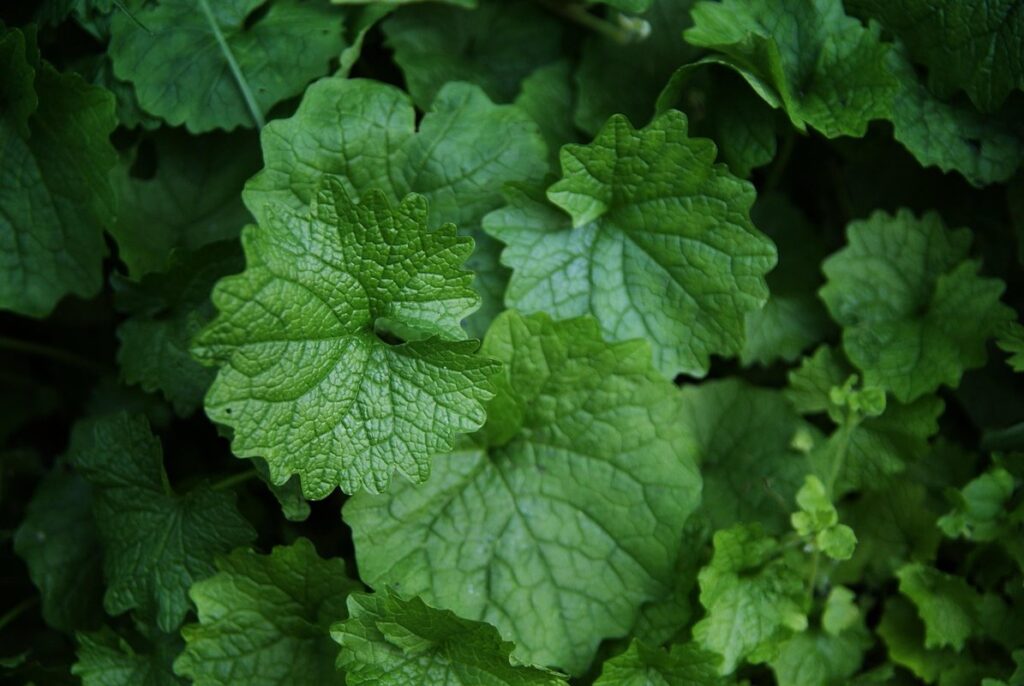
What are Edible Hedges?
An edible hedge is a living border that produces food, making it a delicious and practical alternative to traditional hedges. We’ll explore what makes an edible hedge possible.
Benefits of Edible Hedges
Growing an edible hedge offers numerous benefits that go beyond just providing a delicious source of fresh produce. One of the most significant advantages is reduced gardening maintenance. Edible hedges can be designed to require minimal upkeep, as they often consist of a single species or a few carefully selected varieties that are well-suited to the local climate and soil conditions.
This means you’ll spend less time pruning, watering, and fertilizing your edible hedge compared to traditional gardens. For instance, consider using thorny shrubs like pyracantha or hawthorn as a barrier against intruders while also providing a food source. With an edible hedge, you can increase your food production without sacrificing valuable garden space.
As an added bonus, edible hedges can significantly boost your property value by creating a unique and visually appealing landscape feature. Whether you’re looking to sell your home or simply enhance its curb appeal, incorporating edible plants into your border design is sure to impress potential buyers or neighbors alike.
Incorporating herbs like rosemary, lavender, or mint into your edible hedge can also attract pollinators and other beneficial wildlife, further enriching the ecosystem.
Types of Fruits and Vegetables Used in Edible Hedges
When it comes to creating edible hedges, you have a wide variety of fruits and vegetables to choose from. One popular option is strawberries, which can thrive in containers and produce an abundance of sweet fruit throughout the growing season. Blueberries and raspberries are also excellent choices for edible hedges, offering a burst of flavor and color to your garden.
Other options include currants, which come in both black and red varieties, and grapes, which can be trained to grow up a trellis or other support system. Herbs like rosemary and thyme add a fragrant and flavorful element to edible hedges, while also providing a natural deterrent for pests and diseases.
One key consideration when selecting fruits and vegetables for your edible hedge is the mature size of each plant. Make sure to choose varieties that will remain compact or have a naturally spreading habit, such as dwarf strawberries or thyme. This will help prevent overcrowding and ensure that your hedge remains visually appealing throughout the growing season.
Choosing the Right Plants for Your Edible Hedge
When selecting plants for your edible hedge, it’s essential to choose a mix of species that thrive together and provide a constant supply of fresh produce throughout the growing season. This section will guide you through some top picks for an edible hedge.
Climate and Soil Considerations
When selecting plants for your edible hedge, it’s essential to consider the climate and soil type in your area. Different regions have varying temperature ranges, moisture levels, and sunlight exposure, which can significantly impact plant growth and productivity.
In hot and dry climates, choose plants that are drought-tolerant and heat-resistant, such as rosemary, thyme, or oregano. These herbs can thrive with minimal watering and will add a Mediterranean flair to your edible hedge. On the other hand, in cooler and wetter climates, opt for plants that prefer moist soil and partial shade, like strawberries or raspberries.
Soil type is another critical factor to consider. Clay soils can be challenging for roots to penetrate, so choose plants with deeper taproots, such as artichokes or asparagus. Sandy soils, on the other hand, may require more frequent watering and fertilization. By selecting plants that match your local climate and soil conditions, you’ll create a thriving edible hedge that’s both beautiful and productive.
To adapt to different conditions, consider creating microclimates within your garden by incorporating features like trellises or pergolas to provide shade or wind protection. This will allow you to grow a wider variety of plants in your edible hedge, even if the climate or soil type is less than ideal.
Plant Selection Based on Sunlight Requirements
When selecting plants for your edible hedge, one crucial factor to consider is sunlight requirements. Different plants thrive in varying levels of sunlight, so it’s essential to choose species that match the amount of sun your garden receives.
For full-sun areas (six hours or more of direct sunlight per day), consider plants like strawberries, blueberries, and raspberries, which love basking in the warm rays. These fruits are perfect for a sunny edible hedge, producing an abundance of delicious berries throughout the growing season. On the other hand, partial shade (two to four hours of indirect sunlight) is ideal for leafy greens like lettuce, kale, and spinach, as well as herbs such as mint and oregano.
To determine your garden’s sunlight levels, observe which areas receive direct sunbeams during peak hours. If you’re unsure, consult a local nursery or gardening expert for guidance. By matching plant selections to your garden’s specific sunlight requirements, you’ll ensure the success of your edible hedge and enjoy a bountiful harvest.
Incorporating Companion Planting Strategies
Companion planting is an age-old technique where plants are paired together for mutual benefit. By incorporating companion planting strategies into your edible hedge, you can create a thriving ecosystem that promotes healthy growth, pest control, and nutrient uptake. For instance, basil repels pests that target tomatoes, making it a perfect companion plant for a Mediterranean-inspired edible hedge.
Some plants even have symbiotic relationships where one benefits from the other’s root system or shade. Comfrey, with its deep taproots, brings up nutrients from lower soil layers, which are then available to nearby plants like strawberries and herbs. Marigolds, on the other hand, repel nematodes that target tomatoes and other vegetables.
To incorporate companion planting into your edible hedge, start by researching compatible plant combinations. Some classic pairings include marigold with tomato, basil with lettuce, and borage with strawberries. Be mindful of growth habits and mature sizes to ensure a harmonious coexistence among plants. By thoughtfully selecting companion plants, you can create a diverse and resilient edible hedge that benefits from the collective strengths of its members.
Designing Your Edible Hedge
When selecting plants for your edible hedge, consider factors like growth rate, maintenance needs, and flavor profiles to create a thriving border that’s as delicious as it is beautiful. Choose a mix of annuals and perennials for year-round interest.
Space Planning and Layout Considerations
When planning an edible hedge, it’s essential to consider the space where you’ll be planting. Measure the area carefully, taking into account the mature size of your chosen plants. A general rule of thumb is to allocate 3-4 square feet per plant, assuming a growth height of around 6-8 feet.
Consider the growth habits of your selected varieties too. Some edible hedges grow quite densely, while others are more sprawling. For example, strawberries and blueberries have compact growth habits and can thrive in tight spaces, making them perfect for smaller borders. On the other hand, fruit trees like apples and pears require more space to accommodate their mature size.
Make sure to incorporate access paths through your edible hedge. This will allow you to maintain and harvest your plants without damaging them. A narrow path made from wood chips or gravel is a great option, as it also helps retain moisture in the soil while keeping weeds at bay. By planning carefully, you can create a thriving edible hedge that provides both beauty and bounty for years to come.
Edible Hedges for Small Spaces and Compact Gardens
Growing an edible hedge in a small space can be just as rewarding as one in a larger garden. If you’re short on room but still want to enjoy the benefits of a lush and productive border, consider these options for tight spaces like balconies or patios.
For balconies, look for compact varieties of fruiting plants like strawberries, blueberries, or currants that produce small fruits and can thrive in containers. These will not only provide you with delicious edibles but also add beauty to your space through their colorful foliage and flowers.
On a patio, consider using vertical planters or trellises to make the most of your space. Train vining plants like peas, beans, or kiwis up these supports to create a lush canopy that shades and cools the area below.
When choosing varieties for small spaces, select plants with compact growth habits and those that produce smaller fruits. This will not only save space but also ensure that you can harvest your crops without straining to reach them. With careful planning, even the smallest of spaces can become a productive and beautiful edible hedge.
Using Trellises and Supports to Maximize Space
When designing an edible hedge, making the most of available space is crucial. Trellises and supports are versatile tools that can help maximize space while keeping plants upright and organized. For instance, a trellis can be used to train vining plants like peas or cucumbers to climb upwards, freeing up floor space for other varieties.
Consider using tiered planters or raised beds with built-in supports to create a layered effect. This not only adds visual interest but also increases the yield per square foot. For example, a three-tier planter can accommodate different levels of growth, allowing you to grow herbs like basil and rosemary on lower tiers and more vigorous climbers like kiwi or passionfruit on upper tiers.
When selecting trellises and supports, choose durable materials that can withstand weather conditions and last for several seasons. Consider using recycled materials or repurposed items like old pallets or fencing wire to add a touch of sustainability to your edible hedge design. By incorporating trellises and supports into your design, you’ll not only save space but also create a lush, thriving border that’s both beautiful and productive.
Planting and Maintenance of Your Edible Hedge
Now that you’ve chosen your perfect edible hedge plants, let’s dive into how to plant them and keep them thriving with regular maintenance. This section will walk you through essential tips for a healthy start.
Preparing the Soil and Planting Techniques
To prepare the soil for planting an edible hedge, it’s essential to choose a location with well-draining soil and sufficient sunlight. Before planting, test the pH level of your soil and amend it if necessary. Most edible plants prefer a slightly acidic to neutral soil pH between 6.0 and 7.0.
When selecting a planting site, ensure it’s at least six hours a day receives direct sunlight. If you’re unsure about your soil’s drainage capacity, create a raised bed or mound to improve water circulation. Use a mix of compost, manure, and topsoil to enrich the soil with essential nutrients.
For planting edible hedge plants, follow these spacing guidelines: for small species like herbs and strawberries, space 12-18 inches apart; for medium-sized shrubs like currants and gooseberries, space 24-36 inches apart. For larger shrubs like apple trees and pyrus, space at least 3-4 feet apart. Plant the root ball of each plant about 1-2 inches deeper than it was in the container to encourage new growth.
When planting, gently spread out the roots and water thoroughly. Mulch around the plants to retain moisture and suppress weeds.
Irrigation and Mulching Strategies
When it comes to maintaining healthy edible hedges, proper irrigation and mulching strategies play a crucial role. Adequate watering is essential for fruiting plants, as they require consistent moisture levels to produce well-flavored fruits. However, overwatering can be detrimental, leading to root rot and other problems. To avoid this, water your edible hedge when the top 2-3 inches of soil feels dry to the touch.
For efficient irrigation, consider installing a drip irrigation system or soaker hose that delivers water directly to the roots. This approach minimizes evaporation and runoff, ensuring the water reaches where it’s needed most.
Mulching is another vital aspect of edible hedge maintenance. Organic mulches like wood chips, bark, or straw help retain moisture, suppress weeds, and regulate soil temperature. Apply a 2-3 inch layer around your plants, keeping it a few inches away from the base to prevent rot. As the mulch breaks down, replenish it with fresh material to maintain its effectiveness.
By implementing these irrigation and mulching strategies, you’ll be well on your way to growing a lush, productive edible hedge that thrives throughout the seasons.
Pruning and Training Methods
When it comes to pruning and training your edible hedge, regular maintenance is essential for promoting healthy growth, encouraging fruiting, and preventing disease. Start by inspecting your plants regularly, looking out for signs of pests, diseases, or nutrient deficiencies.
For shrubs like strawberries, blueberries, and raspberries, prune them in late winter or early spring to remove dead wood, encourage new growth, and promote a bushy habit. Cut back canes that are more than two years old, but leave younger ones intact as they will produce fruit. Train the newer canes along wires or stakes for better air circulation and sunlight penetration.
For vining plants like kiwis, grapes, and passionfruits, prune them in late winter to control their spread and encourage new growth from the base of the plant. Remove any weak or spindly growths and trim back longer vines to around 3-4 feet long. This will help promote a healthy balance between foliage and fruit production.
Remember to always clean your pruning tools after each use to prevent the spread of diseases, and disinfect them with a solution of water and bleach if necessary. With regular maintenance and proper pruning techniques, you’ll be enjoying a bounty of fresh fruits from your edible hedge in no time!
Pest and Disease Management in Edible Hedges
As you tend your edible hedge, it’s essential to stay on top of common pests and diseases that can threaten its health and flavor. In this section, we’ll cover practical tips for maintaining a pest-free and healthy edible border.
Common Pests Affecting Edible Hedges
When it comes to growing edible hedges, one of the most significant challenges you’ll face is dealing with common pests that target these plants. As a homeowner with an edible hedge, it’s essential to know which pests to watch out for and how to manage them effectively.
Slugs and snails are notorious for feeding on leaves, flowers, and fruits of edible hedge plants like herbs, strawberries, and blackberries. These slimy creatures thrive in moist environments, making them a significant problem during wet weather conditions. To control their damage, use copper tape or crushed eggshells around the perimeter of your hedge to deter them. Hand-picking is also an effective method, especially for small infestations.
Aphids are another common pest affecting edible hedges, particularly plants like roses and lavender. These tiny sap-sucking insects weaken plant growth and spread diseases like powdery mildew. Regularly inspect your hedge for aphid colonies and use neem oil or insecticidal soap to control their populations.
Organic Solutions to Pest Control
When it comes to managing pests in your edible hedge, it’s essential to adopt eco-friendly methods that are gentle on the environment and your garden. One of the most effective organic solutions is neem oil, which is derived from the seeds of the neem tree. This natural insecticide can be used to control a wide range of pests, including aphids, whiteflies, and spider mites.
Another excellent option is diatomaceous earth, a powder made from the fossilized remains of tiny aquatic organisms called diatoms. When applied to plants, it dehydrates pests like slugs, snails, and caterpillars, ultimately killing them. You can also use other natural deterrents such as garlic spray, hot pepper spray, or soap-based sprays.
Before applying any of these organic solutions, make sure to read the label carefully and follow the instructions for safe usage. Additionally, always test a small area first to ensure that your plants won’t be harmed by the treatment. By using these eco-friendly methods, you’ll not only protect your edible hedge from pests but also maintain its health and vitality.
Disease Prevention and Early Detection
Preventing diseases and detecting them early on is crucial when it comes to maintaining healthy and thriving edible hedges. One of the most effective ways to prevent disease outbreaks is through good gardening practices, such as providing adequate space between plants for air circulation, watering at the right time to avoid fungal growth, and ensuring the soil has a balanced pH level.
Regular inspections are also essential in detecting diseases early on. This involves looking out for any signs of pests or diseases, such as yellowing leaves, black spots, or white powdery patches, and taking prompt action if you notice anything unusual. Some common diseases that affect edible hedges include powdery mildew, leaf spot, and root rot.
To further prevent disease outbreaks, consider implementing integrated pest management (IPM) techniques. This involves using a combination of methods to control pests and diseases, such as introducing beneficial insects, using physical barriers, or applying organic pesticides. By taking proactive steps to prevent disease and detect them early on, you can enjoy a healthy and productive edible hedge that provides delicious fruits and leaves for years to come.
You can also use crop rotation techniques to reduce the risk of disease build-up in your edible hedge. For example, if you’re growing fruit trees, rotate the crops every year or two to break the cycle of any potential diseases that may have developed in previous seasons. This simple technique can go a long way in maintaining the health and productivity of your edible hedge.
For instance, rotating between apple and pear trees can help reduce the risk of fungal diseases like powdery mildew that are common among fruit trees. By adopting these simple strategies, you’ll be able to enjoy the many benefits of growing edible hedges while minimizing the risks associated with disease outbreaks.
Edible Hedges in Urban Planning and Development
When designing edible hedges for your urban space, consider how they can benefit both you and your community in terms of food production and aesthetic appeal. This section explores these benefits in more detail.
Incorporating Edible Hedges into Community Gardens
Incorporating edible hedges into community gardens is a fantastic way to foster collaboration and sustainability among residents. Community gardens are already thriving hubs of social connection and environmental stewardship, but adding edible hedges takes it to the next level.
Not only do edible hedges provide an additional source of fresh produce, but they also offer opportunities for residents to share knowledge, skills, and resources. Imagine a garden where neighbors can learn from each other about different herbs and fruits, exchange tips on companion planting, and even share tools and equipment. Edible hedges can become a shared project among community members, promoting a sense of ownership and cooperation.
For example, consider incorporating a mixed hedge of berries, herbs, and flowers that attract pollinators. This not only adds visual interest to the garden but also provides a bounty of edible delights. You can even create a ‘hedge-to-table’ program where residents can harvest their own produce and share recipes with one another.
To get started, consider the following steps:
* Involve community members in the design process to ensure everyone’s needs are met
* Choose hedging plants that are easy to care for and require minimal maintenance
* Incorporate a mix of annuals and perennials for ongoing interest and productivity
Policy Support for Edible Hedges in Urban Planning
As urban planners strive to create more sustainable and resilient cities, edible hedges are becoming an increasingly attractive option for green spaces. But what role can policies play in supporting the adoption of edible hedges in urban planning initiatives? Fortunately, there are many examples of cities and towns that have incorporated policies encouraging or requiring edible hedges.
For instance, some municipalities offer tax incentives or zoning variances to property owners who choose to plant edible hedges. Others require developers to incorporate edible hedges into new construction projects as a way to reduce stormwater runoff and enhance biodiversity. Some cities even have dedicated programs for community gardens and edible landscaping that provide resources and support for residents looking to get started.
If you’re interested in advocating for edible hedges in your own community, consider speaking with local officials about the benefits of incorporating edible landscaping into urban planning initiatives. You can also start small by incorporating edible plants into your own backyard or front yard borders. This not only adds beauty but also provides a delicious source of fresh produce right at home.
Conclusion: The Future of Edible Hedges
As we’ve explored the possibilities of edible hedges, let’s take a look at what the future might hold for these innovative garden borders. What will they become?
Recap of Key Points
As we conclude our journey through the world of edible hedges, let’s take a moment to recap the key points that will help you create delicious and beautiful borders for your garden. We’ve explored the benefits of growing edible hedges, from providing fresh produce to adding visual appeal, and discussed how they can be incorporated into various garden styles.
We’ve also highlighted the importance of choosing the right plants for your edible hedge, considering factors such as climate, soil type, and maintenance requirements. From fruiting shrubs like gooseberries and currants to herbs like rosemary and thyme, we’ve covered a range of options that are perfect for adding flavor and fragrance to your garden.
In addition, we’ve discussed how to design and maintain an edible hedge, including tips on pruning, training, and harvesting. We’ve also touched on the benefits of integrating edible hedges into your garden ecosystem, such as attracting pollinators and providing habitat for beneficial insects.
By incorporating these key points into your gardening practice, you’ll be well on your way to growing delicious and beautiful borders that will enhance your outdoor space while providing fresh produce throughout the year.
Inspiration and Resources for Your Next Project
As you embark on creating your edible hedge project, we’re excited to share some additional resources that will help fuel your creativity and inspire new ideas. From expert gardening communities to innovative product showcases, these platforms are perfect for learning from others and gaining valuable insights.
For those looking to explore specific topics in more depth, consider checking out online forums like GardenWeb or Reddit’s r/ediblelandscaping. These communities offer a wealth of knowledge on edibles, companion planting, and more – all accessible with just a few clicks.
If you’re eager to expand your edible hedge repertoire, we recommend taking a look at the Edible Landscapes Project or the International Herb Association. Both websites showcase stunning examples of edible gardens from around the world and offer expert advice on incorporating edibles into your existing landscape design.
You can also join local gardening groups or workshops to network with fellow enthusiasts and gain hands-on experience. By tapping into these resources, you’ll be well-equipped to tackle even the most ambitious edible hedge projects with confidence.
Frequently Asked Questions
How do I integrate edible hedges into my existing garden design?
Integrating edible hedges into your existing garden can be a seamless process. Start by identifying areas where you can create a living border, such as along paths or boundaries. Consider the mature size of your chosen plants and leave enough space for growth. You can also incorporate existing features like trellises or supports to maximize space and add visual interest.
What are some common pests that affect edible hedges, and how do I manage them?
Common pests affecting edible hedges include aphids, whiteflies, and slugs. To manage these pests, use organic solutions such as neem oil, insecticidal soap, or diatomaceous earth. Encourage beneficial insects like bees and butterflies by incorporating companion planting strategies, which involve pairing plants that attract pollinators.
Can I grow edible hedges in containers if I have limited space?
Yes, you can grow edible hedges in containers if you have limited space. Choose compact varieties of fruits, vegetables, or herbs that are well-suited to container growing. Make sure your containers have good drainage and use a high-quality potting mix. Consider using trellises or supports to maximize vertical space.
How do I maintain my edible hedge during extreme weather conditions?
To maintain your edible hedge during extreme weather conditions, ensure it receives adequate watering and mulching. Use windbreaks or protective structures like snow fencing to shield your plants from harsh winds. Prune your edible hedge regularly to promote healthy growth and prevent damage from heavy snow or ice.
Can I use edible hedges as a boundary in areas with poor soil quality?
Yes, you can use edible hedges as a boundary in areas with poor soil quality. Choose plants that are tolerant of poor soil conditions, such as strawberries or mint. Improve the soil quality by adding organic matter like compost or well-rotted manure. Consider using raised beds or containers to create a more hospitable growing environment for your edible hedge.