
Growing your own food can be incredibly rewarding, but traditional gardening often comes with a hefty price tag: water consumption. As concern for our planet’s resources continues to grow, many gardeners are turning to drought-tolerant vegetables as a sustainable solution. These hardy veggies not only conserve water but also thrive in challenging conditions, making them perfect for water-conscious gardeners. But how do you choose the right drought-tolerant varieties? And what tips and tricks can help you coax the most from your soil while using minimal water? In this article, we’ll explore expert advice on selecting, preparing, and harvesting these water-saving veggies, providing you with a lush and productive garden that’s kind to both your wallet and the planet.
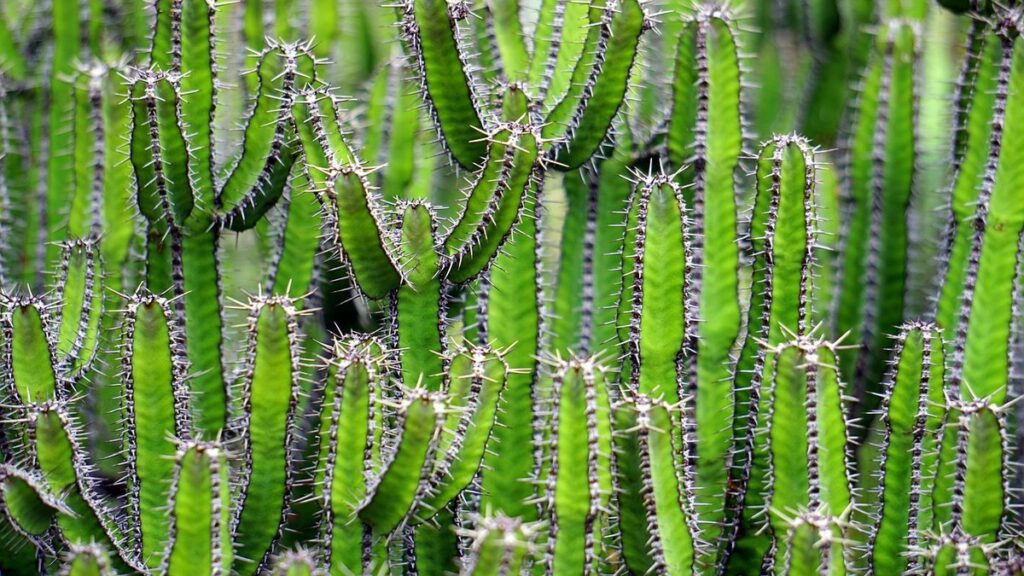
Understanding Drought-Tolerant Vegetables
As you start planning your drought-tolerant garden, it’s essential to understand which vegetables are best suited for hot and dry conditions. Let’s explore some of the most resilient options that thrive in arid environments.
What are Drought-Tolerant Vegetables?
Drought-tolerant vegetables are specifically bred to thrive in water-scarce conditions, making them an ideal choice for gardeners facing dry spells. These veggies have adapted to conserve moisture, reduce transpiration, and tolerate extreme temperatures. They can survive with minimal watering, although occasional hydration still supports optimal growth.
Some popular drought-tolerant vegetable varieties include leafy greens like kale, spinach, and collard greens; root vegetables such as carrots, beets, and radishes; and summer squash like zucchini and acorn squash. These plants have evolved to develop deep roots, allowing them to tap into underground water sources during dry periods.
Growing drought-tolerant vegetables also offers numerous benefits: reduced irrigation costs, lower maintenance requirements, and increased yields due to the veggies’ natural resilience. Plus, they often require fewer fertilizers and pesticides since their adapted nature helps resist disease and pests. To incorporate these drought-tolerant wonders into your garden, simply choose varieties suitable for your climate and plant them in well-draining soil with full sun exposure.
Why Choose Drought-Tolerant Vegetables?
As we navigate the challenges of climate change, water conservation has become an increasingly important aspect of gardening. Choosing drought-tolerant vegetables is a crucial step towards reducing our environmental footprint and ensuring a sustainable food supply. These remarkable crops have evolved to thrive in conditions where traditional varieties would struggle or even perish.
Drought-tolerant vegetables offer numerous advantages over their traditional counterparts. For one, they require significantly less water, making them perfect for regions plagued by droughts or water restrictions. Take the example of the popular drought-tolerant vegetable, the okra. This versatile crop can thrive in areas with as little as 10 inches of rainfall per year, making it an excellent choice for gardeners in arid zones.
Some notable benefits of choosing drought-tolerant vegetables include:
* Reduced water consumption: By growing crops that are naturally adapted to dry conditions, you’ll save on water bills and reduce your reliance on this precious resource.
* Increased crop yields: Drought-tolerant vegetables tend to produce more fruit or flowers per plant than traditional varieties, ensuring a bountiful harvest even in challenging weather conditions.
* Improved resilience: These crops have evolved to withstand extreme temperatures, droughts, and other environmental stressors, making them ideal for gardeners who want to future-proof their gardens.
Selecting the Right Drought-Tolerant Vegetable Varieties
When choosing drought-tolerant vegetable varieties, it’s essential to consider factors such as climate, soil type, and growth habits to ensure a thriving garden. This selection process will set your garden up for success during dry spells.
Factors to Consider When Choosing Varieties
When choosing drought-tolerant vegetable varieties, there are several key factors to consider. First and foremost, think about the climate suitability of the variety you’re interested in. Some vegetables, like tomatoes and peppers, require a long growing season with warm temperatures and adequate moisture, while others, such as broccoli and cauliflower, can tolerate cooler temperatures and some drought.
Consider your soil type as well – if you have heavy clay or sandy soils, certain varieties may be more suitable than others. For example, root vegetables like carrots and beets prefer well-draining soil, while leafy greens like lettuce and spinach can thrive in a variety of soil types.
Also consider the growth habits of the variety – do they spread out widely or grow upright? If you have limited space or need to maximize yields, choose compact varieties that won’t require as much maintenance. Some popular drought-tolerant vegetables for small spaces include cherry tomatoes, leafy greens, and herbs like basil and mint.
Remember to also check the maturity days of each variety – some may take longer than others to mature, which can be a consideration if you’re planning a harvest in a specific timeframe.
Top 10 Drought-Tolerant Vegetables for Home Gardens
When it comes to growing drought-tolerant vegetables in home gardens, selecting the right varieties is crucial. Here are the top 10 most suitable options for a thriving and low-maintenance garden:
- Radishes: These fast-growing root vegetables require minimal watering and can be harvested in as little as 20 days. They prefer well-draining soil and full sun.
- Leaf Lettuce: This cool-season crop is incredibly drought-tolerant, requiring only about 10-15 minutes of watering per day. It’s perfect for salads and prefers partial shade to full sun.
- Spinach: Another cool-season crop, spinach requires minimal watering and can thrive in temperatures up to 75°F (24°C). It prefers well-draining soil and partial shade to full sun.
- Green Beans: These versatile legumes are easy to grow and require only about 1-2 gallons of water per week. They prefer full sun and well-draining soil.
- Carrots: Little-known for their drought tolerance, carrots can thrive with minimal watering (about 10-15 minutes per day). They prefer well-draining soil and partial shade to full sun.
- Beets: These root vegetables are surprisingly drought-tolerant, requiring only about 1-2 gallons of water per week. They prefer well-draining soil and full sun.
- Peppers: Whether bell or hot peppers, these popular vegetables require minimal watering (about 10-15 minutes per day). They thrive in full sun and well-draining soil.
- Eggplant: Similar to peppers, eggplants are relatively drought-tolerant, requiring only about 1-2 gallons of water per week. They prefer well-draining soil and full sun.
- Okra: This heat-loving vegetable requires minimal watering (about 10-15 minutes per day) and can thrive in temperatures up to 95°F (35°C). It prefers well-draining soil and full sun.
- Zucchini: A popular summer squash, zucchini is relatively drought-tolerant, requiring only about 1-2 gallons of water per week. It prefers well-draining soil and full sun.
These vegetables are perfect for home gardens looking to reduce watering requirements while still producing a bountiful harvest. Remember to plant them in areas with good drainage and provide enough sunlight, and you’ll be enjoying fresh produce all season long!
Preparing Your Garden for Drought-Tolerant Vegetables
Before planting your drought-tolerant vegetables, it’s essential to prepare your garden by assessing its soil and sunlight conditions. This will ensure a healthy foundation for your new plants to thrive in.
Soil Preparation and Amending
When preparing your soil for drought-tolerant vegetables, it’s essential to create an environment that will support their growth and resilience. A well-prepared soil is the foundation of a thriving garden. Start by testing your soil pH level using a DIY kit or sending a sample to a lab for analysis. Most vegetables prefer a slightly acidic to neutral soil pH between 6.0 and 7.0.
To balance your soil’s pH, add lime to raise it or sulfur to lower it. Apply amendments like compost or well-rotted manure to improve the soil structure and fertility. Organic matter helps retain moisture, suppress weeds, and regulate soil temperature. Use a balanced fertilizer (10-10-10) during the growing season for an initial boost, but avoid over-fertilizing as this can lead to weak root systems and increased water consumption.
Incorporate drought-tolerant vegetables like okra, squash, or eggplant into your garden plan. These plants thrive in well-draining soil with adequate organic matter, which helps them conserve water. Aim for a mix of clay-loam or sandy loam soils that retain moisture but drain excess water efficiently. Regularly mulch around your plants to maintain soil temperature and suppress weeds.
Watering Strategies for Drought-Tolerant Vegetables
When it comes to watering drought-tolerant vegetables, you’ll want to adopt strategies that conserve water while still ensuring your plants receive the moisture they need. A good starting point is understanding the specific watering needs of each variety – some may require more frequent watering, while others are happy with less.
For most drought-tolerant vegetables, it’s best to water them deeply but infrequently. This encourages deep root growth, allowing them to access water deeper in the soil and making them more resilient to dry spells. Water your vegetables when the top 2-3 inches of soil feel dry to the touch, usually every 4-7 days depending on weather conditions.
Monitor the moisture levels in the soil by inserting a finger into it or using a moisture meter – this will help you determine if it’s time for another watering session. Also keep an eye out for signs like wilting or yellowing leaves which can indicate over or under-watering. By adjusting your watering schedule based on these factors, you’ll be able to provide your drought-tolerant vegetables with the right amount of water they need to thrive in dry conditions.
Growing and Maintaining Drought-Tolerant Vegetables
When growing drought-tolerant vegetables, it’s essential to know how to care for them properly to ensure a thriving and productive garden. This section will cover tips on maintenance and upkeep.
Sowing Seeds and Transplanting
When sowing seeds for drought-tolerant vegetables, it’s essential to follow some key guidelines. For example, most drought-tolerant vegetable varieties prefer well-draining soil and full sun. Some popular options, like okra and eggplant, can thrive in temperatures above 65°F (18°C), while others, such as spinach and lettuce, prefer cooler weather below 75°F (24°C). Begin by preparing the soil with a mixture of organic compost and mulch to retain moisture and suppress weeds.
When transplanting seedlings, be mindful of spacing. For example, bush beans should be spaced about 2-3 inches apart, while vining plants like cucumbers can be allowed to spread out more freely, as long as they’re not crowding each other or nearby plants. Companion planting is also a great way to boost growth and reduce competition for water. Consider pairing drought-tolerant vegetables with herbs like basil or mint, which help repel pests and attract beneficial insects. By following these tips, you’ll be well on your way to cultivating a thriving and resilient garden that can thrive even in dry conditions.
Pest Management and Disease Prevention
When growing drought-tolerant vegetables, it’s essential to be aware of common pests and diseases that can affect their health. Aphids, whiteflies, and spider mites are frequent visitors to vegetable gardens, feeding on sap and causing curled or distorted leaves. These pests thrive in dry conditions, making drought-tolerant plants particularly vulnerable.
To prevent infestations, use physical barriers like fine mesh or fine-netted row covers to keep insects away from your crops. Regularly inspect your plants for signs of pest activity, such as sticky honeydew droplets or actual pests on the leaves. For smaller infestations, spray neem oil or insecticidal soap directly on affected areas.
Fungal diseases like powdery mildew and leaf spot are also common issues in drought-stressed vegetable gardens. These pathogens often enter plants through open wounds or damaged tissue. Preventative measures include removing weeds that can harbor fungal spores, watering at soil level to minimize moisture loss, and providing adequate air circulation between plants.
To manage and control diseases, remove infected leaves or plants immediately to prevent the spread of disease-causing organisms. Regularly water your plants with a mixture of 1 tablespoon of baking soda per gallon of water to adjust the pH and make it difficult for fungal pathogens to thrive.
By taking proactive steps in pest management and disease prevention, you’ll be able to protect your drought-tolerant vegetables from potential threats, ensuring a healthy and productive harvest.
Challenges and Solutions for Drought-Tolerant Vegetable Gardens
Growing a thriving drought-tolerant garden can be just as challenging as it is rewarding. Let’s tackle some common obstacles and explore creative solutions together, starting with the toughest issues first.
Overcoming Common Challenges
Drought-tolerant vegetable gardens can be challenging to maintain, especially when faced with extreme weather conditions. One common issue is dealing with soil salinity, which occurs when too much salt builds up in the soil. This can happen when you use high-sodium fertilizers or if you’re irrigating with salty water. To mitigate this problem, consider using a mixture of organic matter like compost or well-rotted manure to balance out the pH levels and leach excess salts.
Another challenge is nutrient deficiencies, which can arise from poor soil structure or inadequate irrigation. Make sure your garden receives adequate calcium and magnesium through natural means like using dolomitic limestone or crushed eggshells. Mulching with organic materials also helps retain moisture and suppress weeds that compete for nutrients.
Drought-tolerant vegetables are designed to handle some water stress, but severe drought conditions can still cause damage. To prepare, ensure you’re planting varieties specifically bred for dry climates and provide supplemental watering during particularly hot or dry spells.
Innovative Solutions for Sustainable Gardening
When it comes to cultivating drought-tolerant vegetables, adopting innovative solutions for sustainable gardening is essential. One of the most effective ways to reduce water consumption is through rainwater harvesting. This involves collecting and storing rainwater from rooftops or other surfaces, which can then be used for irrigation. You can install a simple rain barrel system or even use large containers like barrels or tubs.
Mulching is another technique that helps retain moisture in the soil while suppressing weeds. Organic mulch materials such as wood chips, bark, or straw are highly recommended. To apply mulch effectively, spread it evenly around plants to a thickness of about 2-3 inches. This helps maintain soil temperature and reduces water loss through evaporation.
Crop rotation is also crucial for sustainable gardening. By changing the types of vegetables you grow each season, you avoid depleting the soil of nutrients and reduce pests and diseases that can be specific to certain crops. For instance, if you’re growing tomatoes in a particular bed, it’s best to rotate to leafy greens like lettuce or spinach the following season.
By incorporating these innovative solutions into your gardening practice, you’ll not only conserve water but also improve soil health and maintain the quality of your vegetables.
Harvesting and Enjoying Your Drought-Tolerant Vegetables
Now that your drought-tolerant vegetables are thriving, it’s time to reap what you’ve sown – literally! Here’s how to harvest and enjoy your bounty.
Tips for Optimizing Yields
To optimize yields from your drought-tolerant vegetable garden, it’s essential to consider pruning, training, and harvest timing. Pruning is a crucial aspect of maximizing yield. Regular pruning helps control the plant’s growth, promoting healthy development and encouraging fruiting. For example, pruning tomato plants by removing lower leaves can improve air circulation and reduce moisture retention, making them more drought-tolerant.
Training your plants to grow upwards or outwards can also increase yields. This is especially true for vining crops like cucumbers and peas. By providing a trellis or other support structure, you can train the stems to climb, making the most of space and increasing exposure to sunlight. Harvest timing is another critical factor in optimizing yields. Regular harvesting encourages plants to continue producing new growth, preventing them from focusing energy on seed production.
For drought-tolerant vegetables like lettuce, spinach, and radishes, harvest early before they bolt or become too fibrous. For longer-season crops like zucchini, squash, and okra, wait until the fruit is mature but still firm to the touch.
Cooking and Preserving Drought-Tolerant Vegetables
When it comes to enjoying your drought-tolerant vegetables, cooking and preserving them is where the real magic happens. Not only do these techniques help extend the shelf life of your harvest, but they also allow you to experiment with new recipes and flavors.
One popular method for preserving drought-tolerant veggies is canning. This involves packing hot, sterilized vegetables into airtight jars and sealing them for later use. For example, try making a batch of canned zucchini relish using your homegrown zucchini, onions, garlic, and bell peppers. Simply chop the ingredients, add some vinegar and spices, and fill your canning jars to the brim.
Freezing is another great option, as it allows you to preserve delicate greens like kale or spinach without sacrificing their texture. Simply blanch the leaves in boiling water for 30 seconds, then shock them in an ice bath before packaging them in airtight containers or freezer bags. Dehydrating, meanwhile, is perfect for tougher veggies like carrots or beets. Slice or chop the vegetables thinly, spread them on dehydrator trays, and let the machine do its magic.
For canning, freezing, and dehydrating, make sure to follow safe food preservation practices to avoid spoilage and contamination. Research local guidelines and regulations, and always follow tested recipes from reputable sources like the USDA or National Center for Home Food Preservation. With a little practice and patience, you’ll be enjoying your drought-tolerant veggies year-round – even when they’re out of season!
Frequently Asked Questions
How often should I water my drought-tolerant vegetables, especially during a severe heatwave?
Watering strategies for drought-tolerant vegetables can vary depending on the specific variety, climate, and soil type. However, as a general rule of thumb, these veggies require less frequent watering (about 1-2 times per week) compared to traditional garden vegetables. During extreme heatwaves, reduce watering frequency even further to prevent overhydration.
Can I grow drought-tolerant vegetables in containers or raised beds?
Yes, you can grow drought-tolerant vegetables in containers or raised beds, but ensure the containers have good drainage holes and use a well-draining potting mix. Also, be mindful of the soil depth and width, as these factors can impact root growth.
How do I protect my drought-tolerant vegetable garden from pests and diseases?
Drought-tolerant vegetables are generally more resistant to pests and diseases, but they’re not entirely immune. Regularly inspect your plants for signs of infestation or infection, and use organic pest control methods whenever possible (e.g., neem oil, diatomaceous earth).
Can I grow a mix of drought-tolerant and non-drought-tolerant vegetables in the same garden?
Yes, you can grow both types of vegetables together, but be aware that watering requirements will vary significantly. Consider creating separate irrigation zones or using drip irrigation to cater to each plant’s specific needs.
What are some common mistakes to avoid when growing drought-tolerant vegetables?
Common mistakes include overwatering (which can lead to root rot and other issues), poor soil preparation, and inadequate sunlight exposure. Regularly monitor your plants’ condition, adjust watering schedules as needed, and maintain a balanced fertilization routine to optimize growth.
How do I preserve and store my harvested drought-tolerant vegetables?
To prolong the shelf life of your drought-tolerant vegetable harvest, use methods such as drying (e.g., sun-drying or dehydrating), canning, pickling, or storing them in airtight containers. Proper preservation techniques will help you enjoy your harvest throughout the year and beyond.
Can I grow drought-tolerant vegetables indoors using hydroponics?
While possible, growing drought-tolerant vegetables indoors with hydroponics requires careful consideration of factors like lighting, nutrient levels, and temperature control. Consult expert resources for guidance on setting up an indoor hydroponic system for optimal growth and yields.