
Are you eager to try your hand at growing delicious cucumbers from scratch? With just a few simple steps, you can be enjoying crunchy, fresh cucumbers right in your own backyard. But before you can reap the rewards of homegrown cucumbers, you need to know how to successfully grow them from seed. Choosing the right variety is crucial – some are better suited for containers or trellises, while others thrive in larger spaces. In this article, we’ll walk you through everything you need to know about growing cucumbers from seed, including selecting the perfect variety, preparing your soil for optimal growth, and sowing techniques that ensure healthy and robust plants. By following our expert guide, you’ll be well on your way to harvesting a bountiful crop of juicy, ripe cucumbers.
Choosing the Right Variety and Seeds
When it comes to growing cucumbers from seed, selecting the right variety is crucial for success. This includes choosing from over 100 different types of cucumber seeds available in the market today.
Understanding the Different Types of Cucumbers
When it comes to growing cucumbers from seed, understanding the different types of cucumbers is crucial for a bountiful harvest. There are three main categories: slicing, pickling, and English varieties. Each has its unique characteristics that cater to specific needs and preferences.
Slicing cucumbers are the most commonly grown type, prized for their long, slender shape and mild flavor. They’re perfect for snacking, salads, and sandwiches. Look for varieties like ‘Marketmore’ or ‘Straight Eight’, which produce high yields and have a crunchy texture.
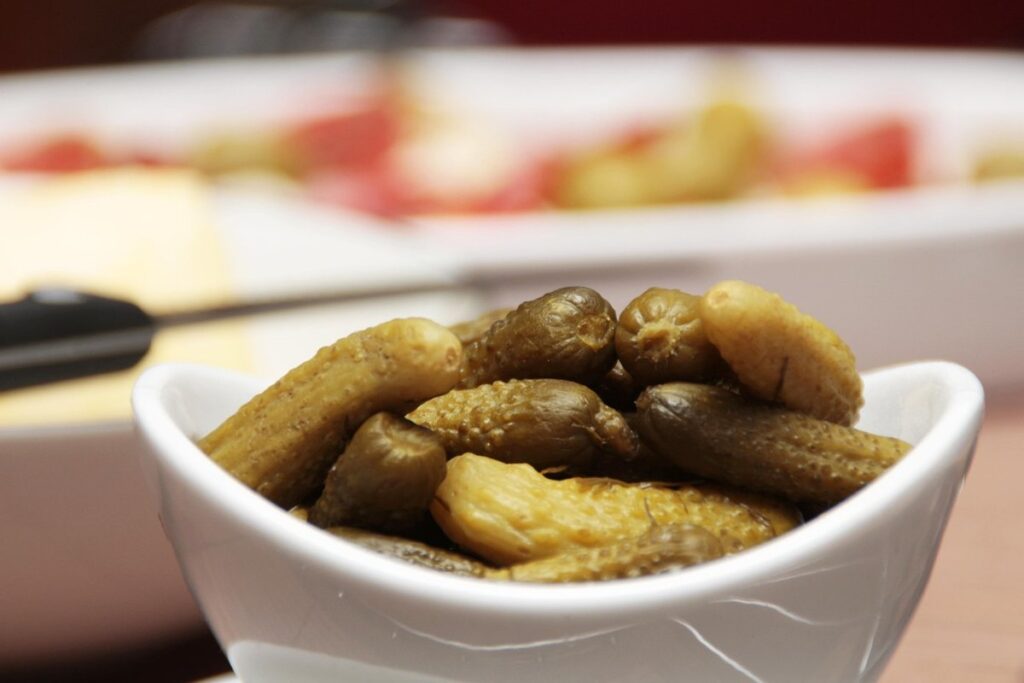
Pickling cucumbers, on the other hand, are shorter and more rounded than slicing types. They have a higher water content and a sweeter flavor, making them ideal for preserving in vinegar or saltwater brine. Try ‘Dill Pickling’ or ‘Sour Pickling’ varieties for a tangy twist.
English cucumbers, also known as hothouse cucumbers, are longer and more slender than slicing types, with a higher water content that makes them refreshing and thirst-quenching. They’re great for slicing thin and adding to salads or sandwiches. ‘Tasty Green’ and ‘Parisienne’ are popular English cucumber varieties.
When selecting seeds for your cucumber crop, choose varieties that match your intended use and climate conditions.
Selecting High-Quality Seeds
When it comes to growing cucumbers from seed, selecting high-quality seeds is a crucial step. It’s essential to choose reputable seed suppliers that specialize in cucumber seeds. Look for companies that offer open-pollinated or heirloom varieties, as these tend to perform better and produce more flavorful fruits.
Before making a purchase, evaluate the seed packet or catalog description carefully. Check the seed origin, germination rate, and days to maturity. A good quality seed should have a clear label with this information. You can also check online reviews from other growers who have purchased seeds from the same supplier.
Using fresh seeds is vital for optimal results. Seeds that are more than two years old may not produce healthy plants or may be less productive. If you’re saving your own seeds, make sure to store them in a cool, dry place and use them within a year. When selecting seeds, choose those that match your growing climate and region, and consider factors like disease resistance and pest tolerance.
Preparing the Soil and Climate
Before you start planting, it’s essential to prepare your soil and climate for optimal cucumber growth. This means creating a warm and well-draining environment that will support healthy development from seed to harvest.
Creating a Suitable Growing Environment
When it comes to creating a suitable growing environment for cucumbers, there are several key factors to consider. First and foremost, temperature plays a crucial role in the growth of cucumber plants. Ideally, cucumbers thrive in temperatures between 65°F (18°C) and 95°F (35°C). If the temperature drops below 55°F (13°C), the plant’s growth will slow down significantly, while temperatures above 100°F (38°C) can cause damage to the leaves.
In terms of humidity, cucumbers prefer a relatively high level of moisture in the air, typically between 50% and 70%. This is especially important during the germination phase when the seeds are sensitive to drying out. To maintain optimal humidity levels, you can cover the seed trays with clear plastic or use a cloche.
Light requirements for cucumbers are also essential. They prefer full sun to partial shade, with direct sunlight for at least 6 hours a day. If you’re growing cucumbers indoors, make sure they receive sufficient light from grow lights or place them near a south-facing window. By providing your cucumber plants with the right temperature, humidity, and light conditions, you’ll be well on your way to creating an ideal environment for healthy growth.
Amending the Soil for Optimal Growth
To amends the soil for optimal growth, you’ll want to focus on creating a well-balanced and fertile environment that’s specifically tailored to cucumbers’ needs. This involves adding organic matter, such as compost or well-rotted manure, which will help to improve soil structure, increase water retention, and provide essential nutrients.
When selecting an organic amendment, consider the pH level of your soil – cucumbers prefer a slightly acidic to neutral soil pH between 6.0 and 7.0. If your soil’s pH is too high or low, you’ll need to make adjustments using lime or sulfur accordingly.
In terms of fertilizers, look for a balanced blend that contains nitrogen, phosphorus, and potassium (NPK) – ideally with an NPK ratio of 10-10-10. Avoid over-fertilizing, as this can lead to weak and leggy growth; instead, focus on providing a steady supply of nutrients throughout the growing season.
Lastly, test your soil before planting by performing a simple pH and nutrient analysis – this will give you valuable insights into its overall health and inform your amendments accordingly.
Sowing Seeds Indoors or Outdoors
Whether you’re starting your cucumber seeds indoors or directly outside, it’s essential to choose the right time and method for sowing. In this crucial step, timing is everything!
Starting Cucumber Seeds Indoors
Starting seeds indoors allows you to get a head start on the growing season and have cucumbers ready to transplant sooner. This means that you can enjoy fresh, homegrown cucumbers for an extended period. By starting seeds indoors, you also gain better control over germination conditions, which is critical for cucumbers.
To begin, fill a seed tray or small pots with a well-draining seed starting mix. Sow the cucumber seeds about ¼ inch deep and 1-2 inches apart. Water gently but thoroughly. Keep the soil consistently moist but not waterlogged during this time. Cucumber seeds typically germinate within 7-10 days.
Use grow lights or place the seed tray near a sunny window to provide sufficient light for the young seedlings. Once they have 2-3 sets of leaves, it’s time to harden them off and prepare them for outdoor transplanting. This process should take around 7-10 days, depending on weather conditions.
By starting cucumber seeds indoors, you’ll be ahead of the game when it comes to getting a bountiful harvest.
Direct Sowing into the Garden
Direct sowing into the garden can be a straightforward and efficient way to get your cucumber seeds growing. To do it successfully, timing is key. In most regions, direct sowing occurs when the soil has warmed up to at least 60°F (15°C), typically in late spring or early summer. Be cautious not to sow too early, as this can leave the seedlings vulnerable to frost damage.
When spacing your cucumber seeds, consider a grid pattern with about 6-8 inches between each seed. This allows for optimal growth and air circulation, reducing the risk of fungal diseases that thrive in humid conditions. Plant the seeds about 1 inch deep, with the soil covering only the seed itself, not the seed’s hilum (the small white scar on one end). For a head start, sow multiple seeds per station and thin them out later, selecting the strongest seedlings to grow.
Sowing directly into the garden allows you to get the seeds right in their final position, which can be an advantage over indoor sowing. However, make sure your soil is well-draining and rich in organic matter before planting.
Transplanting Seedlings
When transplanting seedlings, it’s essential to handle them gently and avoid exposing their sensitive roots to direct sunlight or extreme temperatures. Follow these simple steps for a smooth transition.
Hardening Off Seedlings
Hardening off seedlings is an essential step before transplanting them into the garden. It’s crucial to acclimate your cucumbers to outdoor conditions gradually to prevent shock and increase their chances of survival. When seedlings are suddenly exposed to harsh sunlight, wind, and temperature fluctuations, they can become stressed, leading to weakened roots and reduced growth.
To harden off your cucumber seedlings, start by bringing them outside in a shaded area for 1-2 hours per day. Increase the duration over the next 7-10 days, gradually exposing them to more direct sunlight. Be sure to monitor their response, and if you notice signs of stress such as wilting or yellowing leaves, return them to a shadier location.
A good rule of thumb is to acclimate your seedlings at the same rate they would experience in nature. For example, if it’s been a cold winter, harden off your seedlings more slowly. Similarly, if you’re transplanting into an area with intense sunlight, harden them off for longer periods. By taking this extra step, you’ll be giving your cucumbers the best chance to thrive once transplanted into the garden.
Transplanting Techniques and Timing
Transplanting seedlings into larger containers is a delicate process that requires careful consideration of timing and technique. The ideal time to transplant cucumber seedlings depends on the weather and growing conditions. As a general rule, wait until the seedling has at least two sets of leaves and the soil in the pot has warmed up to around 60°F (15°C). This is usually around 1-2 weeks after sowing.
When transplanting, choose a location with full sun and well-draining soil. Harden off the seedlings by gradually exposing them to outdoor conditions over the course of 7-10 days before moving them into their final position. Water thoroughly the night before transplanting to make the soil easier to handle.
To minimize shock, gently remove the seedling from its pot and tease out any tangled roots with your fingers or a blunt instrument. Plant the seedling at the same depth as it was in the original pot, and water well after transplanting. Keep the soil consistently moist during the first few days after transplanting to help the seedling establish itself.
Training and Pruning Cucumbers
Now that your cucumber plants are growing, it’s time to train them up a trellis or other support to keep them healthy and productive. Learn how to prune your cucumbers for optimal yields.
Trellis Training for Vertical Growth
Trellising cucumbers is an excellent way to promote vertical growth and maximize space utilization. By providing support for the plants as they grow upwards, you’ll be able to enjoy a bountiful harvest with minimal effort.
When using trellises for cucumbers, you can expect to see increased yields compared to growing them on the ground. This is because the concentrated sunlight and optimal air circulation will encourage healthy growth and fruit production. According to a study by the University of California, trellised cucumber plants produced an average of 20% more fruit than their non-trellised counterparts.
To get started with trellising your cucumbers, choose a sturdy trellis or other support system that’s at least 6 feet tall. Place it near your seedlings when they’re about 2-3 inches tall. Gently tie the main stem to the trellis using soft twine or clips, making sure not to damage the delicate plant tissue. As the plants continue to grow, gently weave in additional support as needed.
Keep in mind that a well-designed trellis can make all the difference in promoting vertical growth and maximizing space utilization. Consider using a trellis with horizontal bars spaced about 6-8 inches apart to accommodate the fruiting vines. By giving your cucumbers the support they need, you’ll be rewarded with an abundance of fresh produce come harvest time!
Removing Suckers and Fruiting
Removing suckers and dead leaves is an essential part of promoting healthy growth in your cucumber plants. Suckers are shoots that grow from the base of the plant, between the stem and the main vine. While they may look like they’re doing some good, removing them can actually help direct the plant’s energy towards producing fruit.
To remove suckers, simply snip them off with a pair of clean scissors or pruning shears, taking care not to damage any nearby stems. This process is called “pinching” and should be done regularly to encourage the plant to focus on developing its fruit. Don’t worry about removing all the suckers at once – just take out as many as you can each time.
In addition to removing suckers, make sure to remove any dead or dying leaves from your cucumber plants. This will prevent the spread of disease and help keep your plant healthy and strong. To maximize yields, provide your cucumbers with a trellis or other support system to keep them off the ground, where they can receive more sunlight and air circulation.
Managing Pests and Diseases
As you care for your cucumber plants, it’s inevitable that pests and diseases will appear – know how to identify and treat them effectively. We’ll walk you through common issues and solutions.
Common Cucumber Pests and How to Manage Them
Cucumber pests can be a major headache for gardeners. Among the most common culprits are aphids and whiteflies, tiny insects that feed on plant sap and can spread diseases like cucumber mosaic virus (CMV). These pests thrive in warm weather, making them particularly problematic during the summer months.
Aphids can be controlled with neem oil or insecticidal soap applied directly to the affected areas. Whiteflies are more challenging to manage, as their larvae are often already present on the plant when you notice adults fluttering around. Introduce natural predators like ladybugs or lacewings into your garden to help control whitefly populations.
Slugs and snails also love cucumbers, feeding at night on tender leaves and fruits. To deter these pests, remove weeds that provide shelter for them, and set up copper tape barriers around the plants. Hand-picking is another effective method, particularly for smaller infestations.
Identifying and Treating Fungal Diseases
Fungal diseases can be devastating to your cucumber crop, but identifying them early on is crucial for effective treatment. Keep an eye out for powdery mildew, which appears as a white, powdery coating on leaves and stems. Downy mildew, on the other hand, causes yellowing or bronzing of leaves, while root rot manifests as soft, mushy stems and wilting.
To identify fungal diseases, inspect your plants regularly, paying attention to any unusual growths or discoloration. If you notice any of these symptoms, take action quickly. Start by removing infected plant parts to prevent the disease from spreading. Next, improve air circulation around your plants to reduce moisture levels, which can contribute to fungal growth.
Treatment options include applying fungicides specifically labeled for use on cucumbers, as well as practicing good crop rotation and sanitation techniques. Consider using organic alternatives like neem oil or garlic spray to create a barrier against fungal pathogens. Keep in mind that prevention is key – maintain healthy soil pH, provide adequate sunlight, and avoid overwatering to minimize the risk of fungal diseases taking hold.
Frequently Asked Questions
Can I use old cucumber seeds or do I need to purchase fresh ones each season?
It’s generally recommended to use fresh seed for optimal results. Old seeds may have reduced germination rates, and their viability can decrease over time. If you’re using saved seeds from a previous harvest, it’s best to test their viability by performing a simple germination test before sowing.
How often should I water my cucumber plants during hot weather?
Cucumbers need consistent moisture, especially when they’re producing fruit. Aim to provide about 1-2 inches of water per week, either through rainfall or irrigation. Check the soil daily, and water deeply when necessary to encourage deep root growth and prevent overwatering.
What’s the best way to support my climbing cucumber plants as they grow?
Trellises are a great option for supporting climbing cucumbers. You can also use other types of support, like tomato cages or stakes, depending on your specific growing setup. Make sure to provide sturdy supports that won’t topple over in the wind.
Can I grow cucumbers in containers or do they require a lot of space?
Cucumbers can thrive in containers, especially if you choose compact varieties specifically bred for container growing. Just be aware that container-grown cucumbers may need more frequent watering and fertilization to maintain optimal growth.
How long does it take for cucumber seeds to germinate after sowing?
Germination rates vary depending on factors like soil temperature, moisture, and seed quality. Generally, you can expect cucumber seeds to take around 7-10 days to germinate at temperatures above 60°F (15°C). Keep the soil consistently moist during this period to ensure optimal germination.