
Are you eager to grow your own delicious chickpeas at home? With their versatility in salads, stews, and curries, it’s no wonder people are looking for ways to cultivate these nutritious legumes. But growing chickpeas can be a bit tricky, especially if you’re new to gardening. That’s why we’ve put together this comprehensive guide on how to grow chickpeas.
In this article, we’ll delve into the climate and soil requirements necessary for successful chickpea cultivation, as well as provide expert tips on planting techniques, managing pests, and harvesting these protein-rich legumes at the right time. Whether you’re a seasoned gardener or just starting out, our guide will walk you through everything you need to know about growing healthy, thriving chickpeas in your own backyard. So let’s get started!
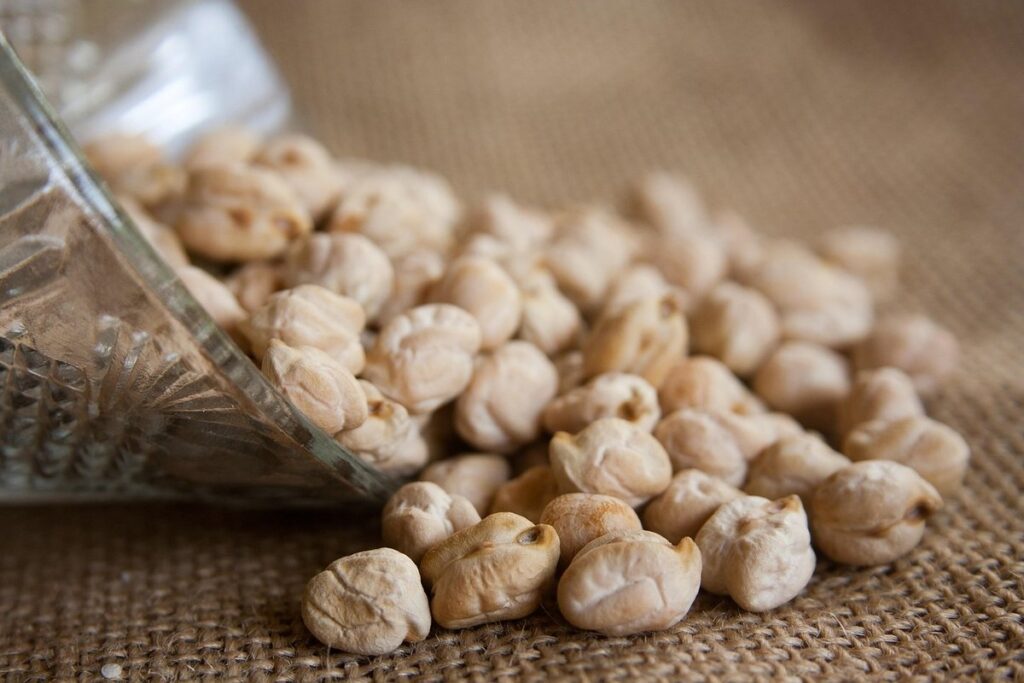
Understanding Chickpea Basics
To grow delicious chickpeas, it’s essential to understand their basic requirements and characteristics. Let’s dive into the specifics of what makes these legumes thrive in your garden.
Brief History and Cultural Significance
Chickpeas have been a staple crop for thousands of years, with evidence of their cultivation dating back to ancient civilizations in the Middle East and Mediterranean. In fact, chickpea remains were found in archaeological excavations in Jordan’s Jericho, which dates back around 9,000 years. The historical use of chickpeas can be seen in many traditional dishes from various cultures, such as hummus in the Middle East, chana masala in India, and falafel in North Africa.
In ancient Greece, chickpeas were considered a valuable crop for their nutritional benefits and versatility. Hippocrates himself wrote about the medicinal properties of chickpeas, including their ability to help with digestion and alleviate symptoms of arthritis. Chickpea cultivation was also widespread in the Roman Empire, where they were valued not only as a food source but also as a form of currency.
Today, chickpeas are an integral part of many cuisines around the world, particularly in regions where they have been cultivated for centuries. They are a testament to human ingenuity and adaptability in growing crops that can thrive in diverse environments. Whether you’re a seasoned farmer or a backyard gardener, understanding the rich history and cultural significance of chickpeas can inspire you to explore new ways of cultivating this versatile legume.
Key Characteristics of Chickpea Plants
Chickpea plants are relatively easy to recognize due to their unique growth habits and physical characteristics. They are annual legumes that grow as a perennial crop in some regions, with long taproots reaching up to 3 feet deep into the soil. This taproot system allows chickpea plants to tap into water sources deeper than other crops, making them more drought-resistant.
Their leaves are typically dark green and alternate on either side of the stem, often forming an umbrella-like shape. Chickpea plants can grow quite tall, reaching heights of up to 3 feet in ideal conditions. They produce small white or pinkish flowers that grow directly from the top of the plant, with both male and female parts located on separate flowers.
To identify chickpea plants during growth stages, observe their stem coloration – younger stems are often reddish-green while mature ones turn dark green as they age.
Climate and Soil Requirements
To grow delicious chickpeas, you’ll need to understand the ideal climate and soil conditions that will help them thrive. This involves knowing how much sunlight and water they require.
Ideal Temperature Ranges for Chickpea Growth
Chickpea plants thrive in a specific temperature range, and understanding these ranges is crucial for successful cultivation. When it comes to germination, the ideal temperature range is between 65°F (18°C) and 75°F (24°C). If the soil temperature drops below this range, germination may be slowed or even halted.
As seedlings establish themselves, they require a slightly warmer temperature of around 70°F (21°C) to 80°F (27°C). This allows them to develop their root system effectively and grow strong stems. During this stage, it’s essential to maintain consistent moisture levels in the soil to prevent stress on the young plants.
For mature plant growth, chickpeas prefer a slightly cooler temperature of around 65°F (18°C) to 75°F (24°C). This allows them to focus their energy on producing pods and seeds. Keep in mind that extreme temperatures can cause damage to the plants, so monitoring the temperature is crucial.
In regions with mild winters, chickpea plants can be grown as a winter crop. In such cases, the ideal temperature range for mature plant growth may be slightly lower, around 55°F (13°C) to 65°F (18°C).
Soil pH and Nutrient Levels for Healthy Growth
When growing chickpeas, understanding the ideal soil pH and nutrient levels is crucial for optimal growth. Chickpeas thrive in slightly acidic to neutral soils with a pH between 6.0 and 7.5. Soils with high acidity or alkalinity can lead to reduced yields and stunted growth.
In terms of nutrient levels, chickpeas require an adequate supply of nitrogen (N), phosphorus (P), and potassium (K) for healthy growth. Nitrogen promotes leaf development, while phosphorus fosters root growth and flowering. Potassium helps regulate plant water balance and enhances overall vigor. Aim to maintain a soil N-P-K ratio of 15-10-10 or similar.
To ensure your chickpeas receive the necessary nutrients, you can conduct a soil test before planting. Based on the results, apply balanced fertilizers according to the recommended rates for optimal nutrient uptake. For example, if your soil test indicates low nitrogen levels, use a starter fertilizer with 20-20-10 N-P-K ratio during sowing or after germination. Monitor and adjust as needed to achieve the ideal nutrient balance for your chickpea crop.
Preparing the Field and Planting Chickpeas
Before planting your chickpea seeds, it’s essential to prepare the soil properly by loosening the top 8-10 inches of the field. This will ensure healthy root development and optimal growth.
Land Selection and Preparation Techniques
Selecting the right land for chickpea cultivation is crucial for a bountiful harvest. Before planting, it’s essential to evaluate the soil quality and structure to ensure it meets the chickpeas’ specific needs. Begin by conducting a soil test, which will provide valuable insights into the pH level, nutrient content, and presence of any contaminants.
A well-draining soil with a pH between 6.0 and 7.5 is ideal for chickpea cultivation. Sandy loam or clay-loam soils are particularly suitable, as they retain moisture but also allow for adequate drainage. If your soil test reveals low fertility or nutrient deficiencies, apply organic amendments such as compost or manure to enrich the soil.
When preparing the field, break up any compacted soil and remove debris like rocks, weeds, or roots that can hinder seed germination. Tillage should be done at least 8-10 inches deep to loosen the soil and create a smooth surface for sowing seeds. This will also help prevent waterlogging and root rot, common problems in chickpea cultivation.
Once you’ve selected suitable land with optimal soil conditions, begin planting your chickpeas. By following these simple steps, you’ll be well on your way to growing healthy and productive chickpea plants.
Seed Selection, Treatment, and Planting Methods
When it comes to growing chickpeas, selecting the right seeds is crucial for optimal germination rates. Look for high-quality seeds from reputable suppliers that have been tested for purity and germination rate. This may require some research on your part, but trust us, it’s worth it.
If you’re planting multiple varieties of chickpeas, be sure to label each seed packet with the specific variety name and any relevant growing instructions. This will help prevent confusion later on and ensure that you’re providing each variety with its optimal growing conditions.
Before planting, consider treating your seeds with a pre-germination treatment such as sulfuric acid or calcium ammonium nitrate (CAN) to increase their chances of germinating evenly. Some gardeners also swear by soaking seeds in water for 24 hours before planting, but be sure to follow the specific instructions provided with your seed packet.
When it’s time to plant, make sure to sow your chickpea seeds about 1-2 inches deep and 3-4 inches apart in well-draining soil. This will give them room to grow without becoming overcrowded. Water gently but thoroughly after planting to settle the soil around the roots.
Chickpea Growth Stages and Care
As you prepare to bring your chickpea crop to life, let’s dive into the crucial growth stages and care requirements that’ll ensure a successful harvest. Understanding these stages is key to optimal growth.
Germination and Seedling Establishment (0-2 weeks)
As you begin growing chickpeas, the first two weeks are crucial for setting the stage for healthy growth and development. This is a period of rapid germination and seedling establishment, where the tiny seeds break through the soil’s surface to initiate photosynthesis.
Factors such as temperature, moisture, and sowing depth can significantly influence germination success. For chickpeas, an ideal sowing depth is 2-3 cm deep, allowing for even water absorption and warmth retention. Ensure the soil is consistently moist but not waterlogged, as excessive moisture can lead to seed rot.
It’s also essential to maintain a temperature range of around 10-15°C (50-59°F) for optimal germination. If you’re growing in areas with fluctuating temperatures, use row covers or cold frames to regulate the temperature and provide protection from extreme weather conditions.
During this period, be on the lookout for signs of seedling establishment, such as small white roots breaking through the soil surface. With proper care and attention, your chickpea seeds should start to germinate within 7-10 days, initiating a journey towards healthy growth and eventual harvest.
Maturation and Flowering Stage (4-6 weeks)
At this stage, your chickpea plants will undergo significant changes as they transition from vegetative growth to reproductive growth. This is a critical period where the plants focus on producing flowers, which are essential for pollination and seed production.
As you approach 4-6 weeks after sowing, you’ll start noticing the first signs of flower formation. This can be a bit tricky to spot, especially if your plants have been grown in shaded areas or under dense foliage. However, keep an eye out for small white or purple blooms that will appear at the tips of the stems.
Pollination is a vital process that occurs when bees, butterflies, and other pollinators transfer pollen from one flower to another. To promote effective pollination, ensure your plants have adequate sunlight (at least 6 hours of direct sunlight) and are placed in an area with good air circulation. If you’re growing in containers, consider moving them near a sunny spot or using supplemental lighting.
Fertilization occurs when the pollen from one flower fertilizes the egg cell in another flower, resulting in seed formation. To support healthy fertilization, maintain a balanced fertilizer regimen and keep the soil consistently moist but not waterlogged. This will provide your plants with the necessary nutrients to produce high-quality seeds.
Pest Management and Common Challenges
Growing chickpeas can be a delicate process, especially when pests and common challenges arise. Let’s tackle these issues head-on and explore effective pest management strategies together.
Integrated Pest Management Strategies for Chickpeas
When it comes to growing chickpeas, pests can be a major concern. A well-planned integrated pest management (IPM) strategy is crucial to ensuring a healthy and productive crop. IPM involves combining physical, cultural, biological, and chemical controls to manage pest populations.
For chickpea farmers, some common pests include aphids, whiteflies, and spider mites. To manage these pests, start by practicing good crop hygiene, such as removing weeds that can harbor pests and disposing of infested plants. Encourage beneficial insects like ladybugs and lacewings, which prey on pest species.
Use physical barriers to prevent pests from reaching your chickpea plants. For example, fine mesh screens or fine-mesh row covers can keep out aphids and whiteflies. Cultural controls involve modifying farm practices to discourage pest populations, such as rotating crops and adjusting irrigation schedules.
If chemical controls are necessary, choose targeted pesticides that minimize harm to beneficial insects. Always follow label instructions carefully and take steps to prevent drift and overspray. By adopting an IPM approach, you can reduce the risk of pests damaging your chickpea crop and promote a healthy ecosystem for your plants to thrive in.
Disease Prevention and Treatment Options
When growing chickpea crops, one of the biggest challenges you’ll face is disease prevention and treatment. Chickpeas are susceptible to a range of diseases, including fusarium wilt, powdery mildew, and ascochyta blight. These diseases can significantly impact yields and reduce crop quality.
To prevent disease, it’s essential to maintain good soil health through practices like crop rotation, composting, and cover cropping. This will help promote beneficial microorganisms that suppress pathogens. Regular field sanitation is also crucial – remove any infected debris, weeds, or volunteer plants from your field.
Integrated pest management (IPM) approaches can minimize chemical use while still controlling disease. For example, introducing resistant varieties or using physical barriers to prevent fungal spores from spreading. Biological control methods like introducing Trichoderma harzianum, a fungus that suppresses ascochyta blight, are also effective.
Monitor your crops regularly for signs of disease, and take action promptly if you spot any issues. By adopting these integrated approaches, you can minimize the risk of disease and ensure healthy, thriving chickpea crops.
Harvesting and Post-Harvest Care
Once your chickpeas are ripe, it’s essential to carefully harvest them to ensure their quality and longevity. Proper post-harvest care will also help you store and enjoy your delicious crop for months to come.
Timing and Methods for Optimal Harvest Yields
When to Harvest Your Chickpea Crop for Maximum Yield
Determining the optimal harvest timing is crucial for achieving high-quality yields and minimizing crop losses. Chickpeas are typically ready for harvest 100 to 110 days after sowing, depending on factors such as climate, soil type, and variety.
To determine if your chickpeas are ripe for harvesting, check for a few key signs: the pods should be dry and brittle, with a deep yellow or tan color. Avoid over-ripening, which can lead to reduced quality and lower yields.
For mechanical harvesting, consider using a combine harvester or a specialized grain header attachment. Hand-picking or swathing (cutting the crop into windrows) may also be effective methods for small-scale operations.
Monitor weather forecasts closely before harvesting to avoid rain damage and preserve soil health. Proper timing can significantly impact overall harvest efficiency and yields.
Storage, Handling, and Processing Techniques
Proper storage and handling techniques are crucial to maintaining the quality of harvested chickpeas. Chickpeas should be dried to a moisture level between 12% and 14% before being stored. This can be achieved by spreading them out in a thin layer on a clean surface or using a food dehydrator.
When storing, keep chickpeas away from direct sunlight and heat sources, as this can cause spoilage and rancidity. Store them in sealed containers to maintain their flavor and nutritional value. An ideal storage temperature ranges between 50°F to 60°F (10°C to 15°C), with a relative humidity of 60% to 70%.
Processing chickpeas involves either dry roasting or wet processing methods, depending on the intended use. Dry roasting enhances their nutty flavor and crunchy texture, while wet processing makes them more palatable for recipes that require cooked chickpeas. For optimal quality, process chickpeas immediately after storage, as prolonged storage can reduce their shelf life and nutritional value.
It’s also essential to handle chickpeas gently during transportation and storage to avoid damage or breakage. This includes using clean containers, inspecting the beans regularly for signs of spoilage, and properly rotating stored stock to ensure even moisture levels.
Frequently Asked Questions
How can I ensure my chickpeas receive the right amount of sunlight for optimal growth?
Yes, make sure your chickpea plants are receiving at least six hours of direct sunlight per day. If you’re growing them indoors or in a shaded area, consider using grow lights to supplement natural light. This will help promote healthy photosynthesis and support overall plant growth.
What’s the best way to store harvested chickpeas for long-term use?
To keep your harvested chickpeas fresh for an extended period, store them in an airtight container at room temperature or in the refrigerator. Make sure they’re completely dry before storage to prevent moisture-related issues. When stored properly, chickpeas can last up to six months.
How do I know when it’s time to harvest my chickpea crop?
Chickpeas are typically ready for harvest about 120-150 days after planting. Check for readiness by gently tugging on a stem – if the pods come off easily, they’re likely ripe. Harvest your chickpeas in the morning, when the plants are still dry from the night’s dew.
Can I grow multiple varieties of chickpeas together?
Yes, you can grow multiple varieties of chickpeas together as long as they have similar growth habits and mature at around the same time. However, make sure to research their specific growing requirements to ensure optimal coexistence. This will also help promote pollination among different plants.
What’s a common mistake beginners make when planting chickpeas?
A common mistake is planting chickpea seeds too deep or too shallow. The ideal planting depth for chickpea seeds is about 1-2 inches, depending on the specific variety. Planting them too deeply can lead to poor germination and weakened seedlings, while planting them too shallow exposes them to drying out and pests.