
If you’re looking to add some excitement to your garden, consider growing chard cut-and-come-again. This versatile crop is packed with nutrients and can thrive in various conditions, making it perfect for gardeners of all levels. What sets chard apart from other leafy greens is its ability to regrow after harvesting – allowing you to enjoy a continuous harvest throughout the season. But that’s not all – we’ll also be covering tips on how to properly care for your chard crop, including advice on harvesting, managing pests and diseases, and more. Whether you’re a seasoned gardener or just starting out, this article will provide everything you need to know to grow and cook with chard cut-and-come-again like a pro.
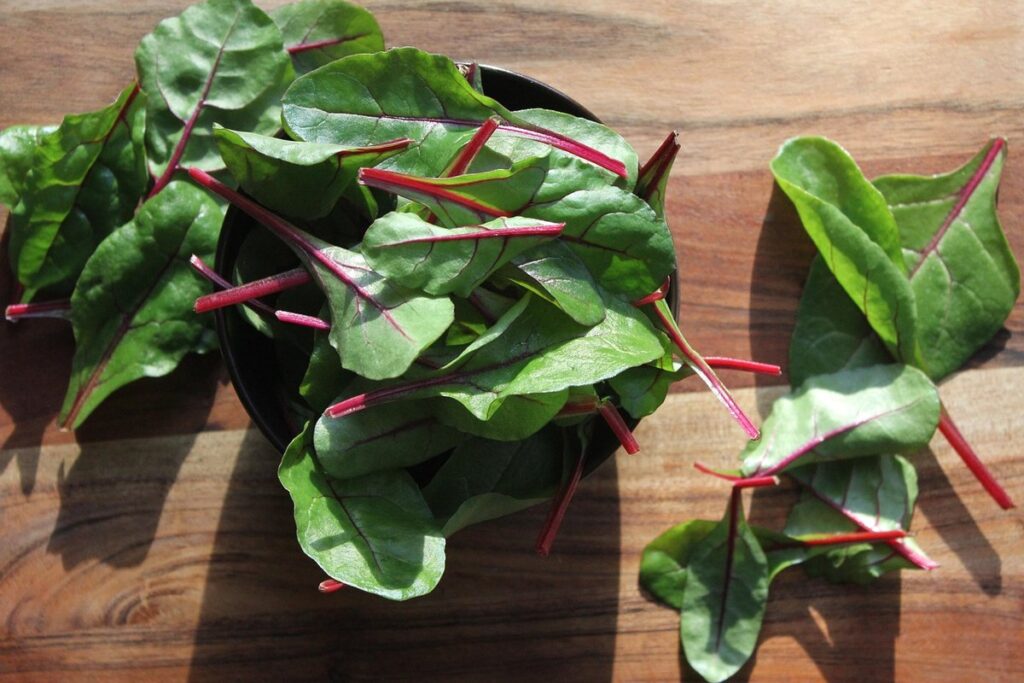
What is Chard Cut-and-Come-Again?
Chard cut-and-come-again is a popular, easy-to-grow variety that produces multiple harvests from a single planting. Let’s dive into what makes it so unique and useful in your garden.
Definition and History
Chard is a member of the beet family and has been cultivated for over 3,000 years. Its origin dates back to ancient civilizations, where it was prized for its nutritional value and versatility in cooking. Today, chard remains a popular choice among gardeners due to its ease of growth and hardiness.
As a cut-and-come-again crop, chard is classified as a type of leafy green vegetable that can be harvested multiple times from the same plant. This characteristic makes it an attractive option for gardeners who want to maximize their space and reduce waste. Chard’s ability to regenerate new growth after harvesting also allows gardeners to enjoy its leaves throughout the growing season.
The cut-and-come-again nature of chard has been a key factor in its widespread adoption among gardeners. With proper care, including regular watering and fertilization, chard can thrive in a variety of conditions and produce high-quality leaves that are rich in vitamins A and K.
Characteristics and Types
Chard cut-and-come-again is a diverse and versatile crop, with several types to choose from. Among them are rainbow chard, red chard, and white chard. Each of these varieties boasts its own unique characteristics that set it apart.
Rainbow chard is the most visually striking option, featuring vibrant colors in shades of pink, orange, yellow, green, and white. Its stalks are typically thicker than those of other types, making them ideal for steaming or sautéing. This variety also tends to bolt more quickly than others, which can lead to a faster harvest.
Red chard is known for its deep red stems, while white chard has pale yellow-green leaves with virtually no stem coloration. Both of these varieties tend to mature more slowly than rainbow chard and are often preferred by gardeners who value their slightly sweeter flavor profiles.
In terms of growth habits, some chard cut-and-come-again types will grow taller than others, making them suitable for container gardens or raised beds with space constraints. For example, rainbow chard can reach heights of up to 18 inches, while red and white varieties typically top out at 12-15 inches.
Growing Chard Cut-and-Come-Again
To get the most out of your cut-and-come-again chard crop, it’s essential to understand how to properly grow and maintain this hardy leafy green. In this section, we’ll cover the ins and outs of growing chard successfully.
Choosing the Right Location
When growing chard cut-and-come-again, selecting the right location is crucial for its optimal growth and productivity. Direct sunlight is essential for chard’s growth, so choose a spot that receives at least 6 hours of direct sunlight per day. However, be mindful of extreme heat, as this can cause bolting (premature flowering) in chard.
Soil type is another critical factor to consider. Chard prefers well-draining, fertile soil rich in organic matter. If your garden’s native soil lacks these qualities, amend it with compost or well-rotted manure to create a suitable environment for chard growth. Avoid waterlogged areas, as this can lead to root rot and other issues.
Ensure good drainage by planting chard on slightly raised beds or mounds, which will also help to prevent water from accumulating around the roots. This simple yet crucial step will set your chard up for success and make it a thriving part of your garden.
Sowing and Planting
When it comes to growing chard cut-and-come-again, sowing and planting is where it all begins. If you’re looking to start from seed, you have two options: direct sowing into the ground or starting them indoors for a head start on the growing season.
To sow seeds directly into the ground, choose a spot with full sun (at least 6 hours of direct sunlight) and well-draining soil that’s rich in organic matter. Sow seeds about 1-2 inches deep and 1-2 inches apart in rows spaced 12-18 inches apart. Keep the soil consistently moist during the first few weeks after sowing.
Starting seeds indoors allows you to get a jump on the growing season, but be sure to harden off seedlings before transplanting them outside. This involves gradually exposing them to outdoor conditions over the course of 7-10 days to prevent shock. Space seedlings 12-18 inches apart in rows that are at least 2 feet apart to allow for proper air circulation and prevent overcrowding.
Transplant seedlings when they have 2-3 sets of leaves, making sure not to disturb their roots too much during the process. Water thoroughly after transplanting and keep the soil consistently moist during the first few weeks after sowing or transplanting.
Care and Maintenance of Chard Cut-and-Come-Again
To get the most out of your chard cut-and-come-again crop, it’s essential to understand how to properly care for and maintain these hardy plants. With regular maintenance, they’ll continue to thrive and provide you with a bountiful harvest all season long.
Watering and Irrigation
When it comes to watering and irrigation for your chard cut-and-come-again plants, getting it just right is crucial. Chard needs consistent moisture, especially when it’s producing new leaves, but overwatering can be detrimental. Aim to water your plants deeply once or twice a week, depending on the weather conditions.
To avoid overwatering, check the soil moisture by inserting your finger into the soil up to the knuckle. If the soil feels dry, it’s time to water. Also, make sure not to get water on the leaves to prevent fungal diseases. Instead, focus on watering the base of the plant.
For a more efficient and automated irrigation system, consider using drip irrigation or soaker hoses. These systems deliver water directly to the roots, reducing evaporation and runoff. For smaller spaces, you can also use self-watering planters that have built-in water reservoirs.
By following these tips, you’ll be able to provide your chard cut-and-come-again plants with the right amount of moisture they need to thrive. Remember to adjust your watering schedule as needed based on weather conditions and the growth stage of your plants.
Fertilization and Mulching
Fertilization is crucial for promoting healthy growth and ensuring that your chard cut-and-come-again plants produce an abundance of leaves. Since they’re a nitrogen-loving crop, it’s essential to provide them with regular doses of fertilizer during their growing season. A balanced, water-soluble fertilizer (such as 20-20-20 N-P-K) is ideal for providing equal amounts of nitrogen, phosphorus, and potassium.
For mulching, use a thick layer (around 3-4 inches) of organic materials like straw or wood chips to retain moisture, suppress weeds, and regulate soil temperature. Mulching also helps to reduce the need for frequent watering and prevents overwatering that can lead to root rot. Consider using compost tea as an alternative to synthetic fertilizers – it’s a liquid solution made by steeping compost in water, providing beneficial microbes that promote plant growth.
To minimize waste and create a nutrient-rich mulch, add kitchen scraps like vegetable peels, coffee grounds, or eggshells to your compost pile. Regularly turning the compost will help speed up decomposition.
Harvesting Chard Cut-and-Come-Again
To maximize your crop, you’ll want to learn how and when to harvest chard cut-and-come-again, a process that’s both easy and rewarding. Here are some tips to get you started.
Identifying Maturity
Identifying maturity in chard cut-and-come-again is crucial for maintaining its continuous growth and preventing it from flowering. To determine if the leaves are ready for harvest, look for signs of maturity such as a deep green color, firm texture, and slightly bitter taste.
When harvesting, use a sharp knife or scissors to cut the outer leaves at an angle just above the crown. This technique promotes new growth by allowing light to reach the inner leaves. It’s essential to leave some leaves intact to allow the plant to continue producing new growth.
The optimal time for harvest is usually in the morning when the leaves are at their highest water content and tenderness. Avoid harvesting in extreme weather conditions, such as intense heat or cold, which can shock the plant. Regular harvesting also encourages bushy growth and prevents the plant from flowering prematurely. Harvesting every 2-3 days will keep the chard cut-and-come-again under control and ensure a continuous supply of fresh leaves throughout the growing season.
Cutting and Regrowth
Cutting individual leaves or stems is the key to encouraging Chard Cut-and-Come-Again to produce new growth. This process allows you to harvest a continuous crop throughout the season, making it an ideal choice for busy gardeners or those who want to enjoy fresh chard year-round. To maximize yield, cut the largest and most mature leaves first, typically around 4-6 inches from the base of the plant.
When cutting, make sure to leave about an inch of stem intact to prevent damage to the crown. You can also remove any weak or discolored growth to promote healthy regrowth. Factors that affect yield include temperature, light, and water levels. Cooler temperatures (around 60-70°F) and sufficient moisture tend to encourage more vigorous growth.
In ideal conditions, you can expect a mature Chard Cut-and-Come-Again plant to produce new leaves every 10-14 days. Regular harvesting not only keeps the plant healthy but also encourages it to produce even more tender shoots. To maintain optimal performance, ensure your plants receive at least 6 hours of direct sunlight and maintain consistent watering schedules. By following these simple guidelines, you can enjoy a bountiful harvest from your Chard Cut-and-Come-Again crop.
Pests and Diseases of Chard Cut-and-Come-Again
When growing chard cut-and-come-again, you may encounter some common pests and diseases that can affect its health and yield. Let’s take a closer look at these potential issues and how to manage them.
Common Pests and Their Management
Chard cut-and-come-again is susceptible to several common pests that can damage its leaves and undermine its healthy growth. One of the most recognizable pests is the aphid, a small, soft-bodied insect that feeds on plant sap. Aphids are typically found on the underside of leaves, where they form colonies and secrete sticky honeydew that attracts other insects. To manage aphid infestations, spray your plants with a strong jet of water to dislodge them, or use neem oil as a natural pesticide.
Slugs and snails are also a common problem for chard cut-and-come-again growers. These pests feed on leaves at night, leaving behind a trail of slime that can be unsightly and damage the plant’s appearance. To deter slugs and snails, create a barrier around your plants using copper tape or crushed eggshells. Alternatively, try using beer traps to attract and trap these pests.
Regular monitoring is key to catching pest problems early on, so make it a habit to inspect your chard regularly for signs of infestation.
Fungal and Bacterial Diseases
Chard cut-and-come-again is susceptible to various fungal and bacterial diseases that can significantly impact its growth and yield. One of the most common fungal diseases affecting chard is powdery mildew, which appears as a white, powdery coating on the leaves. To prevent this disease, ensure good air circulation around your plants by providing adequate space between them. You can also use copper-based fungicides or organic alternatives like neem oil to control its spread.
Another fungal disease that affects chard is downy mildew, characterized by yellowing leaves and a white, cotton-like growth on the underside of leaves. To prevent this disease, maintain high humidity levels in your greenhouse or indoor growing space, but avoid overwatering, which can exacerbate the problem. Regularly inspect your plants for signs of disease, and treat them promptly with fungicides or remove infected leaves to prevent the spread.
Bacterial diseases like bacterial leaf spot can also affect chard cut-and-come-again. These diseases often appear as small, circular lesions on the leaves and can lead to a significant loss in yield if left untreated. To prevent bacterial diseases, ensure proper sanitation of your growing area, disinfect tools regularly, and avoid overwatering, which can create an ideal environment for bacteria to thrive.
Cooking with Chard Cut-and-Come-Again
Now that you know how to grow and care for chard cut-and-come-again, let’s dive into some delicious ways to incorporate it into your cooking. We’ll explore its versatile uses in various recipes.
Preparation Methods
When it comes to preparing chard cut-and-come-again for consumption, there are several methods you can use depending on the desired texture and flavor. Before cooking, make sure to give the leaves a good rinse under cold running water to remove any dirt or debris that may be clinging to them.
To chop the leaves, simply stack them on top of each other and cut them into manageable pieces using a sharp knife. Alternatively, you can use scissors to snip off individual leaves from the stem. This is especially useful for smaller bunches of chard.
For sautéing, heat some oil in a pan over medium-high heat and add a pinch of salt to help bring out the flavors. Add the chopped chard leaves and cook until they’re wilted and tender, stirring occasionally. You can also add aromatics like garlic or onion for extra flavor.
Boiling is another option for cooking chard, but be careful not to overcook it – a few minutes in boiling water will suffice. Steaming is a great way to preserve the nutrients and color of the leaves, simply place them in a steamer basket and cook until tender.
Recipe Ideas and Pairings
Chard Cut-and-Come-Again is an incredibly versatile ingredient that can be used in a variety of dishes, from savory main courses to sweet desserts. To get the most out of this leafy green, try incorporating it into your favorite recipes or experimenting with new ideas.
For a classic pairing, combine chard with garlic and lemon for a flavorful side dish. Simply sauté chopped garlic until fragrant, add in fresh chard leaves, and squeeze a bit of lemon juice over the top. This combination brings out the natural sweetness in the chard while adding a tangy kick.
Incorporating earthy flavors can also elevate your dishes. Try pairing chard with mushrooms and thyme for a hearty vegetarian main course. Simply sauté sliced mushrooms and chopped fresh thyme until fragrant, then add in chopped chard leaves and cook until wilted.
Some other fun pairings to try include:
• Chard with cherry tomatoes and balsamic glaze for a sweet and tangy salad
• Chard with roasted garlic and olive oil for a rich and savory soup base
• Chard with chopped fresh herbs like parsley or cilantro for a bright and refreshing salsa
Remember, the key to working with chard is to experiment and find your favorite pairings. Don’t be afraid to try new combinations and flavors to bring out its unique qualities!
Frequently Asked Questions
Can I grow chard cut-and-come-again indoors, or is it strictly an outdoor crop?
Chard can be grown indoors with proper lighting, but it will not produce the same size and yield as outdoor-grown plants. Consider using grow lights to supplement natural light for optimal growth.
How often should I harvest my chard cut-and-come-again crop to encourage regrowth?
Harvesting every 7-10 days will promote continuous growth and prevent bolting (premature flowering). Remove individual leaves or stems as needed, leaving about an inch of stem intact to allow for regrowth.
What are some common pests that target chard cut-and-come-again, and how can I manage them?
Watch out for aphids, slugs, and snails, which can damage leaves and stems. Use neem oil or insecticidal soap to control aphid infestations, and hand-pick slugs and snails at night with a flashlight.
Can I grow multiple varieties of chard cut-and-come-again together, or should I stick to one type?
While it’s technically possible to grow different types together, it’s not recommended. Different varieties may have varying growth habits, maturity rates, or disease resistances, which can lead to overcrowding and competition for resources.
What are the optimal conditions for chard cut-and-come-again to thrive in a container garden?
Choose containers with good drainage (at least 6-8 hours of direct sunlight) and well-draining potting mix. Water when the top inch of soil feels dry, and fertilize regularly with a balanced, water-soluble fertilizer.