
Growing your own delicious cauliflower can be a rewarding experience, but getting those perfect white heads can be a challenge. If you’re tired of store-bought varieties that lack crunch and flavor, it’s time to learn how to grow cauliflower like a pro. The right variety is key – look for ones bred specifically for their ability to produce large, tight curds. But that’s just the beginning. From preparing the soil to harvesting at the peak of freshness, every step matters when it comes to growing crisp, white cauliflower heads. In this article, we’ll take you through everything you need to know, from selection and care to storage and preservation tips, so you can enjoy your homegrown cauliflower at its best.
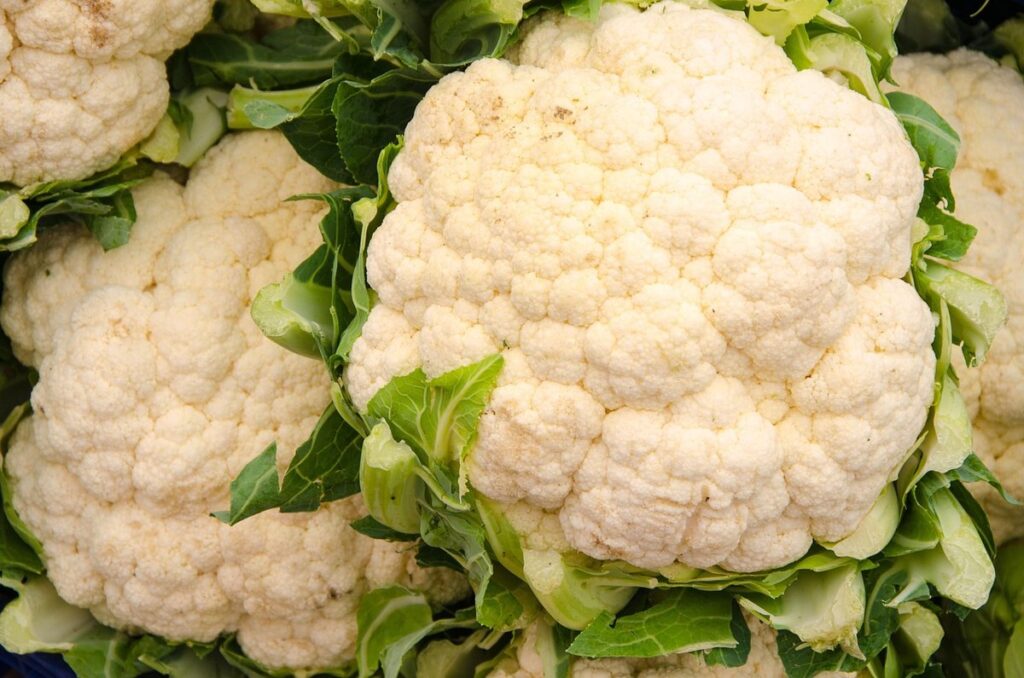
Choosing the Right Variety
When it comes to growing cauliflower, selecting the right variety is crucial for success. This section will walk you through the factors to consider when choosing a cauliflower variety that suits your needs.
Understanding Cauliflower Types
When selecting cauliflower varieties for your garden, it’s essential to consider the different types available and their specific growth requirements. Cauliflower comes in a range of colors, including white, orange, purple, green, and even bi-colored options. Each color variety has its own unique characteristics, and some are better suited to certain climates or harvest times.
For example, white cauliflower is one of the most popular varieties and is widely adaptable to various regions. It prefers cooler temperatures and well-drained soil, making it an excellent choice for areas with mild winters. On the other hand, orange cauliflower thrives in warmer conditions and requires more moisture than its white counterpart.
When choosing a variety, consider your climate, desired harvest time, and personal preference. If you live in an area with hot summers, opt for heat-tolerant varieties like ‘Graffiti’ or ‘Romanesco’. For cooler climates, try ‘Snow Crown’ or ‘White Dot’. Make sure to read the seed packet or consult with a local nursery for guidance on selecting the perfect variety for your garden.
Considering Climate and Seasonality
When growing cauliflower heads, it’s essential to consider the climate and seasonality of your area. Temperature, humidity, and daylight hours all play a significant role in determining the health and yield of your plants.
In cooler climates with moderate temperatures between 60°F to 70°F (15°C to 21°C), cauliflower thrives best. Avoid planting in areas with extremely low temperatures as this can cause damage to the plant’s delicate florets. On the other hand, hot climates above 80°F (27°C) can lead to premature flowering and a decrease in crop quality.
To prepare your soil for optimal results, make sure it drains well and has a pH between 6.0 and 7.0. In areas with high humidity, ensure good air circulation around the plants to prevent fungal diseases from developing. When planning your planting schedule, consider the average frost dates in your area. In general, cauliflower is a cool-season crop that does best when planted in early spring or late summer/early fall for a fall harvest.
Preparing the Soil
Before planting cauliflower, it’s essential to prepare your soil properly by loosening and aerating it to a depth of at least 12 inches. This will ensure healthy growth and prevent any potential issues.
Soil pH and Nutrient Requirements
Cauliflower is a cool-season crop that thrives in well-balanced soil with a pH between 6.0 and 7.0. This optimal range allows the plant to absorb essential nutrients more efficiently, promoting healthy growth and development of those beautiful white heads.
To determine your soil’s pH level, you can purchase a DIY testing kit or send a sample to a lab for analysis. If your results indicate a pH outside this ideal range, take corrective action by adding lime to raise the pH or sulfur to lower it. For example, if your pH is too high (above 7.0), add elemental sulfur at a rate of 1-2 pounds per 100 square feet.
In terms of nutrient levels, cauliflower requires a moderate supply of nitrogen (N), phosphorus (P), and potassium (K). Aim for the following levels: N-P-K ratios of 10-10-10 to 15-15-15. For optimal growth, ensure your soil has adequate phosphorus, which is crucial for root development and head formation. Apply a balanced fertilizer according to package instructions or use compost tea as an alternative to promote nutrient availability.
Composting and Organic Amendments
When it comes to growing cauliflower heads properly, preparing the soil is crucial. One of the most effective ways to do this is by adding compost or organic matter to improve its structure and fertility. This simple yet powerful technique has numerous benefits for your crop.
By incorporating compost into your soil, you’ll be creating a nutrient-rich environment that promotes healthy root growth, increased water retention, and a robust defense against pests and diseases. Compost also helps to balance the pH levels in your soil, ensuring it’s neither too acidic nor alkaline for your cauliflower plants.
If you’re new to composting or prefer store-bought alternatives, don’t worry – there are many options available. A homemade compost recipe can be as simple as combining kitchen scraps (fruits and vegetables) with brown materials like leaves or straw in a designated bin. Alternatively, consider purchasing bagged compost from your local gardening store. Some popular brands offer high-quality products that are specifically formulated to support vegetable growth.
To get started, set aside a dedicated space for your compost pile and follow these basic steps:
• Add a mix of green (high-nitrogen) materials like kitchen scraps, manure, or blood meal
• Balance with brown (low-nitrogen) materials such as dried leaves, straw, or shredded newspaper
• Maintain a moisture level that’s neither too dry nor soggy
• Turn the pile regularly to ensure even decomposition and microbial activity
By implementing these composting practices into your garden routine, you’ll be well on your way to growing robust cauliflower heads with optimal flavor and texture.
Sowing and Transplanting
When it comes to growing cauliflower heads, sowing and transplanting are crucial steps that require attention to detail. Let’s dive into the specifics of how to get this right from the start.
Seed Selection and Sowing
When it comes to growing cauliflower heads properly, selecting high-quality seeds is essential. Look for reputable seed suppliers that offer varieties suitable for your climate and desired head size. Check the seed packet or online description for important details such as days to maturity, growth habits, and disease resistance.
Before sowing, prepare the area by loosening the soil to a depth of about 12-18 inches. Cauliflower prefers well-draining, rich soil with a pH between 6.0 and 7.0. If your soil is heavy clay or sandy, mix in organic matter like compost to improve its structure.
To sow cauliflower seeds, plant them 2-3 inches deep and 24-36 inches apart, depending on the variety. Water gently but thoroughly after planting. Sowing seeds too deeply can lead to poor germination, while sowing them too close together can result in overcrowding and reduced head size. By choosing high-quality seeds and preparing the sowing area properly, you’ll be off to a great start with growing healthy cauliflower heads.
Transplanting vs. Direct Sowing
When deciding between transplanting and direct sowing for cauliflower, consider the climate and soil quality of your garden. Direct sowing can be a good option in regions with mild winters, where cauliflower can mature before the hot summer months arrive. In areas with unpredictable weather patterns or cool summers, however, transplanting from seedlings can provide better results.
Transplanting allows you to control the initial conditions for your plants’ growth, such as soil temperature and moisture levels, which is crucial for cauliflower’s sensitive roots. When direct sowing in poor-quality soil, cauliflower may struggle with nutrient deficiencies and water retention issues. Transplanted seedlings also enable more precise pest management, reducing the risk of infestation by aphids, whiteflies, or other pests that can target young plants.
Ultimately, choose the method based on your specific climate and garden conditions.
Watering and Irrigation
Now that we’ve covered the basics of preparing your cauliflower bed, let’s dive into the specifics of watering and irrigation to ensure optimal growth. Proper hydration is key to developing large, healthy heads.
Cauliflower Water Requirements
When it comes to watering your cauliflower plants, getting it just right is crucial for optimal growth and head formation. The ideal watering schedule will vary depending on the climate you’re growing in, as well as the stage of growth your plant has reached.
In cooler climates with moderate temperatures between 60-70°F (15-21°C), aim to water your cauliflower plants about 1-2 inches deep once or twice a week. This will allow for steady moisture levels without causing waterlogged soil, which can lead to root rot and other issues. As the plant grows and begins to form its head, reduce watering to about once every 10 days to prevent overwatering.
In warmer climates with temperatures above 75°F (24°C), you’ll need to water more frequently – ideally every 3-4 days – to keep the soil consistently moist but not waterlogged. Be sure to monitor your plant’s response and adjust your watering schedule as needed. Container-grown cauliflower plants, on the other hand, require even more attention, as their roots can dry out quickly in pots. Aim for daily watering with about 1-2 cups of water per plant.
Keep an eye out for signs of underwatering or overwatering – if you notice your plant’s leaves turning yellow or crispy, adjust its watering schedule accordingly.
Drip Irrigation and Mulching
When it comes to growing cauliflower heads properly, efficient watering and irrigation techniques are crucial for optimal growth. Drip irrigation is an excellent method for achieving this. By delivering water directly to the roots of the plant through a network of tubes, drip irrigation ensures that the soil receives exactly what it needs without wasting a single drop. This approach not only conserves water but also helps reduce soil temperature fluctuations.
Mulching plays a vital role in maintaining the ideal growing conditions for cauliflower heads. Organic mulches such as straw or wood chips help retain moisture in the soil, regulating its temperature and preventing weeds from sprouting up around your plants. By suppressing weed growth, you minimize competition for nutrients and water, allowing your cauliflower to focus its energy on producing a healthy head.
Remember, using a 2-3 inch layer of organic mulch around the base of your cauliflower plant will significantly reduce soil temperature fluctuations and keep the roots cool during hot summer days. This simple yet effective technique will help you grow plump, white cauliflower heads with minimal fuss.
Pest and Disease Management
To grow healthy cauliflower heads, it’s essential to keep a watchful eye out for pests and diseases that can quickly spread through your crop. This section shares expert tips on prevention and treatment.
Common Pests and Diseases
When growing cauliflower heads, it’s essential to be aware of common pests and diseases that can harm your crop. One of the most notorious pests is the aphid, which feeds on plant sap, weakening the plant and leaving it vulnerable to disease. To prevent aphids, use neem oil or insecticidal soap regularly, and introduce beneficial insects like ladybugs or lacewings to control infestations.
Slugs and snails are another common problem for cauliflower growers. These pests can cause significant damage by eating through leaves and stems. Use copper tape around the plants’ base or crushed eggshells nearby to deter them. Remove weeds and debris, which provide shelter for these pests.
Club root and powdery mildew are two of the most prevalent diseases affecting cauliflower. Club root is a fungal disease that can be managed by rotating crops, avoiding overwatering, and using resistant varieties. Powdery mildew can be controlled with fungicides or sulfur dust. Regularly inspect your plants for signs of these diseases and take action promptly to prevent further damage.
Integrated Pest Management
When it comes to managing pest populations without harming the environment, Integrated Pest Management (IPM) is an effective approach. This holistic strategy combines physical barriers, biological controls, and organic pesticides to minimize harm to humans, pets, and wildlife.
To implement IPM for cauliflower crops, start by using physical barriers like fine-mesh screens or fine-netted row covers to prevent pests like aphids, whiteflies, and cabbage moths from reaching your plants. For example, placing a row cover over your cauliflower bed can reduce pest pressure by up to 70%. You can also use traps to capture pests like slugs and snails.
Biological controls are another key component of IPM. Encourage natural predators like ladybugs and lacewings to visit your garden by planting companion flowers like marigolds and nasturtiums. These beneficial insects feed on pest species, reducing their populations naturally. For more severe infestations, use organic pesticides like neem oil or spinosad, which are derived from plants and have a low environmental impact.
Remember to monitor your crops regularly for signs of pests and adjust your IPM strategy accordingly. By combining these methods, you can maintain a balanced ecosystem and grow healthy cauliflower heads without harming the environment.
Harvesting and Storage
Now that you’ve nurtured your cauliflower plants, it’s time to bring home the harvest: learn how to properly cut and store these delicate heads to enjoy them for weeks to come. Proper handling will make all the difference in preserving their flavor and texture.
Checking for Maturity
Checking for Maturity
Before you start harvesting your cauliflower heads, it’s essential to check if they’re mature enough. You don’t want to pull them out too early and leave them vulnerable to pests and diseases, but you also don’t want to wait too long and miss the optimal window.
To determine if your cauliflower is ready, look for a few visual cues: the head should be tight and compact, with no signs of yellowing or browning. The color will start to change from a bright green to a creamy white or pale yellow. Check the texture by gently tugging on one of the leaves – if it comes off easily, the cauliflower is likely ready.
Conduct a taste test by carefully cutting into the head and taking a small bite. If it tastes sweet and tender, it’s time to harvest. Keep in mind that cauliflower will continue to mature after being cut from the plant, so try to remove as much of the stem as possible without bruising the head. Harvesting at the right moment ensures you get the best flavor and texture out of your homegrown cauliflower.
Handling and Storing Cauliflower
When harvesting cauliflower, it’s essential to handle the heads with care to preserve their quality and longevity. To prevent damage, gently lift the head by its stem, rather than grasping it from the florets. This will help minimize bruising and breakage.
Once harvested, place the cauliflower in a cool, dry area or refrigerate immediately to slow down respiration and retain freshness. Store them in a breathable bag or container with some ventilation to prevent moisture buildup. If you won’t be using the cauliflower within a day or two, consider wrapping it individually in plastic wrap or aluminum foil to maintain humidity.
For longer storage, store cauliflower at 32°F (0°C) or below, which will slow down spoilage and extend shelf life by several days. Monitor the stored cauliflower regularly for signs of decay or mold, and remove any affected heads promptly to prevent contamination. By following these best practices, you’ll be able to enjoy your homegrown cauliflower for a longer period while maintaining its nutritional value and quality.
When storing, keep in mind that cauliflower is sensitive to heat, ethylene-producing fruits (like apples), and strong-smelling vegetables (such as onions). Keep them away from direct sunlight, moisture, and temperature fluctuations. Proper storage will help you make the most of your harvest and enjoy delicious homegrown cauliflower for weeks to come.
Frequently Asked Questions
Can I still grow cauliflower if my soil has a high pH level?
Cauliflower prefers a slightly acidic to neutral soil pH, ranging from 6.0 to 7.0. If your soil is alkaline (high pH), you can try adding organic matter like compost or well-rotted manure to lower the pH. However, if the pH is significantly higher than 8.0, it may be challenging to grow cauliflower successfully.
What’s the ideal temperature for transplanting cauliflower seedlings?
Transplanting cauliflower seedlings typically requires temperatures between 60°F and 70°F (15°C and 21°C). Avoid transplanting when the temperature drops below 50°F (10°C), as this can cause shock to the young plants. Make sure the soil has warmed up slightly before transplanting.
How often should I water my cauliflower crop, especially during hot weather?
Cauliflower requires consistent moisture, especially when it’s producing buds. Water your cauliflower plants deeply once or twice a week, depending on weather conditions. During extremely hot weather (above 85°F/30°C), you may need to water every day to prevent stress.
Can I grow cauliflower in containers if I don’t have enough space in the garden?
Yes, you can grow cauliflower in containers! Choose a large container with good drainage (at least 6-8 inches deep) and use a well-draining potting mix. Select a compact or dwarf variety of cauliflower specifically bred for container growing. Follow regular care instructions, but be mindful of watering and fertilizing needs.
How do I prevent pests like aphids and whiteflies from attacking my cauliflower crop?
Integrate pest management techniques to control aphids and whiteflies. Use physical barriers, such as fine mesh or fine netting, to cover plants. Encourage beneficial insects by planting companion plants like nasturtiums or calendula. Regularly inspect your plants for signs of pests and take action promptly if you notice any issues.