
Cape gooseberries are one of the most underrated fruits you can grow in your backyard. Not only are they a great source of vitamin C, but they’re also incredibly easy to cultivate and require minimal maintenance. If you’re new to growing this fruit, choosing the right variety is essential – some types yield more berries than others. In this article, we’ll guide you through the process of growing cape gooseberries from seed to harvest. We’ll cover everything from planting and soil preparation to pest management tips for a bountiful yield. With these tips and tricks, you’ll be enjoying fresh, juicy cape gooseberries in no time – straight from your own garden! Whether you’re a seasoned gardener or just starting out, our expert advice will have you growing this delicious fruit like a pro.
Section 1: Introduction to Cape Gooseberry
Let’s start by learning more about this unique and fascinating fruit, also known as Physalis peruviana. In this first section, we’ll introduce you to the basics of cape gooseberry growing.
What is Cape Gooseberry?
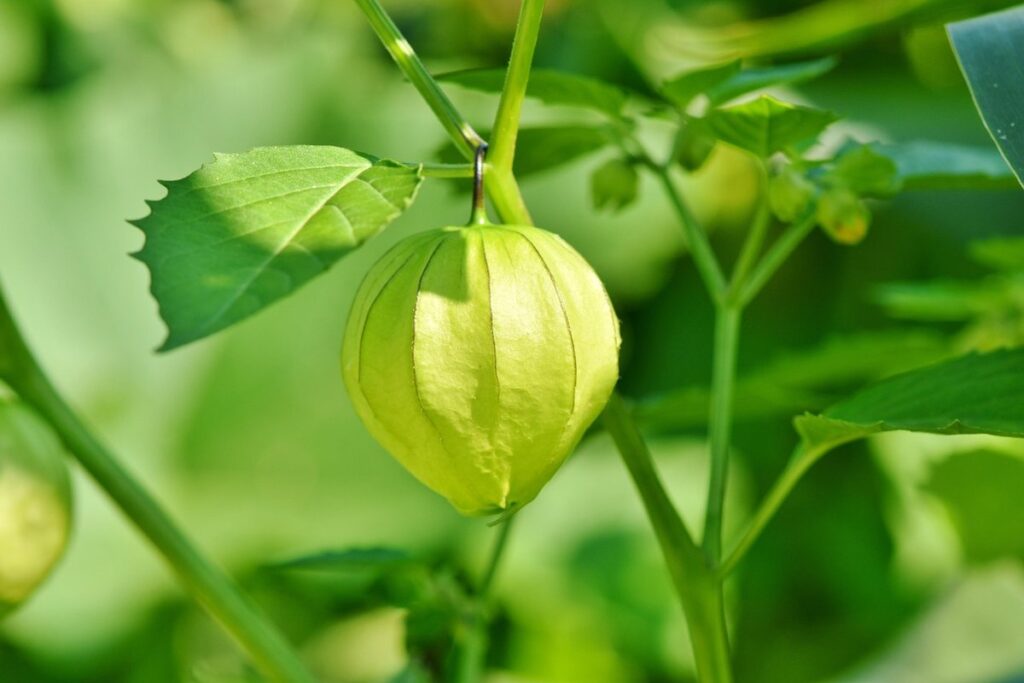
Cape gooseberry is a unique and fascinating plant that’s often shrouded in mystery. Native to South America, its botanical name is Physalis edulis, which literally translates to ‘edible husked fruit’. As you’d expect from its name, the plant produces small, orange-yellow fruits encased in a papery husk that resembles a tiny lantern.
But where did this enchanting plant come from? Cape gooseberry is originally from the Andes mountains in South America, specifically in present-day Chile and Peru. It’s no wonder then that it thrives in regions with mild winters and cool summers, where temperatures range between 32°F to 75°F (0°C to 24°C).
If you’re planning to grow cape gooseberry, understanding its native habitat is crucial. This plant prefers well-drained soil and partial shade to full sun exposure. With the right conditions, it can grow up to 10 feet tall, making it a great choice for gardeners with plenty of space.
The fruit itself is a delicacy in many parts of the world, rich in vitamins A and C as well as antioxidants. Cape gooseberry’s versatility in cooking makes it an attractive addition to any kitchen garden, particularly if you’re looking to experiment with new flavors and recipes.
History of Cape Gooseberry Cultivation
The history of cape gooseberry cultivation dates back centuries to South America, particularly Peru. This small fruit has been a staple crop in the region for generations, with local farmers relying on its nutritional and medicinal properties. The Incas were known to have cultivated cape gooseberry as far back as 500 AD, using it not only as a food source but also for its supposed health benefits.
For centuries, Peruvian farmers carefully cultivated cape gooseberry in their fields, selecting the best varieties and developing techniques that allowed them to thrive in the region’s unique climate. The fruit was often dried or pickled to preserve it for longer periods, allowing it to be enjoyed throughout the year. In fact, the Incas believed that the juice of the cape gooseberry had healing properties and used it to treat various ailments.
Peruvian farmers’ knowledge and expertise have been passed down through generations, making them some of the best in the world when it comes to growing cape gooseberry. Today, their techniques are still valued by growers around the globe who seek to replicate the fruit’s unique flavor and nutritional profile. By understanding the rich history of cape gooseberry cultivation, you can learn valuable lessons about how to grow this remarkable fruit successfully.
Section 2: Choosing the Right Variety
Now that you know a bit about cape gooseberry basics, it’s time to choose the perfect variety for your garden. Selecting the right type will ensure success and enjoyment from your harvest.
Understanding the Different Types of Cape Gooseberry
There are several types of cape gooseberries, each with its own unique characteristics and growth habits. The most common varieties include ‘Poha’ and ‘Peru’, both of which originated from South America. ‘Poha’ is a popular variety known for its compact growth habit and small to medium-sized fruit, while ‘Peru’ produces larger fruit but requires more support due to its vining habit.
Another notable variety is the ‘African’ or ‘Yellow’ cape gooseberry, which has a slightly different flavor profile compared to other varieties. This type tends to produce more fruit in cooler temperatures and has a sweeter taste. It’s also worth noting that cape gooseberries can be grown as either an annual or perennial crop, depending on your climate and desired harvest period.
When selecting a variety for your garden, consider factors like available space, desired fruit size and flavor, and the level of support needed. Some varieties may require trellising or staking to maintain their structure, so be sure to research the specific needs of each type before making a final decision.
Factors to Consider When Selecting a Varieties
When selecting a variety of cape gooseberry for your garden, several key factors come into play. Disease resistance is a crucial consideration, as cape gooseberries are susceptible to fungal diseases like powdery mildew and root rot. Look for varieties that have built-in resistance or tolerance to these common issues.
Climate adaptability is another vital factor to consider. Cape gooseberries prefer full sun and well-draining soil, but they can thrive in a range of temperatures from 15°C to 30°C (59°F to 86°F). Choose a variety that’s specifically bred for your region’s climate and weather patterns. For example, if you live in an area with high humidity, opt for a variety like ‘Peru’ which is more resistant to fungal diseases.
Lastly, yield potential should also be taken into account. Some varieties are bred for their exceptional fruit production, while others prioritize flavor or texture. Consider how much space you have available and what your priorities are: do you want a high-yielding variety or one that produces smaller but sweeter berries? Research different varieties to determine which one best fits your needs and growing conditions.
Section 3: Planting and Soil Requirements
To grow a healthy Cape Gooseberry plant, it’s essential to choose the right soil type and know when to plant your seeds or seedlings. Let’s explore these critical factors together.
Best Time to Plant Cape Gooseberry
When it comes to planting cape gooseberry, timing is everything. The ideal time for planting varies depending on your region and climate. In general, spring and fall are the best seasons to plant cape gooseberry.
In regions with mild winters, such as Southern California or parts of Australia, you can plant cape gooseberry in late winter to early spring (February to April). This allows the plants to establish themselves before the heat of summer sets in. Make sure the soil has warmed up and is workable, as the seeds are sensitive to cold temperatures.
In areas with hot summers, like South Africa or parts of India, it’s best to plant cape gooseberry in late spring to early fall (September to November). This gives the plants a chance to mature before the heat becomes unbearable. In regions with cooler winters, such as the UK or parts of Canada, you can plant cape gooseberry in late spring to early summer (May to June).
Keep in mind that cape gooseberry is a subtropical plant and cannot tolerate frost. Make sure to choose a location that provides some protection from harsh winds and extreme temperatures.
Soil Preparation and pH Requirements
When it comes to growing cape gooseberries, having well-draining soil is crucial for healthy growth. This plant thrives in areas with high rainfall and can tolerate a range of pH levels, but an acidic pH between 4.5 and 6.0 is ideal. If your soil is too alkaline or heavy clay, it can lead to root rot and other problems.
To prepare the soil for cape gooseberry planting, mix in some organic matter like compost or peat moss to improve drainage and fertility. This will also help lower the pH of the soil if necessary. You can also use acidic fertilizers specifically designed for fruits like the cape gooseberry.
In terms of actual preparation, loosen the top 8-10 inches of soil to a depth that allows roots to spread freely. Remove any debris or weeds, and create small mounds or ridges for planting. Make sure the soil is moist but not waterlogged before adding your seedlings or transplanting them from their containers.
Remember to mulch around the plants to retain moisture and suppress weeds. Regularly check the pH level of your soil and adjust as needed to ensure optimal growing conditions for your cape gooseberries.
Section 4: Propagation Methods
Propagation methods for cape gooseberry are numerous, and choosing the right one will depend on your specific growing situation and desired yield. Let’s dive into the details of seed, cutting, and layering propagation.
Seed Germination and Sowing
To successfully grow cape gooseberry from seeds, you’ll first need to germinate them. Begin by preparing the seeds for sowing. Gently remove the outer layer of each seed and soak them in water overnight. This step helps to soften the seed coat, allowing it to absorb water more easily.
When it’s time to sow the seeds, fill a small container with a well-draining seed starting mix. Plant the seeds about 1/4 inch deep, spaced about 1-2 inches apart. Cover them gently and provide adequate moisture. Keep the soil consistently moist but not waterlogged, as this can lead to rot.
It’s essential to maintain optimal germination conditions – temperatures between 65°F and 75°F (18°C and 24°C) are ideal for cape gooseberry seeds. You can expect germination within 7-10 days under these conditions. Make sure the soil is moist but not waterlogged, as this will help prevent seed rot and promote healthy growth.
Some gardeners have reported successful results with using a warm location or even a heated propagator to enhance germination rates.
Grafting and Budding Techniques
Grafting and budding are specialized propagation techniques used to combine the desirable traits of two Cape gooseberry plants. Grafting involves joining a piece of stem (scion) from one plant onto the root system of another (rootstock), while budding involves inserting a single bud from one plant into the stem of another.
The advantages of grafting and budding include faster growth rates, increased yields, and improved disease resistance. For example, grafting a high-yielding Cape gooseberry scion onto a robust rootstock can result in significantly higher fruit production. However, these techniques require careful attention to detail and matching the compatibility of the scions with their respective rootstocks.
Potential pitfalls include graft union failure or bud rot if proper sanitation and handling procedures are not followed. To avoid these issues, it’s essential to use sterile equipment, maintain optimal temperature and humidity conditions, and monitor the grafted/budded plants closely for signs of stress or disease.
Section 5: Care and Maintenance
To ensure your cape gooseberry plants thrive, it’s essential to understand how to properly care for them, which includes pruning, watering, and fertilizing techniques.
Watering and Fertilization Schedule
As you’ve successfully grown and established your cape gooseberry plants, it’s time to focus on their long-term care. Watering and fertilizing are crucial aspects of maintaining a healthy plant. A consistent watering schedule will ensure your plants receive the necessary moisture to thrive.
Begin by watering your cape gooseberry plants every 7-10 days during the spring and summer months when they’re actively producing fruit. Reduce this frequency to once every 2-3 weeks during fall and winter, as they require less water during these seasons.
Regarding fertilization, a balanced fertilizer (10-10-10 NPK) will provide your cape gooseberry plants with essential nutrients. Apply it once a month from spring to summer, following the package instructions for application rates. Additionally, mulch around the base of the plants in late winter or early spring to retain moisture and suppress weeds.
It’s also beneficial to side-dress with an ammonium sulfate (21-0-0 NPK) fertilizer during peak fruit production to enhance yields. Keep in mind that excessive fertilization can lead to scorching of leaves, so be cautious not to over-fertilize your plants.
Pruning and Training Techniques
Pruning and training are essential techniques for controlling the growth of cape gooseberry plants, promoting fruiting, and maintaining their structure. Prune your cape gooseberry plant regularly to encourage bushy growth and prevent it from becoming leggy or sprawling.
When pruning, remove any dead, diseased, or damaged branches as soon as possible to prevent the spread of disease and encourage healthy growth. Cut back any weak or spindly growth to about one-third of its length, and trim back longer stems by one-quarter to promote branching and fruiting.
Use a sharp, clean pair of pruning shears or loppers to make clean cuts just above a bud or leaf node. This will help the plant heal quickly and reduce the risk of disease. Prune your cape gooseberry plant more heavily in the dormant season (winter) when it’s less active, and do light maintenance pruning throughout the growing season.
Regular training of the plant can also help to control its growth and promote fruiting. You can use trellises or stakes to support the plant as it grows, and gently twine new stems around them to encourage vertical growth. This will not only keep the plant tidy but also make harvesting easier.
Section 6: Pest and Disease Management
When growing cape gooseberries, it’s essential to keep a watchful eye out for pests and diseases that can harm your plants. We’ll cover common issues to look out for and how to manage them effectively.
Common Pests Affecting Cape Gooseberry
Cape gooseberry plants can be susceptible to various pests that can cause significant damage if left unchecked. One of the most common pests affecting cape gooseberry is the aphid. These small, soft-bodied insects feed on sap, causing curled or distorted leaves and stunted growth. Whiteflies are another pest that can infest cape gooseberry plants, spreading diseases like tobacco mosaic virus (TMV). Spider mites, tiny eight-legged arachnids, also thrive in hot, dry conditions and can cause yellowing leaves and fine webbing on the plant.
To manage these pests, it’s essential to inspect your plants regularly. Look for signs of infestation such as curled or distorted leaves, sticky honeydew droplets, or fine webbing. If you notice any of these symptoms, treat the affected areas with insecticidal soap or neem oil. For severe infestations, consider using systemic pesticides like imidacloprid. To prevent pest buildup, maintain good garden hygiene by removing weeds and debris that can harbor pests, and ensure proper air circulation around your plants.
In addition to these measures, introducing beneficial insects like ladybugs or lacewings can help control pest populations naturally. By being proactive in managing pests, you can protect your cape gooseberry plants from damage and promote healthy growth.
Diseases and Their Control Measures
Cape gooseberries are susceptible to various diseases that can severely impact their growth and yield. One of the most common issues is powdery mildew, caused by fungi such as Oidium. This disease appears as a white, powdery coating on leaves and stems, leading to reduced photosynthesis and eventual plant death. To control powdery mildew, maintain good air circulation around plants, remove infected areas, and treat with fungicides containing sulfur or copper.
Root rot is another significant problem, usually caused by overwatering. This condition leads to a softening of the stem, yellowing leaves, and eventually, plant collapse. Prevent root rot by ensuring proper drainage, avoiding waterlogged soil, and providing sufficient light. Regularly inspect your plants for signs of disease and take prompt action if necessary.
Fungal infections can also harm cape gooseberries, often caused by poor soil conditions or excess moisture. Treat fungal infections with fungicides containing neem oil or baking soda, following the recommended application rates to avoid harming beneficial microorganisms in the soil.
Section 7: Harvesting and Storage Tips
Now that you’ve nurtured your cape gooseberry plants, it’s time to enjoy the fruits of your labor. This section shares essential tips for harvesting and storing your cape gooseberries at their best.
Determining Maturity and Harvesting Time
When it comes to harvesting your cape gooseberries, timing is everything. You’ll know they’re ready when they’ve reached full maturity and have a deep yellow or orange color, depending on the variety. A gentle tug on the fruit should indicate if it’s ripe – if it comes off easily, it’s likely ready.
To assess the ripeness of your cape gooseberries, look for these signs:
• The skin is smooth and slightly sticky to the touch
• The stem end is slightly soft and easy to twist off
• The color has deepened to a vibrant yellow or orange
Avoid picking too early, as this can cause the fruit to spoil quickly. Similarly, don’t delay – overripe cape gooseberries will fall from the plant naturally. To ensure optimal flavor and texture, harvest your crop every few days as they ripen.
Keep in mind that different varieties have varying maturation times, so check the specific growing conditions for your chosen variety to gauge when it’s ready. With practice, you’ll develop a sense of when to expect your cape gooseberries to be at their peak flavor and quality.
Post-Harvest Care and Storage Methods
When you’ve finally harvested those juicy cape gooseberries, it’s essential to handle them with care to maintain their quality and shelf life. After harvest, inspect the fruits for any signs of damage or spoilage. If some are damaged, remove them immediately to prevent further decay.
To store cape gooseberries, keep them away from direct sunlight, heat sources, and moisture. You can store them in a ventilated container or mesh bag at room temperature (around 60-70°F/15-21°C). Avoid storing them in airtight containers as this can lead to moisture buildup and rot.
For longer storage, consider refrigerating the fruits. Wrap them individually in paper towels or cloth to maintain humidity and prevent chilling injuries. Cape gooseberries can be stored for up to two weeks at 32°F (0°C) or below.
Preserve your cape gooseberry harvest through freezing, jam-making, or drying. Frozen berries retain their flavor and nutrients; simply blanch them in boiling water for a few minutes before packing them into an airtight container or freezer bag.
Frequently Asked Questions
How do I know when my cape gooseberry plants are mature enough for harvest?
Cape gooseberries typically take around 6-9 months to reach maturity after planting from seed. To determine if they’re ready, gently tug on the fruit – if it comes off easily and has a slight give, it’s likely ripe. Check the color as well; ripe fruits will be bright yellow-orange with no green tinge.
Can I grow cape gooseberries in containers or do they require large spaces?
Cape gooseberry plants can thrive in containers provided they have good drainage and are at least 12-18 inches deep. Choose a container that’s large enough to accommodate the mature size of the plant (around 3-4 feet wide) and ensure it has adequate support for the fruiting stems.
How often should I water my cape gooseberry plants during dry spells?
Cape gooseberries require consistent moisture, especially when producing fruit. Water them deeply once or twice a week, depending on weather conditions. Mulching around the base of the plant will also help retain soil moisture and reduce evaporation.
What are some common pests to watch out for when growing cape gooseberries?
Cape gooseberry plants can be susceptible to aphids, whiteflies, and spider mites, which can cause significant damage if left unchecked. Regularly inspect your plants for signs of infestation (e.g., sticky honeydew droplets, distorted leaves) and take action promptly with organic or chemical controls as needed.
Can cape gooseberries be grown in areas with poor soil quality?
While cape gooseberry plants prefer well-draining, fertile soil, they can tolerate some degree of soil deficiency. However, for optimal growth and fruit production, consider adding a balanced fertilizer (around 10-10-10 NPK) once or twice during the growing season to address any nutrient deficiencies.