
Are you ready to grow your own calendula? This beautiful, versatile flower is not only easy to care for, but also packed with benefits. Not only can it add a pop of color and charm to your garden, but its petals have been used for centuries in skincare, herbal remedies, and cooking. However, growing calendula can be intimidating if you’re new to gardening or unsure about the specific needs of this lovely plant.
In our comprehensive guide to growing calendula, we’ll walk you through everything you need to know to get started. From choosing the right variety to planting conditions, pest management, harvesting, and long-term care, we’ve got you covered. Whether you’re a seasoned gardener or just starting out, our expert tips and advice will help you cultivate healthy, thriving calendula plants that bring joy and benefits to your life.
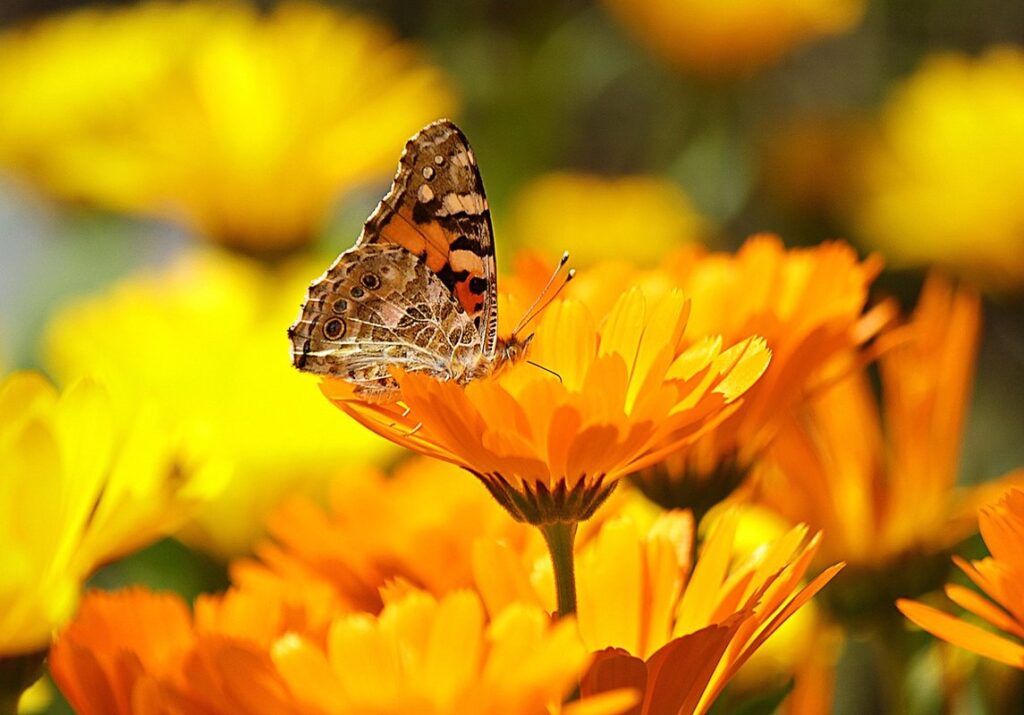
Choosing the Right Variety
When selecting a calendula variety, consider factors such as growth habit, flower size and color, and intended use to ensure you choose the perfect fit for your garden. This section will guide you through these key decisions.
Understanding Calendula Types
When it comes to choosing the right calendula variety for your garden, understanding the different types is crucial. One of the most well-known types is pot marigold (Calendula officinalis), which is often grown for its vibrant flowers and medicinal properties. These flowers come in a range of colors including yellow, orange, red, and pink. Pot marigolds are easy to grow from seed and prefer well-drained soil.
On the other hand, true marigold (Tagetes spp.) is another popular type that’s often confused with calendula. True marigolds have bright orange or yellow flowers with a strong scent and are generally more robust than pot marigolds. They’re also more resistant to pests and diseases but require full sun and well-drained soil.
When deciding between these two types, consider your garden conditions and desired outcome. If you’re looking for a low-maintenance option with a variety of colors, pot marigold might be the better choice. However, if you want a more vibrant flower with strong scent, true marigold could be the way to go.
It’s worth noting that both types can thrive in containers or directly sown into the ground, making them versatile options for gardeners.
Factors to Consider When Selecting a Variety
When selecting a calendula variety, it’s essential to consider several factors that will ensure your plants thrive in their specific environment. Climate is one of the primary factors to take into account. Calendulas can be sensitive to extreme temperatures, so if you live in an area with scorching summers or freezing winters, choose a variety that is known for its heat tolerance or cold hardiness.
Soil type is another crucial consideration. Calendulas prefer well-draining soil and can tolerate a range of pH levels. However, some varieties may perform better in specific types of soil. For example, if you have heavy clay soil, look for a variety that is bred to thrive in such conditions.
Lastly, consider the desired bloom size when selecting a variety. Calendulas come in a range of sizes, from compact and dwarf to tall and stately. If you have limited space or prefer a more delicate appearance, choose a smaller-blooming variety. Conversely, if you want to create a dramatic display, opt for a larger bloomer. By considering these factors, you can ensure that your calendula plants bloom vibrantly and healthily throughout the growing season.
Planting Calendula
To get started with growing calendula, let’s dive into the process of planting these beautiful flowers, which is surprisingly easy and requires minimal effort.
Preparing the Soil
Calendula thrives in well-draining soil with a slightly alkaline to neutral pH range of 6.0-7.5. This means you’ll want to avoid acidic soils, which can lead to nutrient deficiencies and stunted growth. To prepare the soil for optimal calendula growth, mix in a balanced fertilizer or compost to provide essential nutrients like nitrogen, phosphorus, and potassium.
When planting calendula, aim for a depth of about 1-2 inches (2.5-5 cm) below the surface. This allows for easy germination and prevents overwatering. If your soil is heavy clay or prone to waterlogging, consider raising the bed by 6-8 inches to ensure good drainage.
Before planting, test your soil pH using a DIY kit or consult with a local nursery expert. Based on the results, make adjustments to create an optimal growing environment for your calendula plants. For example, if your soil is too acidic (pH below 6.0), add lime or dolomitic limestone to raise the pH.
By getting the soil right, you’ll set your calendula plants up for success and enjoy vibrant blooms throughout the growing season.
Sowing Seeds vs. Seedlings: A Comparison
When it comes to planting calendula, one of the first decisions you’ll need to make is whether to sow seeds directly into the ground or start seedlings indoors. While both methods have their advantages and disadvantages, understanding the pros and cons can help you choose the best approach for your specific climate and growing conditions.
Direct sowing seeds allows you to skip the step of potting and repotting, saving time and effort in the long run. It also gives calendula plants a head start on developing deep root systems, which is essential for their growth and resilience in harsh weather conditions. However, direct sowing can be challenging if your soil is too compacted or prone to waterlogging.
On the other hand, starting seedlings indoors provides more control over the growing environment, allowing you to regulate temperature, light, and moisture levels with greater precision. This method also gives calendula plants a chance to establish themselves before facing the rigors of outdoor weather. However, it requires an initial investment in pots, soil, and lighting equipment.
Consider your local climate and the specific needs of your calendula variety when making this decision. If you live in a region with mild winters or long growing seasons, direct sowing may be the more practical choice. But if you’re dealing with short summers or unpredictable weather patterns, starting seedlings indoors can provide a safer bet for success.
Growing Conditions
To grow calendula successfully, you’ll want to understand its specific requirements for sunlight, temperature, and moisture levels throughout different stages of growth. Let’s dive into these essential growing conditions.
Sunlight Requirements
Calendula requires an ample amount of sunlight to thrive. In fact, direct sunlight is essential for the plant’s growth and development. When growing calendula outdoors, aim to provide at least 6 hours of direct sunlight per day. This will help promote healthy leaf growth, vibrant flower color, and a robust root system.
If you’re growing calendula in a shaded area or indoors with limited natural light, consider supplementing with artificial lighting. Use LED grow lights specifically designed for flowering plants, as they emit the optimal spectrum for promoting blooming. Aim to provide 12-14 hours of supplemental lighting per day, ensuring your plant receives the necessary energy for photosynthesis.
Avoid placing calendula in areas prone to extreme temperatures or intense sunlight, which can cause scorching or leaf damage. Instead, opt for a spot that receives gentle morning sun and dappled afternoon shade. By providing your calendula with the right amount of sunlight, you’ll be rewarded with an abundance of beautiful blooms and a thriving plant.
Watering and Drought Tolerance
Calendula requires consistent moisture to thrive, but it’s also surprisingly drought-tolerant. When it comes to watering, aim to provide about 1-2 inches of water per week, either through rainfall or irrigation. You can test the soil by sticking your finger into it up to the first knuckle – if it feels dry, it’s time to water.
During hot summer months, calendula may need more frequent watering, especially in regions with low humidity. However, be cautious not to overwater, as this can lead to root rot and other issues. A good rule of thumb is to check the soil daily during periods of intense heat.
If you do experience a drought, don’t worry – calendula will likely survive on its own roots. In fact, it’s often more susceptible to damage from excessive rain than prolonged dry spells. When watering after a drought, be sure to reintroduce moisture gradually to prevent shocking the plant.
Keep in mind that different cultivars may have varying tolerance levels, so observe your specific variety and adjust your watering schedule accordingly.
Pest and Disease Management
To ensure a healthy and thriving calendula crop, it’s essential to be aware of common pests and diseases that can affect your plants, and know how to manage them effectively.
Common Calendula Pests
As you tend to your calendula plants, it’s essential to be aware of common pests that can damage them. Aphids are a major threat to calendula, feeding on sap and spreading plant viruses. These tiny insects can appear as clusters on stems or leaves, often accompanied by sticky honeydew droplets.
Whiteflies are another problematic pest, laying eggs on underside leaf surfaces and sucking plant juices. To manage these pests, inspect your plants regularly for signs of infestation. You can use neem oil or insecticidal soap to control aphid populations. For whiteflies, consider introducing natural predators like lacewings or parasitic wasps.
To prevent pest issues from arising in the first place, maintain good garden hygiene. Remove weeds and debris that may harbor pests, and ensure adequate air circulation around your calendula plants. Keep an eye out for eggs or larvae on undersides of leaves, and manually remove any infested areas. By staying vigilant and employing these control methods, you can protect your calendula crop from the most common pests.
Managing Fungal Diseases
Calendula is susceptible to various fungal diseases that can significantly impact its growth and yield. Leaf spot, caused by the fungus Cercospora, is one of the most common issues. It appears as small, circular spots on the leaves, often accompanied by a yellowish or brownish discoloration. Powdery mildew, another prevalent disease, presents itself with a white, powdery coating on the upper surfaces of leaves.
To prevent these diseases, it’s essential to maintain good air circulation around your calendula plants. This can be achieved by spacing them at least 12-18 inches apart and avoiding overcrowding. Regularly inspect your plants for any signs of fungal growth, and remove infected areas promptly to prevent the spread of disease.
In addition to proper spacing, ensure that your calendula is receiving adequate moisture but avoid overwatering, which can create an ideal environment for fungal diseases to develop. Consider using organic fungicides or introducing beneficial microorganisms like Trichoderma harzianum to promote a balanced soil microbiome and reduce the risk of fungal infections.
Harvesting and Care
Now that your calendula plants are blooming, let’s focus on harvesting the petals and flowers to use in crafts and medicine, as well as ongoing care for a healthy plant. Proper harvesting and care techniques will ensure optimal growth and productivity.
When to Harvest Calendula
When it comes to harvesting calendula, timing is everything. You want to pick the flowers and leaves at the right stage of maturity for maximum potency and effectiveness. For medicinal use, you’ll typically want to harvest the flowers when they’re fully open and dry, as this allows for the highest concentration of essential oils.
For ornamental purposes, you can harvest the flowers at any stage of bloom, but it’s best to pick them in the morning after the dew has dried to prevent water spots. To harvest calendula flowers, simply snip off the stems with scissors or pinch them off by hand, leaving a small piece of stem attached to the plant.
When harvesting leaves, take individual leaves or small clumps from the base of the plant, making sure not to damage the roots. It’s best to harvest in the morning when the leaves are at their highest moisture content for optimal potency.
Harvesting calendula regularly will also encourage new growth and prevent the plant from flowering too profusely, which can lead to seed production and potential loss of medicinal properties.
Tips for Long-Term Calendula Care
To ensure your calendula plants thrive throughout the growing season, regular maintenance is essential. One of the most crucial aspects of long-term care is pruning. Prune your calendula plants regularly to encourage bushy growth and prevent them from flowering too quickly. Remove spent flowers and trim back leggy stems to about half their length.
Fertilization is also vital for maintaining healthy calendula plants. Feed your plants with a balanced, water-soluble fertilizer once a month. You can also use compost tea or worm casting as an organic alternative. It’s essential to avoid over-fertilizing, as this can lead to weak and leggy growth.
Another crucial aspect of long-term care is monitoring for pests and diseases. Regularly inspect your plants for signs of aphids, whiteflies, or spider mites, and treat promptly if necessary. Also, keep an eye out for fungal infections, which can be treated with a mixture of water and baking soda.
By following these simple tips, you’ll be able to maintain your calendula plants throughout the growing season and enjoy a bountiful harvest. Remember, consistency is key when it comes to pruning, fertilization, and monitoring for pests and diseases.
Frequently Asked Questions
Can I grow calendula indoors, or is it strictly an outdoor plant?
Yes, calendula can be grown indoors under bright, sunny conditions. In fact, indoor growing allows for better control over temperature and humidity levels, which can lead to healthier plants. However, keep in mind that calendula requires a lot of light to thrive, so consider using grow lights if you don’t have a south-facing window.
How do I protect my calendula from pests like aphids and whiteflies?
To prevent pest infestations, maintain good garden hygiene by removing weeds and debris around your plants. Regularly inspect your calendula for signs of pests and treat promptly with neem oil or insecticidal soap if necessary. You can also introduce beneficial insects like ladybugs or lacewings to control aphid populations naturally.
Can I save calendula seeds from one year’s harvest to plant the next?
Yes, calendula seeds are relatively easy to save and store for future use. Collect mature seed heads, dry them completely, and then extract the seeds. Store the seeds in an airtight container in a cool, dark place until planting time. This will ensure a continuous supply of fresh, disease-free seeds.
How often should I water my calendula plants to prevent root rot?
Calendula prefers well-draining soil and can be susceptible to root rot if overwatered. Water your plants when the top 1-2 inches of soil feel dry to the touch. Avoid getting water on the leaves or crown to prevent fungal diseases, instead watering at the base of the plant.
Can I use calendula as a companion plant to improve growth and health in my garden?
Yes, calendula makes an excellent companion plant due to its ability to repel pests like nematodes and attract beneficial insects. Its strong fragrance also improves soil health by attracting earthworms that break down organic matter. Plant calendula alongside other flowers or vegetables to create a balanced ecosystem and promote overall garden well-being.