
As the air starts to crisp up and the days get shorter, many gardeners are looking forward to growing one of the most versatile and nutritious crops of the fall season: cabbage. Whether you’re a seasoned gardener or just starting out, learning how to grow, care for, and harvest cabbage plants can be a game-changer for your kitchen. Not only is cabbage packed with vitamins and minerals, but it’s also incredibly easy to use in a wide variety of delicious recipes – from hearty stews and soups to crunchy slaws and salads. In this comprehensive guide, we’ll walk you through everything you need to know about growing and using cabbage plants for fall, including tips on planting, watering, and harvesting your bountiful crop.
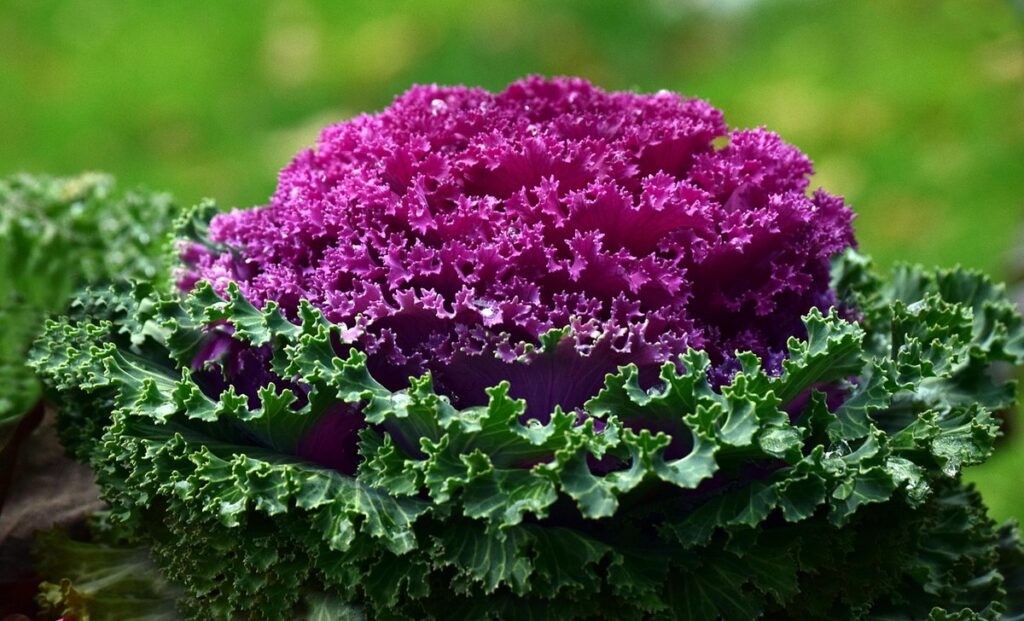
Understanding Cabbage and Its Varieties
Let’s take a closer look at the different types of cabbage, including the popular green and red varieties, as well as some lesser-known options. You’ll find that each one has its own unique characteristics and uses in cooking.
What is Cabbage?
Cabbage is a cool-season crop that belongs to the Brassica family of vegetables. Its botanical name is Brassica oleracea var. capitata, and it’s a member of the same species as broccoli, cauliflower, and kale. Cabbage is often classified as a biennial crop, but it can be grown as an annual in warmer climates.
As a cool-season crop, cabbage thrives in temperatures between 40°F to 70°F (4°C to 21°C), making it an ideal choice for fall gardens. It prefers well-drained soil with a pH range of 6.0 to 7.0 and requires full sun to partial shade. Cabbage is a versatile vegetable that comes in various shapes, sizes, and colors, including green, red, savoy, and napa varieties.
When shopping for cabbage seeds or seedlings, look for varieties specifically bred for fall production, such as ‘Early Jersey Wakefield’ or ‘Savoy King’. These varieties mature quickly, typically within 60 to 90 days, allowing you to enjoy a fresh harvest before the first frost. By choosing the right variety and growing conditions, you can successfully grow delicious and nutritious cabbage in your fall garden.
Types of Cabbage for Fall Planting
When it comes to fall planting, you’ll want to choose cabbage varieties that thrive in the cooler temperatures of autumn. There are several types of cabbage suitable for fall planting, each with its unique characteristics, growth habits, and flavor profiles.
One popular choice is Early Jersey Wakefield, a compact variety that matures quickly, typically within 55 days. Its dense heads have a sweet, slightly tangy flavor and a crisp texture. Another option is Red Drumhead, which boasts deep red leaves and a robust, slightly bitter taste. It takes about 60 days to mature.
For those looking for a longer harvest season, January King is an excellent choice. This variety can be harvested from late fall through early winter, providing a continuous supply of delicious cabbage. Its large, green heads have a mild flavor and a crunchy texture. When selecting a variety, consider factors like maturity days, growth habits, and flavor preferences to ensure you get the best results for your fall harvest.
Planning and Preparing Your Garden
Before you start planting, let’s talk about how to plan and prepare your garden for a successful fall cabbage harvest. This includes choosing the right variety and soil conditions.
Choosing the Right Location
When it comes to planting cabbage for fall, choosing the right location is crucial. Cabbage plants need at least 4-6 hours of direct sunlight per day to grow well, so select a spot that receives full sun or partial shade. Be mindful of nearby trees or buildings that may cast shadows on your garden in the afternoon.
In addition to sufficient sunlight, cabbage plants also require well-draining soil to prevent waterlogged conditions that can lead to root rot and other problems. Check your garden’s soil type and consider amending it with organic matter like compost if necessary. If your soil tends to retain water, create a raised bed or mound the soil to improve drainage.
Consider factors like wind direction and frost protection when selecting a location for your cabbage plants. Cabbage is sensitive to strong winds that can cause damage, so choose a spot that offers some shelter. Also, be aware of potential frost dates in your area and plant your cabbage at a time that allows them to mature before the first frost.
When possible, group your cabbage plants together to create a microclimate that shields them from wind and cold temperatures. This will also make it easier to monitor for pests and diseases.
Soil Preparation for Cabbage
When it comes to growing delicious cabbage for fall, proper soil preparation is key. Cabbage plants are heavy feeders and require a nutrient-rich soil to thrive. One of the most important steps in preparing your soil is adding organic matter such as compost or well-rotted manure. This will help improve soil fertility, structure, and overall health.
Before you start, make sure to test the pH level of your soil, aiming for a range between 6.0 and 7.0. Cabbage prefers slightly acidic to neutral soil, which will allow it to absorb essential nutrients more efficiently. If your soil is too alkaline or acidic, consider adding lime or sulfur to adjust the pH levels.
Another crucial aspect of soil preparation is removing any weeds that might compete with your cabbage plants for water and nutrients. Use a shallow tiller to carefully remove weeds without damaging the underlying soil structure. Regularly maintaining a weed-free environment will ensure your cabbage crops receive the necessary resources to grow strong and healthy.
Sowing and Transplanting Cabbage Seeds
Before planting, learn when to sow cabbage seeds directly into the garden, as well as how to successfully transplant seedlings for a bountiful harvest. Timing is everything in growing delicious cabbages this fall!
When to Plant Cabbage in Fall
When planning to plant cabbage in the fall, it’s essential to consider your region’s average frost dates and choose a variety that matures within 50-70 days. In general, you should start sowing cabbage seeds about 8 weeks before the first frost date for your area.
Check your local weather forecast or consult with a gardening expert to determine the specific frost date for your region. This will give you a better idea of when to plant and ensure that your crop has enough time to mature before winter sets in. For example, if the average frost date is around October 15th, start sowing cabbage seeds by late August or early September.
Different varieties of cabbage have varying days to maturity, so choose one that fits within this timeframe for fall planting. Some popular varieties include ‘Early Jersey Wakefield’, ‘Savoy King’, and ‘Red Express’. Make sure to check the seed packet or consult with a gardening expert to determine the exact days to maturity for your chosen variety.
How to Start Cabbage from Seed
Sowing cabbage seeds indoors 4-6 weeks before the last frost date allows for earlier harvests and can give you a head start on the growing season. To do this successfully, begin by selecting high-quality cabbage seeds specifically bred for fall production. Fill small pots or seed trays with a good quality seed starting mix and sow two to three seeds per pot about ¼ inch deep.
Keep the soil consistently moist but not waterlogged, as this can lead to rot. Provide adequate light – cabbage seeds require at least 12 hours of indirect light each day. Maintain a temperature between 60-70°F (15-21°C) for optimal germination, which typically occurs within 7-10 days.
Once seedlings have two sets of leaves, transfer them into larger pots or cell packs to give the roots more room to grow. Transplant them directly outdoors after the threat of frost has passed, spacing plants about 18-24 inches apart to ensure proper air circulation and prevent disease.
Caring for Your Cabbage Plants
To keep your cabbage plants thriving, it’s essential to understand their specific care needs, including watering, fertilizing, and protecting from pests and diseases. Regular maintenance will ensure a healthy harvest all fall long.
Watering and Mulching Tips
When it comes to caring for your cabbage plants, watering and mulching are two essential tasks that can make all the difference in their health and productivity. As a general rule of thumb, cabbage plants need about 1 inch of water per week, either from rainfall or irrigation. To determine if your plants need watering, simply stick your finger into the soil up to the first knuckle; if the soil feels dry, it’s time for a drink.
One key thing to keep in mind is that cabbage plants don’t like standing water, which can lead to root rot and other issues. So, make sure not to overwater! Instead, aim for regular, gentle watering sessions to keep the soil consistently moist but not waterlogged. Mulching around the base of your cabbage plants also helps retain moisture in the soil and suppress weeds that might compete with your crops.
When mulching, choose organic materials like straw or wood chips, which won’t contain chemicals or weed seeds. Apply a 2-3 inch layer around the base of each plant, making sure not to pile it up against the stem. This simple step will pay dividends in the long run by keeping your soil healthy and free from pests.
Common Pests and Diseases Affecting Cabbage
Cabbage plants can be vulnerable to various pests and diseases during the fall season. Some common issues include:
Aphids, whiteflies, and caterpillars can infest cabbage leaves, causing curled or distorted growth. To manage these pests, use neem oil or insecticidal soap sprays on affected areas, and hand-pick large infestations.
Slugs and snails are also common fall visitors to gardens, feeding on cabbage plants at night. Use copper tape around plant stems to deter them, or set traps with beer or yeast baits.
Some diseases that can affect cabbage in the fall include club root, which causes stunted growth and deformed roots, and downy mildew, characterized by yellowish-gray spores on leaves. To prevent these issues, ensure good soil drainage, maintain crop rotation, and avoid overhead watering. If infestation occurs, treat with fungicides or remove infected plants to prevent spread.
Regularly inspect your cabbage plants for signs of pests or diseases, and take action promptly to minimize damage. By being proactive and vigilant, you can protect your fall harvest and enjoy a healthy, productive crop.
Harvesting Your Fall Cabbage Crop
Now that your cabbage plants have matured, it’s time to harvest their delicious heads for a fall feast. Here are some tips on how to do it perfectly every time.
When to Expect a Harvest
When you’ve carefully tended to your fall cabbage crop, it’s time to determine when it’s ready for harvest. The key is to monitor its size, color, and texture. Look for cabbages that have reached a diameter of 8-12 inches (20-30 cm) – any larger, and they may be too mature and prone to splitting.
Check the head’s color as well; a deep purple or green hue indicates maturity. However, avoid harvesting when the leaves are a vibrant red or pink, as this can indicate that the cabbage is overripe. When you gently press on the head, it should feel firm but not hard – if it yields too easily, it may be past its prime.
To avoid damaging the plant, cut the head from the stem at soil level using a sharp knife or pruning shears. Leave as much of the stem intact as possible to promote regrowth and prevent disease. Harvesting your fall cabbage crop during the cooler morning hours will also help minimize moisture loss and preserve flavor.
Storing and Preserving Fresh Cabbage
Proper storage of fresh cabbage is crucial to maintaining its quality and extending its shelf life. To keep your harvested cabbage fresh for a longer period, you should store it in the refrigerator at a temperature between 32°F (0°C) and 40°F (4°C). It’s essential to store the cabbage with its leaves intact, as this will help retain moisture and prevent drying out.
When storing refrigerated cabbage, make sure to keep it away from strong-smelling foods like onions and garlic, as these can impart their odors to the cabbage. You should also check on the cabbage regularly to ensure that it’s not developing any visible signs of spoilage, such as mold or sliminess.
If you don’t plan to consume your harvested cabbage within a week or two, consider freezing it. Remove the leaves and chop the cabbage into smaller pieces before blanching it in boiling water for 2-3 minutes. After cooling, transfer the chopped cabbage to an airtight container or freezer bag and store it in the freezer at 0°F (-18°C) or below.
Using Your Harvest: Recipes and Ideas
Now that you’ve harvested your delicious fall cabbage, it’s time to think creatively about how to use it in a variety of tasty recipes. We’ll share some ideas to get you started!
Traditional Fall Dishes Featuring Cabbage
As you harvest your delicious fall cabbage crop, it’s only natural to want to use it up in some tasty traditional dishes. Cabbage is a versatile ingredient that can be pickled, shredded, sautéed, or even used as a filling for delicious stuffed rolls. Let’s start with some classics: sauerkraut and coleslaw.
To make sauerkraut, simply shred your cabbage and mix it with salt, caraway seeds, and sometimes apples or onions. Pack the mixture into a jar and let it ferment in the fridge for a few weeks until it reaches the desired level of tanginess. This fermented delight is perfect as a side dish or used as an ingredient in dishes like Reubens.
For coleslaw, shred your cabbage and mix it with mayonnaise, vinegar, sugar, and spices to create a crunchy, creamy condiment that’s great on sandwiches, salads, or as a snack on its own. You can also add other ingredients like grated carrots or chopped fresh herbs to give it extra flavor.
Braised red cabbage with apples is another delicious way to enjoy your fall harvest. Simply cook sliced red cabbage in butter until tender, then add diced apples and spices for a sweet and savory side dish that’s perfect for the holidays. Finally, stuffed cabbage rolls make a hearty and comforting meal by filling blanched leaves of cabbage with a mixture of ground meat and rice, rolling them up, and baking until golden brown.
These are just a few ideas to get you started – the possibilities are endless when it comes to using your fall cabbage harvest!
Creative Ways to Use Up a Large Cabbage Harvest
A large cabbage harvest is not only a blessing but also a challenge to use up before it goes bad. The good news is that cabbages are incredibly versatile and can be used in a variety of creative ways beyond the usual sautéing or steaming. One popular method is pickling, where sliced or shredded cabbage is soaked in a brine solution made with vinegar, salt, and spices. This not only preserves the cabbage but also gives it a tangy, sour flavor that’s perfect for adding to sandwiches or salads.
You can also ferment your cabbage harvest using a process called sauerkraut-making. Simply shred the cabbage, add some salt and caraway seeds, and let it sit in a jar at room temperature for several weeks. The resulting sauerkraut is not only delicious but also packed with probiotics that are great for gut health.
For soups and stews, try adding shredded or chopped cabbage towards the end of cooking time to retain its texture and flavor. In salads, use thinly sliced cabbage as a crunchy topping or mix it into a slaw made with other vegetables like carrots and beets. These ideas will help you enjoy your bountiful cabbage harvest all season long!
Frequently Asked Questions
Can I grow cabbage in containers if my garden space is limited?
Yes, cabbage can thrive in large containers with at least 6-8 hours of direct sunlight per day. Make sure the container has good drainage and use a well-draining potting mix to prevent waterlogged soil.
How do I protect my cabbage plants from common pests like aphids and slugs?
Regularly inspect your plants for signs of infestation, such as curled leaves or holes in the leaves. Use neem oil or insecticidal soap to control aphid populations, and set up traps or barriers to deter slugs.
Can I harvest individual cabbage heads instead of waiting for them to reach full maturity?
Yes, you can harvest cabbage heads at various stages of maturity, depending on your needs. Smaller heads are great for salads and sautéing, while larger heads are better suited for long-term storage or cooking.
How do I store harvested cabbage to keep it fresh for a longer period?
Store cabbage in a cool, dry place with good ventilation, such as a basement or root cellar. Keep it away from direct sunlight and moisture, and consider storing it in paper bags or breathable containers to maintain humidity.
Can I grow multiple types of cabbage together, or do they have specific growing requirements?
While some cabbage varieties can be grown together, others may require separate spaces due to differences in growth habits and disease susceptibility. Research the specific growing requirements for each variety you’re planting to ensure optimal results.