
Blueberry shrubs are one of the most rewarding plants to have in your garden, providing not only delicious fruit but also stunning beauty. With their vibrant purple flowers and juicy berries, it’s no wonder why many gardeners want to grow these bushes at home. However, growing blueberries can be a bit tricky, especially for beginners.
In this comprehensive guide, we’ll walk you through the essential steps of planting, caring for, and enjoying your very own blueberry shrubs. We’ll cover everything from selecting the right variety to fertilizing, pruning, and pest management. Whether you’re new to gardening or an experienced grower, our expert tips will help you successfully cultivate a bountiful harvest. By the end of this article, you’ll be equipped with the knowledge needed to grow your own blueberries and enjoy their sweet benefits all season long.
Choosing the Right Variety
When it comes to planting blueberry shrubs, selecting the right variety for your climate and desired yield is crucial. Let’s break down the factors to consider in choosing a suitable blueberry variety for your garden.
Understanding Blueberry Shrub Types
When it comes to choosing the right blueberry shrub for your garden, understanding the different types is crucial. There are three main categories: dwarf, semi-dwarf, and standard varieties.
Dwarf blueberry shrubs, such as ‘Tophat’ and ‘Bluecrop’, grow up to 2-3 feet tall and wide, making them perfect for small gardens, containers, or borders. They produce smaller yields but are ideal for compact spaces and require minimal maintenance. Dwarf shrubs are also great for hedges or topiaries.
Semi-dwarf varieties, like ‘Patriot’ and ‘Bluejay’, grow between 3-4 feet tall and wide, offering a balance between yield and space requirements. They’re suitable for most garden settings and produce more fruit than dwarf varieties but still require regular pruning to maintain their shape.
Standard blueberry shrubs, which include popular varieties like ‘Duke’ and ‘Blue Ridge’, can grow up to 6-8 feet tall and wide. These plants are ideal for larger gardens or areas where space is not a concern. They produce the largest yields but demand more maintenance, including regular pruning and fertilization.
Ultimately, selecting the right blueberry shrub type depends on your specific needs, available space, and desired level of maintenance.
Factors to Consider When Selecting a Variety
When selecting a blueberry shrub variety, it’s essential to consider several key factors that will impact its performance and success. First and foremost, think about the climate where you plan to plant your blueberry shrub. Some varieties are better suited for cooler temperatures, while others thrive in warmer climates. For example, ‘Tophat’ and ‘Bluecrop’ are popular choices for northern climates, but may not perform as well in warmer regions.
Soil type is another crucial factor to consider. Blueberries prefer acidic soils with a pH between 4.0 and 5.5. If your soil is too alkaline, it can be amended with elemental sulfur or peat moss to lower the pH. However, if your soil is heavily clay-based or sandy, you may need to choose a variety that’s more tolerant of those conditions.
Space constraints are also vital to consider when selecting a blueberry shrub variety. Some varieties can grow quite large, while others remain compact and perfect for smaller spaces. Choose a variety that fits the available space in your garden to ensure optimal growth and fruit production.
Planting Blueberry Shrubs
Now that you’ve selected the perfect spot for your blueberry shrub, it’s time to get planting! This section will walk you through the essential steps to successfully plant and establish your new blueberry shrubs.
Preparing the Soil
When preparing the soil for planting blueberry shrubs, it’s essential to get it just right. Blueberries are notoriously finicky about their environment, and a little care now can go a long way in ensuring they thrive.
First things first: pH levels matter. Blueberries prefer acidic soils with a pH between 4.0 and 5.5. If your soil is too alkaline (above 6.0), you’ll need to take steps to lower it. You can test the pH using a DIY kit or send a sample to a lab for analysis.
Nutrient requirements are also crucial. Blueberries love well-draining, organic-rich soils with adequate potassium, magnesium, and sulfur. A soil test will help identify any deficiencies, but you can also apply a balanced fertilizer specifically formulated for acid-loving plants like blueberries.
Drainage is another critical consideration. Blueberries hate soggy feet, so ensure your planting site has good water drainage to prevent root rot. Add organic matter like compost or well-rotted manure to improve soil structure and fertility.
Planting Techniques and Tips
When planting blueberry shrubs, proper spacing is crucial for their healthy growth and productivity. A general rule of thumb is to plant them 3-4 feet apart, depending on the variety’s mature size. This allows for good air circulation, which prevents disease and promotes even ripening.
To minimize transplant shock, dig a hole that’s twice as wide and just as deep as the root ball. Gently loosen the roots with your fingers or a blunt instrument to encourage new growth. If you’re planting in a location with poor drainage, create a shallow ditch around the perimeter to direct excess water away from the shrub.
Mulching is an essential aspect of blueberry care. Apply a 2-3 inch layer of organic mulch like wood chips or bark around the base of the plant. This helps retain moisture, suppress weeds, and regulate soil temperature. Avoid using fresh pine needles or other acidic materials that might alter the pH balance. Instead, opt for slightly acidic mulches like sawdust or peat moss to maintain a balanced environment for your blueberry shrubs.
Care and Maintenance
Now that you have your blueberry shrub planted, it’s time to focus on regular care and maintenance to ensure it thrives for years to come. Proper care will help prevent common issues like disease and pests.
Watering and Irrigation Requirements
Water is essential for blueberry shrubs, especially during their first year of growth. To ensure healthy establishment, provide about 1 inch of water per week, either through rainfall or irrigation. However, it’s crucial to avoid overwatering, which can lead to root rot and other issues.
When watering, focus on the soil around the base of the plant, rather than just spraying the leaves with a hose. This helps prevent fungal diseases that thrive in moist environments. Water your blueberry shrubs deeply once or twice a week during hot summer months. You can also use drip irrigation systems to deliver water directly to the roots, reducing evaporation and runoff.
Irrigation timers are useful for ensuring consistent watering schedules. Install these around mid-spring to ensure plants receive adequate moisture before fruiting begins. Monitor your blueberry shrub’s soil moisture by inserting a finger into the soil up to the knuckle. If the soil feels dry, it’s time to water.
Fertilization and Pruning Practices
When it comes to promoting healthy growth and fruit production in your blueberry shrub, fertilization is crucial. Blueberries require a slightly acidic fertilizer with a balanced ratio of nitrogen (N), phosphorus (P), and potassium (K). A 10-10-10 N-P-K ratio or an acidic fertilizer like Miracle-Gro Shake ‘n Feed All Purpose Plant Food work well. Apply it in early spring, following the manufacturer’s instructions for application rates.
Pruning is another essential practice to maintain your blueberry shrub’s shape and encourage fruiting. Remove any dead, diseased, or damaged branches as soon as you notice them, making clean cuts just above a bud or lateral branch using sharp, sterile pruning tools. Thin out crowded areas to improve air circulation and promote even growth. Consider cutting back 1/3 to 1/2 of the oldest canes in late winter or early spring to encourage new growth and fruiting.
Timing is key; prune after harvesting for best results.
Pest and Disease Management
Effective management of pests and diseases is crucial for a healthy blueberry shrub, so let’s explore ways to prevent common issues.
Common Blueberry Shrubs Pests and Diseases
As a blueberry shrub owner, it’s essential to be aware of common pests and diseases that can harm your plants. Some of the most prevalent issues include aphids, spider mites, and root rot.
Aphids are small, soft-bodied insects that feed on plant sap, causing curled or distorted leaves. They’re often found in clusters on new growth, especially during the spring and summer months. To control aphid infestations, use neem oil or insecticidal soap to spray affected areas. Prune infected branches and dispose of them properly to prevent re-infestation.
Spider mites are tiny, eight-legged arachnids that feed on plant sap, causing yellowing leaves and fine webbing. Check for spider mite infestations during dry weather, as they thrive in warm temperatures. Use a mild soap solution or neem oil to control mite populations.
Root rot is caused by overwatering, which can lead to fungal growth and root decay. Watch for signs of waterlogged soil, such as yellowing leaves or soft, mushy stems. Avoid overhead watering, and ensure proper drainage in your blueberry shrub’s container or bed. If you suspect root rot, repot the plant in fresh, well-draining potting mix and reduce watering to prevent further damage.
Integrated Pest Management Strategies
To ensure your blueberry shrub remains healthy and productive, it’s essential to implement integrated pest management (IPM) strategies. This approach combines cultural controls, biological controls, and chemical controls when necessary to prevent and manage pest and disease issues.
Start by maintaining a balanced ecosystem around your blueberry shrub. This can be achieved by using mulch to retain moisture, suppress weeds, and regulate soil temperature. Mulching with organic materials like wood chips or bark will also help retain nutrients in the soil. Additionally, ensure good air circulation around the plant by pruning nearby vegetation.
Biological controls are another effective way to manage pests and diseases. Encourage natural predators like ladybugs and lacewings to visit your garden by planting a diverse range of flowers that attract beneficial insects. You can also introduce beneficial nematodes to control grubs and other soil-dwelling pests.
If chemical controls become necessary, be sure to use them judiciously. Always follow the instructions on the product label, and choose products that are specifically labeled for use on blueberry shrubs.
Harvesting and Enjoyment
Once you’ve successfully grown your blueberry shrub, it’s time to harvest its delicious fruit and enjoy the rewards of your hard work. Learn how to pick, store, and make the most of your homegrown blueberries.
When to Expect Fruits
When blueberry shrubs reach maturity, usually around 2-3 years after planting, they begin to produce flowers and eventually fruits. However, it’s essential to note that the first harvest may not be as abundant as subsequent ones. Factors such as weather conditions, soil quality, and pruning practices can significantly impact fruit production.
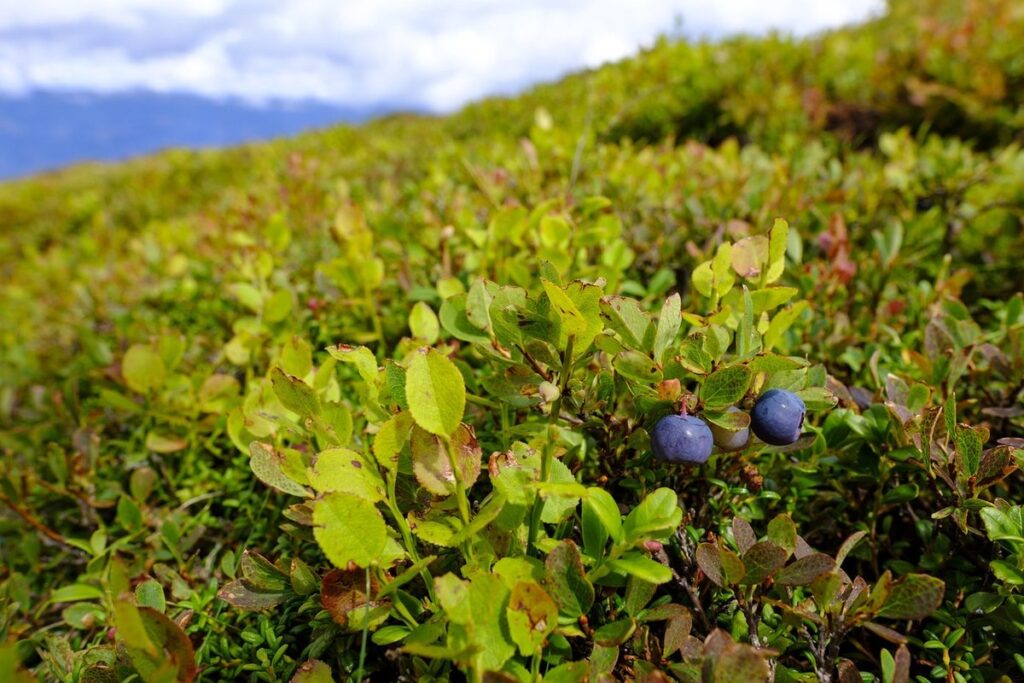
To ensure optimal fruit quality and flavor, wait for the blueberries to reach full maturity before harvesting. This is usually indicated by a slight softening of the skin and a change in color from green to their characteristic deep purple or blue hue. Be gentle when picking the berries, as rough handling can damage them.
Keep in mind that blueberry shrubs typically produce two crops per year: a spring crop and a fall crop. The spring crop tends to be more abundant but may not have the same level of sweetness as the fall crop. By being patient and allowing your blueberry shrub to mature, you’ll enjoy a bountiful harvest of delicious and nutritious fruits for years to come.
Tips for Using Blueberries in Recipes
When it comes to harvesting the bounty of your blueberry shrub, you’ll be eager to incorporate these delicious berries into your cooking and baking. One of the best things about blueberries is their versatility – they can be used fresh, frozen, or dried, making them a perfect addition to a wide range of recipes.
For baked goods, try adding fresh or frozen blueberries to muffin or cake batter for added flavor and moisture. You can also use blueberries to make a delicious crumble topping for pies or crisps. In smoothies, blend blueberries with your favorite fruits and yogurt for a quick and nutritious breakfast. For a refreshing twist on classic salads, toss together mixed greens, crumbled goat cheese, and fresh blueberries.
To store and preserve your blueberry harvest, try the following tips: wash and freeze them immediately to lock in their flavor and nutrients; make jam or preserves using a low-sugar recipe; or dry them using a food dehydrator or by spreading them out on a baking sheet. By incorporating these ideas into your cooking repertoire, you’ll be able to enjoy your blueberry shrub’s bounty all year round.
Additional Considerations
When planting and caring for blueberry shrubs, there are several additional factors to consider to ensure their optimal growth and health. Let’s explore these important details together.
Winter Care and Protection
As winter approaches, it’s essential to provide your blueberry shrubs with adequate care and protection to ensure they survive the harsh cold temperatures. Mulching is a crucial technique for insulating the roots and retaining moisture during the winter months. Apply a 2-3 inch layer of organic mulch such as straw or bark chips around the base of the plants, keeping it a few inches away from the stems. This will help regulate soil temperature and reduce weed growth.
Covering your blueberry shrubs with burlap or a frost blanket can also protect them from extreme cold snaps. Place the cover over the plant, securing it with stakes or weights to prevent it from blowing away in strong winds. Remove the cover as soon as possible when temperatures rise to avoid promoting moisture and encouraging disease.
Pruning is another vital aspect of winter care for blueberry shrubs. Prune any damaged or diseased branches during the dormant season to promote healthy growth and prevent the spread of diseases.
Long-Term Planning and Expansion
As you establish your blueberry shrub planting, it’s essential to consider long-term planning and expansion strategies. This will ensure a continuous supply of fresh blueberries while also allowing you to adapt to changing circumstances.
Succession planting is a crucial strategy for maintaining a consistent harvest. This involves staggering the planting dates so that some plants are in different growth stages throughout the year. For example, if you plant 10 shrubs in March, by July, some will have finished producing berries and will need to be replaced with new ones. By spreading out your planting schedule over several months, you can maintain a steady supply of blueberries.
To expand your planting, you can use propagation methods such as layering or cuttings to produce new plants. Layering involves bending a stem down to the ground and weighting it with soil until roots develop. Cuttings involve taking 4-6 inch sections from established stems and rooting them in a controlled environment. This allows you to multiply your existing stock without having to purchase additional plants.
When planning for expansion, consider potential uses for new plants, such as sharing with friends or family members, or donating to local community gardens or food banks.
Frequently Asked Questions
Can I grow blueberries in containers if I don’t have a lot of space in my garden?
Yes, dwarf and semi-dwarf varieties are perfect for container gardening. Make sure to choose a container with good drainage and use a well-draining potting mix specifically designed for acidic plants like blueberries. Water regularly, but avoid overwatering.
How often should I fertilize my blueberry shrubs, especially during the first growing season?
Fertilize your blueberries once in the spring when they start to bloom, and again after harvest. Use an acidic fertilizer (pH 4.0-5.5) according to the manufacturer’s instructions. During the first year, it’s better to err on the side of caution and fertilize lightly, as overfertilization can harm young plants.
What are some common pests that target blueberry shrubs, and how can I prevent them?
Common pests include aphids, spider mites, and Japanese beetles. To prevent infestations, maintain good garden hygiene by removing weeds, debris, and fallen fruit. Use physical barriers like fine mesh or row covers to keep insects away from your plants.
Can I grow blueberries in areas with alkaline soil? If so, how do I modify the pH?
Yes, but it will require extra effort to create an acidic environment suitable for blueberries. Test your soil pH and amend it by adding elemental sulfur or aluminum sulfate to lower the pH. This process may take several months to a year to achieve the desired acidity (pH 4.0-5.5). Monitor your soil’s pH regularly to ensure optimal growing conditions.
How long will it take for my blueberry shrubs to produce fruit after planting, and what are some signs of ripeness?
It typically takes 2-3 years for blueberries to mature and produce fruit after planting. Look for signs like green or purple berries turning blue or purple, depending on the variety. Check for firmness by gently squeezing the berry; ripe ones should be slightly soft but not mushy.