
If you’re an avid gardener or just looking to grow your own olive trees, you might have come across the black olive tree, also known as Olea europaea ‘Nigra’. These remarkable trees are a type of fruit-bearing evergreen that’s gaining popularity worldwide. But what makes them so special? Not only do they produce delicious and nutritious black olives, but they’re also relatively low-maintenance to care for. In this article, we’ll delve into the fascinating world of black olive trees, exploring their cultivation, maintenance, health benefits, and conservation efforts. Whether you’re a seasoned gardener or just starting out, learn how to grow and care for these incredible trees and discover why they’re becoming increasingly important in our quest for sustainable living. Get ready to unlock the secrets of the black olive tree!
What is a Black Olive Tree?
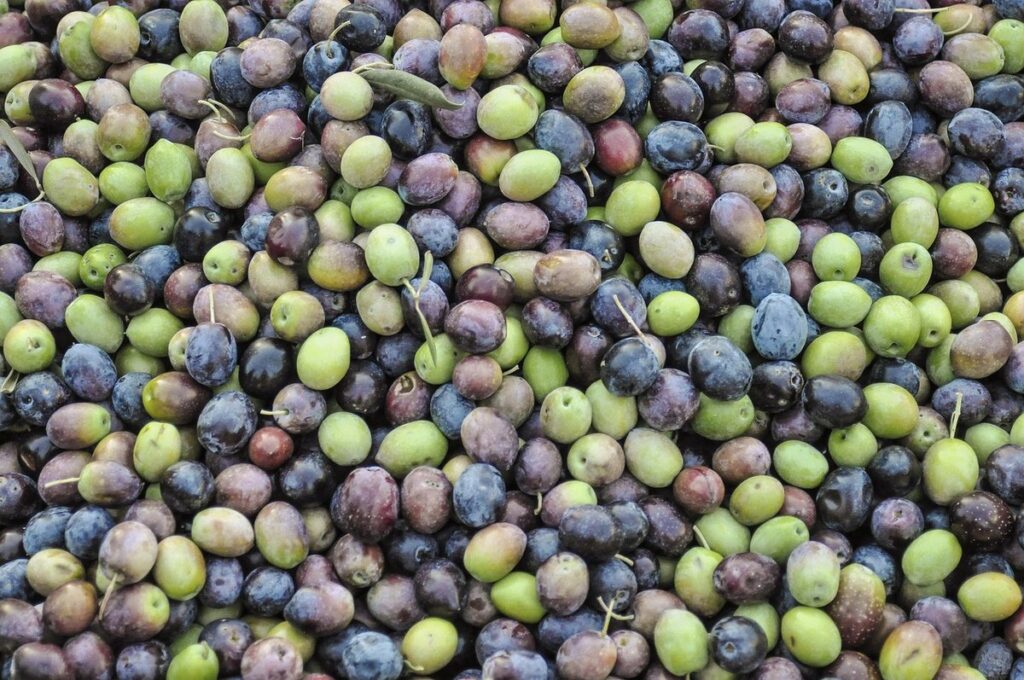
Let’s dive into what makes a black olive tree unique: it’s a distinct species that produces small, inky purple fruit instead of traditional olives. You might be wondering how this happens!
Origin and History of Black Olives
Black olives have been a staple in Mediterranean cuisine for thousands of years, and their journey to becoming a global favorite is a fascinating story. The origin of black olives dates back to the Middle East, where wild olive trees (Olea europaea var. oleaster) grew naturally. These early olives were likely first domesticated in the region of modern-day Turkey around 4000 BCE.
From there, olive cultivation spread throughout the Mediterranean, with ancient civilizations like the Greeks and Romans adopting the practice. The black olive, specifically, was prized for its rich, fruity flavor and versatility in cooking. As trade routes expanded, black olives made their way to Europe, North Africa, and eventually around the world.
Today, many regions boast their own unique varieties of black olives, each with distinct characteristics and uses in local cuisine. For example, the Spanish town of Seville is famous for its black olives, which are cured in salt and used in tapas dishes. By understanding the origin and history of black olives, you can appreciate the rich cultural heritage behind these delicious ingredients and explore new ways to incorporate them into your cooking repertoire.
Characteristics of Black Olive Trees
A black olive tree’s physical characteristics make it a unique and distinctive tree species. Upon closer inspection, you’ll notice that its growth habits are quite different from other olive trees. Black olive trees tend to grow more slowly, reaching maturity over 10-15 years, whereas other varieties can take up to 20-30 years to mature.
One of the most striking features of black olive trees is their leaf structure. Their leaves are typically narrower and more pointed than those of other olive tree varieties, with a softer texture and a delicate sheen. The bark of a mature black olive tree is also noteworthy – it develops a thick, gnarled texture that’s often flecked with gray or black.
In terms of overall shape, black olive trees tend to be more compact and bushy than other varieties, making them well-suited for smaller gardens or spaces. They’re also relatively low-maintenance, requiring less pruning and care than other types of olive trees. When planting a black olive tree, keep in mind that it prefers well-draining soil and full sun – this will help ensure optimal growth and health throughout the years.
The unique physical characteristics of black olive trees make them a standout choice for gardeners and landscape designers looking to add a touch of elegance and sophistication to their outdoor spaces.
Types of Black Olive Trees
There are several types of black olive trees, each with its unique features and growth requirements. One popular variety is the ‘Arbequina’ tree, known for its small fruit and sweet flavor. These trees thrive in well-drained soil and full sun, making them ideal for Mediterranean climates.
Another variety is the ‘Koroneiki’ tree, which produces a higher yield of oil-rich olives. These trees prefer slightly acidic soil and consistent moisture levels, requiring more maintenance than the Arbequina. The ‘Maule’ tree is another variety, known for its high-quality oil production and tolerance to cooler temperatures.
When selecting a black olive tree variety, consider factors such as climate, soil type, and desired yield. Research local nurseries or online retailers to find trees that suit your specific needs. Planting multiple varieties can also enhance biodiversity and overall health of the orchard.
It’s essential to choose a reputable supplier and follow proper planting techniques to ensure the success of your black olive tree. With the right variety and care, you can enjoy bountiful harvests of delicious black olives for years to come.
Growing Conditions for Black Olive Trees
To give your black olive tree the best chance at thriving, you’ll want to understand its specific growing conditions and how to replicate them in your garden. Here’s what to focus on.
Climate Requirements
Black olive trees thrive in regions with mild winters and hot summers. To grow these trees successfully, you’ll need to provide them with optimal climate conditions. The ideal temperature range for black olive trees is between 64°F (18°C) and 90°F (32°C). Avoid exposing your tree to temperatures below 40°F (4°C), as this can cause damage or even death.
In terms of humidity, black olive trees prefer well-draining soil with a moderate level of moisture. Aim for a relative humidity of around 50-60%. Be mindful that too much humidity can lead to root rot and other issues.
When planting your black olive tree in an area with high temperatures, ensure it receives adequate shade during the hottest parts of the day. This will help prevent scorching of the leaves. Conversely, if you live in a region with mild summers, make sure to provide your tree with full sun exposure for optimal growth.
Keep in mind that black olive trees are relatively drought-tolerant but still require consistent moisture levels, especially during their first year after planting. Water them regularly, taking care not to overwater, which can lead to root rot and other problems.
Soil Preferences
When it comes to cultivating black olive trees, choosing the right soil is crucial for their growth and productivity. Black olive trees prefer well-draining soils with a pH range of 6.0 to 7.5. They thrive in areas with limestone or dolomite-based soils, which tend to be more alkaline.
In regions where the soil is too acidic, you can amend it by adding lime to raise the pH levels. However, be cautious not to overdo it, as excessive lime application can lead to nutrient deficiencies. To achieve optimal fertility, incorporate organic matter like compost or well-rotted manure into the soil. This will also improve its water-holding capacity and structure.
Drainage is another critical factor to consider when selecting a location for your black olive tree. The roots of these trees are sensitive to waterlogged conditions, which can lead to root rot and other problems. Ensure that the soil drains excess water easily and doesn’t collect standing water after rainfall or irrigation.
In areas with poor drainage, you may need to construct a raised bed or mound to grow your black olive tree. This will allow excess water to drain away while maintaining good air circulation around the roots. By carefully selecting the right soil type and pH range, you can create an ideal environment for your black olive tree to flourish.
Watering and Irrigation Needs
When it comes to watering and irrigation for black olive trees, understanding their specific needs is crucial. Black olive trees are drought-tolerant, but they still require regular watering, especially during their first year of growth. A general rule of thumb is to water them deeply once or twice a week, depending on the climate.
However, it’s essential to consider rainfall patterns in your area and adjust your irrigation schedule accordingly. For example, if you live in an area with high summer rainfall, you may not need to water your black olive tree as frequently. On the other hand, during dry spells, make sure to provide enough moisture to prevent stress.
The root depth of black olive trees is relatively shallow, typically around 3-4 feet deep, which means they require more frequent watering than trees with deeper roots. A good way to determine if your tree needs water is to check the soil by inserting a finger or a shovel into it; if it feels dry, it’s time for irrigation.
When watering, make sure not to overwater, as this can lead to root rot and other problems. A good starting point is to provide about 10-15 gallons of water per tree during each watering session.
Cultivation and Maintenance
To successfully grow a thriving black olive tree, proper cultivation and maintenance are crucial. Let’s dive into the essential care tips to keep your tree healthy and strong.
Planting and Pruning Techniques
When planting a black olive tree, it’s essential to choose a location with well-draining soil and full sun exposure. Dig a hole twice as wide and just as deep as the root ball, adding organic matter like compost or manure to improve soil fertility. Gently remove the tree from its container and place it in the hole, ensuring the graft union is at least 2 inches above ground level.
Regular pruning is crucial for maintaining the shape, size, and productivity of your black olive tree. Prune during the dormant season (winter or early spring), removing any dead, diseased, or damaged branches. Thin out the canopy to allow sunlight penetration and promote air circulation. Remove crossing or rubbing branches, and cut back vigorous shoots to encourage a balanced growth habit.
For maximum yields, prune your black olive tree annually, focusing on maintaining a central leader and an open center system. This will allow sunlight to reach all areas of the tree and promote fruiting. Regular pruning also helps control pests and diseases, reducing the need for chemical treatments and promoting a healthier tree overall.
Fertilization and Pest Control Strategies
Proper fertilization and pest control are crucial for maintaining healthy black olive trees. To ensure optimal growth, it’s essential to establish a regular fertilization schedule. Black olive trees benefit from balanced fertilizers containing nitrogen, phosphorus, and potassium (NPK). A general rule of thumb is to apply fertilizer in early spring and again after harvesting.
However, be cautious not to overfertilize as this can damage the tree’s roots and lead to nutrient deficiencies. Soil pH also plays a significant role in nutrient availability. Black olive trees prefer slightly acidic to neutral soil conditions (pH 6-7). Regularly test your soil to determine its pH level and adjust accordingly.
Common pests that threaten black olive cultivation include aphids, whiteflies, and scale insects. To control infestations, adopt integrated pest management (IPM) techniques. This approach involves using a combination of physical barriers, cultural controls (pruning and watering), biological controls (introducing beneficial insects), and chemical controls (insecticides) as needed. Monitor your trees regularly for signs of pests and take action promptly to prevent infestations from spreading.
Harvesting and Yield Management
Harvesting black olives at the right time is crucial to ensure optimal flavor and quality. The ideal time for harvest varies depending on the climate and region, but generally, it takes place between September and November. To determine if the olives are ripe, check for a slight give when pressed with your fingers, as well as a dark purple color.
Proper harvesting techniques involve selecting healthy fruit and avoiding over-harvesting to prevent stress on the tree. Mechanized rakes or hand-picked methods can be used; however, hand-picking is often preferred for its gentler approach.
Managing yields requires regular monitoring of tree performance through measures such as fruit set, growth rate, and yield per tree. This allows farmers to identify potential issues before they become severe, enabling proactive adjustments to pruning, watering, or fertilization schedules as needed. Pruning, in particular, plays a significant role in controlling yields by adjusting branch density, thereby optimizing sunlight penetration and promoting healthy tree development.
Health Benefits and Culinary Uses
Black olives are not only delicious, but they’re also packed with nutrients that can have a significant impact on your overall health. Let’s explore their benefits and some tasty ways to use them in cooking.
Nutritional Value of Black Olives
Black olives are not only a delicious addition to many Mediterranean dishes, but they’re also packed with nutrients that can provide numerous health benefits. One of the most significant advantages of black olives is their high antioxidant content. Antioxidants help protect cells from damage caused by free radicals, which can contribute to chronic diseases such as cancer and heart disease.
In particular, black olives are rich in vitamin E, a powerful antioxidant that has been shown to have anti-inflammatory properties and may even help reduce the risk of certain cancers. A single serving of black olives (about 1 ounce) provides nearly 10% of the recommended daily intake of vitamin E.
Black olives also contain healthy fats, primarily monounsaturated fats, which can help lower LDL cholesterol levels and reduce the risk of heart disease. Additionally, they are a good source of fiber, containing both soluble and insoluble fiber that can support digestive health.
When choosing black olives, look for those that are minimally processed and packed in water or olive oil to avoid added preservatives. You can also incorporate them into your diet by using them as a topping for salads, pizzas, or pasta dishes, or by adding them to sandwiches and wraps.
Culinary Applications
Black olives are an incredibly versatile ingredient that can elevate various dishes and condiments. When it comes to culinary applications, black olives are a staple in many Mediterranean and Middle Eastern cuisines. One of the most popular ways to use them is in making tapenades – a thick, spreadable paste often served as an appetizer or used as a dip for bread.
You can make a basic tapenade by blending pitted green or black olives with capers, garlic, and olive oil. For a richer flavor, try combining kalamata olives with artichoke hearts, sun-dried tomatoes, and a hint of lemon juice. To add an Italian twist to your tapenade, blend it with chopped fresh rosemary, pine nuts, and Parmesan cheese.
Black olives also make excellent additions to salad dressings. For example, you can create a classic vinaigrette by whisking together olive oil, red wine vinegar, Dijon mustard, and minced black olives. Another option is to blend black olives with yogurt or sour cream for a creamy sauce perfect for pasta dishes or as a dip.
When using black olives in cooking, be sure to pat them dry with paper towels before chopping to remove excess moisture, which can make the dish soggy. You can also roast pitted black olives in the oven until fragrant and caramelized for added depth of flavor.
Potential Health Benefits
Consuming black olives has been associated with numerous potential health benefits, making them an excellent addition to a balanced diet. One of the most significant advantages is their anti-inflammatory properties. Black olives contain oleocanthal, a compound that has been shown to have similar effects to ibuprofen in reducing inflammation and pain.
This reduction in inflammation can have a positive impact on heart health. Studies have found that consuming black olives regularly may lower blood pressure and improve overall cardiovascular health. The potassium content in black olives also helps to reduce blood pressure by counteracting the effects of sodium.
To reap these benefits, aim to incorporate 1/4 cup of pitted black olives into your daily meals. You can add them to salads, use as a topping for sandwiches or pasta dishes, or blend into sauces and marinades. When choosing black olives, opt for those that are free from added preservatives and salt to maximize their nutritional value.
Incorporating black olives into your diet may also have other health benefits, such as reducing the risk of certain cancers and improving cognitive function. However, more research is needed to confirm these potential advantages.
Conservation and Sustainability
As we explore the many wonders of the black olive tree, let’s talk about how we can protect these incredible trees for generations to come. We’ll look at conservation efforts and sustainable practices that support their preservation.
Threats to Black Olive Tree Populations
Habitat loss and fragmentation are major concerns for black olive tree populations. As human activities such as urbanization, agriculture, and infrastructure development continue to expand, natural habitats are being destroyed or degraded. This not only reduces the available space for black olive trees to grow but also isolates individual trees, making them more vulnerable to extinction.
Climate change is another significant threat to black olive tree populations. Rising temperatures and changing precipitation patterns can alter the delicate balance of ecosystems, making it difficult for these trees to adapt. For instance, droughts have become more frequent in recent years, causing stress to already struggling trees.
Pests and diseases are also major threats to black olive trees. The introduction of non-native species can lead to the spread of invasive pests that feed on the trees’ leaves and bark, while diseases such as root rot can quickly spread through damaged or weakened roots. To mitigate these risks, it’s essential for landowners and conservationists to implement sustainable practices, such as pruning and monitoring for signs of disease.
In some regions, black olive trees are also threatened by over-harvesting, which can lead to the decline of mature trees and disrupt the regeneration process. By adopting responsible harvesting methods and replanting efforts, it’s possible to maintain healthy populations while still meeting the demand for these valuable trees.
Sustainable Practices for Cultivation
When cultivating black olive trees, it’s essential to adopt sustainable practices that minimize environmental impact while maintaining high yields. One of the most critical steps is choosing a suitable location for your tree. Look for areas with well-draining soil and full sun exposure, as this will help reduce water consumption.
To conserve water, use efficient irrigation systems such as drip irrigation or mulch around the base of the tree to retain moisture. Additionally, incorporate cover crops between olive tree rows to prevent soil erosion and improve soil health.
Fertilization is another crucial aspect of sustainable cultivation. Use organic fertilizers like compost or manure tea, which promote soil biota and reduce chemical usage. Regular pruning also helps maintain a healthy tree structure, promoting air circulation and reducing the risk of disease.
A good example of successful sustainable practices can be seen in Mediterranean olive farms where they have implemented regenerative agriculture methods to improve soil fertility and biodiversity. By adopting these simple yet effective strategies, you’ll not only reduce your environmental footprint but also increase the overall health and productivity of your black olive tree.
Efforts in Preservation and Conservation
Efforts are underway to protect and conserve black olive tree populations, recognizing their ecological importance. Protected areas such as the Andalusian Natural Park of Sierra Nevada in Spain provide a safe habitat for these trees. In addition, organizations like the Arbor Day Foundation have established conservation initiatives to preserve black olive tree habitats.
For example, the Olive Tree Conservation Program launched by the Spanish government aims to protect and restore olive groves, including those with black olive trees. This program involves collaboration between local communities, farmers, and conservationists to promote sustainable land use practices and maintain biodiversity.
You can also contribute to the preservation of black olive trees by supporting organizations that work towards their conservation. For instance, you could donate to a reputable organization or participate in tree-planting events in your community. By taking small actions, you can make a positive impact on the conservation of this unique and valuable species. Remember to choose nurseries that specialize in native plant species to ensure that you are supporting the local ecosystem.
Frequently Asked Questions
How Do I Determine the Right Time to Harvest Black Olives?
The ideal time for harvesting black olives is when they are ripe but still firm, as this ensures optimal flavor and nutritional content. Check for a slight give when pressed gently, and harvest regularly over several weeks to encourage consistent yields.
Can Black Olive Trees Be Grown in Cooler Climates?
While black olive trees prefer warmer temperatures (40-90°F/4-32°C), they can tolerate cooler climates with proper care. Choose a variety like ‘Nigra’ that’s more tolerant of chill hours, and ensure your tree is well-insulated to protect it from frost damage.
What Are the Best Companion Plants for Black Olive Trees?
Companion planting can enhance growth and pest resistance in black olive trees. Planting herbs like rosemary or thyme around the base can improve soil quality and deter pests, while nitrogen-fixing legumes like clover can add nutrients to the soil.
How Do I Prevent Pests Like Fruit Flies from Damaging My Black Olives?
Fruit flies are a common pest for black olive trees. To prevent infestations, cover your tree with fine mesh or netting, and regularly inspect for signs of damage. Also, avoid overwatering, which can attract pests.
Can I Grow Black Olive Trees in Containers?
Yes, you can grow black olive trees in containers, but choose a large one (at least 14-16 inches deep) to accommodate the tree’s root system. Use well-draining potting mix and fertilize regularly to promote healthy growth.