
Starting your own garden can be intimidating, especially when trying to grow plants that require a bit more effort. But growing Black-eyed Susans (Rudbeckia hirta) from seed doesn’t have to be daunting. With their bright yellow petals and dark centers, these flowers are a perfect addition to any sunny spot in your yard. If you’re looking for a low-maintenance flower to bring some color into your garden, Black-eyed Susans are an excellent choice. However, many people assume they need special care or attention to grow from seed, which isn’t the case. In this article, we’ll show you how to easily start Black-eyed Susans from seed by choosing the right variety, preparing the perfect soil, and providing them with basic care.
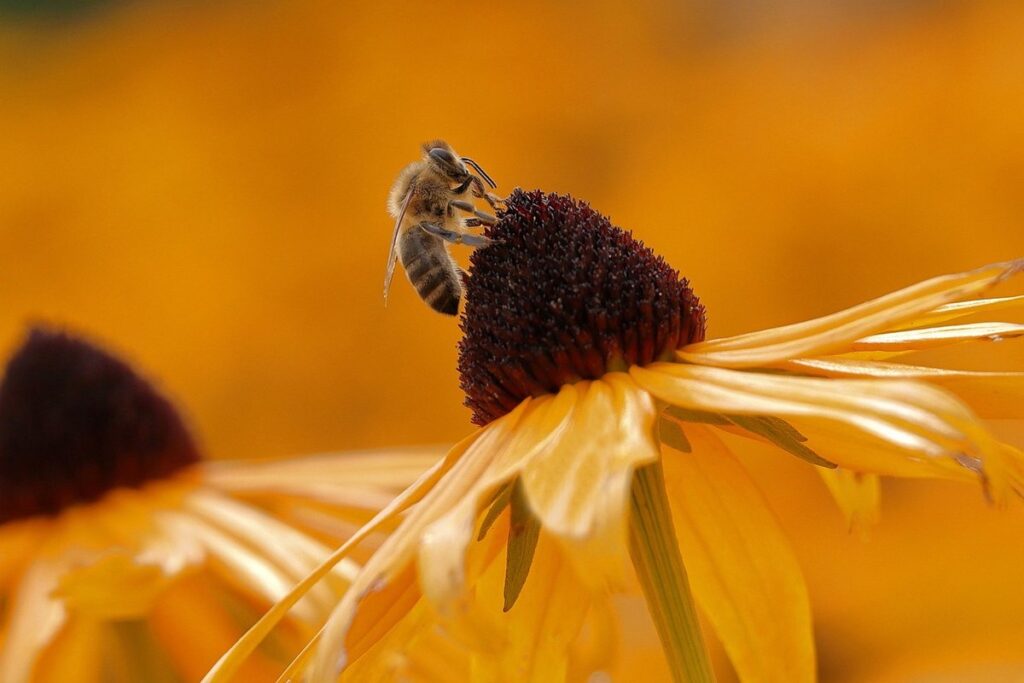
Choosing the Right Variety
When selecting a black-eyed Susan variety, consider factors like growth habits, bloom time, and flower size to choose one that suits your garden’s unique needs. This will ensure you get the best results from your seeds.
Selecting a Beginner-Friendly Cultivar
When it comes to growing black-eyed Susans from seed, selecting a beginner-friendly cultivar is crucial for success. A suitable variety can make all the difference between a thriving plant and one that struggles to grow. With so many options available, it’s essential to choose a cultivar that’s easy to germinate, has minimal maintenance requirements, and can tolerate common growing conditions.
Some popular easy-to-grow varieties of black-eyed Susans include ‘Goldstrum’, ‘Katie’, and ‘Ruby Fusion’. These cultivars are bred specifically for their adaptability and resilience. For example, ‘Goldstrum’ is known for its ability to thrive in a range of soil types and can handle partial shade, making it an excellent choice for beginners who may not have ideal growing conditions.
When selecting a cultivar, look for characteristics such as disease resistance, compact growth habits, and early blooming. These traits will make it easier to care for your black-eyed Susans and ensure they produce beautiful blooms throughout the growing season. By choosing a beginner-friendly variety, you’ll be well on your way to successfully growing black-eyed Susans from seed.
Understanding the Growth Habit
Black-eyed Susans come in a variety of growth habits to suit different needs and spaces. Compact varieties are ideal for small gardens or containers, growing only 12-18 inches tall with a spread of about 18-24 inches. These compact plants are perfect for adding a pop of color to patios, decks, or balconies.
Tall varieties, on the other hand, can grow up to 3 feet high and wide, making them suitable for larger gardens or areas where you want a more dramatic display. They require more space to spread out and provide a stunning backdrop for smaller flowers or shrubs.
Dwarf varieties fall somewhere in between compact and tall, growing around 18-24 inches tall with a similar spread. These plants offer the best of both worlds: they’re still relatively low-maintenance but can add a touch of elegance to any garden.
When choosing a black-eyed Susan variety, consider your available space and desired level of maintenance. Compact or dwarf varieties are great for smaller spaces or those new to gardening, while tall varieties provide more drama for larger gardens.
Preparing the Soil
Before planting your Black-Eyed Susan seeds, it’s essential to prepare the soil by loosening and aerating it to a depth of about 8-10 inches. This will give your seedlings a healthy start.
Testing Your Soil pH
Testing your soil’s pH level is crucial for growing healthy black-eyed Susans. The ideal pH range for these flowers is between 6.0 and 7.0. If the pH is too high (alkaline) or too low (acidic), it can affect nutrient availability, water absorption, and root growth – ultimately impacting your plant’s health.
To test your soil’s pH level, you’ll need a DIY kit or send a sample to a lab for analysis. A DIY kit usually includes pH papers or a testing device that gives an approximate reading. If you’re unsure about the accuracy, consider getting a professional analysis done.
In either case, make sure to collect a representative sample from your planting area, ideally 6-8 inches deep. Avoid areas with debris or mulch, as these can skew the results. Once you receive the pH reading, compare it to the ideal range for black-eyed Susans and take corrective action if necessary. This may involve adding lime to raise the pH or sulfur to lower it.
Amending Your Soil (if necessary)
If you’ve tested your soil and it’s not quite right for Black-Eyed Susans, don’t worry! Amending your soil is a relatively simple process that can make all the difference. First, let’s talk about pH levels. Black-Eyed Susans prefer a slightly acidic to neutral soil pH, ranging from 6.0 to 7.0.
If your soil is too alkaline (high pH), you’ll need to add an acidifying agent like peat moss or sulfur. Mix in 2-4 inches of peat moss or about 1 pound of elemental sulfur per 100 square feet. On the other hand, if your soil is too acidic (low pH), you can add a base like lime to raise the pH.
Another common issue with garden soil is poor structure, which can lead to waterlogged or dry conditions that are detrimental to Black-Eyed Susans. To improve soil structure, mix in 2-4 inches of compost or well-rotted manure per 100 square feet. This will not only help the soil drain and aerate but also provide essential nutrients for your plants.
Remember to test your amended soil after a few weeks to ensure it’s within the desired pH range. A slightly adjusted pH can make all the difference in growing healthy, thriving Black-Eyed Susans from seed.
Sowing Black-Eyed Susan Seeds
To successfully sow black-eyed susan seeds, begin by preparing a seed tray or small pots with good quality potting mix and warm temperatures to promote germination. Next, carefully plant your seeds about 1/4 inch deep.
Timing the Sowing
When it comes to timing the sowing of Black-Eyed Susan seeds, understanding your region’s climate and frost dates is crucial for success. In general, it’s best to sow seeds 8-10 weeks before the last frost date in your area. This allows the seedlings to develop a strong root system before being exposed to potential frosts.
In regions with mild winters, like USDA zones 9-11, you can sow Black-Eyed Susan seeds in late winter or early spring, about 2-3 months before the last frost date. For cooler climates, such as USDA zones 3-5, it’s better to wait until late spring to early summer, when the soil has warmed up and the risk of frost has passed.
To determine the best sowing time for your area, check your local nursery or extension office for specific information on frost dates and climate conditions. You can also use online resources like the Old Farmer’s Almanac or USDA Plant Hardiness Zone Map to get a better understanding of your region’s growing conditions. By timing your sow correctly, you’ll be well on your way to enjoying vibrant blooms from your Black-Eyed Susan plants.
Sowing Methods: Direct Sow vs. Indoor Start
When it comes to sowing Black-Eyed Susan seeds, you have two primary methods: direct sow and indoor start. Each approach has its advantages and disadvantages.
Direct sow involves planting the seeds directly into the garden bed at the right time for your region. This method allows the seedlings to develop a stronger root system, which can lead to healthier plants in the long run. Additionally, direct sowing eliminates the need for transplanting, reducing shock to the young plant. However, it requires precise timing and adequate soil conditions.
On the other hand, indoor starting involves germinating the seeds indoors 6-8 weeks before the last frost date. This method gives you a head start on the growing season and allows you to control factors like temperature and light. Indoor started seedlings are typically less prone to disease and pests, but they may require more care during transplanting.
Keep in mind that Black-Eyed Susans can be direct-sown as soon as the soil has warmed up in spring or fall, depending on your location. It’s essential to choose a spot with full sun and well-draining soil for best results.
Caring for Your Seedlings
Now that you’ve got your seedlings up and running, it’s time to focus on keeping them healthy and thriving – let’s dive into some essential care tips!
Providing Adequate Light
Light is one of the most critical factors for healthy seedling growth, and black-eyed Susans are no exception. Seedlings need adequate light to undergo photosynthesis, which fuels their development and helps them transition into mature plants. Without sufficient light, your black-eyed Susans may become leggy, weak, or even fail to thrive.
To ensure your seedlings receive enough light, place them in a sunny location with direct sunlight for at least 4-6 hours a day. If you’re starting seeds indoors, position the grow lights about 6-8 inches above the soil surface to mimic natural light conditions. Aim for an intensity of around 20-40 watts per square foot.
Some other tips to keep in mind: avoid placing seedlings near drafts or extreme temperatures, and rotate them every few days to maintain even growth. You can also use sheer curtains or blinds to filter harsh sunlight, which can cause scorching on delicate seedling leaves. By providing the right amount of light, you’ll be well on your way to growing healthy, robust black-eyed Susans from seed.
Watering and Soil Moisture
Watering young black-eyed Susans requires attention to their specific needs. Overwatering can be detrimental, causing roots to rot and leading to stunted growth. Signs of overwatering include yellowing leaves, soft stems, and a general droopy appearance. On the other hand, underwatering can cause dry, brittle leaves and reduced flower production.
To determine the optimal watering schedule, check the soil moisture by inserting your finger into the soil up to the first knuckle. If the soil feels dry, it’s time to water. Aim for about 1-2 inches of water per week, either from rain or irrigation. Water thoroughly but avoid getting water on the leaves to prevent fungal diseases.
During hot weather, young black-eyed Susans may need more frequent watering, especially if they’re exposed to full sun. Monitor your plants closely and adjust their watering schedule as needed. A general rule of thumb is to water when the top 1-2 inches of soil feels dry. This will help you avoid overwatering and promote healthy root development.
Transplanting Seedlings
Now that your seedlings have a few sets of leaves, it’s time to transplant them into larger pots and eventually, outside gardens. We’ll walk you through this delicate process step-by-step.
Preparing Your Garden Bed
Before transplanting your black-eyed susan seedlings into their new home, it’s essential to prepare the garden bed. This will give them a strong foundation for growth and help prevent transplant shock.
To loosen the soil, use a fork or spade to gently break up any clods or compacted areas. Avoid tilling too deeply, as this can damage the roots of nearby plants or bring up unwanted weed seeds. For black-eyed susans, it’s best to focus on loosening the top 6-8 inches of soil.
Next, remove any weeds that are growing in the area. Weeds compete with your seedlings for water and nutrients, so it’s crucial to give them a clean slate. Use a hoe or hand-weed to carefully remove any weeds, making sure not to damage nearby plants. This will also help prevent weed seeds from being brought up into the topsoil as you prepare the bed.
Now that the soil is loosened and weeded, your garden bed is ready for transplanting. Make sure to water the area well before introducing your seedlings, and they’ll be off to a great start in their new home.
Transplanting Technique
When it’s time to transplant your Black-Eyed Susan seedlings into larger pots or directly into the garden, handle them gently and carefully. Start by inspecting the roots for any tangles or knots that could be causing damage to the delicate root system. Gently tease out these tangles with a fork, taking care not to cause excessive disturbance.
Next, place the pot or container on its side, and using a chopstick or similar tool, create a hole in the soil about 1-2 inches deep. This will give you plenty of room for the roots to grow without getting tangled up in the surrounding soil. Carefully lift the seedling out of its original pot, taking care not to disturb the roots any further.
Place the seedling into the new pot or hole, and gently firm the soil around it with your fingers. Make sure not to pack the soil too tightly, as this can cause waterlogging and other problems. Finally, give the seedling a good watering to settle it in its new home. By following these steps, you’ll minimize root disturbance and promote healthy growth for your Black-Eyed Susans.
Common Issues and Troubleshooting
If you’re encountering problems getting your Black-Eyed Susan seeds to germinate, this section will help identify common issues and provide solutions. We’ll address some of the most frequent seed starting challenges.
Identifying Pests and Diseases
When growing black-eyed Susans from seed, it’s essential to be aware of potential pests and diseases that can harm your plants. One common pest is the aphid, which can be identified by its small, soft body and long legs. These insects feed on plant sap, causing curled or distorted leaves and stunted growth. To control aphids, spray your black-eyed Susans with a strong jet of water to dislodge them, followed by an insecticidal soap solution.
Root rot is another common issue caused by overwatering or poor drainage. Look for yellowing leaves, soft stems, and a sour smell from the soil. To address this problem, repot your black-eyed Susans in fresh potting mix with good drainage and reduce watering frequency. Powdery mildew can also affect black-eyed Susans, characterized by white, powdery patches on leaves and stems. Treat affected plants with a fungicide or remove infected areas to prevent further spread.
Regularly inspect your plants for these issues and take action promptly to ensure healthy growth.
Soil-Borne Problems
When starting black-eyed Susans from seed, it’s essential to be aware of soil-borne problems that can arise. These issues are often caused by a combination of factors, including poor drainage, excess moisture, and the presence of fungal spores.
Root rot is one common problem that can occur when the soil is too wet or waterlogged. This can lead to a collapse of the plant’s root system, causing it to weaken and become more susceptible to disease. To prevent this, make sure the seed starting mix has good drainage properties and avoid overwatering your seedlings.
Powdery mildew and leaf spot are other common issues that can affect black-eyed Susans grown from seed. These diseases thrive in warm, humid environments with poor air circulation. By providing adequate space between seedlings and ensuring good air circulation around the plants, you can help prevent these issues. Regularly inspect your seedlings for signs of disease and take action promptly to treat any problems that arise.
In addition to these factors, using high-quality seed starting mix specifically designed for seeds can also help minimize soil-borne problems.
Frequently Asked Questions
What are the chances of success when growing Black-eyed Susans from seed, especially for beginners?
While it’s true that some varieties may be easier to grow than others, the success rate is still relatively high even with beginner-friendly cultivars. With proper care and attention to soil conditions, you can expect a 70-80% germination rate.
How long does it take for Black-eyed Susan seedlings to mature after sowing?
The time from sowing seeds to harvesting flowers can range from 60 to 120 days, depending on weather conditions, temperature, and the specific variety. This means that you’ll need to plan ahead and allow enough time for your plants to mature before expecting blooms.
Can I direct sow Black-eyed Susans in areas with partial shade?
While Black-eyed Susans do best in full sun, they can still thrive in partial shade if provided with sufficient light (at least 4-6 hours of direct sunlight). However, keep in mind that the plant’s growth habit and bloom time may be affected by reduced sunlight.
What is the ideal spacing for planting Black-eyed Susan seedlings?
For optimal growth and air circulation, space your Black-eyed Susans at least 12 to 18 inches apart. This will also help prevent overcrowding, which can lead to disease issues and other problems.
Can I grow multiple varieties of Black-eyed Susans in the same garden bed?
Yes! In fact, growing multiple varieties can create a stunning display of colors and textures. However, be sure to choose varieties with different growth habits or bloom times to avoid overcrowding and promote healthy growth.