
Big vegetables have long been a source of fascination for gardeners and food enthusiasts alike. Whether you’re growing your own record-breaking pumpkins or simply looking to incorporate more oversized squash into your diet, there’s no denying the impact these massive produce can have on our daily lives. Not only are big vegetables a sight to behold, but they also boast impressive health benefits and can even contribute significantly to local economies. In this article, we’ll delve into the world of big veggies, exploring their surprising advantages, the economic impact of cultivating them, and most importantly, how you can grow your own gigantic produce right at home. So, are you ready to discover the incredible world of big vegetables?
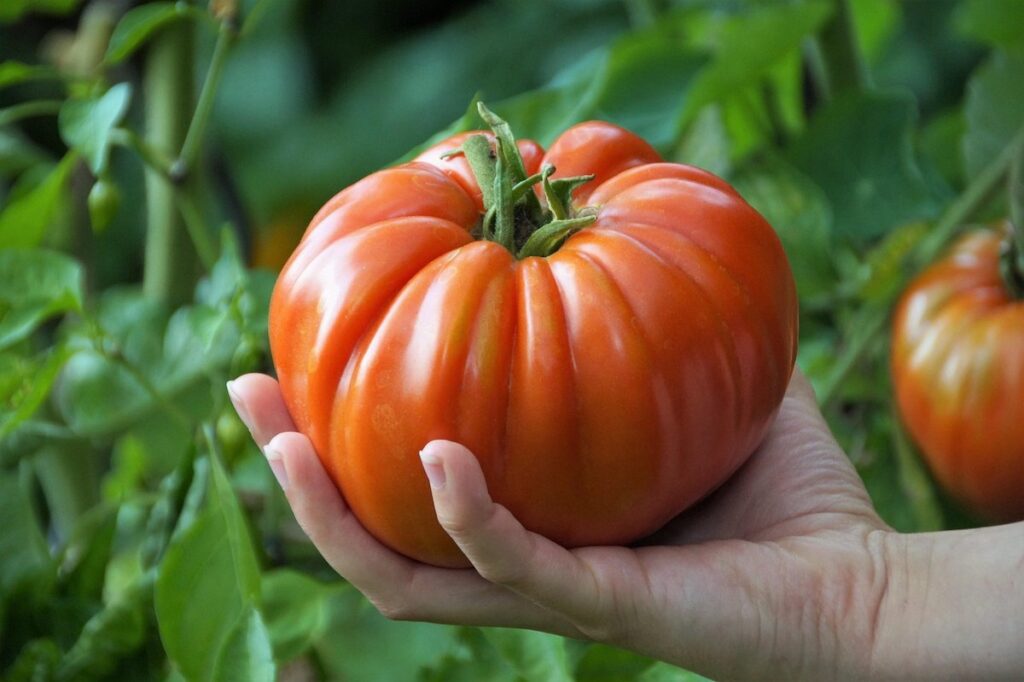
What Are Big Vegetables?
Let’s start by exploring what exactly classifies a vegetable as “big” and the fascinating characteristics that set these massive produce apart.
Definition and Types
Big vegetables are not just a novelty, but a fascinating world of gargantuan produce that boasts incredible sizes, shapes, and characteristics. So, what exactly defines big vegetables? For the purpose of this guide, we’ll consider big vegetables to be those that exceed average or record-breaking size, often grown for competitions, exhibitions, or simply as a remarkable display of horticultural prowess.
There are several types of big vegetables that are worth mentioning. Giant pumpkins, for instance, can weigh over 2,000 pounds and measure up to 13 feet in circumference. Massive melons, like the Densuke watermelon, can grow up to 20 pounds in weight and have a diameter of around 22 inches. Oversized squash, such as the Atlantic giant pumpkin, can reach weights of up to 1,700 pounds.
Growing big vegetables requires specific techniques, including selecting suitable varieties, providing optimal growing conditions, and employing precise cultivation methods. If you’re interested in cultivating these behemoths yourself, be sure to research the specific requirements for your chosen variety and get ready for a thrilling gardening experience!
History of Big Vegetable Cultivation
Big vegetable cultivation has been around for centuries, with evidence of giant produce dating back to ancient civilizations. One notable record is that of Charles II, who reportedly grew a cabbage as big as 15 inches in circumference during the 17th century. In modern times, the rise of competitive gardening and the popularity of massive vegetables have led to some remarkable achievements.
For instance, the Guinness World Record for the largest pumpkin was set by Mathias Willemijns in Belgium in 2016, with a gargantuan gourd weighing over 2,600 pounds. Similarly, the longest cabbage on record measured over 11 feet and 9 inches long. These records are not just impressive feats of horticulture but also demonstrate the dedication and expertise that goes into cultivating big vegetables.
As you consider growing your own massive produce, keep in mind the importance of selecting the right varieties, providing ample space for growth, and maintaining optimal conditions such as temperature, light, and nutrient-rich soil. With the right approach and a bit of luck, you too can join the ranks of big vegetable growers and achieve some remarkable results.
Benefits of Growing Big Vegetables
Growing big vegetables not only yields impressive results, but also brings a host of benefits to your garden and plate. Let’s dive into the advantages that make these giants worth cultivating.
Nutritional Value and Health Benefits
When you think about it, big vegetables are essentially nature’s multivitamin. They’re packed with an incredible amount of nutrients that can have a significant impact on our overall health and wellbeing. Let’s dive into the nutritional value and health benefits associated with eating large vegetables.
One of the standout advantages of big veggies is their high fiber content. Take pumpkins, for example. One cup of pumpkin cubes contains a whopping 2.8 grams of dietary fiber, which can help regulate bowel movements, promote satiety, and even lower cholesterol levels. Other big vegetables like carrots and sweet potatoes are also rich in fiber, making them an excellent choice for those looking to boost their digestive health.
In addition to fiber, large vegetables are also powerhouses of antioxidants and vitamins. For instance, a single serving of broccoli can provide up to 150% of the recommended daily intake of vitamin C, which is essential for immune function and collagen production. Similarly, big bell peppers are an excellent source of vitamin A, vitamin K, and folic acid, making them a great addition to any meal.
So how can you incorporate more big vegetables into your diet? Start by experimenting with different recipes that feature these giant produce as the star ingredient. You can roast them, grill them, or even blend them into a delicious smoothie. The key is to find ways to make eating big veggies enjoyable and convenient. By doing so, you’ll not only reap the numerous health benefits but also develop a taste for something truly amazing!
Economic and Environmental Impact
Growing big vegetables can have a significant economic and environmental impact, making it an attractive option for farmers and gardeners alike. For one, large vegetables often yield more than their smaller counterparts, resulting in increased harvests and higher revenue. A study by the University of California found that tomatoes grown using high-trellising techniques produced 20% more fruit than those grown conventionally.
Another benefit is reduced water usage. Large vegetables tend to have deeper roots, allowing them to access water deeper in the soil, reducing the need for irrigation. This not only saves water but also reduces labor costs associated with frequent watering. In addition, big vegetables can be grown using eco-friendly farming practices such as permaculture and agroforestry. These methods promote biodiversity, improve soil health, and reduce the use of synthetic fertilizers and pesticides.
By adopting these techniques, farmers and gardeners can not only boost their yields but also contribute to a more sustainable food system.
The Science Behind Big Vegetable Growth
So, you’re curious about how those gigantic veggies get so big? Let’s dive into the fascinating science behind their rapid growth and development.
Factors Influencing Growth
When it comes to growing gigantic vegetables, several key factors come into play. Genetics is one of the most significant contributors to a vegetable’s size potential. Some varieties are bred specifically for their ability to grow large and produce high yields, such as the gargantuan Romanesco broccoli or the massive pumpkin varieties. These genetically engineered veggies have been selectively bred over generations to prioritize growth over other traits.
Soil quality is another critical factor in determining a vegetable’s size. A nutrient-rich soil with excellent drainage allows vegetables to absorb essential nutrients and water efficiently. This, in turn, enables them to grow larger and healthier. Conversely, poor soil conditions can limit growth and lead to stunted or deformed vegetables. For instance, adding compost or manure to the soil can provide a boost of essential nutrients that support healthy growth.
Climate also plays a significant role in big vegetable growth. Most large vegetables thrive in warm weather with plenty of sunlight. A consistent temperature between 65°F to 75°F (18°C to 24°C) during the day and above 55°F (13°C) at night is ideal for promoting growth. Similarly, adequate water supply is essential to support the rapid growth of big veggies.
Nutrient availability is another crucial factor that influences a vegetable’s size. A balanced diet of macronutrients such as nitrogen, phosphorus, and potassium, along with micronutrients like iron and zinc, supports healthy growth and development. Applying organic fertilizers or using compost tea can provide these essential nutrients to promote optimal growth.
To maximize your chances of growing gigantic vegetables, focus on selecting varieties that are bred for size potential, maintain excellent soil quality through regular amendments, ensure a favorable climate with plenty of sunlight and water, and provide a balanced diet of essential nutrients. With these factors in mind, you’ll be well on your way to cultivating the biggest, most impressive veggies around!
Hormones and Plant Physiology
Plant hormones play a crucial role in promoting oversized growth in vegetables. Among these, auxins are key players in regulating cell elongation and division. Auxins cause cells to grow longer by increasing the production of cellulose and other cell wall components, allowing plants to stretch upwards towards light sources. In turn, this triggers an increase in auxin synthesis at the tips of stems and roots.
Gibberellins also contribute to oversized growth by promoting cell elongation, although they work differently than auxins. Gibberellins trigger a series of biochemical reactions that ultimately lead to the breakdown of cell walls, allowing cells to expand more freely.
Cytokinins are another essential hormone in plant physiology, responsible for promoting cell division and differentiation. By regulating these processes, cytokinins help plants develop larger leaves, stems, and roots – all key components of big vegetables. A higher concentration of cytokinins can lead to increased biomass production, resulting in bigger yields.
Practically speaking, gardeners can encourage oversized growth by providing optimal growing conditions for their plants, including sufficient light, water, nutrients, and space to stretch.
Growing Big Vegetables at Home
To grow big, juicy vegetables at home, you’ll need to focus on providing the right conditions and using techniques that promote healthy growth. Let’s dive into the details of creating an ideal environment for your oversized produce.
Tips for Successful Cultivation
Growing big vegetables at home requires a combination of selecting the right seeds, preparing the soil, and maintaining optimal growing conditions. To start, choose varieties that are known for their ability to produce large fruits or vegetables, such as ‘Brilliant’ bell peppers or ‘Hale’s Best’ pumpkins. These varieties will typically have a higher yield potential than standard varieties.
Once you’ve selected your seeds, prepare the soil by loosening it to a depth of 12 inches and adding compost or well-rotted manure to improve its fertility and drainage. Make sure the pH level is suitable for your chosen vegetables, as some are more sensitive to acidic or alkaline conditions than others.
Maintain optimal growing conditions by providing your vegetables with full sun, adequate water, and support as needed. For example, tomatoes will require a trellis or cage to keep them upright, while pumpkins will need a large area to spread out in. By following these steps, you can successfully cultivate big vegetables at home and enjoy the rewards of growing your own gargantuan produce.
Common Challenges and Solutions
Growing big vegetables at home can be a rewarding experience, but it’s not without its challenges. One of the most common issues growers face is pests and diseases that can quickly destroy a prized crop. For example, aphids and whiteflies can suck the sap from leaves, causing damage and stunted growth, while fungal diseases like powdery mildew and downy mildew can spread rapidly if not caught early.
To overcome these challenges, implement integrated pest management (IPM) techniques, such as introducing beneficial insects that prey on pests, using physical barriers to prevent infestation, and practicing good garden hygiene. Regularly inspect your plants for signs of disease or pests, and take action promptly if you notice any issues.
Nutrient deficiencies can also hinder the growth of big vegetables. Make sure to provide a balanced diet by testing your soil and amending it accordingly. For example, if your soil is lacking in phosphorus, use compost or well-rotted manure to add nutrients. A healthy plant is more resilient to pests and diseases, so prioritize soil health for optimal results.
Record-Breaking Big Vegetables
Let’s dive into some truly gigantic produce, as we explore the record-breaking big vegetables that are pushing the limits of size and scale in agriculture. From massive pumpkins to enormous carrots, you won’t believe these sizes!
Guinness World Records and Notable Achievements
One of the most thrilling aspects of big vegetables is the records set by exceptional growers. Take, for instance, Mathias Willemijns from Belgium, who cultivated a pumpkin weighing an astonishing 2,624.6 pounds (1,190.4 kg) in 2016. This behemoth of a gourd earned him not only a Guinness World Record but also worldwide attention and admiration.
But pumpkins aren’t the only vegetables making headlines. Giovanni Galavotti from Italy holds the record for growing the largest melon, which tipped the scales at 35 pounds (15.9 kg) in 2014. His achievement demonstrates that with dedication and care, even the most unlikely of vegetables can grow to extraordinary sizes.
Gardeners interested in attempting their own record-breaking endeavors should focus on providing optimal growing conditions for their chosen vegetable. This includes selecting high-quality seeds, providing ample space, and using advanced hydroponic or soil-based cultivation techniques. With patience and persistence, you too can join the ranks of these exceptional growers and contribute to the world of big vegetables.
Celebrity Gardeners and Big Vegetable Enthusiasts
In the world of big vegetables, some individuals stand out for their dedication and passion. Among them are celebrity gardeners and enthusiasts who have made significant contributions to cultivating these massive produce. One such example is Joe Gardener’s 2017 Guinness World Record holder for the largest pumpkin, which weighed in at an astonishing 2,624.6 pounds.
Another notable mention is Darrin Casebeer’s impressive collection of giant pumpkins. In 2015, his pumpkin tipped the scales at a remarkable 2,352 pounds. His dedication and expertise have inspired many to take up big vegetable cultivation.
You might be wondering how these gardeners achieve such incredible results. The key lies in careful planning, precise techniques, and attention to detail. By selecting the right seeds, providing optimal growing conditions, and monitoring water intake, you can increase your chances of cultivating record-breaking vegetables. Consider consulting with experts or joining online forums for big vegetable enthusiasts to learn from their experiences and gain valuable insights.
For those interested in trying their hand at growing giant produce, start small by experimenting with smaller varieties before moving on to the larger ones. Remember to research local climate conditions, soil types, and necessary resources to ensure your success.
Conclusion: The Future of Big Vegetables
As we’ve explored the world of enormous vegetables, it’s time to think ahead and consider what the future might hold for these gargantuan delights. Will you be growing your own record-breaking gourds?
Sustainability and Innovation
As we conclude our journey through the amazing world of big vegetables, it’s essential to explore the future of their cultivation. The good news is that sustainability and innovation are driving the growth of bigger, better produce. One emerging trend is regenerative agriculture, which prioritizes soil health, biodiversity, and efficient water use. For instance, some farms are adopting no-till or reduced-till methods, which not only reduce greenhouse gas emissions but also increase crop yields.
Another innovative approach is vertical farming, where crops are grown in vertically stacked layers. This method significantly reduces land usage and increases production efficiency. Companies like Bright Agrotech and Green Sense Farms are already leading the way with their commercial-scale vertical farms. To bring this technology to your own backyard or community garden, consider using hydroponic or aeroponic systems, which can be just as effective in growing big vegetables.
Innovative growing methods also include the use of precision agriculture tools, such as drones and satellite imaging, which enable farmers to optimize water usage and fertilization. By embracing these cutting-edge techniques, we can not only produce bigger, healthier vegetables but also create more sustainable food systems for generations to come.
Final Thoughts and Encouragement
As you’ve reached the end of this comprehensive guide to big vegetables, we hope you’re as excited as we are about the possibilities that these gargantuan produce offer. Growing and cultivating big vegetables is not only a fun and rewarding experience but also a great way to experiment with new recipes, flavors, and presentation styles.
We encourage you to take on the challenge of growing your own big vegetables and share your experiences with our community. Not only will you discover the satisfaction of nurturing these incredible plants from seed to harvest, but you’ll also have the opportunity to connect with like-minded gardeners who are passionate about pushing the boundaries of what’s possible in vegetable cultivation.
Start small, experiment with different varieties, and don’t be afraid to get creative with your growing techniques. Join online forums or social media groups dedicated to big vegetables, share your tips and successes, and learn from others who have achieved remarkable results with these incredible plants. Who knows? You might just discover a new passion that inspires you to think bigger – literally!
Frequently Asked Questions
What are the ideal growing conditions for big vegetables?
To grow massive produce, you’ll need to provide optimal growing conditions such as full sun, well-draining soil with high pH levels, and adequate water supply. Research specific requirements for your chosen variety of big vegetable, as some may have unique needs.
How can I store my harvested big vegetables to maintain their size and nutritional value?
Proper storage is crucial to preserve the integrity of your harvest. Store big vegetables in a cool, dry place with good air circulation. For giant pumpkins, you can use a specialized storage bag or wrap them in plastic sheeting to prevent moisture loss.
Are there any specific nutrients that I should supplement with to promote massive growth?
While nutrient-dense soil is essential, some growers swear by additional supplements like seaweed extract or calcium nitrate. However, it’s essential to note that over-supplementation can be detrimental. Research and consult with experts before adding any external nutrients.
Can big vegetables be grown using hydroponics or other non-traditional methods?
Yes, many growers have successfully cultivated big vegetables using alternative methods like hydroponics or aeroponics. These systems can provide precise control over nutrient delivery and water supply, potentially leading to even more impressive growth.
How can I protect my record-breaking big vegetable from pests and diseases while it’s on display?
To showcase your prized produce safely, consider using protective coverings or enclosures to prevent pest infestations. Regularly inspect the plant for signs of disease, and take prompt action if necessary to ensure its longevity.