
If you’re growing melons in your garden, you know how frustrating it can be to deal with sprawling vines taking over your space. But did you know that providing the right support can make all the difference? A well-designed trellis system is not only a beautiful addition to your garden, but it also improves fruit quality, increases yields, and reduces pest and disease issues. By learning how to build and maintain a melon trellis system, you’ll be able to grow healthier, more productive melons with less effort. In this article, we’ll walk you through the process of creating a trellis system that will elevate your melon game, from design to installation, and provide tips for keeping your melons supported all season long.
Introduction to Melon Trellis Support
If you’re new to growing melons, understanding how trellis support works is crucial for a healthy and bountiful harvest. Let’s dive into the basics of providing your melon plants with the right kind of support.
Importance of Supporting Melons
Supporting melons is crucial for optimal growth and fruit quality. Without proper trellis support, melon vines can become weighed down by their own weight, leading to a decrease in fruit size and quality. Imagine plucking a juicy melon from the vine only to find it deformed or misshapen due to inadequate support. This not only affects the overall appearance but also compromises its taste and nutritional value.
Trellis support helps keep the vines upright, promoting even growth and allowing for better sunlight penetration. As a result, melons tend to be larger, sweeter, and more flavorful. Moreover, trellised melon vines are less susceptible to disease and pests, reducing the need for pesticides and other chemicals.
To maximize yields, consider installing a sturdy trellis system that can support multiple vines. This will not only improve fruit quality but also increase yields by allowing for better air circulation and reduced shading between plants. With proper trellis support, you’ll be able to enjoy an abundant harvest of delicious melons all season long.
Types of Melon Plants Requiring Support
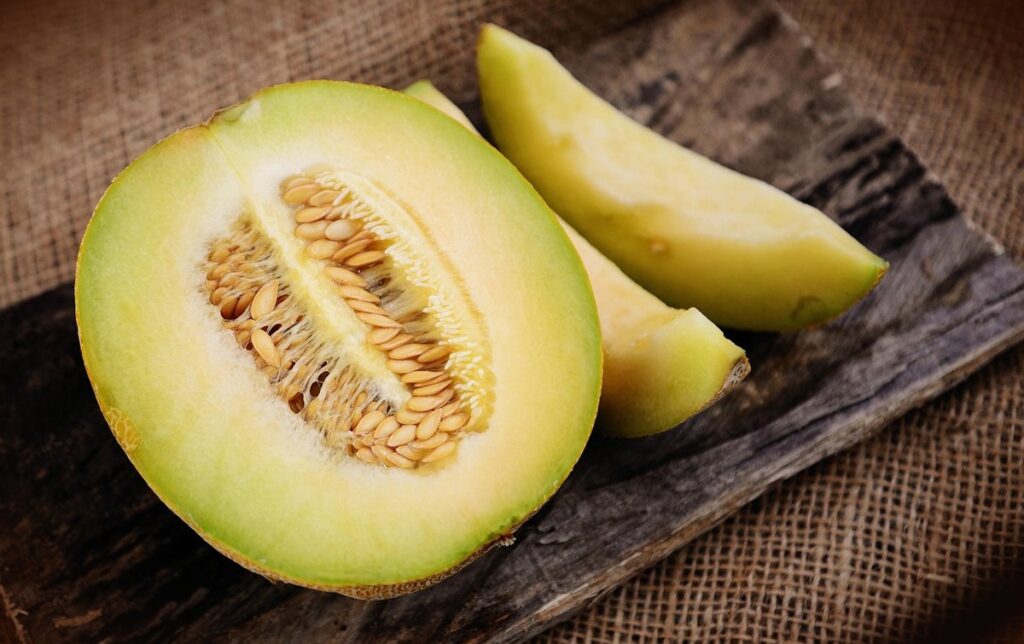
If you’re growing melons like cantaloupe, honeydew, or casaba, chances are they’ll benefit from a trellis support. These types of vining melon plants can grow quite heavy and spread out, making it challenging for them to support their own weight.
Some specific examples include:
* Cantaloupe (Cucumis melo) – This popular variety is known for its sweet flavor and high water content, but it also produces an abundance of vines that require support.
* Honeydew (Cucumis melo) – Similar to cantaloupe, honeydew melons produce long, trailing vines that can grow quite heavy, especially when they’re laden with fruit.
* Casaba (Cucurbita maxima) – This type of winter squash is often used for its sweet and nutty flavor in salads, but it’s also known to spread out significantly, requiring a trellis support.
When choosing a melon variety that benefits from trellis support, look for plants with the following characteristics: vining growth habit, heavy fruit production, and a tendency to spread out. By providing your melons with the right amount of support, you can promote healthy growth, improve air circulation, and increase yields.
Designing an Effective Melon Trellis System
To create a sturdy and efficient melon trellis system, you’ll need to choose the right materials, consider space constraints, and plan for easy maintenance. Let’s dive into these crucial design considerations together!
Factors to Consider When Building a Melon Trellis
When building a melon trellis, it’s essential to consider several key factors to ensure its success. First and foremost, think about the available space. Melons require a significant amount of room to grow, so make sure you have enough space for the trellis to be at least 3-4 feet wide. Don’t forget to also leave sufficient space between each plant for proper air circulation.
Another crucial factor is your budget. While it may be tempting to opt for cheap materials, keep in mind that a sturdy melon trellis will pay for itself in the long run by reducing soil erosion and increasing yields. Aim to allocate around $50-$100 per 10-foot section of trellis, depending on the type of material you choose.
Additionally, consider the weight capacity of your trellis. A well-designed trellis should be able to support at least 20-30 pounds of fruit. To ensure stability, anchor the trellis firmly into the ground and use sturdy stakes to prevent toppling in windy conditions.
Choosing the Right Materials for Your Melon Trellis
When it comes to building a melon trellis, choosing the right materials is crucial for its durability and longevity. You want a structure that can withstand the elements and provide support for your climbing melons throughout the growing season.
Wooden trellises are a popular choice among gardeners, as they blend seamlessly into the surrounding landscape. Cedar and cypress wood are excellent options due to their natural resistance to rot and insects. However, untreated wood may require regular maintenance to prevent decay.
Metal trellises offer a more durable alternative, particularly in areas with high winds or heavy rainfall. Aluminum or steel frameworks can be designed to withstand harsh weather conditions, making them an excellent choice for gardeners who want minimal upkeep.
PVC (polyvinyl chloride) pipes are another option, offering flexibility and ease of installation. They can be easily cut and connected to create a custom design, and their smooth surface reduces the risk of fungal growth.
Ultimately, consider your local climate and gardening style when selecting materials for your melon trellis. With careful planning, you can create a sturdy structure that will provide support for your climbing melons while adding visual appeal to your garden.
Installing and Maintaining Melon Trellises
Before setting up your melon trellis, learn how to properly install it to ensure stable support for your plants, preventing damage from wind and pests. We’ll cover essential installation tips and maintenance tasks.
Step-by-Step Instructions for Building a Melon Trellis
Building a melon trellis is a straightforward process that requires minimal materials and tools. Start by gathering 4-6 wooden posts (about 8 feet tall) and some wire mesh or chicken wire with a sturdy frame. You’ll also need some twine, wire cutters, and a drill.
Begin by digging holes for the posts about 2 feet deep and spaced evenly apart (around 3-4 feet). Fill the holes with water to settle the soil before placing each post in its designated spot. Use twine or wire to secure the mesh around the frame of each post, ensuring it’s taut but not too tight.
Next, place the mesh panels between the posts, securing them with twine or wire at regular intervals. Leave about a foot of space between each panel for easy access and airflow. Finally, attach the top and bottom edges of the trellis to the wooden posts using wire or screws. With this basic structure in place, you can begin training your melon vines to grow up the trellis, providing optimal support and promoting healthy growth.
Tips for Training Melon Vines to the Trellis
When it comes to training melon vines to the trellis, patience and gentle care are essential. To begin, gently twine the vine around the trellis, working from the bottom up to prevent tangles and knots. Use soft ties or clips to secure the vine in place, making sure not to constrict the stem.
As the melon plant grows, continue to train it by gently guiding the vines over the trellis. You can use twine, clips, or even stakes to keep the plant upright and encourage horizontal growth. This will help maximize space and promote a healthy, sprawling canopy.
To avoid damaging the delicate stems, handle them with care when adjusting ties or repositioning the vine. Also, be mindful of the trellis’s structure – some melon varieties can grow quite heavy, so ensure the trellis is sturdy enough to support the plant’s weight.
By following these simple steps and providing regular maintenance, you’ll have a robust and productive melon trellis system that will reward you with an abundance of juicy fruit.
Benefits of Using Melon Trellis Support
Using a melon trellis support can have several benefits for your garden, including improved fruit quality and easier harvesting. Let’s dive into what these advantages look like in practice.
Improved Fruit Quality and Yield
When using melon trellis support, one of the most significant benefits is improved fruit quality and yield. By providing optimal growing conditions, melons are less susceptible to diseases and pests, resulting in higher-quality fruits.
One key factor in disease resistance is good air circulation around the plants. Melon trellis supports elevate the vines off the ground, allowing for better airflow and preventing moisture from accumulating on the leaves and fruit. This reduces the risk of fungal diseases like powdery mildew and anthracnose.
Trellised melons also tend to have fewer sunscald spots and more uniform ripening. The support system allows farmers to train the vines to receive direct sunlight, promoting even growth and development. Furthermore, trellises enable easier access for pruning and pest management, reducing the likelihood of infestations that can damage fruit.
As a result, growers using melon trellis supports often report higher yields and more consistent quality in their harvests. By adopting this support system, you can also experience these benefits and enjoy better returns on your investment.
Reduced Pest and Disease Issues
A well-designed melon trellis support is not only aesthetically pleasing but also provides numerous benefits for your melon crop. One of the significant advantages of using a trellis is that it can significantly reduce pest and disease issues. When your melons are elevated, they’re less susceptible to pests like whiteflies, aphids, and spider mites, which thrive in the protected environment below the plant.
Moreover, improved air circulation around the trellised plants helps prevent fungal diseases that often plague ground-level crops. For instance, powdery mildew and anthracnose are common issues for melons grown on the ground. By providing adequate space between plants, a trellis ensures that moisture can evaporate quickly, reducing the likelihood of these diseases.
To further minimize pest and disease problems, consider incorporating physical barriers like fine-mesh screens or row covers around your trellis system. These can prevent insects from reaching your melons while still allowing for air circulation and sunlight penetration. By combining a well-designed trellis with thoughtful care and management strategies, you’ll be able to enjoy healthier and more productive melon harvests year after year.
Increased Accessibility and Space Efficiency
One of the most significant advantages of using a melon trellis is its ability to make the most of vertical space. By training your melons to grow upwards, you can increase the yield of your plants while also saving valuable ground space. This is especially useful for gardeners with limited room or those who want to maximize their harvest.
Using a trellis allows you to make the most of your available space, whether it’s in a backyard, container garden, or even on a balcony. You can train multiple melon plants to grow up the trellis, making the most of the vertical space and creating a lush and productive “wall” of fruit.
For example, by using a 6-foot tall trellis, you can potentially double or triple your melon harvest compared to growing them on the ground. This is because each plant will have more room to spread out and receive optimal sunlight, promoting healthy growth and fruit production. By choosing a sturdy and adjustable trellis system, you can easily support the weight of heavy melons as they mature, making it easier to manage your crop.
Troubleshooting Common Melon Trellis Issues
If you’re experiencing issues with your melon trellis, don’t worry – we’ve got you covered. This section will walk you through common problems and their easy solutions to get your melons back on track.
Identifying and Addressing Support Issues
When designing and installing melon trellises, it’s easy to overlook potential issues that can impact plant health. One common problem associated with poorly designed or installed trellises is damage to the plants themselves. This can occur when the support system is too tight, causing branches to become constricted and potentially break. Alternatively, a weak or unstable trellis may not provide sufficient support for the plant’s weight, leading to sagging or toppling.
To identify potential issues with your melon trellis design, look out for signs of stress on the plants, such as yellowing leaves or twisted stems. Regular inspections can also help detect any weaknesses in the trellis itself, allowing you to address problems before they become severe.
A well-designed trellis should provide adequate support without causing damage to the plant. When installing a new trellis, ensure it’s anchored firmly to prevent wind-related damage and consider using adjustable ties to accommodate the plant’s growth. By paying attention to these details, you can minimize the risk of common problems associated with poorly designed or installed melon trellises.
Strategies for Overcoming Obstacles in Your Garden
When adapting your garden space to accommodate melon trellises, it’s essential to think creatively and make the most of the available area. One strategy is to integrate the trellis into an existing structure, such as a fence or arbor. This can be done by attaching the trellis to the existing framework using screws, brackets, or zip ties.
Another approach is to create a raised bed or container specifically designed for melon cultivation. This not only provides optimal growing conditions but also keeps the roots of the plants contained and tidy. For example, you could build a wooden frame around the trellis to define the planting area and prevent the vines from spreading.
If your garden space is limited, consider vertical gardening techniques. Train the melon vines to climb up a trellis or other support structure, maximizing the use of available height while keeping the floor clear for other plants. By adapting your garden design to accommodate the needs of your melon trellises, you can enjoy a bountiful harvest with minimal space constraints.
Best Practices for Long-Term Melon Trellis Maintenance
To keep your melon trellis sturdy and secure over time, it’s essential to establish a regular maintenance routine that includes tasks like pruning and inspecting for damage. Regular upkeep will ensure your trellis continues to provide support throughout the growing season.
Regular Inspection and Adjustment of the Trellis
Regular inspection and adjustment of the trellis is crucial for optimal support and to prevent damage to your melon plants. As the seasons change and your vines grow, the trellis may need to be adjusted multiple times to ensure it’s providing adequate support.
Start by checking the trellis regularly, ideally every 1-2 weeks during peak growth periods. Look for signs of wear, such as loose screws or rusted wire. Also, check if the trellis is still aligned with the plant’s growth direction, making sure it’s not putting pressure on any individual stems.
To adjust the trellis, start by loosening the screws that hold the trellis in place. Gently pull the trellis back into position, ensuring it’s providing adequate support without constricting the vines. If you’ve noticed any damage or wear, replace any broken wire or repair loose screws with rust-resistant alternatives.
By incorporating regular inspections and adjustments into your melon trellis maintenance routine, you can ensure a strong and healthy plant that produces an abundance of delicious fruit.
Upgrading or Replacing a Worn-Out Melon Trellis
Upgrading or replacing a worn-out melon trellis is an inevitable part of maintaining your garden’s infrastructure. Over time, regular wear and tear can cause even the sturdiest trellises to degrade, leading to structural weaknesses that compromise plant support. When should you upgrade or replace a melon trellis? Look for signs of significant deterioration such as rusted metal components, rotten wood beams, or damaged netting.
Another indicator is if your trellis is no longer providing adequate support for your melon plants. If stems are toppling over or vines are tangling around the structure, it’s likely that your trellis has reached the end of its lifespan. Check your local weather conditions as well – harsh winds, heavy rainfall, and extreme temperatures can accelerate wear on a trellis.
To determine whether you should upgrade or replace entirely, inspect your trellis for repairable damage. If only minor repairs are needed, consider patching up loose joints or replacing damaged sections. However, if the issues are extensive or repeated problems persist, it’s often more efficient to invest in a new melon trellis.
Conclusion: Maximizing Your Melon Harvest with Trellis Support
By following the steps outlined in this comprehensive guide, you’ll be well on your way to maximizing your melon harvest with trellis support. Now that you’ve learned how to choose the right materials, build a sturdy structure, and train your vines for optimal growth, it’s time to reap the rewards of your labor. A well-designed trellis system can increase yields by up to 50%, allowing you to enjoy more juicy, sweet melons all season long. Remember to regularly inspect your trellises and make adjustments as needed to ensure continued support and optimal fruiting. With a little patience and practice, you’ll be enjoying the benefits of trellised melon growing in no time!
Frequently Asked Questions
What if I already have a trellis system, but it’s not specifically designed for melons? Can I still use it?
You can repurpose an existing trellis system for melon support, but keep in mind that you may need to make some adjustments to accommodate the unique needs of melon vines. Consider factors like spacing between supports and the type of materials used. Melon vines can be quite aggressive, so ensure your trellis is sturdy enough to handle their weight.
How often should I inspect my melon trellis for signs of wear or damage?
Regular inspection of your trellis system is crucial for optimal performance. Check your trellis every 1-2 weeks during the growing season, looking for signs of damage, rust, or excessive wear on supports and ties. Make adjustments or repairs as needed to maintain the integrity of your trellis.
Can I use a pre-made trellis kit specifically designed for melons, or do I need to build one from scratch?
Pre-made trellis kits can be a convenient option if you’re short on time or not confident in your DIY skills. However, consider that these kits might not be tailored to your specific garden layout or melon variety needs. You may still need to make adjustments and additions to ensure optimal support.
What’s the best way to train multiple melon vines to a single trellis?
Training multiple melon vines to a single trellis requires careful planning and execution. Start by selecting compatible varieties that have similar growing habits, then use a combination of twine or string ties, clips, and gently pruning techniques to guide them onto the trellis. Monitor their growth and adjust as needed to avoid overcrowding.
How do I know if my melon vines are getting enough support? What signs should I look for?
Look for visual cues like bent or sagging stems, uneven fruiting, or excessive leaf scorch. If you notice any of these issues, it may be a sign that your trellis system is not providing adequate support. Regularly inspect your melon vines and adjust the trellis as needed to ensure optimal growth and fruit quality.