
Raised garden beds are a gardener’s dream come true – they’re perfect for growing a variety of plants, even in small spaces. But with so many options to choose from, it can be overwhelming to decide what to grow first. That’s why we’ve put together this guide on the top plants to grow in your raised bed, tailored to your local climate and season.
We’ll cover everything you need to know about soil preparation, companion planting, and water conservation techniques for optimal yields. From leafy greens and herbs to vibrant flowers and delicious vegetables, we’ll explore the best choices for your garden based on your specific region and time of year. Whether you’re a seasoned gardener or just starting out, this article will give you the insider knowledge you need to make the most of your raised bed.
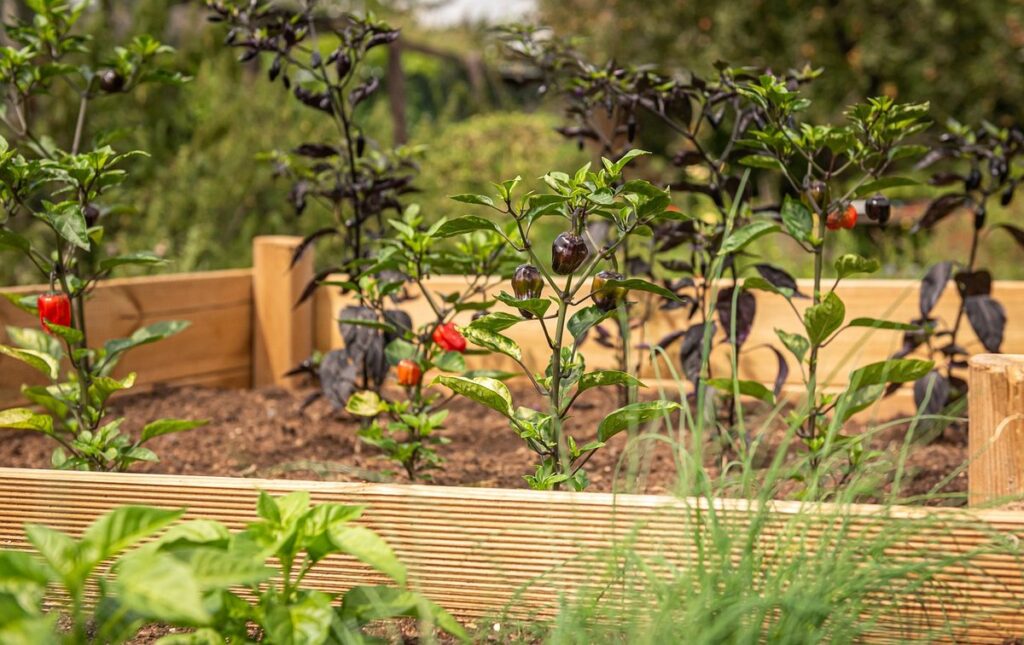
Choosing the Right Plants for Your Climate
When selecting plants for your raised garden bed, it’s essential to consider your local climate and choose varieties that thrive in your specific conditions. This will ensure a healthy and productive harvest all season long.
Understanding Your Hardiness Zone
As you plan your raised garden bed, it’s essential to consider the hardiness zone of your area. But what exactly are hardiness zones? Simply put, they’re a way to categorize regions based on their average annual extreme minimum temperature. This information is crucial in determining which plants will thrive or even survive in your specific climate.
To determine your hardiness zone, you can visit the USDA Plant Hardiness Zone Map online. By entering your zip code, you’ll get an idea of what zone you live in – ranging from 1 (the coldest) to 11 (the warmest). This information will guide you in selecting plants that are adapted to your area’s temperature fluctuations.
Knowing your hardiness zone is vital when choosing plants for your raised garden bed. It ensures you’re picking varieties that can withstand the minimum winter temperatures and tolerate any heatwaves during the summer months. For instance, if you live in a Zone 4 or colder, opt for hardy vegetables like broccoli, kale, or spinach, while warmer zones (6-8) are suitable for tomatoes, peppers, and eggplants. By understanding your hardiness zone, you’ll make informed decisions about what to grow and enjoy the best possible harvest from your raised garden bed.
Selecting Climate-Specific Vegetables
When it comes to selecting vegetables for your raised garden bed, choosing climate-specific varieties is crucial for optimal growth and yields. Warm-season crops thrive in temperatures above 65°F (18°C), making them ideal for regions with long summers. These crops include bell peppers, eggplants, okra, and squash, which are commonly grown in zones 5-10.
Cool-season crops, on the other hand, prefer temperatures between 40°F (4°C) and 70°F (21°C). They excel in spring or fall gardens and are suitable for regions with mild winters. Examples of cool-season vegetables include broccoli, cauliflower, kale, and spinach. Consider your region’s average temperature and frost dates when deciding which crops to plant.
It’s also essential to note that some vegetables can tolerate a range of temperatures but may require additional care. For instance, tomatoes need protection from frost, while peppers can be sensitive to extreme heat. By understanding the climate-specific needs of each crop, you’ll be able to create a thriving raised garden bed that yields delicious and healthy produce all year round.
Incorporating Herbs into Your Raised Bed
Raised beds offer an ideal environment for growing a variety of herbs that are not only delicious but also easy to care for. When selecting herbs for your raised bed, consider the specific climate and growing conditions you have available. Most herbs prefer well-draining soil and full sun to partial shade, making them perfect for raised beds.
Some popular herbs for raised beds include basil, rosemary, thyme, oregano, mint, cilantro, parsley, sage, and dill. Basil is a great choice for beginners, as it’s relatively easy to grow and can be harvested within 6-8 weeks of planting. To keep your herb plants healthy and thriving, make sure they receive at least 4-6 hours of direct sunlight per day.
To incorporate herbs into your raised bed garden, consider companion planting. Planting herbs like basil or mint alongside vegetables like tomatoes or peppers can help repel pests and improve growth. Regular harvesting will also encourage your herb plants to continue producing new growth.
Fruits to Grow in a Raised Garden Bed
When it comes to choosing fruits for your raised garden bed, there are many varieties that thrive in these elevated spaces and provide delicious harvests all season long. Let’s take a look at some of our favorites.
Berry Bushes: A Sweet Addition
When it comes to adding some sweetness to your raised garden bed, berry bushes are an excellent choice. Not only do they provide a bounty of delicious fruit, but they’re also relatively low-maintenance and can thrive in a variety of conditions.
Strawberries, for example, are one of the easiest berries to grow in a raised bed. They prefer well-draining soil and full sun, making them perfect for most garden beds. With proper care, you can enjoy multiple harvests per year from just a few plants. Blueberries, on the other hand, require slightly acidic soil and consistent moisture levels, but their sweet-tart flavor makes them worth the extra effort.
Raspberries are another popular choice for raised beds, with summer-bearing varieties producing fruit in mid-to-late summer and fall-bearing varieties producing in the fall. When growing raspberries, be sure to provide support with a trellis or fence, as they can get quite tall.
To ensure your berry bushes thrive in your raised garden bed, make sure to choose varieties that are well-suited to your climate and provide them with the right conditions. With proper care, you’ll be enjoying fresh berries straight from your own garden in no time!
Citrus Trees and Dwarf Varieties
Growing citrus fruits like oranges, lemons, and limes in raised beds can be a wonderful way to add some sunshine to your garden. However, it’s essential to note that citrus trees are typically large and require plenty of space to grow. That’s where dwarf and compact varieties come in – perfect for smaller spaces like raised garden beds.
Some popular dwarf citrus options include ‘Dwarf Washington’ navel orange, ‘Dwarf Meyer’ lemon, and ‘Swingle’ lime. These compact trees can produce fruit within a year or two after planting and require regular pruning to maintain their shape. To grow them successfully in your raised bed, make sure the soil is well-draining and has a pH between 6.0 and 6.5.
When choosing a dwarf citrus tree, consider factors like the mature size of the tree, its growth rate, and the type of fruit it produces. Be sure to plant multiple trees for cross-pollination, as this will ensure better fruit production. With proper care and attention, your dwarf citrus tree can thrive in a raised bed and provide you with fresh, delicious citrus fruits all year round.
Other Fruiting Plants to Consider
Raised garden beds are not just limited to growing leafy greens and vegetables. You can also grow a variety of fruiting plants that thrive in these types of gardens. If you’re looking for something beyond the usual strawberries and blueberries, consider trying grapes, kiwis, or pomegranates.
Grapes are one of the most versatile fruits you can grow in a raised bed. They require a trellis or arbor to support their growth, but they can produce two to three crops per year. With proper pruning, you can enjoy fresh grapes right from your own backyard. Kiwis are another great option for raised beds. They prefer well-drained soil and full sun, making them an ideal choice for most garden conditions.
Pomegranates are a bit more challenging to grow but offer stunning rewards. They require a larger space with full sun and well-draining soil. With proper care, they can live for up to 200 years, producing juicy fruits every summer. These fruiting plants may require extra attention, but the payoff is well worth it.
Vegetables for a Raised Garden Bed: A Guide by Season
When planning your raised garden bed, it’s essential to choose vegetables that thrive during each season. This guide will walk you through what to grow in your raised bed throughout the year.
Spring Vegetables for Early Harvests
When it comes to early spring harvests, there’s nothing quite like biting into crisp, fresh lettuce leaves or snacking on sweet radishes. The cool temperatures and gentle rainfall of the season create a perfect environment for a variety of delicious vegetables to thrive.
Lettuce and spinach are two of the easiest and most versatile options for spring planting. Both can be direct-sown into your raised bed as soon as the soil has thawed, typically 4-6 weeks before the last frost date in your area. They’re ready to harvest in as little as 20 days, making them perfect for a quick crop.
Peas are another spring superstar. Sugar snap peas and shelling peas can be planted in late winter or early spring, and will be ready to pick in just 50-60 days. Radishes, meanwhile, can be harvested in as few as 20-25 days and add a spicy kick to salads and sandwiches.
When planting these vegetables, make sure to choose a location with good drainage and full sun (at least 6 hours of direct sunlight per day). Add a balanced fertilizer at planting time, and keep the soil consistently moist but not waterlogged. With proper care, you’ll be enjoying fresh, homegrown spring veggies in no time!
Summer Vegetables for Warm Weather
Summer vegetables thrive in raised garden beds during warm weather. When selecting varieties for your raised bed, keep in mind that they require at least 6 hours of direct sunlight per day and well-draining soil.
Tomatoes are one of the most popular summer vegetables to grow in a raised bed. They come in a range of sizes, from compact patio tomatoes to large beefsteak varieties. When growing tomatoes, make sure to provide support with trellises or cages as they grow. You can also use tomato clips to train them upwards.
Peppers and eggplants are other summer favorites that do well in raised beds. They prefer warmer temperatures and require consistent moisture. Okra is a heat-loving vegetable that thrives in warm weather, but it requires staking for support. When growing okra, plant multiple seeds 2 inches apart, as they will thin themselves out.
When planting summer vegetables, be sure to rotate your crop annually to maintain soil health and prevent pests and diseases from building up. By following these tips and choosing varieties that suit your climate, you’ll enjoy a bountiful harvest of delicious summer produce in your raised garden bed.
Fall and Winter Vegetables for Cooler Climates
As the temperatures drop and the days get shorter, it’s time to focus on vegetables that thrive in cooler climates. For fall and winter harvests, you’ll want to prioritize root vegetables, brassicas, and other cool-season crops.
Root vegetables like beets, carrots, and parsnips are perfect for this time of year. They’re relatively easy to grow, can tolerate frost, and continue to produce even after the first hard freeze. Consider using varieties that mature quickly, such as ‘Detroit Dark Red’ beets or ‘Thumbelina’ carrots.
Brassicas like broccoli, cauliflower, and kale are also well-suited for fall and winter harvests. They prefer cooler temperatures and can tolerate light frosts, making them an excellent choice for raised garden beds. Plant varieties that mature in 50-60 days, such as ‘Waltham 29’ broccoli or ‘Lacinato’ kale.
Other cool-season crops include leafy greens like spinach, lettuce, and arugula, which can be harvested in as little as 20-30 days. Consider planting a mix of these varieties to create a continuous harvest throughout the fall and winter months.
Tips for Planting and Maintaining a Raised Garden Bed
To get the most out of your raised garden bed, it’s essential to choose the right plants and learn some basic maintenance techniques that will keep your garden thriving all season long.
Soil Preparation and Fertilization
Before planting anything in your raised garden bed, it’s essential to prepare the soil for optimal growth. This involves testing the pH level and nutrient content of the soil to ensure it’s suitable for the plants you want to grow.
Start by collecting a soil sample from your garden bed and sending it to a lab for analysis. You can also use at-home testing kits, which are widely available online or in gardening stores. Based on the test results, you may need to adjust the pH level or add fertilizers to provide essential nutrients like nitrogen, phosphorus, and potassium.
When choosing a fertilizer, consider your soil type and the specific needs of your plants. Organic options like compost, manure, or fish emulsion are excellent choices for raised garden beds. These natural alternatives promote healthy microbial activity, improve soil structure, and release slow-release nutrients as needed. For example, adding 2-3 inches of compost to the top layer of soil can provide a nutrient-rich environment for your plants to thrive.
Remember to follow the recommended application rates and intervals to avoid over-fertilizing, which can harm your plants.
Companion Planting Strategies
Companion planting is an age-old technique that can take your raised garden bed to the next level. By strategically pairing plants together, you can optimize space, reduce pests, and even improve yields. For instance, planting marigolds with tomatoes can deter nematodes and whiteflies, while basil repels aphids and improves the flavor of nearby vegetables.
To get started with companion planting, consider the following key principles:
* Grow tall plants on the north side: This helps prevent shading smaller plants and makes it easier to harvest.
* Plant heavy feeders in a group: Plants like tomatoes and peppers benefit from being grouped together, allowing them to share nutrients.
* Choose companion plants wisely: Some plants, like mint and lemongrass, can overpower others, so use them sparingly.
Some popular combinations for raised garden beds include:
* Planting beans or peas with carrots
* Pairing onions with beets or spinach
* Growing dill near cucumbers
Experiment with different pairings to find what works best in your specific climate and soil type.
Water Conservation Methods for Raised Beds
Water conservation is crucial for maintaining a healthy raised garden bed, and there are several methods you can employ to minimize waste and ensure optimal plant growth. One effective method is drip irrigation, which delivers water directly to the roots of the plants, reducing evaporation and runoff. This not only saves water but also prevents overwatering, a common mistake many gardeners make.
Another essential technique for conserving water in raised beds is mulching. Organic mulch like wood chips or straw helps retain moisture in the soil, suppresses weeds that compete with your plants for water, and regulates soil temperature. Simply spread 2-3 inches of mulch around the base of each plant, keeping it a few inches away from the stem to prevent rot.
By implementing these simple yet effective methods, you’ll be able to conserve water while creating an ideal environment for your raised garden bed’s inhabitants. Remember to monitor your plants’ needs and adjust your irrigation and mulching accordingly to ensure a thriving and productive raised garden bed.
Frequently Asked Questions
How do I know which climate-specific vegetables to grow in my raised bed if I live in a transition zone?
If you reside in a transition zone, where your region’s hardiness zone can fluctuate between two or more zones, it’s crucial to choose vegetable varieties that are adaptable and resilient. Look for hybrid or heirloom varieties specifically bred for transitional climates, which will be more likely to thrive in unpredictable conditions.
Can I grow citrus trees and dwarf varieties in a raised bed with poor drainage?
While citrus trees can tolerate some soil moisture levels, they prefer well-draining soil to prevent root rot. If your raised bed has poor drainage, it’s best to choose alternative fruiting plants that are more tolerant of excess moisture, such as berry bushes or other small fruits.
How often should I water my raised garden bed during hot summer months?
During hot summer months, your raised garden bed will require more frequent watering, especially if you’re growing thirsty vegetables like tomatoes. Water your raised bed when the top 2-3 inches of soil feels dry to the touch, usually every 2-3 days in temperatures above 85°F (30°C).
Can I use companion planting strategies with flowers as well as herbs and vegetables?
Yes! Companion planting is not limited to just herbs and vegetables; you can also use flowers to attract beneficial insects, repel pests, or add nutrients to the soil. Some popular flower companions include marigolds, nasturtiums, and calendula.
How do I ensure that my raised bed is safe for children and pets?
To make your raised bed pet- and child-friendly, consider using a physical barrier like chicken wire or netting around the perimeter, or using plant labels with non-toxic materials. Keep in mind that some plants can be toxic to both humans and animals, so research which varieties are safe for your household before planting.