
Are you eager to harvest crisp, juicy bell peppers right in your own garden? Growing bell peppers from seed can be a rewarding experience, but it requires some knowledge and planning. Not only do you need to choose the right variety for your climate and taste preferences, but also prepare your soil and environment to give those seeds the best chance of success. In this article, we’ll walk you through every step of growing bell peppers from seed, including sowing indoors and outdoors, caring for young plants, supporting their growth, and managing common pests and diseases. By the end of this post, you’ll be equipped with the confidence and skills to grow delicious, homegrown bell peppers all season long!
Choosing the Right Variety and Seeds
When it comes to growing bell peppers from seed, selecting the right variety and seeds is crucial for success. Let’s explore your options and make an informed decision together!
Understanding Bell Pepper Types
When it comes to growing bell peppers from seed, understanding the different types available is crucial for selecting the perfect variety for your garden. Bell peppers come in a wide range of colors, shapes, and heat levels, so you’re likely to find one that suits your taste preferences.
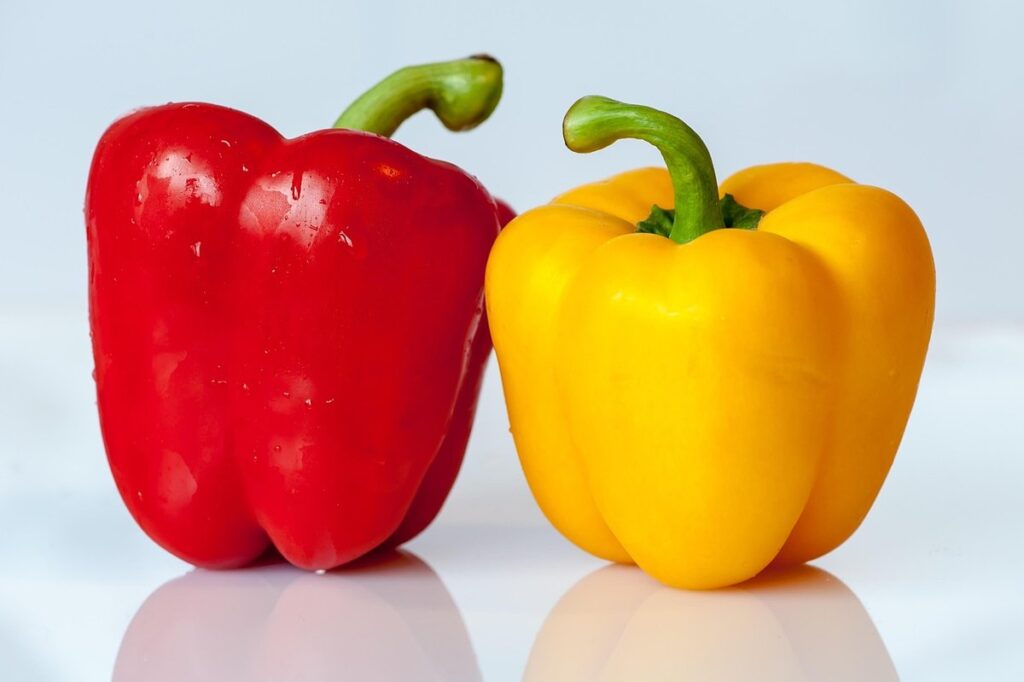
There are three main categories: sweet bell peppers, hot bell peppers, and specialty varieties. Sweet bell peppers are mild, tender, and sweet, making them perfect for snacking or adding to salads. They come in a variety of colors, including green, red, yellow, orange, and purple. On the other hand, hot bell peppers have a spicy kick and are ideal for those who enjoy some heat in their meals.
Specialty varieties include bell pepper hybrids that offer unique characteristics such as thick walls, sweet flavor, or disease resistance. Some popular specialty varieties include ‘California Wonder’, ‘Bell Boy’, and ‘Patio’. When choosing the right variety, consider your climate, available space, and desired level of heat to ensure you select a type that will thrive in your garden.
Selecting High-Quality Seeds
When selecting high-quality seeds for growing bell peppers, it’s essential to consider their origin and reputation. Look for seeds from reputable suppliers, nurseries, or seed companies that have a proven track record of producing healthy, vigorous plants. Avoid buying seeds from unknown sources or online marketplaces, as they may be old, low-quality, or even infected with diseases.
Check the seed packet or description for information on germination rates, which should be at least 80% for bell pepper seeds. This ensures that most of your seeds will sprout and grow into healthy plants. Additionally, look for disease-resistant varieties, especially if you live in an area prone to fungal diseases like powdery mildew.
When evaluating seed age, consider the viability period, which typically ranges from one to three years. Seeds that are too old may have reduced germination rates or vigor. It’s also crucial to store seeds properly in a cool, dry place to maintain their quality until sowing. By choosing high-quality seeds from reputable sources, you’ll set your bell pepper plants up for success and increase the chances of a bountiful harvest.
Preparing the Soil and Climate
Before you start sowing your bell pepper seeds, it’s essential to prepare the soil and create a climate that will give them the best chance of thriving. This involves understanding their specific needs and requirements.
Understanding Bell Pepper Soil Requirements
When it comes to growing bell peppers from seed, understanding the soil requirements is crucial for a bountiful harvest. Bell peppers prefer well-draining, fertile soil with a pH between 6.0 and 7.0. This slightly acidic to neutral range allows the plants to absorb essential nutrients easily.
To determine your soil’s pH level, you can use a DIY testing kit or send a sample to a lab for analysis. If your soil tests high in alkalinity (above 8.5), add elemental sulfur or peat moss to lower the pH. Conversely, if it’s too acidic (below 6.0), add dolomitic limestone to raise the pH.
Regular soil testing is essential to ensure optimal nutrient levels. Bell peppers require a balanced diet of nitrogen (N), phosphorus (P), and potassium (K). A general rule of thumb is to maintain a 10-10-10 N-P-K ratio in your soil. You can achieve this by incorporating compost or well-rotted manure into the soil. Additionally, consider adding a balanced fertilizer specifically formulated for vegetable gardens during the growing season.
Creating a Suitable Climate
Bell peppers thrive in warm temperatures, typically between 65°F to 85°F (18°C to 30°C), with optimal growth occurring between 70°F to 75°F (21°C to 24°C). During the day, ensure direct sunlight, but also provide some shade, especially during the hottest part of the day. When nighttime temperatures drop below 55°F (13°C), you may need to use a row cover or bring potted plants under protection.
Pests like aphids, whiteflies, and spider mites can be problematic for bell pepper plants. Regularly inspect your plants, and if you notice any issues, treat them promptly with insecticidal soap or neem oil. Extreme weather conditions such as frost, heavy rain, or intense heat can also damage plants. Use mulch to retain moisture and regulate soil temperature. In areas prone to frost, consider using a cold frame or other protective covering to safeguard your plants.
For optimal growth, maintain consistent temperatures within this range by selecting a suitable location for your bell pepper plants. This will help prevent shock and ensure healthy development.
Sowing Seeds Indoors and Outdoors
To successfully grow bell peppers from seed, you’ll want to know when and how to sow seeds indoors and outdoors, depending on your climate. This is where sowing at the right time comes into play.
Starting Bell Pepper Seeds Indoors
When it’s time to start growing bell peppers from seed, sowing them indoors is an excellent way to get a head start on the growing season. To do this effectively, begin by preparing your seeds for planting. Fill small pots or cell packs with a high-quality seed starting mix, and moisten the soil with water. Next, place one to two seeds about ¼ inch deep in each pot – bell pepper seeds are tiny, so be gentle when handling them.
Make sure to leave enough space between each seed to allow for proper growth – about an inch or more should do the trick. Finally, provide your seeds with a warm and sunny environment. Bell peppers require a temperature of around 75-85°F (24-29°C) to germinate, so place them in a bright spot near a south-facing window or under grow lights.
Once you’ve sown your seeds, keep the soil consistently moist but not waterlogged – this will help prevent fungal diseases from developing. Within 7-10 days, you should start to see tiny green shoots emerging from the soil.
Transplanting Seedlings Outdoors
When transplanting seedlings outdoors, it’s essential to prepare the soil and provide adequate support for the bell pepper plants. Start by choosing a location with full sun and well-draining soil. Bell peppers prefer a slightly acidic to neutral soil pH (around 6.0-7.0). If your soil is heavy clay or sandy, mix in organic matter like compost or well-rotted manure to improve its structure.
Dig the hole for each seedling about twice as wide and just as deep as the root ball. Gently remove the seedling from its pot, taking care not to disturb the roots. Place the seedling in the hole and firm the soil around it. Water thoroughly to settle the soil. Mulching around the plants helps retain moisture, suppress weeds, and regulate soil temperature.
For support, you can use tomato cages or trellises. Bell pepper plants need staking when they’re about 12-18 inches tall. To prevent stem damage, gently tie the plant to the stake using soft ties or twine. This will help keep the plant upright and promote even growth.
Caring for Young Plants
Now that you’ve successfully germinated your bell pepper seeds, it’s time to give them the TLC they need to thrive and grow into strong, healthy seedlings. In this section, we’ll walk you through essential care tips.
Watering and Irrigation Techniques
Consistent moisture levels are crucial for young bell pepper plants as they establish their root systems. Overwatering can be detrimental to these sensitive seedlings, leading to root rot and other diseases. To maintain optimal moisture levels, water your seedlings when the top 1-2 inches of soil feels dry to the touch.
You can also use the finger test: insert your index finger into the soil up to the first knuckle; if the soil feels dry, it’s time to water. Water thoroughly until water drains out of the bottom of the pot or container. For efficient irrigation, consider using drip irrigation systems that deliver water directly to the roots.
To conserve water and reduce evaporation, group your plants together in a single larger pot or container. This technique is known as “pot-in-pot” gardening and can help you maintain consistent moisture levels while minimizing water waste. Make sure to adjust watering schedules based on weather conditions; for example, if it’s been raining heavily, skip the next day’s watering to avoid overwatering your young bell pepper plants.
Fertilizing and Pruning Young Plants
As your young bell pepper seedlings begin to establish themselves, it’s time to think about fertilizing and pruning to promote healthy growth. Fertilizers provide essential nutrients that support plant development, from leafy greens to fruit production. A balanced fertilizer (10-10-10 NPK) is a good starting point, but don’t overdo it – bell peppers can be sensitive to excessive nitrogen.
To apply fertilizer correctly, start with a small amount (1 tablespoon per gallon of water) and gradually increase as the plants grow. Water the seedlings thoroughly before applying fertilizer to prevent burning their tender roots. You can also use organic options like fish emulsion or compost tea for a more sustainable approach.
Pruning young bell pepper seedlings is crucial for optimizing fruit production and plant structure. Remove lower leaves that are within 2-3 inches of the soil surface to prevent fungal diseases from developing in humid environments. Pinch off any weak or spindly growth to encourage bushy, compact plants with multiple stems. This will also direct the plant’s energy towards producing more peppers rather than vegetative growth.
Supporting and Training Plants
Now that you’ve successfully sown your bell pepper seeds, it’s time to give them some TLC: training and supporting plants will help them grow strong and thrive. Proper care will lead to healthy, robust peppers!
Using Trellises and Support Systems
Bell pepper plants require support as they grow to produce heavy fruit and prevent them from toppling over. One effective way to provide this support is by using trellises and other structural systems. There are several options available, including freestanding trellises, wall-mounted trellises, and cages.
For a small garden or patio, consider using a compact freestanding trellis made of durable materials like wood or metal. Install it near the bell pepper plant when it’s around 6-8 inches tall to provide support as it grows. Make sure to secure the trellis firmly in the ground to prevent it from toppling over.
Another option is to use a wall-mounted trellis, ideal for small gardens with limited space. This type of trellis can be installed near the bell pepper plant or even used as a decorative feature on a garden wall. To maintain your support system, check on the bell pepper plant regularly and adjust the trellis as needed.
You can also use individual plant cages made of plastic or metal to provide support for each bell pepper plant. These are especially useful if you’re growing multiple plants in close proximity.
Pruning for Optimal Fruit Production
Pruning bell pepper plants is an essential technique to optimize fruit production. By removing select branches and leaves, you can channel more energy towards developing a higher yield of delicious peppers. Timing is everything when it comes to pruning; do this process when the plant is around 12-18 inches tall and producing its first set of flowers.
To prune effectively, start by identifying weak or spindly growth. Remove any branches that are growing inward or rubbing against each other, as these can hinder fruit development. Next, focus on encouraging horizontal growth by removing lower leaves that are touching the soil or growing too close to the stem. This will prevent fungal diseases from taking hold and promote air circulation.
Regular pruning also helps control pests like aphids and whiteflies. For instance, if you notice an infestation, carefully remove any affected branches and dispose of them promptly. Be cautious not to over-prune, as this can shock the plant and lead to reduced yields in the long run. Keep your pruned plants well-watered and fertilized to ensure they continue producing a bountiful harvest.
Pest and Disease Management
When growing bell peppers from seed, pest and disease management are crucial for a healthy crop. In this section, we’ll cover common issues to watch out for and how to prevent them naturally.
Identifying Common Pests and Diseases
As you care for your bell pepper plants, it’s essential to be aware of the common pests and diseases that can affect them. Aphids and whiteflies are two of the most prevalent pests that can infest your bell peppers. These tiny insects feed on sap, causing curled or distorted leaves, and can also spread plant viruses. To control these pests, use neem oil or insecticidal soap to spray directly on the plants.
Powdery mildew is a fungal disease that causes a white, powdery coating to form on the leaves of your bell peppers. It thrives in warm, humid environments and can be treated with fungicides. Bacterial spot is another common issue caused by bacteria that infect the plant through water or insect vectors. Symptoms include small, dark spots on the leaves and stems.
Regularly inspecting your plants for signs of pests or diseases will help you catch these issues early on. Keep an eye out for yellowing or dropping leaves, stunted growth, and unusual growth patterns.
Organic and Integrated Pest Management (IPM) Techniques
When it comes to growing bell peppers from seed, maintaining a healthy and balanced ecosystem is crucial. This includes managing pests and diseases using organic and integrated pest management (IPM) techniques.
Beneficial insects like ladybugs, lacewings, and parasitic wasps can be introduced to your garden to control common pests such as aphids, whiteflies, and spider mites. These beneficial insects are natural predators that feed on the pests, maintaining a balance in the ecosystem. You can attract these beneficial insects by planting companion flowers like marigolds, nasturtiums, or sunflowers, which provide nectar and shelter for them.
Natural deterrents like neem oil, garlic spray, and hot pepper spray can also be used to repel pests without harming beneficial insects. For example, spraying a solution of neem oil and water on your bell pepper plants can prevent aphid infestations. Regularly inspecting your plants and removing any affected areas can help prevent the spread of diseases.
To implement IPM techniques effectively, maintain accurate records of pest and disease activity in your garden. This will help you identify patterns and make informed decisions about control measures. By adopting these organic methods, you’ll create a more sustainable and resilient ecosystem for your bell pepper plants to thrive in.
Frequently Asked Questions
What’s the ideal time to start growing bell peppers from seed indoors?
The ideal time to start growing bell peppers from seed indoors depends on your climate and location. Generally, it’s recommended to start seeds 8-10 weeks before the last frost date in your area.
This allows for optimal growth and development of young plants before being transplanted outdoors. Make sure to check the specific requirements for your region and adjust the starting time accordingly.
Can I grow bell peppers from seed if my climate is extremely cold or hot?
Yes, with proper planning and precautions, you can still successfully grow bell peppers in extreme climates. For colder regions, consider using row covers or other protective measures to extend the growing season. In warmer areas, provide shade for your plants during peak sun hours.
In both cases, selecting a variety that’s tolerant of temperature extremes will also help ensure success.
How often should I fertilize young bell pepper plants?
Fertilize young bell pepper plants once a month with a balanced fertilizer (10-10-10). This promotes healthy growth and development. As the plants mature, you can switch to a high-phosphorus fertilizer (10-20-10) to encourage fruit production.
Remember to follow the instructions on the fertilizer package for proper application rates.
What’s the best way to support bell pepper plants as they grow?
Use trellises or cages specifically designed for bell peppers. These structures provide necessary support and keep plants upright, promoting healthy growth and maximizing yields. You can also prune your plants regularly to encourage bushy growth and prevent legginess.
Make sure to install the support system early on, before the plants become too large and unwieldy.
How do I manage common pests like aphids, whiteflies, and spider mites?
Inspect your plants regularly for signs of pests. Use organic pest management techniques whenever possible, such as introducing beneficial insects or spraying with neem oil. For severe infestations, consider using insecticidal soap or horticultural oil.
Keep in mind that integrated pest management (IPM) is often the most effective approach to managing common pests and diseases.