
Growing your own bell peppers can be one of the most rewarding experiences in gardening. Not only do they add a burst of color to any plate, but they’re also packed with nutrients and flavor. However, growing bell peppers can be tricky, especially for beginners. With so many varieties to choose from, it’s essential to select the right type for your climate and desired level of sweetness.
In this article, we’ll cover everything you need to know about growing bell peppers. From selecting the perfect variety to preventing common pests and diseases, we’ll share expert tips on soil prep, transplanting, pruning, and more. Whether you’re a seasoned gardener or just starting out, these insider secrets will help you grow healthy, productive bell pepper plants that thrive all season long.
Choosing the Right Variety
When it comes to growing bell peppers, selecting the right variety can make all the difference in their success and your enjoyment of them. Let’s explore the factors to consider when choosing a pepper variety.
Selecting Bell Pepper Types for Your Climate
When selecting bell pepper types for your climate, it’s essential to consider not only the temperature tolerance but also the desired use and appearance of the peppers. There are three primary categories: sweet bell peppers, hot peppers (also known as hot bells or sweet-hot hybrids), and ornamental peppers.
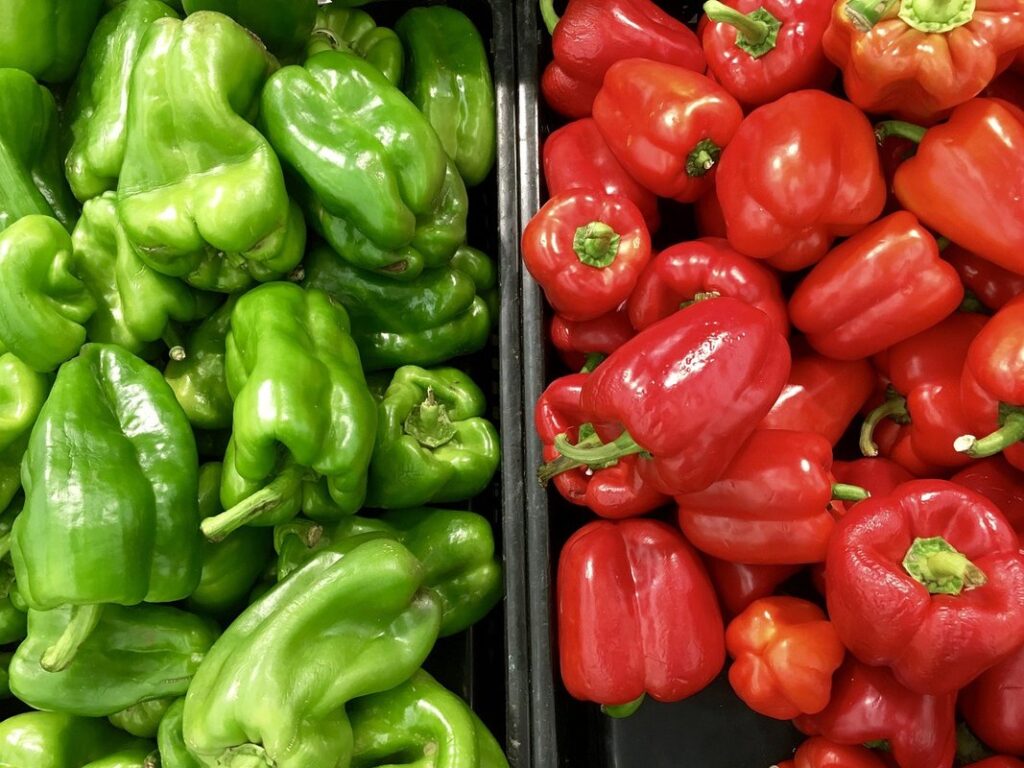
Sweet bell peppers come in a range of colors, including green, red, yellow, orange, and purple, and are typically grown for their crunchy texture and mild flavor. If you’re looking to grow sweet bell peppers, consider varieties like ‘California Wonder’ or ‘Bell Boy’, which thrive in warmer climates with average temperatures above 65°F (18°C).
Hot peppers, on the other hand, are perfect for adding a spicy kick to your meals. These varieties have a higher Scoville heat unit rating and often require more care due to their sensitive nature. For hot pepper enthusiasts, ‘Jalapeño’ or ‘Cayenne’ might be great options.
Ornamental peppers offer a unique blend of foliage and fruit display, making them perfect for adding visual interest to your garden beds. If you’re looking to grow ornamentals, consider varieties like ‘Thai Hot’ or ‘Fruit Punch’, which produce vibrant colors and can thrive in cooler temperatures.
Understanding Bell Pepper Seed Categories
When selecting bell pepper seeds for your garden, it’s essential to understand the different categories available. The primary categories are heirloom, hybrid, and open-pollinated.
Heirloom seeds have been saved and handed down through generations, often producing unique characteristics such as unusual color patterns or flavors. These seeds can be more challenging to grow as they may require specific conditions to thrive. However, many gardeners swear by their flavor and texture. One advantage of heirloom seeds is that you can save the seeds from your harvest for replanting in future seasons.
Hybrid seeds, on the other hand, are bred for specific traits like disease resistance or high yields. They often produce uniform fruit and have a relatively short lifespan. Hybrid seeds typically do not perform well when saved for planting, as their traits may not be consistent.
Open-pollinated seeds fall somewhere in between heirloom and hybrid varieties. They can still retain their characteristics from one season to the next but are more adaptable than heirloom seeds. One benefit of open-pollinated seeds is that they can be easily saved and replanted year after year, offering a cost-effective option for gardeners.
When choosing bell pepper seeds, consider your goals, experience level, and preferences. If you’re looking for something new and unique, an heirloom variety might be the best choice. For a more reliable crop with high yields, hybrids may be the way to go.
Preparing the Soil for Bell Peppers
Before planting bell peppers, it’s crucial to prepare your soil properly by loosening and aerating it to promote healthy root growth. This step is often overlooked but makes all the difference in pepper production.
Soil pH and Nutrient Requirements
When it comes to growing bell peppers, understanding soil pH and nutrient requirements is crucial for optimal yields. Bell peppers prefer a slightly acidic to neutral soil pH, ranging from 6.0 to 7.0. This pH range allows the plant’s roots to absorb essential nutrients efficiently.
To grow healthy bell pepper plants, ensure your soil contains the necessary macronutrients: nitrogen (N), phosphorus (P), and potassium (K). These elements are often abbreviated as NPK on fertilizer labels. A balanced fertilizer with a ratio of 10-10-10 (e.g., 10% nitrogen, 10% phosphorus, and 10% potassium) is an excellent starting point.
In addition to macronutrients, bell peppers also require micronutrients like calcium, magnesium, and sulfur. These elements play vital roles in various plant processes, including cell wall development, photosynthesis, and nutrient uptake. Soil testing can help you determine your soil’s micronutrient levels and provide guidance on necessary amendments.
Composting and Organic Matter Addition
When it comes to growing bell peppers, having a nutrient-rich soil is crucial for their success. One of the most effective ways to improve soil structure and fertility is through composting and adding organic matter. Composting involves breaking down kitchen scraps, leaves, and other plant material into a nutrient-dense humus that acts as a fertilizer.
Not only does composting reduce waste, but it also helps to retain moisture in the soil, suppress pests and diseases, and support beneficial microbes. For example, adding 1-2 inches of compost to your soil can increase its water-holding capacity by up to 30%. You can make your own compost using a bin or by simply layering kitchen scraps with leaves and twigs.
To incorporate organic matter into your soil, try mixing in 10-20% compost or well-rotted manure by volume. This can be done at the time of planting or as part of your regular soil maintenance routine. Some other options for adding organic matter include using mulch, leaf mold, or worm castings. By incorporating these amendments into your soil, you’ll create a fertile and thriving environment that will support healthy bell pepper growth from seed to harvest.
Sowing Bell Pepper Seeds
To start growing bell peppers from seeds, you’ll want to sow them indoors 8-10 weeks before the last frost date in your area. This will give them a head start on the season.
Starting Seeds Indoors vs. Direct Sowing
When it comes to growing bell peppers, one of the biggest decisions you’ll make is whether to start seeds indoors 4-6 weeks before transplanting outside or direct sow them in late spring or early summer. Both methods have their pros and cons, which we’ll explore below.
Starting seeds indoors allows for a head start on the growing season. You can get a jump on potential weather delays or pests that might affect your seedlings. Indoor conditions also enable you to control temperature and light exposure, giving your seedlings a strong foundation before transplanting outside. Additionally, indoor-started seedlings tend to grow more compactly, reducing wind damage.
However, direct sowing has its advantages too. By planting seeds directly in the garden bed, you avoid the risk of transplant shock that can occur when moving seedlings from indoors to outdoors. Direct sowing also allows for better adaptation to local weather conditions and soil types. Ultimately, the choice between indoor starting and direct sowing depends on your specific climate, available space, and personal preference.
Seed Depth, Spacing, and Germination Rates
When sowing bell pepper seeds, it’s essential to pay attention to seed depth, spacing, and germination rates. A common mistake many gardeners make is planting the seeds too deeply. Bell pepper seeds should be planted about 1/8 inch deep, just below the surface of the soil. This allows for optimal growth and prevents fungal diseases from taking hold.
As for spacing, bell peppers prefer to grow in a loose, open environment. Plant them 12-18 inches apart, depending on the specific variety you’re growing. This space will give the plants room to breathe and allow for proper air circulation, which is crucial for preventing disease.
Germination rates can vary depending on factors such as soil quality and moisture levels, but typically bell pepper seeds germinate within 7-10 days after sowing. To ensure optimal conditions, maintain a consistent temperature between 70-85°F (21-29°C) and keep the soil consistently moist during this period. By following these guidelines, you’ll set your bell peppers up for success from the very start.
Transplanting Bell Pepper Seedlings
When transplanting bell pepper seedlings, timing is crucial to ensure a healthy start. Choose a warm and sunny day for transplanting when your seedlings have at least two sets of leaves.
Timing and Soil Preparation for Transplanting
Transplanting bell pepper seedlings outside requires careful timing to ensure they have the best chance of success. The ideal time to transplant is when the soil temperature reaches 60°F (15°C). This allows the seedlings to adjust gradually to outdoor conditions, reducing stress and promoting healthy growth.
To prepare your seedlings for transplanting, harden them off by moving them outdoors in a shaded area for 7-10 days. Start with short periods of exposure, such as 1-2 hours a day, and gradually increase the duration over the next few days. This process allows the seedlings to adapt to sunlight, wind, and temperature fluctuations.
When transplanting, choose a location that receives full sun (at least 6 hours of direct sunlight) and has well-draining soil with a pH between 6.0-7.0. Dig individual holes for each seedling, about 12-18 inches deep, to accommodate their taproots. Space them 2-3 feet apart to ensure proper air circulation and prevent disease.
Remember to handle the seedlings gently during transplanting to minimize damage to their roots. By following these steps, you’ll be giving your bell pepper seedlings the best chance to thrive in their new outdoor environment.
Handling and Reconciling Stress
Transplanting bell pepper seedlings can be a delicate process, but with some careful handling and preparation, you can minimize transplant shock and ensure your seedlings thrive. One of the most effective ways to harden off seedlings is to gradually acclimate them to outdoor conditions over the course of 7-10 days. Start by moving them to a shaded area outdoors for a few hours a day, then gradually increase their exposure to direct sunlight.
To further reduce transplant shock, prune the roots of your seedlings before transplanting. This helps to prevent root bound and promotes healthy growth in the new soil. Simply trim the roots with scissors or a knife, making sure not to damage any delicate taproots.
Make sure to provide adequate water and nutrients to your newly transplanted seedlings. Water them thoroughly after transplanting and keep the soil consistently moist during their first few weeks of growth. You can also side-dress with a balanced fertilizer to give them an extra boost. By following these steps, you’ll be well on your way to reducing transplant shock and giving your bell pepper seedlings the best chance at success.
Supporting Bell Pepper Growth
To help your bell peppers thrive, it’s essential to provide them with optimal growing conditions and nutrients, which we’ll cover next. Let’s dive into some expert tips on supporting their growth.
Pruning Techniques for Increased Yields
Regular pruning is a crucial aspect of bell pepper cultivation that can significantly impact yields. By removing lower leaves and side shoots, you’re promoting bushy growth, encouraging fruiting, and preventing pests and diseases.
When to prune: Timing is everything when it comes to pruning. For optimal results, start pruning your bell peppers when they reach about 12-18 inches tall. Remove any weak or spindly growth, and trim off lower leaves that are touching the soil to prevent fungal diseases from taking hold.
• Remove side shoots: Pinch off any side shoots that form between main branches, as these will divert energy away from fruiting.
• Thin out stems: Selectively remove some of the thickest stems to allow more air circulation and sunlight penetration.
• Shape the plant: Prune your bell pepper plant into a bushy shape, encouraging horizontal growth rather than vertical.
Remember, regular pruning is essential for healthy, productive bell pepper plants. By keeping your plants pruned, you’ll encourage them to focus energy on producing delicious fruit, rather than developing problems that can lead to reduced yields or even crop failure.
Mulching and Irrigation Strategies
Mulch plays a vital role in supporting bell pepper growth by retaining moisture, suppressing weeds, and regulating soil temperature. Organic mulches like straw, bark chips, or leaves can help retain up to 80% of moisture in the top layer of soil, reducing the need for frequent watering. This is particularly beneficial during hot summer months when bell peppers require consistent moisture.
To maintain optimal growth, it’s essential to establish a regular irrigation schedule tailored to your climate and plant stage. In regions with high temperatures (above 85°F), water your bell pepper plants deeply once or twice a week, depending on soil type and drainage. During cooler periods (below 65°F) or when plants are young, reduce watering to every 7-10 days.
A general rule of thumb is to provide about 1 inch of water per week, either through rainfall or irrigation. To ensure you’re not overwatering, check the soil moisture by inserting your finger into the soil up to the knuckle. If the soil feels dry, it’s time for another watering cycle.
Common Pests and Diseases Affecting Bell Peppers
Bell peppers can be susceptible to a variety of pests and diseases, including aphids, whiteflies, and powdery mildew. Knowing how to identify and manage these issues is crucial for a successful harvest.
Recognizing and Managing Symptoms
Bell peppers are susceptible to various pests and diseases that can significantly impact their growth and yield. One of the most common pests affecting bell peppers is aphids, which appear as small, soft-bodied insects on the underside of leaves. Whiteflies, another prevalent pest, look like tiny flying moths and can be identified by their presence near the plant’s growing tips.
Spider mites, although harder to spot, cause damage by sucking sap from the plant, leaving behind fine webbing on the leaves. Regularly inspecting your plants for these pests is essential in preventing infestations.
Diseases such as powdery mildew, root rot, and bacterial spot can also affect bell peppers. Powdery mildew appears as a white, powdery coating on the upper surface of leaves, while root rot causes waterlogged soil and wilting plants. Bacterial spot results in small, dark spots on the fruit.
To manage symptoms effectively, adopt integrated pest management (IPM) practices that combine physical barriers, cultural controls, biological controls, and chemical interventions as a last resort.
Prevention Strategies and Integrated Pest Management
To minimize the occurrence of pests and diseases affecting bell peppers, it’s essential to implement effective prevention strategies. One approach is crop rotation, which involves changing the location where you plant different types of crops each season. This method can help break the life cycle of certain pests and diseases that thrive on specific soil types or are attracted to particular crops.
Companion planting is another technique that can be beneficial. For example, planting basil alongside bell peppers can improve their flavor and aroma while also repelling pests like aphids and whiteflies. Additionally, incorporating resistant varieties into your garden can help reduce the need for pesticides. Look for seed packets labeled as “resistant” or “tolerant” to specific diseases or pests.
When managing pest populations, integrated pest management (IPM) techniques should be employed. IPM involves using a combination of methods to manage pests, including cultural controls like removing weeds and debris that can harbor insects. It also includes the judicious use of pesticides as a last resort, always following local regulations and safety guidelines.
Frequently Asked Questions
Can I grow bell peppers in containers if my garden space is limited?
Yes, you can grow bell peppers in containers, but make sure they have a depth of at least 6-8 inches to accommodate the root system. Use a well-draining potting mix and a container with good drainage holes to prevent waterlogged soil.
What’s the optimal temperature range for transplanting bell pepper seedlings outdoors?
Bell pepper seedlings prefer temperatures between 65°F (18°C) and 75°F (24°C) for successful transplanting. Avoid exposing them to extreme temperatures, especially if they’re sensitive varieties.
How can I prevent fungal diseases in my bell peppers when using organic matter like compost?
To minimize the risk of fungal diseases, ensure you add compost in moderation (about 10% of the total soil mix). Also, maintain good air circulation around your plants and avoid watering at night to reduce moisture accumulation on leaves.
Can I grow multiple varieties of bell peppers together in the same bed, or should they be isolated?
While it’s possible to grow multiple varieties together, consider their disease susceptibility and space requirements. Isolate varieties with similar growth habits or that are prone to the same diseases to prevent cross-contamination.
How often should I fertilize my bell pepper plants for optimal yield and health?
Fertilize your bell pepper plants regularly (about every 1-2 weeks) during the growing season, using a balanced fertilizer. Avoid over-fertilizing, as this can lead to excessive foliage growth at the expense of fruit production.