
If you’re anything like me, you’ve fallen in love with the low-maintenance charm of succulents. But have you ever seen one of these gorgeous plants bloom? It’s truly a sight to behold! Flowering succulents are not only stunningly beautiful but also surprisingly easy to care for. From popular varieties like Aloe and Echeveria to expert tips on watering, lighting, and propagation, I’m excited to share my knowledge with you. In this article, we’ll dive into the world of flowering succulents, covering everything from how to coax them into bloom to preventing pests and diseases. Whether you’re a seasoned gardener or just starting out, you’ll learn how to cultivate these stunning plants and enjoy their unique beauty in your home. So, let’s get started on this journey together!
Types of Flowering Succulents
Let’s dive into the world of flowering succulents, where you’ll discover the diverse types that will brighten up your garden and indoor spaces. From delicate aloe flowers to vibrant echeveria blooms, we’ve got them all covered!
What are Flowering Succulents?
Flowering succulents are a unique group of plants that offer an added bonus to their water-storing relatives: vibrant blooms. These stunning flowers not only add visual interest to your garden but also provide a pop of color during the dry seasons when many other plants have gone dormant. One of the most distinctive characteristics of flowering succulents is their ability to bloom at various times throughout the year, often in response to changes in temperature, light, or moisture levels.
What sets flowering succulents apart from other types of succulents is their unique combination of features. They typically exhibit a mix of water-storing abilities and flowering habits, making them more dynamic than traditional cacti or aloe vera plants. Their flowers can range from delicate and pastel-colored to bold and brightly colored, offering endless design possibilities for gardeners.
As an added benefit, many flowering succulents are relatively low-maintenance and can thrive in indoor conditions with proper care. By understanding the specific needs of these special plants, you can enjoy their beautiful blooms year-round while also appreciating their ability to store water and survive in challenging environments.
Most Popular Varieties
When it comes to flowering succulents, there are several popular varieties that catch the eye. Among them, Aloe, Echeveria, Crassula, and Kalanchoe are some of the most sought-after types.
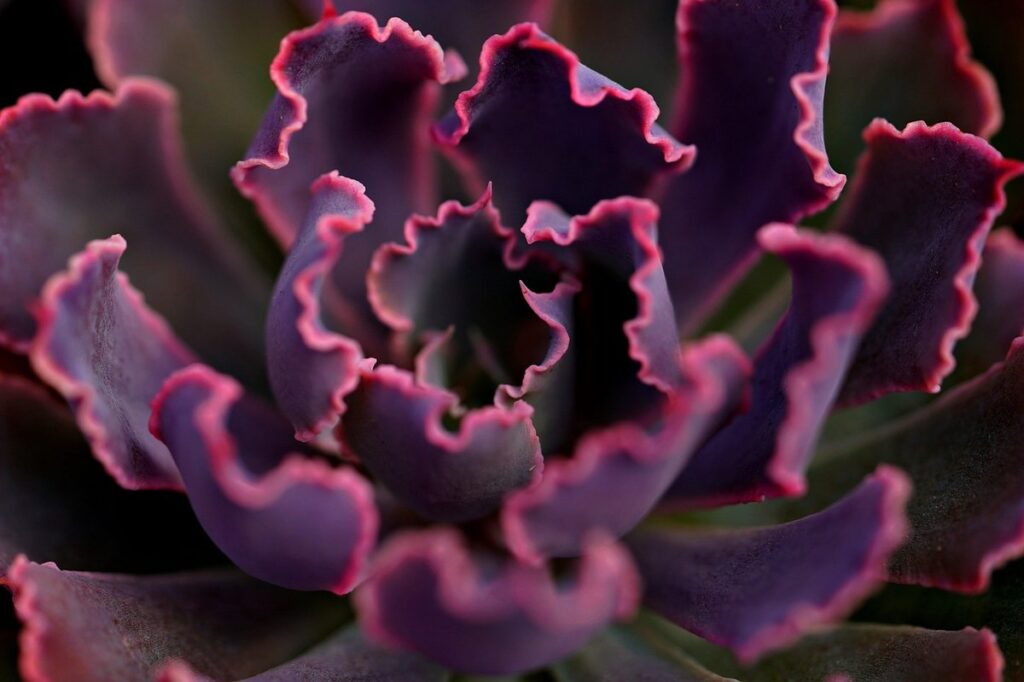
Aloe plants are known for their vibrant flowers, which bloom in shades of orange, yellow, or red. Their growth habit is upright, with thick fleshy leaves that store water, making them drought-tolerant. Echeveria succulents, on the other hand, produce delicate bell-shaped flowers in hues of pink, purple, and white. These rosette-forming plants are relatively small, making them ideal for indoor spaces.
Crassula succulents are popular for their compact growth habit and ability to thrive in low-light conditions. They bloom with small white or pink flowers that cluster together in a dense inflorescence. Kalanchoe is another favorite among flower enthusiasts, producing bright orange, yellow, or red blooms that attract pollinators. With proper care and pruning, these succulents can produce multiple flowering cycles throughout the year.
When choosing one of these varieties, consider your climate and the amount of light your indoor space receives. Proper watering, fertilization, and pruning are essential for promoting healthy growth and maximizing blooming periods.
Choosing the Right Variety for Your Needs
When it comes to choosing the right flowering succulent for your needs, several factors come into play. First and foremost, consider the environment where your plant will be placed. If you have a low-light space, opt for varieties like Aloe aristata or Haworthia truncata, which thrive in partial shade. Conversely, if your space receives direct sunlight for most of the day, choose plants with thicker leaves that can tolerate intense light, such as Echeveria ‘Perle von Nürnberg’ or Kalanchoe daigremontiana.
Another critical aspect to consider is temperature range. Some flowering succulents prefer warmer temperatures above 60°F (15°C), while others can tolerate cooler temperatures below 50°F (10°C). For example, Aloe ferox and Gasteria plantifolia are more tolerant of cooler temperatures, making them suitable for indoor spaces with air conditioning.
Ultimately, the right variety for you will depend on your specific needs and preferences. Take note of your plant’s light, temperature, and moisture requirements to ensure a healthy and thriving flowering succulent.
Care and Maintenance
Now that you’ve learned how to plant, water, and fertilize your flowering succulents, it’s time to focus on regular care and maintenance to keep them thriving. This section will walk you through some essential tasks to ensure their beauty endures all year round.
Watering and Humidity
When it comes to flowering succulents, watering and humidity are two crucial factors that can make all the difference in their health and vibrancy. Proper watering techniques will prevent overwatering, which is a common mistake many succulent enthusiasts make, but also avoid underwatering, which can cause flowers to drop.
Water your flowering succulents when the soil is dry to the touch, usually 1-2 times per week during the spring and summer months when they are actively growing. However, during the fall and winter months, reduce watering to once every 10-14 days as these plants go dormant. To check if it’s time for watering, stick your finger into the soil up to the first knuckle; if it feels dry, it’s time to water.
Maintaining a suitable humidity level is also vital. Most flowering succulents prefer a relatively low humidity environment, typically between 40-50%. You can achieve this by placing them in a well-ventilated area or using a humidistat to monitor and regulate the moisture levels. Avoid placing your succulent near drafty windows or air conditioning vents, as this can dry out the soil too quickly.
Lighting Requirements
When it comes to flowering succulents, understanding their lighting requirements is crucial for optimal growth and blooming. Different varieties have unique needs, so it’s essential to research the specific demands of your plant.
Some flowering succulents thrive in direct sunlight, such as Aloe aristata and Echeveria elegans. These plants need at least 4-6 hours of direct sun per day to produce vibrant blooms. However, be cautious not to overexpose them, as this can cause burning or scorching.
On the other hand, some succulents prefer indirect sunlight, like Kalanchoe blossfeldiana and Crassula ovata. These plants still require plenty of light but will suffer if placed in direct sun for extended periods. East- or west-facing windows are ideal for these varieties.
Shade-loving succulents, such as Peperomia obtusifolia and Haworthia truncata, should be kept out of direct sunlight altogether. They’ll still benefit from bright, indirect light but can tolerate partial shade, making them perfect for rooms with limited natural light.
When choosing a location for your flowering succulent, consider the time of day and the intensity of the sun. Be prepared to adjust their position as needed to ensure they receive the right amount of light for optimal growth and blooming.
Temperature and Fertilization
When it comes to flowering succulents, temperature fluctuations can significantly impact their fertilization needs. Most flowering succulents prefer temperatures between 65°F and 75°F (18°C and 24°C) during the day, with a slight drop in temperature at night. This allows them to undergo the necessary processes for blooming.
However, it’s essential to note that some species, like Aloe and Echeveria, can tolerate warmer temperatures up to 90°F (32°C). But even these heat-tolerant succulents require protection from extreme fluctuations. To ensure optimal growth, fertilize your flowering succulents during the growing season, typically spring and summer.
You can start by using a balanced, water-soluble fertilizer at half the recommended strength. Feed your plants once a month, gradually increasing the frequency as needed. It’s also crucial to choose a fertilizer specifically formulated for cacti and succulents, as these products contain micronutrients essential for flowering succulents.
Some popular options include Miracle-Gro Cactus Food and E.B. Stone Organics Cactus & Succulent Plant Food. Always follow the manufacturer’s instructions and take note of any potential interactions with other fertilizers or soil amendments you may be using. By striking a balance between temperature and fertilization, you’ll encourage your flowering succulents to produce vibrant blooms throughout the growing season.
Propagation Methods
To propagate flowering succulents, you’ll want to explore several methods that will help you multiply your favorite varieties and share them with friends. We’ll cover the most popular techniques in this section.
Stem Cuttings
Propagation flowering succulents using stem cuttings can be a bit tricky, but with the right techniques and care, you’ll be on your way to creating new plants. To begin, select a healthy, mature mother plant with plenty of growth and blooms. Choose a section of stem that’s around 2-3 inches long, making sure it has at least two nodes (the joint where leaves meet the stem).
To take the cutting, cut the stem just above a node using a sharp, sterile knife or pruning tool. Remove lower leaves, leaving only the top two or three sets of leaves on the cutting. This will help prevent moisture from collecting and causing rot.
Place the cutting in a propagation tray filled with a well-draining potting mix, making sure the nodes are buried. Water sparingly until roots develop, which can take anywhere from 2-6 weeks. Keep the tray in bright, indirect light but avoid direct sunlight, as this can cause the cutting to dry out.
Once roots have developed, transfer the new plant into a small pot filled with well-draining soil, and care for it just like your mature succulents.
Leaf and offsets
Propagation of flowering succulents through leaves and offsets is a popular method among growers. This approach can be quite rewarding as it allows you to share new plants with friends and family while also expanding your own collection.
When propagating from leaves, make sure the chosen leaves are firm and plump. Cut them off from the mother plant using a sharp, sterile knife or pruning tool. Allow the cut end to dry for 24-48 hours before planting it in well-draining soil. The success rate of leaf propagation can be improved by providing bright light and maintaining a relatively high temperature.
Offsets, on the other hand, are small rosettes that grow around the base of mature plants. These can be carefully pried off from their parent plant using a blunt tool, such as a chopstick or pencil. Once removed, allow them to dry for a few days before potting in fresh soil. Both leaves and offsets require minimal care after planting and typically produce results within 2-3 weeks.
A well-lit location with temperatures between 60°F to 80°F (15°C to 27°C) will help offset roots develop quickly.
Division and Replanting
When it’s time to divide mature flowering succulent plants, it’s essential to do so during their dormant season. This typically occurs in the fall or winter months when growth has slowed down. Use a sharp, sterile knife or pruning tool to carefully separate the offsets from the mother plant, making sure each section has at least one “eye” or growing point.
It’s crucial to replant the divisions as soon as possible, and make sure the soil is well-draining to prevent root rot. Choose a pot with good drainage holes and fill it with a high-quality cactus mix. Gently place the division in the soil, making sure the “eye” is facing upwards. Water sparingly until new growth appears.
Some popular flowering succulents that benefit from regular division include Aloe, Agave, and Echeveria. For example, Aloe plants can become pot-bound quickly, so dividing them every 2-3 years will keep them healthy and promote more blooms.
Pest and Disease Control
To ensure your flowering succulents thrive, it’s essential to be aware of common pests and diseases that can affect these beautiful plants. Let’s discuss how to prevent and treat these issues effectively.
Common Pests
When it comes to flowering succulents, one of the most common issues gardeners face is pest infestations. These tiny critters can quickly spread and cause irreparable damage to your beautiful plants.
Some of the most common pests affecting flowering succulents include mealybugs, spider mites, and scale. Mealybugs are small, white, cottony masses that feed on plant sap, causing curled or distorted leaves. Spider mites, on the other hand, are tiny, spider-like insects that spin webs on the undersides of leaves and suck out plant juices.
To detect infestations, inspect your plants regularly for any signs of pests, such as sticky honeydew droplets, webbing, or actual bugs. Use a magnifying glass to get a closer look at affected areas. Once you’ve identified the pest, take action quickly by isolating the infested plant and treating it with insecticidal soap or neem oil.
For mealybugs, apply a direct spray of insecticidal soap or neem oil to affected areas. For spider mites, use a gentle stream of water to dislodge them from their webs. Regularly inspect your plants for signs of pests and take action at the first sign of trouble to prevent infestations from getting out of hand.
Fungal Diseases
Fungal diseases can be a major threat to the health and beauty of your flowering succulents. One of the most common fungal diseases affecting these plants is root rot, which occurs when the roots are exposed to excess moisture and become susceptible to fungal infection. This can happen if you overwater or repot your succulent in a container that doesn’t drain well.
Leaf spot is another common issue caused by fungi, characterized by yellow or black spots on the leaves. These spots can spread quickly, causing significant damage to the plant’s appearance and potentially leading to its demise. To prevent fungal diseases from taking hold, it’s essential to maintain good air circulation around your plants, ensure proper drainage in pots, and avoid getting water on the leaves.
If you do notice any signs of infection, don’t panic – there are steps you can take to treat root rot and leaf spot. Start by removing any infected parts of the plant, making sure to disinfect your tools between cuts. Next, adjust your watering schedule to ensure the soil isn’t consistently waterlogged. Finally, consider using a fungicide specifically designed for succulents to help combat the infection.
Advanced Care Techniques
Now that you’re comfortable with basic care, let’s dive into advanced techniques to encourage your flowering succulents to bloom again and thrive. You’ll learn expert tips on repotting, pruning, and fertilizing.
Repotting and Pruning
When it comes to maintaining healthy flowering succulents, repotting and pruning are essential techniques that promote optimal growth. Repotting should be done every 2-3 years when the plant has outgrown its container or is showing signs of nutrient deficiency.
To repot a flowering succulent, choose a well-draining potting mix specifically designed for cacti and succulents. Gently remove the plant from its old pot, taking care not to damage the roots. Trim any dead or damaged roots with sterile scissors, and then place the plant in its new container. Water sparingly until new growth appears.
Pruning is also crucial to encourage blooming and maintain shape. Remove spent flowers after they’ve faded to direct energy towards producing new blooms. Cut back leggy stems to encourage branching, and remove any weak or spindly growth to promote a balanced appearance.
Regular pruning can help control the plant’s size and prevent it from becoming leggy. By repotting and pruning your flowering succulents regularly, you’ll be able to enjoy their vibrant flowers for years to come.
Flower Support and Deadheading
When it comes to flowering succulents, providing support for their blooms can be crucial, especially for varieties that produce heavy flowers. Take Echeveria ‘Perle von Nurnberg’, for example, which produces delicate yet substantial flowers that may need some extra help staying upright.
To ensure your flowering succulent stays supported, you can use a trellis or stakes to hold up the stems. This is particularly important if you’re growing varieties with tall flower stalks, such as Lithops or Kalanchoe. Simply gently tie the stem to the support using soft ties like twine or wire.
Deadheading spent blooms is another essential step in encouraging continuous flowering from your succulents. Remove the wilted flowers promptly to direct energy back into producing new growth and prevent seed formation. This will help prolong the blooming period and encourage your succulent to produce more flowers throughout the season.
Conclusion
Now that you’ve learned the ins and outs of flowering succulents, it’s time to put your newfound knowledge into practice. Remember, these plants are low-maintenance but still require attention to thrive. Make sure to water sparingly during the blooming season, as excess moisture can lead to root rot. Keep in mind that some species may only bloom once a year, so be patient and enjoy the fruits of your labor.
As you continue to care for your flowering succulents, don’t be afraid to experiment and try new things. Add a few decorative rocks or pebbles around the base of the plant for visual interest, or repot into a more striking container when it’s time for a change. By following these tips and trusting in your newfound expertise, you’ll be well on your way to becoming a seasoned succulent gardener.
Frequently Asked Questions
Can I propagate flowering succulents during the winter months?
While many plants are dormant during winter, some flowering succulent varieties can be propagated successfully during this time. However, it’s essential to monitor their temperature requirements and ensure they don’t get too cold. Generally, temperatures between 55°F (13°C) to 65°F (18°C) are ideal for propagation.
How often should I water my flowering succulents in the summer?
During the hot summer months, flowering succulents may require more frequent watering. However, overwatering is still a risk. To avoid this, check the soil moisture by sticking your finger into it up to the first knuckle. Water only when the top inch of soil feels dry.
Can I grow flowering succulents indoors with low light conditions?
Some flowering succulent varieties can tolerate low light conditions, while others require bright indirect light. Research the specific lighting requirements for your chosen variety and consider using grow lights if necessary. East- or west-facing windows are ideal for low-light succulent care.
How do I prevent fungal diseases in my flowering succulents?
Preventing fungal diseases involves maintaining good air circulation, ensuring proper watering habits (avoiding overwatering), and providing adequate light. You can also treat the soil with a fungicide specifically designed for cacti and succulents to protect your plants from root rot.
Can I grow multiple flowering succulent varieties together in one pot?
While it’s possible to combine different flowering succulent varieties, ensure they have similar watering and lighting needs to avoid conflicts. Research their specific requirements and choose companions that will thrive together. Also, be mindful of the mature size of each plant to prevent overcrowding.