
Growing your own basil from seedlings can be a rewarding experience for gardeners of all levels. Not only does it add fresh flavor to your cooking, but it also brings a sense of accomplishment and connection to nature. However, many beginners struggle with caring for their basil seedlings, which can lead to disappointing results.
In this article, we’ll cover everything you need to know about growing and caring for basil seedlings. From preparing the soil to transplanting the young plants into larger containers, we’ll provide step-by-step guidance on how to give your basil seedlings the best chance at success. We’ll also address common issues that can arise during this process, such as pests and nutrient deficiencies, so you can troubleshoot problems before they become major concerns. With these tips, you’ll be well on your way to a bountiful harvest of fragrant, delicious basil.
Understanding Basil Seedlings
When growing basil seedlings, it’s essential to understand how they grow and develop, so let’s dive into the details of their early stages. This is where you’ll learn about the unique needs and characteristics of these tiny plants.
What Are Basil Seedlings?
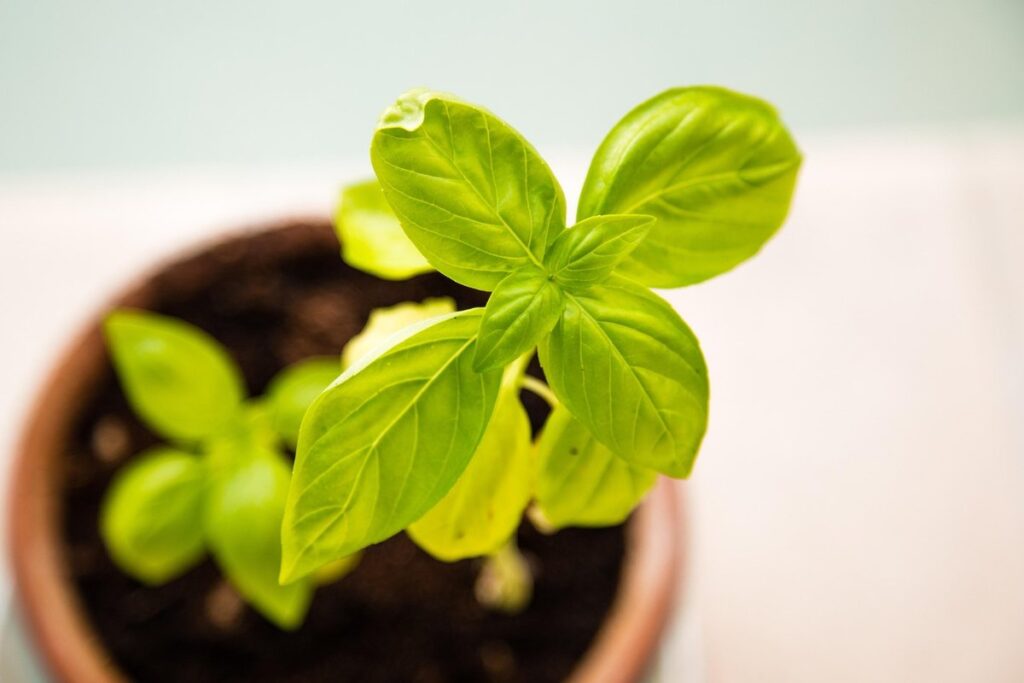
Basil seedlings are young plants that have just begun to develop from basil seeds. They represent an early stage of growth and development for the plant, typically emerging within a few days after sowing the seeds. At this point, they consist of a small sprout with two tiny leaves called cotyledons.
The importance of basil seedlings cannot be overstated in gardening. They provide a crucial foundation for continued growth and ultimately, successful harvesting. This initial stage sets the tone for the plant’s overall health, resilience, and productivity throughout its life cycle. Basil seedlings serve as an indicator of whether the seeds have been sown correctly and if proper growing conditions are being met.
To recognize healthy basil seedlings, look for signs such as a sturdy stem, vibrant green leaves, and adequate root development. If you notice any issues or concerns during this stage, it’s essential to address them promptly to prevent problems that may arise later on in the plant’s life cycle. By understanding and nurturing your basil seedlings effectively, you can set yourself up for success and enjoy a bountiful harvest of fresh, fragrant basil.
Benefits of Starting with Seedlings
Starting with seedlings offers numerous benefits when it comes to growing basil. For one, seedlings mature faster than direct sowing seeds into the garden bed. This accelerated growth rate allows you to harvest a healthy crop sooner, which is particularly important for cooks and chefs who rely on fresh basil.
Another significant advantage of starting with seedlings is the reduced risk of disease. When seeds are directly sown into the soil, they’re exposed to various pathogens that can hinder their growth or even kill them off entirely. In contrast, seedlings have already developed a robust root system by the time they’re transplanted outdoors, making them more resilient to disease.
In addition to faster maturity and reduced disease risk, starting with seedlings can also improve yields. By giving your basil seedlings a head start indoors, you can create an environment that promotes healthy growth, and when you transplant them outside, they’ll be better equipped to thrive in their new surroundings.
When selecting seedlings for transplanting, make sure to choose ones that are around 4-6 inches tall with at least two sets of leaves. This will give them a solid foundation to establish themselves in the garden bed.
Preparing the Soil for Seedling Growth
When preparing the soil for basil seedling growth, it’s essential to get it right from the start. Basil prefers well-draining, fertile soil with a pH between 6.0 and 7.0. If your soil is too alkaline or acidic, it can hinder nutrient uptake and lead to poor growth.
To determine your soil’s pH level, you can purchase a DIY testing kit or send a sample to a lab for analysis. Once you have the results, take corrective action by adding lime to raise the pH or sulfur to lower it. For optimal growth, aim for a slightly acidic to neutral soil with a pH around 6.5.
In addition to pH, basil seedlings require adequate nutrient levels and organic matter in the soil. A balanced fertilizer (10-10-10 NPK) can provide essential nutrients like nitrogen, phosphorus, and potassium. Mix it according to the package instructions and incorporate it into the top 2-3 inches of soil before sowing your seeds. Adding compost or well-rotted manure will also improve soil structure and fertility, giving your basil seedlings a strong start in life.
Aim for a mix that’s around 20% organic matter, which can be achieved by incorporating composted leaves, grass clippings, or kitchen scraps into the soil. This will provide a slow release of nutrients as the seeds germinate and grow, promoting healthy development from the outset.
Propagation Methods for Basil Seedlings
You’ve got basil seedlings growing, now let’s explore the best ways to propagate them into strong, healthy plants that will thrive in your garden. We’ll cover direct sowing and other creative methods.
Direct Sowing vs. Starting Indoors
When it comes to growing basil seedlings, you have two primary options: direct sowing and starting indoors. Both methods have their pros and cons, which we’ll explore below.
Direct sowing involves planting basil seeds directly into the garden bed or container where they will mature. This method allows for a more natural transition from seedling to full-grown plant, with less risk of transplant shock. Plus, direct sown seedlings tend to develop stronger root systems and are better equipped to handle the elements.
However, direct sowing can be weather-dependent, and seeds may not germinate evenly or at all in cooler temperatures. Additionally, pests and diseases can be more prevalent when planting directly into the garden bed.
Starting basil indoors, on the other hand, gives you greater control over temperature, humidity, and light conditions. This method allows for earlier starts and a head start on the growing season, resulting in faster maturation times. Indoor seedlings also have less exposure to pests and diseases, reducing the risk of damage.
However, indoor seedlings can be more finicky and require regular monitoring of light, temperature, and watering schedules. Transplant shock is still a risk when moving seedlings from indoors to outdoors, so it’s essential to harden them off gradually before transferring them to their final location.
Germination Rates and Techniques
When it comes to germinating basil seeds, understanding the optimal conditions for growth is crucial. To improve germination rates, aim for a temperature range between 70°F to 80°F (21°C to 27°C). This range allows for consistent moisture absorption and energy production in the seed.
Proper light exposure also plays a significant role in germination. While some seeds can tolerate low light conditions, basil seeds require direct sunlight or bright artificial lighting to stimulate growth. Aim for at least 12-14 hours of direct light per day.
Watering techniques are equally important. Seeds should be kept consistently moist but not waterlogged. A gentle soaking method is recommended: place the seeds in a cup and let them absorb water for about an hour before sowing. This helps to prevent seed rot and ensures that they receive the right amount of moisture from the start.
By following these techniques, you can optimize your basil seedlings’ germination rates and set them up for healthy growth throughout their life cycle.
Transplanting Seedlings Outdoors
When transplanting basil seedlings outdoors, timing is crucial to ensure they get off to a healthy start. Wait until the weather warms up and there’s no threat of frost in your area. Typically, this occurs when daytime temperatures consistently reach above 60°F (15°C). Make sure your seedlings have at least two sets of true leaves before transplanting.
Choose a location with full sun and well-draining soil to prevent root rot. Space the seedlings about 12-18 inches apart to allow for adequate growth and air circulation. Harden off the seedlings by gradually exposing them to outdoor conditions over the course of 7-10 days prior to transplanting. This will help prevent shock from sudden changes in temperature, light, or wind.
Water thoroughly after transplanting and provide regular moisture until established. A balanced fertilizer once a month will also promote healthy growth and flavor. Consider providing some shade during peak sun hours if necessary to prevent scorching leaves. By following these guidelines, your basil seedlings should thrive in their new outdoor environment.
Environmental Factors Affecting Basil Seedlings
As you nurture your basil seedlings, it’s essential to consider the environmental factors that can either promote healthy growth or hinder their development. Temperature, humidity, and light exposure are key factors to get right.
Lighting Requirements
Basil seedlings require specific lighting conditions to thrive. When it comes to intensity, they prefer bright, indirect light but can tolerate some direct sunlight for a few hours a day. In fact, research has shown that basil seedlings grown under LED grow lights with an intensity of 20-30 watts per square meter produce the highest yields.
In terms of duration, basil seedlings need at least 12-14 hours of daylight to photosynthesize and grow rapidly. However, it’s essential to provide a period of darkness or low light during this time to promote healthy growth and prevent etiolation. A 16-hour day with 8 hours of light and 8 hours of darkness is an optimal schedule.
The spectrum of light also plays a crucial role in basil seedling growth. They respond well to cool white (5000-6500K) or daylight-spectrum LEDs, which mimic natural sunlight. Avoid using warm white (2700-3000K) bulbs, as they can promote weak and spindly growth.
When choosing grow lights for your basil seedlings, consider the age of the plants. Young seedlings require less intense light than mature plants. By providing the right balance of intensity, duration, and spectrum, you’ll be well on your way to growing healthy and robust basil seedlings.
Temperature and Humidity Control
Controlling temperature and humidity levels is crucial for basil seedlings to grow optimally. Basil prefers temperatures between 65°F (18°C) and 75°F (24°C), with optimal growth occurring at around 70°F (21°C). Avoid exposing your seedlings to direct sunlight, which can cause the temperature to fluctuate significantly.
Maintaining high humidity is also essential for basil seedlings, particularly during the germination phase. A humid microclimate can be achieved by covering the seed trays with a clear plastic bag or a cloche. Aim for a relative humidity of 70-80% during this period. As your seedlings grow, gradually reduce the humidity to prevent fungal diseases.
Be cautious of extreme temperature and humidity conditions, as they can cause damage to your basil seedlings. For example, temperatures above 85°F (29°C) can lead to bolting or premature flowering, while consistently high humidity can encourage fungal growth. Monitor your seedling’s environment closely and adjust the temperature and humidity levels accordingly.
A good rule of thumb is to maintain a consistent day-night temperature differential of around 5-10°F (3-6°C). This helps prevent shock to your seedlings when transitioning from indoor to outdoor environments.
Watering and Fertilization Best Practices
Proper watering and fertilization techniques are crucial for promoting healthy growth in basil seedlings. Over-watering can lead to root rot and under-watering can cause stress to the plants, resulting in stunted growth. To avoid these issues, it’s essential to monitor the soil moisture regularly.
Check the soil by sticking your finger into the soil up to the first knuckle. If the soil feels dry, it’s time to water. Water thoroughly until you see water coming out of the drainage holes, but make sure not to overwater. A good rule of thumb is to water when the top inch of soil feels dry.
As for fertilization, use a balanced fertilizer (10-10-10) once a week. You can also use compost tea or worm casting as an alternative. Fertilize in the morning to give the plants time to absorb the nutrients throughout the day. Be cautious not to overfertilize, as this can damage the roots and harm the plant.
Remember, it’s better to err on the side of caution when it comes to watering and fertilization. Monitor your seedlings closely and adjust your routine accordingly to ensure they receive just what they need to thrive.
Pests and Diseases Common to Basil Seedlings
As a basil seedling grower, it’s essential to be aware of common pests and diseases that can affect your crop, from aphids to fungal infections. Learn how to identify and prevent these issues in this section.
Identifying Common Issues
As you nurture your basil seedlings, it’s essential to be aware of common pests and diseases that can affect them. These issues can quickly spread and compromise the health of your young plants.
One of the most prevalent pests is aphids, which appear as small, soft-bodied insects on the stems and leaves. To identify them, look for sticky honeydew droplets on the leaves or white, cottony patches on the undersides of leaves. Whiteflies are another common issue, characterized by a faint yellowing of leaves and a powdery coating.
Fungal diseases like powdery mildew can also emerge, causing a white, dusty coating on leaves. Downy mildew is another concern, identified by yellow spots or patches with a fuzzy growth underneath. Leaf spot disease appears as circular, dark brown lesions on the leaves.
To address these issues, inspect your seedlings regularly and isolate affected plants to prevent further spread. Remove infested or infected areas, and use neem oil or insecticidal soap to control pests. For fungal diseases, treat with a fungicide specifically designed for indoor plants. Be proactive in maintaining optimal growing conditions, such as ensuring good air circulation and providing adequate light.
Organic Pest Control Methods
When it comes to controlling pests on your basil seedlings, it’s essential to adopt organic methods that are gentle on plants yet effective against unwanted visitors. One of the most popular natural pest control methods is using neem oil. This plant-based extract disrupts insect growth and development, ultimately killing them off. Mix neem oil with water according to the product label instructions and spray it on your seedlings as a preventative measure or after spotting any pests.
Another effective organic pest control method is using insecticidal soap. This mild detergent-based solution suffocates soft-bodied insects like aphids and whiteflies, making it an excellent choice for delicate basil plants. Simply dilute the insecticidal soap with water and spray it directly on affected areas.
Hand-picking pests can also be a great way to control their numbers. Regularly inspect your seedlings for signs of infestation, such as tiny eggs or actual insects, and gently pluck them off by hand or with a soft brush. This method is especially effective against larger pests like slugs and snails that prefer to leave trails behind.
Disease Prevention and Treatment
As you nurture your basil seedlings, it’s essential to be aware of common diseases that can threaten their health. Fungal diseases such as powdery mildew and leaf spot can cause white or yellow patches on the leaves, while bacterial blights like Pseudomonas syringae can lead to black spots and lesions.
To prevent these issues, maintain good air circulation around your seedlings by pruning nearby plants or using trellises. Ensure adequate watering, but avoid overwatering, which can create a humid environment that fosters fungal growth. Regularly inspect your seedlings for signs of disease, and remove any affected areas to prevent the spread.
If you notice powdery mildew, treat your seedlings with a fungicide specifically labeled for use on basil. To control bacterial blights, apply copper-based bactericides or neem oil solutions according to the product’s instructions. Keep in mind that prevention is key: consistently monitoring your seedlings and addressing any issues promptly will help prevent these diseases from taking hold.
Troubleshooting Common Issues with Basil Seedlings
Don’t worry if your basil seedlings aren’t thriving – we’ll walk you through common issues and provide solutions to get them back on track. This section tackles common problems and their fixes.
Addressing Transplant Shock
Transplant shock is one of the most common issues gardeners face when moving basil seedlings from their original containers to individual pots. It occurs when the roots are disturbed, causing stress that can lead to wilting, yellowing leaves, or even plant death.
To identify transplant shock in your basil seedlings, look for signs such as:
* Droopy or wilted leaves
* Yellowing or browning of lower leaves
* Reduced growth rate
If you notice any of these symptoms, don’t panic. There are steps you can take to address the issue and help your seedlings recover.
First, ensure that the soil is moist but not waterlogged. Basil seedlings prefer well-draining soil to prevent root rot.
Second, provide plenty of light for your seedlings. Most basil varieties require at least 4-6 hours of direct sunlight per day.
Lastly, be gentle when handling your seedlings, and avoid over-handling them. This will help minimize stress on the roots.
With a little TLC, most basil seedlings can recover from transplant shock within a week or two.
Resolving Nutrient Deficiencies
Basil seedlings are prone to nutrient deficiencies, which can hinder their growth and development. To address this issue, it’s essential to recognize the symptoms of nutrient deficiencies.
One common symptom is yellowing leaves, which can be a sign of nitrogen deficiency. Nitrogen promotes leaf growth, so if your basil seedlings’ leaves are turning yellow or pale green, it may indicate a lack of nitrogen in the soil. Other symptoms include stunted growth, slow development, and reduced yields.
Causes of nutrient deficiencies can range from inadequate fertilization to poor soil quality. For example, if you’re using a low-nitrogen fertilizer, your seedlings might not receive enough nitrogen to support healthy growth. Similarly, if your potting mix lacks essential nutrients or has become depleted over time, it may also lead to nutrient deficiencies.
To correct nutrient deficiencies, use a balanced fertilizer (e.g., 10-10-10 N-P-K) according to the manufacturer’s instructions. You can also consider using organic fertilizers like compost tea or fish emulsion for a more natural approach. Regularly monitoring your seedlings’ growth and adjusting your fertilization schedule accordingly will help prevent nutrient deficiencies from occurring in the first place.
Optimizing Growth Conditions
One common mistake that can hinder growth is exposing basil seedlings to extreme temperatures. Typically, basil prefers daytime temperatures between 65-75°F (18-24°C) and nighttime temperatures around 55-65°F (13-18°C). However, if the temperature exceeds 80°F (27°C), it can lead to scorching and reduced growth. To optimize growth conditions, ensure your seedlings receive direct sunlight for about six hours a day but also provide some shade during the hottest part of the day.
Maintaining optimal humidity levels is another crucial factor in basil seedling growth. Basil thrives in moist environments with relative humidity ranging from 50-70%. Keep the soil consistently moist by watering it gently, but avoid overwatering which can lead to root rot and poor growth.
Basil seedlings require adequate air circulation to prevent fungal diseases. To promote good air flow, keep the plants about six inches apart and ensure they have enough space to breathe.
Frequently Asked Questions
Can I grow basil seedlings indoors year-round?
Yes, with proper lighting and temperature control, you can successfully grow basil seedlings indoors regardless of the season outside. To do this, ensure your indoor growing space receives sufficient natural light (at least 4-6 hours of direct sunlight) or invest in high-quality LED grow lights.
How often should I water my basil seedlings?
Water your basil seedlings when the top inch of soil feels dry to the touch. Avoid overwatering, which can lead to root rot and other issues. Stick to a consistent watering schedule, taking into account factors like humidity, temperature, and soil moisture levels.
What are some common pests that target basil seedlings?
Some common pests that target basil seedlings include aphids, whiteflies, spider mites, and caterpillars. Regularly inspect your plants for signs of infestation and take action promptly if you notice any issues. Use organic pest control methods whenever possible to minimize harm to the environment.
Can I propagate basil seedlings through division?
Yes, basil seedlings can be propagated through division when they have developed a robust root system. Divide the plant into sections, making sure each section has at least two sets of leaves. Replant the divisions in well-draining soil, and maintain consistent watering and care to promote healthy growth.
How do I identify nutrient deficiencies in my basil seedlings?
Look for signs such as yellowing or pale leaves, stunted growth, or a lack of fragrance in your basil plants. These symptoms can indicate a deficiency in essential nutrients like nitrogen, iron, or magnesium. To address these issues, consider using balanced fertilizers or soil amendments specifically designed to meet the needs of basil seedlings.