
Are you eager to add fresh flavor to your cooking without sacrificing your outdoor space? Growing basil indoors can be a game-changer, but it requires attention to detail, particularly when it comes to watering. Over-watering is one of the most common mistakes people make when caring for indoor basil, and it can quickly lead to wilted leaves and a disappointing harvest.
In this article, we’ll dive into the essential tips you need to know about successfully growing and maintaining basil indoors. From choosing the right variety and preparing the perfect soil to managing lighting, humidity, temperature, pests, and diseases, we’ve got you covered. But let’s start with the basics: proper watering techniques to keep your basil thriving. Whether you’re a seasoned gardener or a beginner, our expert advice will help you unlock the full potential of your indoor basil plants.
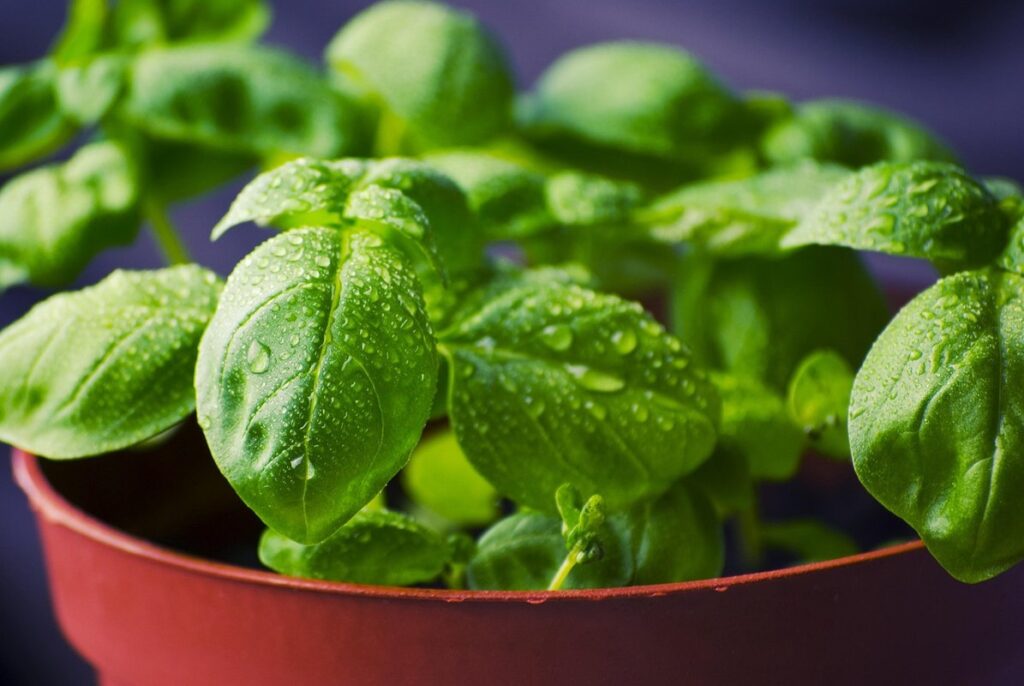
Choosing the Right Variety
When it comes to growing basil indoors, selecting the right variety can make all the difference in its success and your overall enjoyment of the plant. Let’s take a closer look at what types of basil work best for indoor cultivation.
Factors to Consider
When choosing the right variety of basil to grow indoors, there are several factors to consider. For one, you’ll want to think about growth rate – some basil varieties grow more quickly than others. Thai basil, for example, tends to be a faster grower and can produce multiple harvests throughout the year. On the other hand, sweet basil is often preferred for its slower, more controlled growth.
Another key consideration is fragrance. Some basil varieties have a stronger, sweeter scent that’s perfect for cooking, while others are less aromatic. Lemon basil, with its citrusy twist, is an excellent choice for indoor growing and adds a bright note to dishes.
Lastly, think about the flavor profile you prefer. Sweet basil has a classic, slightly sweet taste, while Thai basil has a more pronounced spice. By choosing a variety that suits your needs, you can ensure optimal growth and enjoy fresh, fragrant basil all year round.
Climate and Lighting Requirements
When growing basil indoors, it’s essential to consider the climate and lighting conditions that will support its growth. Basil thrives in warm temperatures between 65-75°F (18-24°C), making a south-facing window ideal for indoor cultivation. However, direct sunlight can be intense, so consider using sheer curtains or blinds to filter the light.
If you don’t have access to a sunny windowsill, you can also use grow lights as an alternative. LED grow lights are energy-efficient and produce minimal heat, making them a great option for indoor growing. Aim for 12-14 hours of artificial lighting per day to simulate natural daylight.
Maintaining optimal humidity levels is also crucial for basil growth. The ideal relative humidity for basil is between 40-60%. You can use a humidifier or group plants together to create a microclimate that maintains a consistent level of moisture in the air.
Soil and Potting
When it comes to watering basil indoors, understanding how your plant interacts with its soil is crucial. In this next part of our guide, we’ll explore the ins and outs of soil and potting for optimal results.
The Importance of Well-Draining Soil
When it comes to growing basil indoors, using a well-draining potting mix is crucial to prevent root rot and other issues that can arise from waterlogged soil. Waterlogged soil can lead to the roots of your basil plant becoming soggy and susceptible to disease, which can be devastating for your crop.
To make your own potting mix, you can combine 2 parts of peat moss or coconut coir with one part of perlite or vermiculite. This will provide excellent drainage while retaining moisture. Alternatively, you can purchase a well-draining potting mix specifically designed for indoor plants from your local nursery or online.
Some popular options include Miracle-Gro’s Indoor Potting Mix and Espoma Organic Potting Mix. These mixes are formulated to prevent waterlogging and promote healthy root growth. Regardless of whether you make your own mix or buy one, it’s essential to use a pot with good drainage holes to ensure excess water can escape the pot.
How to Pot Basil Correctly
When potting basil indoors, it’s essential to choose the right size container to give the plant room to grow. A pot that is too small can cause the soil to dry out quickly, while a pot that is too large may require more water than necessary. As a general rule, opt for a pot that is at least 6-8 inches deep and has drainage holes in the bottom.
Preparing the soil is also crucial for healthy basil growth. Use a high-quality potting mix specifically designed for indoor plants, which will have better drainage and aeration properties. If using regular garden soil, mix in some perlite or vermiculite to improve its structure. Fill the pot about 2/3 full with the prepared soil.
When transplanting basil seedlings into their new home, gently remove them from their pots and place them in the new container, leaving enough space between each plant for proper air circulation. Water the plants thoroughly after transplanting to settle the soil and provide adequate moisture. Avoid overwatering, as this can lead to root rot and other issues.
Watering Techniques
Now that you know how to determine when your basil needs water, let’s dive into various watering techniques to help you keep it thriving indoors.
Frequency and Amount of Water
When it comes to watering your indoor basil plant, frequency and amount are crucial factors to consider. The ideal watering schedule depends on several variables, including the climate, humidity levels, and soil moisture of your space. As a general rule of thumb, water your basil plant when the top 1-2 inches of soil feel dry to the touch.
To determine the right watering frequency for your plant, observe its environment. If you live in a humid region or have a consistent temperature between 65-75°F (18-24°C), you may need to water your basil less frequently, every 4-5 days. Conversely, if you reside in an arid climate or experience sudden temperature fluctuations, increase watering to every 2-3 days.
To measure the right amount of water, use a moisture meter or stick your finger into the soil up to the first knuckle. If the soil feels dry, it’s time for a drink. As a general guideline, pour about 1/4 inch (6 mm) of water around the plant’s base and let it drain freely. Adjust this amount based on your plant’s specific needs – if you notice yellowing leaves or root rot, reduce watering.
Signs of Over- or Underwatering
When it comes to watering basil indoors, it’s not uncommon for gardeners to over- or underwater their plants. But how do you know if your basil is receiving the right amount of water? Look out for these common signs.
Yellowing leaves are often a sign that your basil is getting too much water. This can be due to root rot or an excess of minerals in the soil. Check the soil moisture by sticking your finger into it – if it’s wet, wait another day before watering again. On the other hand, droopy stems may indicate underwatering. Make sure you’re not neglecting your basil’s hydration needs.
But watch out for sudden growth spikes too! If your basil is getting too much water, it can produce new leaves rapidly, but this can also lead to weak and spindly growth. Keep an eye on your plant’s overall health and adjust its watering schedule accordingly. Check the soil moisture regularly and aim to provide about 1-2 inches of water per week. With a little practice, you’ll get the hang of watering your basil just right!
Humidity and Temperature Considerations
When watering basil indoors, it’s crucial to consider the humidity and temperature levels in your space to ensure your plants thrive. Ideal conditions will vary depending on the stage of growth and type of basil you’re growing.
Maintaining Optimal Temperature
Maintaining optimal temperature is crucial for basil’s growth and development indoors. Basil thrives in temperatures between 65°F to 75°F (18°C to 24°C), which is slightly cooler than the average indoor temperature. To achieve this range, consider using a thermostat to regulate your home’s temperature. You can also invest in a space heater or air conditioner to create a microclimate around your basil plant.
When using heating systems, keep an eye on the temperature to avoid overheating, which can lead to stress and reduced growth. For example, if you’re using a space heater, set it to run only when needed, and monitor the temperature closely to prevent it from getting too high. Conversely, air conditioning can be useful during hot summer months or in warmer climates.
A stable temperature range is essential for basil’s growth, so it’s worth investing in a thermostat or other temperature control device if you plan on growing basil indoors regularly. This will not only ensure optimal conditions for your plant but also help prevent pests and diseases that thrive in extreme temperatures.
Boosting Humidity with Indoor Plants
When it comes to growing basil indoors, maintaining optimal humidity levels is crucial. Basil thrives in environments with moderate humidity, typically between 40-60%. However, indoor spaces often struggle to maintain these levels, leading to wilted leaves and stunted growth.
To boost humidity around your basil plant, consider using a humidifier. These devices release moisture into the air, helping to maintain a consistent humidity level. Place the humidifier near your basil plant, but be cautious not to overdo it – too much moisture can lead to root rot.
Another effective method is using pebble trays. Fill a tray with water and add pebbles or small rocks on top. As the water evaporates, it will increase the surrounding humidity level. Simply place the tray under your basil plant pot, ensuring the pot doesn’t sit in standing water.
Grouping plants together can also help maintain humidity. By clustering multiple plants, you create a microclimate that retains moisture. This method is especially useful for smaller spaces or when using a humidifier isn’t feasible. Experiment with different arrangements to find what works best for your basil plant.
Pests and Diseases
When growing basil indoors, pests and diseases can quickly ruin your crop. Learn how to identify and manage common issues like spider mites, mealybugs, and root rot to keep your basil thriving.
Common Problems and Prevention Strategies
Pests like spider mites, mealybugs, and aphids can be a significant problem for indoor basil plants. These tiny insects feed on the sap of the plant, causing curled or distorted leaves, stunted growth, and even the death of the plant if left unchecked. Spider mites are particularly notorious for their ability to thrive in dry environments, making them a common issue for basil plants that have been over-watered.
To prevent infestations, use neem oil as a preventative measure. Mix neem oil with water according to the label instructions and spray it on your basil plants once a week. This will repel pests without harming your plant. You can also introduce beneficial insects like ladybugs or lacewings into your indoor garden. These natural predators feed on aphids, mealybugs, and spider mites, keeping their populations under control.
Maintain good hygiene practices by regularly cleaning the leaves of your basil plants with a damp cloth to remove any debris or eggs that might be present. Keep your indoor garden well-ventilated to prevent moisture buildup, which can attract pests. By implementing these preventative measures, you’ll be able to keep your basil plants healthy and pest-free all year round.
Treating Infestations and Infections
Basil plants are prone to infestations and infections when grown indoors. To treat an affected plant, inspect it carefully for signs of pests like spider mites, mealybugs, or aphids. Check the undersides of leaves, stems, and soil for any white powdery patches, black spots, or sticky substance.
Early detection is crucial in preventing the spread of diseases. Monitor your basil plants regularly by looking for these warning signs:
• Yellowing or droopy leaves
• White powdery growth on leaves (fungal infections)
• Black spots or streaks on leaves (bacterial infections)
To treat infestations and infections, use fungicides, insecticides, or other treatments as a last resort. For example, neem oil can be used to control fungal diseases by coating the leaves with it. Mix 2-3 drops of neem oil in water, spray the solution on affected areas, and repeat every 7-10 days.
For severe infestations, consider repotting the plant in fresh soil to eliminate pests and infections. Prune infected areas to prevent further spread, but avoid over-pruning as this can stress the plant. With proper care and attention, your indoor basil plants should remain healthy and pest-free.
Harvesting and Maintenance
Once you’ve got a thriving basil plant, it’s time to focus on harvesting its leaves and keeping your plant healthy through regular maintenance tasks. Let’s dive into these essential steps together!
When to Harvest
When it comes to harvesting your indoor basil, timing is everything. You’ll want to pick your leaves at the right moment to ensure they continue to grow and thrive. One way to determine if your basil is ready for harvest is to check the size of its leaves. Typically, large leaves will be more flavorful and aromatic than smaller ones. For sweet basil, look for leaves that are around 4-6 inches long, while Thai basil can be harvested when its leaves reach about 2-3 inches in length.
Another indicator of readiness is color. As your basil plant matures, its leaves may take on a slightly deeper shade or develop hints of purple or red, depending on the variety. This is usually a sign that it’s time to harvest. You can also check for fragrance by gently pinching or bruising a leaf – if it releases a strong aroma, it’s ready.
Harvesting your basil regularly will not only encourage new growth but also prevent the plant from flowering.
Tips for Continuous Growth
To ensure your basil plant continues to thrive indoors, it’s essential to encourage continuous growth. One effective way to achieve this is by pruning your basil regularly. Pruning not only helps maintain the plant’s shape but also stimulates new growth.
When pruning, remove any weak or spindly stems and trim back the tips of healthy ones to encourage branching. This will help prevent the plant from flowering prematurely and promote a bushy, full growth habit. Pinching is another technique that can be used in conjunction with pruning. By pinching off flower buds as they form, you’ll redirect the plant’s energy towards foliage production.
You can also propagate new basil plants from cuttings or leaf stem sections. Take 2-3 inch stem sections and remove lower leaves, leaving only two sets of leaves at the top. Place them in a glass of water or a propagation tray until roots develop. This is an excellent way to multiply your favorite basil varieties and keep your indoor harvest fresh throughout the growing season.
Frequently Asked Questions
Can I use a self-watering pot for basil, or will it still need regular watering?
Yes, you can use a self-watering pot for your indoor basil plant, but keep in mind that the basil may still require some manual watering, especially during hot summer months. Be sure to check the soil moisture regularly and adjust your watering schedule accordingly.
How often should I water my basil if it’s placed near a window with direct sunlight?
Since plants near direct sunlight dry out faster, you’ll want to increase the frequency of watering for your basil. Check the soil daily, and water when the top inch of soil feels dry to the touch. Be cautious not to overwater, as this can lead to root rot.
What are some common signs that I’m underwatering or overwatering my basil plant?
If you’re underwatering, you may notice wilted leaves or a general decline in leaf size. Overwatering, on the other hand, can cause yellowing leaves and a soggy stem. Be aware of these signs and adjust your watering schedule accordingly to prevent damage to your basil.
Can I use tap water for my indoor basil plant, or should I opt for filtered water?
While tap water is generally safe for indoor plants, it may contain high levels of minerals that can affect the taste and health of your basil. For optimal results, consider using filtered or rainwater to give your basil a more neutral environment.
How do I prevent pests like spider mites from infesting my indoor basil plant?
To prevent pest infestations, ensure good air circulation around your plants by maintaining adequate space between them. Regularly inspect your basil for signs of pests and treat promptly if you notice any issues.