
Basil is one of those magical herbs that instantly elevate any dish from bland to grand. But let’s face it, not all of us have an endless supply of outdoor space or a green thumb for that matter. That’s where growing basil in containers comes in – a game-changer for kitchen gardeners and urban dwellers alike! With the right setup and care, you can enjoy fresh, fragrant basil year-round, adding a burst of flavor to your cooking whenever you need it.
In this ultimate guide, we’ll take you through everything you need to know to grow stunning basil in containers. We’ll cover selecting the perfect container, choosing the ideal soil and fertilizers, planting and transplanting with ease, and even share some expert tips on watering, humidity, pruning, and pest management. Whether you’re a seasoned gardener or just starting out, this article will give you the confidence to bring the best of Italy into your kitchen – without breaking the bank or sacrificing an inch of space!
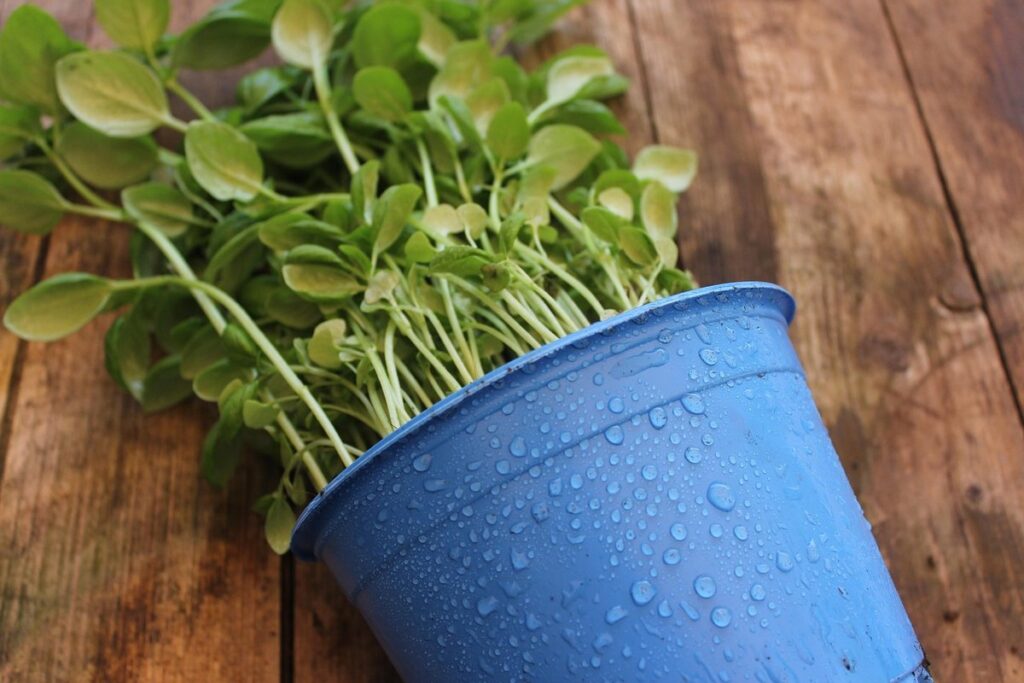
Choosing the Right Container
When growing basil in containers, choosing the right container is crucial for your plant’s health and success. Let’s dive into selecting the ideal pot for your basil needs.
Selecting the Perfect Size
When selecting a container for growing basil, it’s crucial to choose one that will accommodate the mature size of the plant. Basil plants can grow quite large, reaching up to 12 inches in height and spread, so make sure to choose a container that provides enough space for them to reach their full potential.
For example, if you’re growing a compact or dwarf variety, a smaller container around 6-8 inches deep and wide will suffice. However, for larger varieties, consider using a container with a minimum depth of 12 inches and a width of at least 18 inches to allow the roots to grow properly. If you’re using hanging baskets, look for ones that are specifically designed for large plants and have good air circulation to prevent fungal diseases.
Additionally, take into account the type of container you choose. For example, terracotta pots can be more prone to drying out due to their porous nature, so make sure to water them regularly. On the other hand, plastic or wooden containers will retain moisture better but may require less frequent watering. Consider your personal preferences and growing conditions when selecting a container that suits your needs.
Materials and Durability
When it comes to choosing the right container for growing basil, material is a crucial consideration. Different materials offer varying levels of durability, maintenance requirements, and environmental factors that can impact your basil’s health.
Plastic containers are lightweight, affordable, and easy to clean, but they can retain heat and dry out the soil quickly. This may lead to overwatering and root rot if not monitored closely. Ceramic containers, on the other hand, provide excellent drainage and can help regulate temperature fluctuations. However, they tend to be heavy and more prone to cracking.
Wooden containers are a popular choice for gardening enthusiasts due to their natural appearance and ability to breathe. However, they may require regular sealing to prevent water damage and can harbor pests like termites. Consider using recycled plastic or composite materials as an eco-friendly alternative that combines the benefits of multiple materials.
When selecting a container, prioritize drainage and consider the weight and maintenance requirements based on your specific growing conditions.
Preparing the Container
Before you start planting basil in your container, it’s essential to prepare the container itself. This may seem like a minor detail, but trust us, it makes all the difference in ensuring healthy and thriving plants.
Begin by cleaning the container thoroughly with soap and water to remove any dirt or debris that might be stuck to it. You can also use a gentle scrubber to scrub away any stubborn stains. Next, sterilize the container by soaking it in a solution of 1 part bleach to 10 parts water for about an hour. This will help kill off any bacteria or fungi that might be lurking on the surface.
After cleaning and sterilizing, add a layer of drainage material to the bottom of the container. Small rocks or broken pottery work perfectly for this purpose, as they allow excess water to drain out while preventing the roots from sitting in waterlogged soil. This is particularly important for basil plants, which prefer well-draining conditions to prevent root rot.
Soil and Fertilization
When it comes to growing healthy basil in containers, understanding how to care for your soil and provide essential nutrients is crucial. We’ll dive into the basics of soil selection and fertilization below.
Understanding Basil’s Soil Needs
When it comes to growing basil in containers, understanding its soil needs is crucial for achieving a bountiful harvest. Basil prefers well-draining, fertile soil with a pH between 6.0 and 7.0, which is slightly acidic to neutral.
To determine the ideal pH level of your container’s soil, you can purchase a soil testing kit or send a sample to a lab for analysis. If your soil is too alkaline (above 7.0), it may lead to nutrient deficiencies and stunted growth. On the other hand, if it’s too acidic (below 6.0), it might promote root rot.
In terms of nutrients, basil requires a balanced diet of nitrogen (N), phosphorus (P), and potassium (K). A general-purpose potting mix usually contains these essential macronutrients, but you may need to supplement with fertilizers if you notice your plants struggling. Look for a water-soluble fertilizer or compost tea to give your basil an extra boost.
To create the perfect soil environment, mix in some organic matter like peat moss or coconut coir to improve drainage and structure. Avoid using regular garden soil, as it can compact and prevent proper root growth. By getting your container’s soil just right, you’ll be well on your way to growing healthy, fragrant basil all season long.
Organic vs. Synthetic Fertilizers
When it comes to fertilizing basil plants in containers, you have two main options: organic and synthetic fertilizers. While both types can provide essential nutrients for healthy growth, they differ significantly in terms of benefits, drawbacks, and environmental impact.
Organic fertilizers, such as compost or fish emulsion, are derived from natural sources and promote long-term soil health. They release nutrients slowly, reducing the risk of over-fertilization and allowing your basil plants to absorb them gradually. Additionally, organic fertilizers tend to be more environmentally friendly, as they don’t contain harsh chemicals that can contaminate waterways or harm beneficial microorganisms in the soil.
Synthetic fertilizers, on the other hand, are made from chemical compounds and provide a quick fix for nutrient deficiencies. However, their high nitrogen content can lead to an overgrowth of foliage at the expense of root development and flavor. Moreover, synthetic fertilizers can leach into waterways, contributing to eutrophication and harming aquatic ecosystems.
If you want to create a sustainable growing environment for your basil plants, consider using organic fertilizers as part of a balanced approach that includes crop rotation, composting, and regular soil testing. This will not only support the long-term health of your soil but also promote a healthy and flavorful harvest.
Planting and Transplanting
When it comes to growing basil in containers, planting and transplanting are crucial steps that require attention to detail. Let’s dive into the best practices for getting your basil off to a healthy start.
Direct Sowing vs. Seed Starting
When it comes to growing basil in containers, you have two main options: direct sowing and seed starting. Direct sowing involves scattering seeds directly into the container’s soil, while seed starting requires planting seeds indoors in a tray or pot before transplanting them outside.
Direct sowing has its advantages – it saves time and effort, as you don’t need to worry about seed trays, pots, or transplant shock. It also allows for better root development, as the roots can grow freely without being confined to a small pot. However, direct sowing may not provide the same level of control over temperature and humidity as indoor seed starting.
On the other hand, seed starting gives you more control over the growing conditions, allowing you to provide optimal temperatures and humidity levels for germination and early growth. This method also reduces transplant shock, making it easier for the young plants to adapt to their new environment when they’re eventually moved outside. When using this method, make sure to harden off your seedlings before transplanting them into larger containers.
It’s worth noting that basil seeds typically take 1-2 weeks to germinate when sown indoors and 1-3 weeks when directly sown in the container. In our experience, starting seeds indoors gives a slightly head start on growth, but with proper care and conditions, direct sowing can produce healthy and robust plants just as well.
For optimal results, either method requires careful attention to soil quality, watering, and temperature. By choosing the right approach for your specific climate and growing conditions, you’ll be able to enjoy a bountiful harvest of fragrant and delicious basil from your container garden.
Transplant Shock Prevention
When moving basil plants from one container to another, it’s common for them to experience transplant shock. This can lead to weakened roots, reduced growth, and even the death of the plant. To prevent this, you’ll need to take a few steps to help your basil adjust to its new environment.
One key strategy is to harden off your basil plants before transplanting. Start by placing them in a shaded area outdoors for 1-2 hours a day, gradually increasing the duration over the course of 7-10 days. This allows the leaves to become accustomed to outdoor conditions and reduces shock when they’re moved into their new pot.
Adjusting your watering schedule can also help minimize transplant shock. In the first week after transplanting, reduce watering by about half. This will prevent the roots from becoming waterlogged and promote healthy growth. Monitor your plant’s moisture levels closely, as basil prefers well-draining soil to prevent root rot. By taking these precautions, you’ll be able to give your basil plants the best chance of thriving in their new container.
Watering and Humidity
To grow healthy basil, you’ll want to master the delicate balance between watering and maintaining optimal humidity levels for your container plants. In this section, we’ll explore both topics in detail.
The Importance of Consistent Moisture
Consistent moisture levels are crucial for healthy basil growth in containers. Basil is a warm-season crop that thrives in well-draining soil with consistent moisture. When the soil is too dry, basil’s delicate leaves will wilt and become vulnerable to pests and diseases. On the other hand, overwatering can lead to root rot, causing the plant to collapse.
Common mistakes people make include either underwatering or overwatering their basil containers. Underwatering can cause basil to drop its flowers, reducing yields. Overwatering, on the other hand, can drown the roots and lead to a weak and leggy plant. To avoid these mistakes, check the soil moisture by sticking your finger into the soil up to the first knuckle. Water when the top inch of soil feels dry. Aim for about 1-2 inches of water per week, either from rainfall or irrigation.
Keep in mind that container size and type can also affect watering needs. Smaller containers may require more frequent watering than larger ones. Also, basil grown in terracotta pots will dry out faster than those in plastic pots due to the porous nature of terracotta.
Humidity Considerations
When growing basil in containers, humidity plays a crucial role in maintaining the plant’s health. Basil prefers a relatively high humidity level, typically between 50-70%, to thrive. However, indoor environments can often be too dry for optimal growth.
To maintain optimal humidity levels, you can place the container on a tray filled with water and pebbles or use a humidifier nearby. Another approach is to group plants together, as they release moisture into the air through transpiration. This microclimate can help create a more humid environment around your basil plant.
On the other hand, if you’re dealing with extremely dry environments, consider using a cloche or covering the container with a clear plastic bag to trap moisture. Keep in mind that this should be done temporarily and removed regularly to prevent fungal diseases from developing.
Monitor your plant’s leaves for signs of drought stress, such as droopy tips or crispy edges. By understanding how humidity affects basil growth, you can take steps to create an ideal environment for optimal production and flavor development.
Pruning and Pest Management
Pruning is essential for maintaining basil’s shape, promoting healthy growth, and encouraging new leaves to form. Regular pruning will also help prevent pests from taking hold in your container garden.
Pinching and Trimming for Healthy Growth
Pruning and trimming are essential practices for maintaining healthy, bushy growth in container-grown basil. Regular pinching and trimming not only promote lush foliage but also prevent pests from becoming a problem. When basil plants become leggy or overgrown, they’re more susceptible to pests like aphids, whiteflies, and spider mites.
To maintain a bushy shape, pinch off the top sets of leaves when your basil plant reaches 6-8 inches tall. This encourages the plant to focus its energy on producing new growth rather than flowering. You can also trim back individual branches by about one-third to one-half to promote branching and prevent legginess.
By regularly pruning and trimming your container-grown basil, you’ll not only maintain a healthy and bushy shape but also encourage more flavorful leaves. As an added benefit, regular pruning helps reduce the risk of pests taking hold, ensuring your basil plants remain pest-free and continue to thrive throughout the growing season.
Common Pests and Diseases in Containers
Basil plants in containers are susceptible to various pests and diseases that can be detrimental to their health. Some of the most common issues you may encounter include aphids, whiteflies, powdery mildew, and root rot.
Aphids are tiny, sap-sucking insects that can cause curled or distorted leaves. To control an aphid infestation, gently spray your basil plant with a strong jet of water to dislodge the pests. You can also use neem oil or insecticidal soap as a preventative measure. Whiteflies, on the other hand, are flying insects that feed on plant sap and can spread diseases.
Powdery mildew is a fungal disease characterized by a white, powdery coating on the leaves. To prevent this issue, ensure good air circulation around your container garden and avoid overwatering. Remove any affected leaves to prevent the fungus from spreading.
Root rot occurs when the roots of the plant become waterlogged, leading to root decay. Avoid watering your basil plant too frequently, and make sure the pot has adequate drainage holes to prevent excess moisture from accumulating.
Tips for Success and Troubleshooting
Now that you’ve grown your basil, let’s tackle some common challenges and share expert tips to ensure a bountiful harvest in containers. We’ll cover essential troubleshooting techniques to keep your plants thriving.
Troubleshooting Common Issues
If you’re growing basil in containers and encountering common issues like yellowing leaves, stunted growth, or poor flavor, don’t worry – it’s more common than you think. One of the most frequent problems is overwatering. When the roots are constantly submerged in water, they can’t breathe, leading to a buildup of oxygen-free compounds that cause leaves to turn yellow.
To address this issue, make sure your container has good drainage holes and check the soil regularly. Water only when the top inch of soil feels dry to the touch. You can also use a moisture meter to ensure you’re not overwatering.
Another common problem is stunted growth. This could be due to inadequate light or temperature fluctuations. Basil needs at least 4-6 hours of direct sunlight per day and temperatures between 60°F and 70°F (15°C and 21°C). If your basil plant is growing too slowly, consider moving it closer to a sunny window or using grow lights.
To ensure optimal flavor, make sure your basil gets enough nutrients. You can use a balanced fertilizer once a month or try liquid fish emulsion for an extra boost of micronutrients.
Encouraging Year-Round Harvests
To encourage year-round harvests of fresh basil from your container garden, consider implementing succession planting and container rotation strategies. Succession planting involves growing a new batch of basil every 1-2 months to ensure a continuous supply of leaves. Start by sowing seeds for the next crop when you notice your current plants starting to slow down. Use this opportunity to introduce new varieties or cultivars with different growth habits, such as compact or dwarf basils.
For container rotation, move your oldest pots to a spot with more shade and replace them with newer ones in a sunnier location. This technique not only helps prevent overproduction but also promotes healthier plant growth by giving the older containers a break from intense sunlight. By implementing these strategies, you can enjoy fresh basil throughout the year, even in regions with limited growing seasons or harsh weather conditions. Remember to adjust your harvesting frequency and container positions as needed to maintain optimal yields and plant health.
Frequently Asked Questions
Can I use any type of pot for growing basil, or are there specific requirements?
You’ll want to choose a container that provides good drainage, as excess water can be detrimental to basil roots. Consider using terracotta or ceramic pots with holes for air circulation and moisture release.
How often should I fertilize my basil plants in containers?
Basil loves nutrients, but overfertilization can harm it. Feed your plants once a month with an organic fertilizer (like compost tea) to promote healthy growth. Avoid synthetic options, which can burn roots and reduce yield.
What’s the best way to prevent pests from attacking my container-grown basil?
Keep your containers clean, and regularly inspect for signs of aphids, whiteflies, or spider mites. Use neem oil or insecticidal soap to control infestations, and consider introducing beneficial insects like ladybugs or lacewings.
Can I grow multiple types of basil in the same container, or will they compete with each other?
Some basil varieties (like Thai basil) are more aggressive growers than others. For a harmonious coexistence, choose complementary varieties that mature at different times, and ensure your container is large enough to accommodate their growth habits.
How do I know if my basil plant needs more humidity, or less?
Observe your plant’s leaves; if they’re wilting despite consistent moisture levels, it may be a sign of too little humidity. Conversely, if the leaves are droopy in high-humidity environments, adjust your watering schedule accordingly to maintain optimal conditions.