
Are you ready to unlock the secrets of growing delicious and fragrant basil from seed? With its sweet aroma and versatility in cooking, basil is a popular herb among gardeners and chefs alike. But let’s face it, buying basil at the store can be expensive and lacks that fresh, homegrown charm. Growing your own basil from seed allows you to save money, enjoy fresh flavors, and customize the variety to suit your taste preferences.
In this comprehensive guide, we’ll take you through every step of growing basil from seed, from selecting the right variety for your climate and needs, to preparing the perfect soil, sowing seeds with confidence, caring for your young plants, and harvesting those luscious leaves. Whether you’re a seasoned gardener or just starting out, our expert tips will help you grow thriving, fragrant basil that’ll elevate your cooking and impress your friends and family.
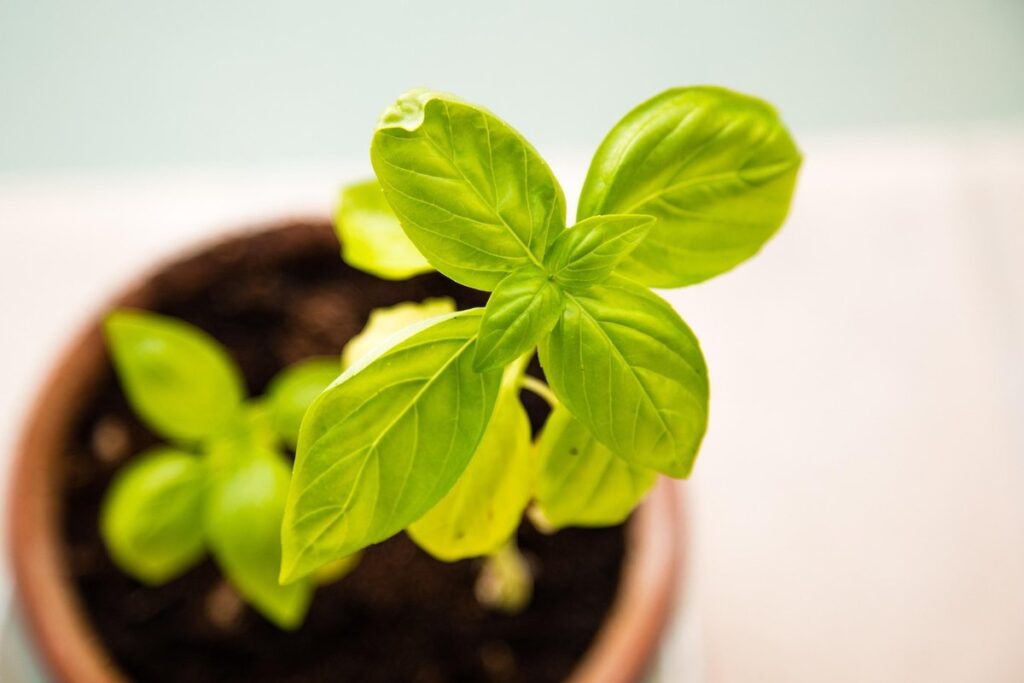
Choosing the Right Variety
When it comes to growing basil from seed, selecting the right variety is crucial for success. Let’s explore some of the most popular and suitable options for your garden needs.
Understanding Basil Types
Basil is one of the most versatile herbs in the world, and with numerous varieties to choose from, it can be overwhelming for beginners. But don’t worry, we’ve got you covered! Let’s dive into the world of basil types and explore their unique characteristics.
Sweet Basil (Ocimum basilicum) is one of the most popular and widely used varieties. It has a sweet, slightly spicy flavor and a delicate aroma. This variety is perfect for making pesto, caprese salads, and other Italian-inspired dishes. Sweet Basil grows relatively fast, requiring about 60-90 days to mature.
Thai Basil (Ocimum basilicum var. thyrsiflora) is another popular choice, known for its unique licorice flavor and spicy aroma. This variety thrives in warmer climates and has a faster growth rate than sweet basil, taking around 40-60 days to mature. Thai Basil is commonly used in Southeast Asian dishes, such as stir-fries and curries.
Lemon Basil (Ocimum x citriodorum) is a hybrid of sweet basil and lemon-scented basil. It has a bright citrus flavor and aroma, making it perfect for desserts, salads, and sauces. Lemon Basil grows relatively slow, requiring about 90-120 days to mature.
Selecting High-Quality Seeds
When selecting high-quality seeds for growing basil, it’s essential to consider several factors to ensure success. Start by checking the seed packet for specific information about the variety you’ve chosen. Look for details on the plant’s growth habits, days to maturity, and recommended planting times. This will give you a clear understanding of what to expect from your seeds.
When evaluating seed packets, also examine the company or brand offering them. Reputable seed suppliers often provide detailed instructions and guarantees. Check for any certifications, such as non-GMO or heirloom, if these are important to you.
It’s equally crucial to choose healthy seeds. Avoid seeds that appear damaged, moldy, or discolored. When buying seeds in bulk, it’s a good idea to purchase from a trusted source and inspect the seeds before storing them. Some common mistakes people make when selecting basil seeds include over-handling them or exposing them to extreme temperatures.
By taking these simple steps, you can increase your chances of growing healthy, productive basil plants from seed.
Preparing the Soil
Before you start sowing basil seeds, it’s essential to prepare the soil to provide a healthy environment for your plants to thrive. This involves loosening and aerating the soil.
Soil Requirements for Basil Growth
Basil is a warm-season crop that thrives in well-draining soil with specific pH and nutrient requirements. To grow healthy basil plants, it’s essential to understand these requirements.
The ideal pH range for basil growth is between 6.0 and 7.0. If your soil’s pH is lower or higher than this range, you may need to adjust it before planting. For example, if your soil has a high acidity level (pH below 6.0), adding lime can help raise the pH.
Basil requires well-draining soil with adequate nutrient levels. It needs nitrogen, phosphorus, and potassium to promote healthy growth. A balanced fertilizer with an N-P-K ratio of 10-10-10 will provide the necessary nutrients for basil plants. You can also use compost or manure to improve soil fertility.
Ensure good drainage in your soil by adding organic matter like perlite or vermiculite. These materials help prevent waterlogging and root rot, common issues that can affect basil growth. By understanding and meeting these soil requirements, you’ll set your basil plants up for success and enjoy a bountiful harvest.
Testing and Amending Your Soil
Testing and amending your soil is a crucial step in creating a healthy growing environment for your basil plants. Before you even think about sowing those tiny seeds, it’s essential to know what your soil is like. You can purchase a DIY soil testing kit or send a sample to a lab for analysis. This will give you an idea of the pH level, nutrient content, and structure of your soil.
If your soil test reveals any issues, don’t worry – it’s easy to make amendments! For example, if your soil is too acidic (pH 6.0 or lower), add some lime to raise the pH. If it’s too alkaline (pH 7.5 or higher), add sulfur or peat moss to lower it. You can also use organic matter like compost or manure to improve soil structure and fertility.
Some general guidelines to keep in mind: if your soil is sandy, mix in some perlite or vermiculite to improve water retention. If it’s clay-heavy, try adding some gypsum to make it more friable. Remember that basil prefers well-draining soil with a pH between 6.0 and 7.0. By making the necessary adjustments, you’ll create an optimal environment for your basil plants to thrive.
Sowing Seeds Indoors or Outdoors
When it comes to growing basil from seed, deciding where to sow is a crucial step. Should you give your seeds a head start indoors or let them germinate in the warmth of the outdoors?
Starting Basil from Seed Indoors
Starting basil seeds indoors is an excellent way to get a head start on the growing season. In most regions, it’s best to sow basil seeds 6-8 weeks before the last frost date. This allows you to transplant seedlings outside when the weather warms up.
To provide adequate light, place seed trays near a sunny windowsill or under grow lights. Aim for at least 12 hours of direct light per day. You can also supplement with LED grow lights if natural light is scarce. As for heat, basil seeds germinate best in temperatures between 65-75°F (18-24°C). Avoid placing the seed trays near heating vents or radiators.
Once you’ve sown your seeds and provided the right conditions, keep the soil consistently moist but not waterlogged. Transplant seedlings outside when they have 2-3 sets of leaves and the weather is warm enough for them to thrive. Harden off your seedlings by gradually exposing them to outdoor conditions over the course of 7-10 days before transplanting. This will help prevent shock and ensure a smooth transition.
Direct Sowing in Warm Weather
Direct sowing basil seeds in warm weather can be a great way to get a head start on the growing season. In regions with mild winters and long growing seasons, it’s possible to sow basil seeds directly into the ground as soon as the soil has warmed up.
Typically, this is around late spring or early summer, when the last frost date has passed and the soil temperature has reached 60-70°F (15-21°C). In warmer climates, you can even sow basil seeds in early spring, about 4-6 weeks before the last frost date. Make sure to choose a sunny spot with well-draining soil for your direct sowing.
When spacing basil plants, consider their mature size and growth habit. Basil varieties come in different sizes, ranging from compact dwarfs to towering giants. For a healthy and productive crop, space large-leafed varieties about 12-18 inches apart, while smaller varieties can be spaced closer together at around 6-8 inches.
Keep in mind that direct sowing in warm weather requires more attention to moisture levels, as basil seeds are sensitive to overwatering. Water the soil gently but thoroughly after sowing, and maintain consistent moisture levels throughout the growing season.
Caring for Young Plants
Young basil plants require gentle care to establish strong roots and healthy growth, so keep your soil consistently moist but not waterlogged. Check on them daily to ensure optimal conditions.
Watering and Humidity Needs
When it comes to growing basil from seed, providing young plants with optimal watering and humidity conditions is crucial for their health and development. Overwatering and underwatering can both be detrimental, so it’s essential to strike the right balance.
Basil requires a moist but not waterlogged soil environment. Check the top inch of soil daily, sticking your finger in gently to avoid damaging the roots. Water only when the soil feels dry to the touch. Aim for about 1-2 inches of water per week, either from rainfall or irrigation. If you’re using pots, make sure they have good drainage holes to prevent waterlogged soil.
To maintain optimal humidity levels, place your basil seedlings in a humid microclimate such as a greenhouse or a covered tray with pebbles and water. This will create a mini-greenhouse effect without the need for a full-fledged greenhouse. You can also cover individual pots with clear plastic bags to trap moisture and keep humidity high.
Monitor your plants closely, and adjust their environment accordingly. Look out for signs of overwatering such as yellowing leaves or root rot, while underwatering is often indicated by wilted leaves. Adjust your watering schedule as needed, taking into account factors like temperature, soil type, and seasonal changes. By paying attention to these details, you can create an ideal environment that promotes healthy growth and development for your young basil plants.
Providing Support and Pruning
As your basil plants continue to grow, it’s essential to provide them with support to prevent damage and promote healthy development. Basil plants can reach heights of 1-2 feet, making them prone to toppling over in the wind. To address this issue, you can use tomato cages, trellises, or stakes to give your basil plants a sturdy framework. Simply place the support around the plant when it’s about 6-8 inches tall, and gently tie the stems to the structure using twine or wire.
Pruning is another crucial aspect of caring for young basil plants. Regular pruning encourages bushy growth, increases yields, and enhances the flavor and aroma of your basil leaves. To prune your basil effectively, remove any weak or spindly stems, as well as those that are growing inwards towards the center of the plant. Pinch off flower buds as they form to redirect the plant’s energy towards leaf production. By pruning your basil regularly, you can keep it compact and encourage a continuous supply of fresh leaves throughout the growing season.
Troubleshooting Common Issues
If you’re experiencing problems growing basil from seed, don’t worry – we’ve got you covered. This section will walk you through common issues and their easy-to-implement solutions.
Dealing with Pests and Diseases
Basil is susceptible to various pests and diseases that can significantly impact its growth and flavor. One of the most common issues is aphids, tiny insects that feed on sap, causing curled or distorted leaves. Whiteflies are another concern, laying eggs on the underside of leaves and sucking plant juices. Regularly inspect your basil plants for these signs, and use neem oil or insecticidal soap to control infestations.
Powdery mildew is a fungal disease characterized by a white, powdery coating on leaves. This can be prevented by ensuring good air circulation and watering at soil level rather than overhead. If you notice powdery mildew symptoms, treat the affected area with a fungicide specifically designed for basil.
To prevent pest and disease issues, maintain a clean growing environment. Remove weeds that compete for resources, and dispose of any infected plants to prevent the spread of diseases. Keep your basil plants healthy by providing them with optimal growing conditions, including plenty of sunlight and water.
Overcoming Nutrient Deficiencies
Signs of nutrient deficiencies in basil plants can be subtle at first but quickly become apparent as yellowing leaves and stunted growth set in. If you notice these symptoms, it’s essential to address the issue before it’s too late. A lack of nitrogen is often the culprit behind yellowing leaves, so a balanced fertilizer application will help rectify this.
Another common deficiency is potassium, which can cause leaf curl and discoloration. Adding compost or well-rotted manure to the soil will help replenish potassium levels. Magnesium and calcium deficiencies can also occur, leading to stunted growth and weak stems.
To prevent nutrient deficiencies, use a high-quality potting mix specifically designed for herbs like basil. This will give your plants a solid foundation from which to grow. Regular watering and fertilization schedules are also crucial. Aim to fertilize every 1-2 weeks with a balanced fertilizer during the active growing season.
Remember that prevention is key – monitor your plants closely, and adjust your care routine as needed to avoid these common issues.
Harvesting and Preserving
Now that you’ve successfully grown your basil plants, it’s time to harvest and preserve their fresh flavor for future use. Learn how to dry, freeze, and store basil like a pro.
Timing the Perfect Harvest
Timing the perfect harvest is crucial when it comes to enjoying the optimal flavor and aroma of your basil plants. The timing will depend on whether you’re harvesting for fresh use, preserving through drying, freezing, or making pesto.
For fresh use, pinch off individual leaves as needed, encouraging bushy growth and preventing flowering. This technique also helps maintain flavor and fragrance. Cut back stems to about one-third after six weeks of growth, which promotes new foliage and prevents the plant from becoming leggy. For a more substantial harvest, you can cut entire stems at soil level or use a sharp knife to snip off individual leaves.
When harvesting for preservation methods like drying or freezing, wait until plants have reached their full size and are in full bloom. Pinch off flower buds as they form to direct energy towards leaf growth, which is ideal for preserving. Harvest in the morning after the dew has evaporated but before the heat of the day sets in, when essential oils are most concentrated in leaves.
Preserving Fresh Basil
When you’ve finally harvested that perfect bunch of fresh basil from your garden, you’ll want to make sure it lasts as long as possible. The good news is that basil is a versatile herb that can be preserved through various methods to enjoy throughout the year.
One popular method for preserving fresh basil is freezing. Simply chop the leaves and place them in an airtight container or freezer bag. Frozen basil is perfect for adding a burst of flavor to soups, sauces, and stir-fries. To thaw, simply leave it at room temperature or reheat in the microwave.
Drying is another great way to preserve fresh basil. You can use a food dehydrator or hang the leaves upside down in a warm, dry place. Once dried, store the leaves in an airtight container and crush them into a powder for added convenience.
Pesto is also a wonderful way to preserve fresh basil. Blend it with olive oil, garlic, pine nuts, and Parmesan cheese, then freeze or can the mixture. This will give you a flavorful sauce to toss with pasta, pizza dough, or as a dip for vegetables.
When storing preserved basil, make sure to label containers clearly and keep them in a cool, dark place. With proper storage, your preserved basil should last up to 6 months.
Frequently Asked Questions
How often should I water my basil plants, especially when it’s indoors?
Water your basil plants thoroughly when the top inch of soil feels dry to the touch. Indoor plants require more frequent watering due to lower humidity and temperature fluctuations. Check the soil daily during warm weather or if you notice droopy leaves.
Can I grow basil outdoors year-round in a mild climate, or will it go dormant?
Yes, in mild climates with temperatures between 60°F-80°F (15°C-27°C), basil can be grown outdoors year-round. However, some varieties may naturally go dormant during winter months when temperatures drop below freezing. Choose varieties like ‘Thai Basil’ that are more resistant to cold temperatures.
How do I propagate basil cuttings for continuous growth and prevent the plants from flowering?
Yes, taking cuttings is a great way to promote continuous growth and prevent flowering. Cut 2-3 inch stems just above a node, remove lower leaves, and root them in water or a propagation tray with moist soil. Once rooted, transfer the new plantlets to individual pots and care for them as you would young seedlings.
What are some common pests that target basil plants, and how can I prevent infestations?
Common pests like aphids, whiteflies, and spider mites often attack basil. Use neem oil or insecticidal soap to control infestations. Encourage beneficial insects by planting flowers like marigolds or nasturtiums nearby. Regularly inspect your plants for signs of pests and take action promptly.
Can I grow other herbs alongside basil in the same container, or will they compete for resources?
Many herbs, such as mint, lemongrass, and parsley, can be grown with basil. However, choose companion plants that have similar growing requirements to prevent overcrowding and competition for nutrients. Basil prefers well-draining soil and partial shade, so select herbs that thrive in these conditions.