
Basil flowers are often overlooked in favor of their fragrant leaves, but these tiny blooms hold a world of wonder and possibility. Whether you’re a seasoned gardener or just starting out, understanding how to grow and care for basil flowers can unlock a wealth of benefits for your garden, kitchen, and even health. Not only do they attract pollinators like bees and butterflies, adding a vibrant splash of color to your outdoor space, but they also offer a multitude of uses in cooking, medicine, and herbal remedies. In this article, we’ll delve into the magic of basil flowers, providing expert tips on how to cultivate them, troubleshoot common issues, and make the most of their versatility. Get ready to discover the hidden treasures of your basil plant!
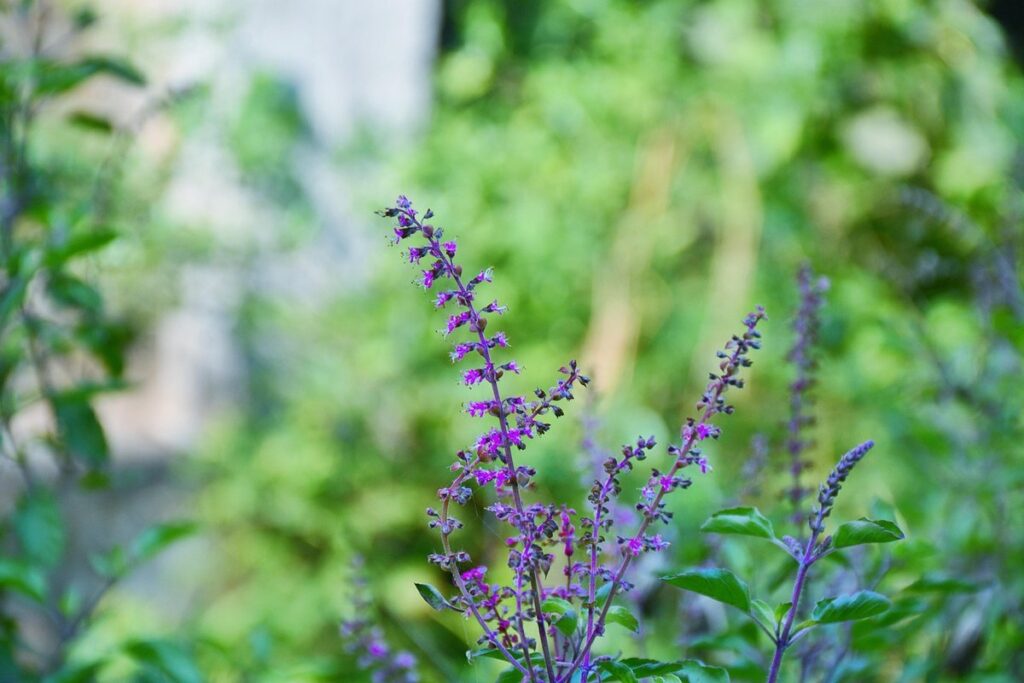
What Are Basil Flowers?
So, you’re curious to know what makes basil flowers so special? In this next part of our guide, we’ll break down the fascinating details of these delicate blooms.
Types of Basil Plants That Produce Flowers
When it comes to basil plants that produce flowers, there are several varieties to explore. Among them, sweet basil is one of the most popular and widely cultivated types. This variety produces small, white or purple flowers that grow on tall spikes, adding a delicate charm to the plant’s appearance.
Another type of basil that blooms beautifully is Thai basil. With its distinctive pointed leaves and spicy flavor, this variety also produces small flowers in shades of pink, purple, or white. Lemon basil, as the name suggests, has a citrusy scent and flavor, and it too produces fragrant white or yellowish flowers.
To encourage your sweet, Thai, or lemon basil plants to produce flowers, make sure they receive plenty of sunlight and adequate watering. Pruning the plant regularly will also help promote blooming. It’s essential to note that while these beautiful blooms can be a delight to see, removing them may actually stimulate more flowering in the long run. By letting some flowers go to seed, you’ll encourage your basil plant to focus its energy on producing new growth and, eventually, even more lovely flowers.
Why Do Basil Plants Produce Flowers?
Basil plants produce flowers as part of their natural life cycle. One primary reason for this process is to facilitate pollination and seed production. Flowers are a crucial component of the basil plant’s reproductive strategy, enabling it to propagate its genetic material through seeds.
When basil plants reach maturity, they begin to focus their energy on producing flowers instead of leaf growth. This shift is triggered by a reduction in daylight hours and an increase in temperatures. As flowers develop, they attract pollinators like bees, butterflies, and other insects, which transfer pollen between plants, allowing for seed set.
In addition to facilitating pollination and seed production, basil flowers also serve as a visual indicator of the plant’s readiness for harvest. If you’re looking to save seeds from your basil crop or propagate new plants, it’s essential to monitor your basil plants’ flowering cycles closely.
Benefits and Uses of Basil Flowers
Basil flowers are more than just a fragrant garnish for your favorite dishes, they also offer numerous benefits and uses that can enrich your cooking and well-being. Let’s explore these amazing advantages together!
Culinary Uses for Fresh Basil Flowers
When it comes to using fresh basil flowers in cooking, the possibilities are endless. One of the simplest ways to incorporate them into your dishes is by adding them to salads. The delicate flavor and vibrant color of the flowers pair perfectly with a variety of greens, from classic mixed greens to more adventurous options like arugula or frisée.
To get started, try tossing fresh basil flowers with some cherry tomatoes, mozzarella cheese, and a drizzle of balsamic glaze for a colorful and flavorful caprese salad. You can also use the flowers as a garnish for soups, pasta dishes, or even pizza. Simply chop the flowers finely and sprinkle them on top of your dish before serving.
For a more subtle touch, you can also infuse basil flowers into oils or vinegars to create unique flavor profiles. To do this, simply place fresh basil flowers in a clean glass jar and cover with olive oil or vinegar. Let it sit for a few days, shaking the jar occasionally, until the flavors have melded together. This infused oil or vinegar can then be used as a finishing touch for your favorite dishes.
When using fresh basil flowers in cooking, remember that a little goes a long way. Start with a small amount and adjust to taste, as the flavor of the flowers can quickly overpower other ingredients. With a bit of experimentation, you’ll discover new ways to incorporate the magic of basil flowers into your culinary creations.
Medicinal Properties of Basil Flowers
Basil flowers are not only a delight to the senses with their sweet fragrance and delicate appearance but also offer a treasure trove of medicinal properties. One of the most significant benefits of basil flowers is their high antioxidant content, which can help protect the body against free radicals and oxidative stress. Studies have shown that basil extracts contain a range of phytochemicals, including flavonoids and phenolic acids, which have been linked to anti-inflammatory effects.
The anti-inflammatory properties of basil flowers may be particularly beneficial for individuals suffering from conditions such as arthritis or other inflammatory diseases. In addition, the antioxidants present in basil flowers can help to reduce inflammation and improve overall health. To reap the medicinal benefits of basil flowers, try adding them to salads, soups, or using them as a garnish for your favorite dishes.
Incorporating basil flowers into your cooking or herbal remedies can also provide a natural way to boost your immune system and fight off infections. For example, you can make a tea by steeping dried basil flowers in hot water and drink it before bed to promote relaxation and support immune function.
Growing and Caring for Basil Plants That Produce Flowers
If you’re growing basil for its flowers, it’s essential to provide your plants with proper care, including watering, pruning, and fertilization to encourage continuous blooming. This section covers tips for promoting healthy growth and maximizing flower production.
Conditions Required for Basil Plant Flowering
For basil plants to produce flowers, certain conditions must be met. Temperature plays a crucial role; most varieties thrive in temperatures between 65°F and 75°F (18°C and 24°C). However, if the temperature drops below 50°F (10°C) or rises above 85°F (29°C), flowering may be delayed or prevented.
Lighting also significantly impacts basil flower production. Basil plants require at least four to six hours of direct sunlight per day to initiate flowering. If your plant is not receiving sufficient light, you can consider using grow lights to supplement the natural light.
Proper watering habits are equally essential. Basil plants need consistent moisture, especially when they’re producing flowers. Aim for about 1-2 inches of water per week, either from rainfall or irrigation. Avoid overwatering, as this can lead to root rot and prevent flowering.
When conditions like temperature, light, and watering are optimal, basil plants will typically begin producing flowers after they’ve reached a height of around 12-18 inches (30-45 cm).
Tips for Encouraging Basil Plant Flowering
To encourage your basil plants to produce flowers, you need to provide them with the right conditions. One of the most effective ways to stimulate flowering is through pruning. Prune your basil plant when it reaches a height of around 6-8 inches, removing about one-third of its leaves and stems. This process can be repeated every week or two, as long as the plant continues to produce new growth.
Another crucial aspect is fertilization. Feed your basil plant with a balanced fertilizer that contains nitrogen, phosphorus, and potassium (NPK) in the ratio 10-10-10. However, switch to a high-phosphorus fertilizer when you want to promote flowering. Phosphorus promotes root development and flower growth, so use it sparingly during the blooming stage.
Regular watering is also essential for healthy flowering. Basil plants prefer well-drained soil that’s consistently moist but not waterlogged. Make sure to provide your plant with at least one inch of water per week through rainfall or irrigation.
Attracting Pollinators with Basil Flowers
To attract pollinators to your garden, learn how to cultivate and care for basil flowers, which are a haven for bees, butterflies, and hummingbirds. With these tips, you’ll be supporting local wildlife in no time!
The Importance of Pollination in Basil Production
Basil flowers play a crucial role in attracting pollinators, which is essential for basil seed production. Without adequate pollination, basil plants are unable to produce viable seeds, significantly impacting their ability to propagate and reproduce. This is where the magic of basil flowers comes into play.
Pollinators like bees, butterflies, and other insects visit basil flowers to collect nectar, a process that inadvertently facilitates the transfer of pollen between plants. As they move from flower to flower in search of this valuable resource, they unwittingly facilitate pollination. In fact, it’s estimated that over 80% of crop species, including basil, rely on these tiny creatures for seed production.
To attract more pollinators and enhance pollination rates in your basil garden, try planting a diverse range of flowers that bloom at different times to provide a constant source of nectar. Incorporating native plants that are known pollinator magnets can also significantly boost biodiversity and overall pollination efficiency. By understanding the importance of pollination in basil production and making conscious efforts to attract these vital creatures, you’ll be well on your way to reaping the rewards of a thriving and productive basil garden.
How to Create a Pollinator-Friendly Garden Featuring Basil
Creating a pollinator-friendly garden featuring basil is a wonderful way to attract these essential creatures and enjoy their benefits. To start, choose a spot that gets at least six hours of direct sunlight a day, as this will provide the perfect conditions for basil flowers to bloom.
When selecting companion plants, remember that diversity is key. Include a mix of annuals and perennials, such as marigolds, sunflowers, and coneflowers, which will attract pollinators throughout different seasons. These flowers will also add visual appeal to your garden and provide additional benefits like pest control and soil health.
Don’t forget to provide a source of water for your pollinators! Install a shallow dish or birdbath with fresh water and rocks or twigs for landing sites, allowing bees and butterflies to easily access it. By creating this haven in your garden, you’ll be inviting these vital creatures to visit and stay awhile.
Consider adding other basil varieties like Thai basil, lemon basil, or sweet basil to create a diverse and colorful landscape that will attract pollinators all season long!
Troubleshooting Common Issues with Basil Flowers
Sometimes, things don’t go as planned when trying to encourage basil flowers to bloom. Don’t worry, we’ve got you covered with solutions to common problems.
Common Pests and Diseases Affecting Basil Plants
Basil plants are prone to various pests and diseases that can significantly impact their growth and flowering. One of the most common issues is aphids, tiny insects that feed on plant sap, causing curled or distorted leaves. To manage aphid infestations, inspect your plants regularly and use neem oil or insecticidal soap as a first line of defense. Additionally, encourage natural predators like ladybugs or lacewings to visit your garden by planting companion flowers.
Powdery mildew is another prevalent problem affecting basil plants. This fungal disease appears as a white, powdery coating on leaves and stems, eventually leading to leaf drop and reduced flowering. To prevent powdery mildew, ensure good air circulation around your plants, water them in the morning to allow for dry-out before nightfall, and avoid overhead irrigation.
Regularly inspecting your basil plants will help you catch any issues early on, allowing you to implement targeted treatments.
Solutions for Encouraging Healthy Basil Plant Growth
Basil plants can be finicky, but with the right care and attention, they’ll thrive. One of the most common issues affecting basil growth is lack of pruning. When left unpruned, basil plants become leggy and produce fewer flowers. To encourage healthy growth, prune your basil plant regularly by pinching off flower buds as soon as you see them. This will direct the plant’s energy towards leaf production, resulting in a fuller and more productive plant.
Fertilization is also crucial for promoting healthy growth. Feed your basil plant with a balanced fertilizer once a month to provide essential nutrients. Avoid over-fertilizing, which can lead to weak and brittle stems. Use a water-soluble fertilizer at half the recommended strength for optimal results.
Pest control is another vital aspect of maintaining healthy basil plants. Regularly inspect your plants for signs of pests like aphids, whiteflies, and spider mites. Use neem oil or insecticidal soap to control infestations, taking care not to damage leaves or stems in the process. By addressing these common issues, you’ll be well on your way to growing healthy and vibrant basil flowers that will bloom profusely throughout the season.
Conclusion: The Joy of Growing and Using Basil Flowers
As we’ve explored the many wonders of basil flowers, it’s time to reflect on how you can continue to enjoy them in your garden and in your cooking. Let’s dive into some final tips and inspiration for using these beautiful blooms.
Recap of Key Points Covered in the Guide
As we conclude our comprehensive guide to basil flowers, let’s take a moment to recap the key points covered. You now have a solid understanding of the numerous benefits and uses of these lovely blooms, from adding color and fragrance to your garden to enhancing culinary dishes with their unique flavor.
We discussed how basil flowers can be used as a garnish or added fresh to salads, sauces, and other recipes. Their delicate petals also make them an excellent addition to herbal teas, infusions, and even potpourri blends. By incorporating basil flowers into your cooking and crafting, you’ll not only add visual appeal but also tap into their potent antioxidant properties.
Growing conditions were another crucial aspect we explored. Basil flowers require well-draining soil, full sun, and moderate temperatures between 65°F to 85°F (18°C to 30°C) to thrive. Regular watering is essential, but be cautious not to overwater, which can lead to root rot. With proper care, your basil plants will bloom abundantly, filling the air with their intoxicating fragrance.
We also addressed common issues that may arise when growing basil flowers. Pests like aphids and whiteflies can cause significant damage, so monitor your plants regularly and use natural deterrents whenever possible. To encourage blooming, ensure your basil plant receives sufficient sunlight and fertilize it sparingly to promote healthy growth.
As you put these tips into practice, remember that basil flowers are a relatively low-maintenance crop compared to other herbs. With a little TLC, they’ll reward you with an abundance of beautiful blooms and an endless supply of fragrant petals for cooking and decorating.
Frequently Asked Questions
Can I grow basil flowers indoors if I don’t have a large outdoor space?
Yes, you can cultivate basil flowers indoors by providing them with sufficient light, typically 4-6 hours of direct sunlight or using LED grow lights. Ensure good air circulation and maintain a consistent temperature between 65°F to 75°F (18°C to 24°C) for optimal growth.
How long do basil flowers last once they’ve bloomed?
Basil flowers are relatively short-lived, lasting only a few days to a week before wilting. To extend their lifespan, pick the blooms regularly and use them in cooking or dry them to preserve as a decorative item. This will encourage new flower production and maintain the plant’s appearance.
Can I use basil flowers in place of leaves in most recipes?
While basil flowers can be used in cooking, they have a milder flavor than the leaves and may not provide the same intensity in many recipes. Start by substituting small amounts to achieve the desired taste and adjust as needed. Consider using them in dishes where their delicate flavor won’t overpower other ingredients.
How do I prevent pests from targeting my basil flowers?
To minimize pest damage, ensure good garden hygiene, remove weeds, and inspect your plants regularly for signs of infestation. Use natural deterrents like neem oil or insecticidal soap if needed, and keep a clean environment by disposing of any infested plant material.
Can I propagate basil from its seeds after it has bloomed?
Yes, you can harvest the seeds from mature basil flowers to sow new plants. This method is ideal for preserving specific varieties and encourages genetic diversity within your garden. To ensure successful propagation, collect seeds at their peak ripeness, store them in a cool, dry place until sowing time, and follow standard seed starting procedures.