
If you’re one of the many enthusiasts looking to grow their own avocados indoors, you’ve come to the right place. With the right care, avocado trees can thrive in even the smallest spaces, providing a bountiful harvest of fresh fruit all year round. However, indoor avocado tree care requires attention to detail and knowledge of specific needs that distinguish it from outdoor cultivation.
In this article, we’ll explore the essential elements of growing healthy and productive avocado trees indoors. From selecting the perfect variety for your climate and space constraints to managing pests and diseases, we’ll cover everything you need to know to keep your indoor avocado tree happy and thriving. Whether you’re a seasoned gardener or a beginner, our expert tips will help you unlock the secrets of successful indoor avocado cultivation.
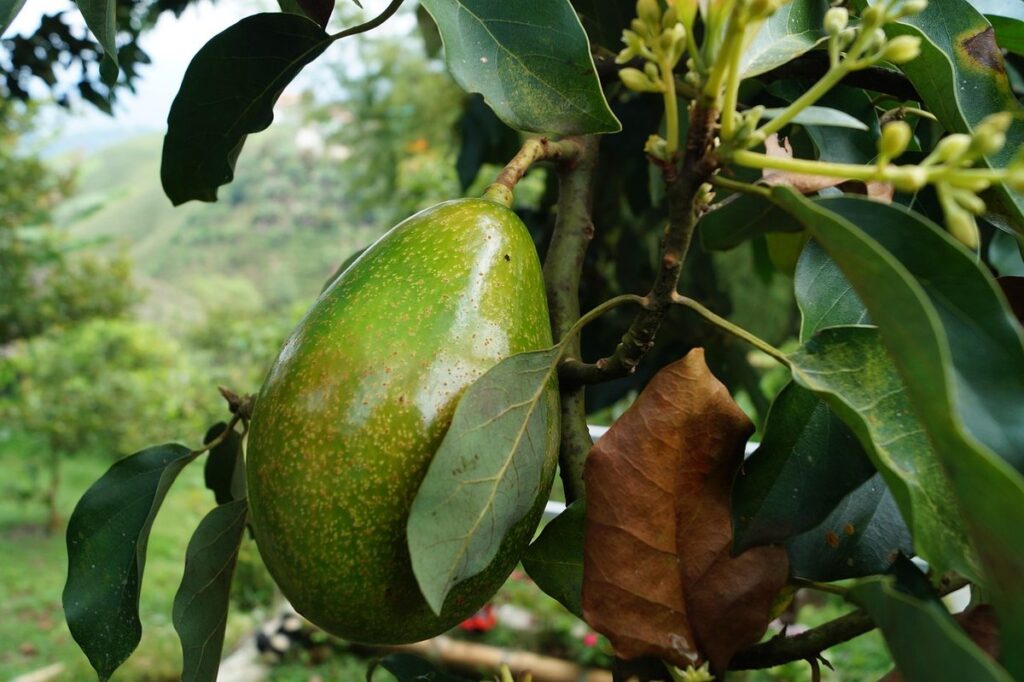
Choosing the Right Variety
When it comes to growing an avocado tree indoors, choosing the right variety is crucial for success. Selecting a suitable variety will ensure your tree thrives in its new environment.
Selecting Dwarf or Compact Varieties
When it comes to growing an avocado tree indoors, choosing the right variety is crucial for success. Dwarf or compact varieties are ideal for indoor cultivation as they are naturally more compact and produce fruit sooner than standard varieties. This makes them perfect for small spaces, such as apartments or patios.
Some popular dwarf and compact avocado tree varieties suitable for indoor growth include ‘Hass’, ‘Fuerte’, ‘Bacon’, and ‘Winter Mexican’. These varieties are known to thrive in containers and can tolerate the lower light conditions found indoors. For example, the ‘Dwarf Washington’ variety is a compact grower that reaches around 6-8 feet tall, making it an excellent choice for indoor spaces.
When selecting a dwarf or compact avocado tree variety, look for plants with a smaller root system to reduce transplant shock and ensure healthy growth in containers. It’s also essential to choose varieties that are disease-resistant to minimize the risk of pest issues indoors. By opting for a suitable variety, you can enjoy the benefits of growing an avocado tree indoors while minimizing potential challenges.
Factors to Consider When Buying an Avocado Tree
When buying an avocado tree, there are several factors to consider to ensure you bring home a healthy and thriving specimen. First and foremost, think about the age of the tree. A young tree (typically 1-2 years old) is usually easier to care for indoors, as it requires less pruning and has fewer maintenance needs. On the other hand, older trees (3-5 years old) may be more established and better suited for indoor growing conditions.
Consider the size of the tree as well – a smaller tree will require less space and can be easily pruned to fit your indoor environment. A root system that’s not too extensive is also important, as this can make it easier to transplant the tree indoors. Finally, disease resistance is crucial – look for trees that are resistant to common avocado tree diseases such as root rot or fungal infections.
Ultimately, choosing a healthy and suitable avocado tree will set you up for success with your indoor growing endeavors. Be sure to inspect the tree thoroughly before making a purchase and don’t hesitate to ask the seller about the tree’s history and any potential issues.
Planting and Repotting
When it comes to growing a healthy avocado tree indoors, proper planting and repotting techniques are crucial for its long-term success. Learn how to plant and repot your avocado tree correctly.
Preparing the Soil and Container
When it comes to planting an avocado tree indoors, the right soil mix and container can make all the difference. A well-draining soil mix is essential for optimal root growth, as avocados don’t like wet feet. Waterlogged soil can lead to root rot, which can be fatal to your tree.
Choose a high-quality potting mix that contains ingredients such as perlite or vermiculite, which will help with drainage and prevent water from collecting in the soil. You can also make your own soil mix by combining peat moss, compost, and perlite. Some examples of good potting mixes for avocado trees include Miracle-Gro Potting Mix and Pro-Mix All Purpose Potting Mix.
In addition to a well-draining soil mix, you’ll also want to select a container with adequate drainage holes. A plastic or clay pot is ideal, as they have built-in drainage holes that will prevent water from collecting in the soil. Make sure the container is large enough for your tree’s roots to grow, but not so large that it becomes unwieldy. Some avocado trees can grow quite large indoors, so choose a container with a diameter of at least 12-14 inches.
When potting your tree, make sure to add a layer of small rocks or broken pottery at the bottom of the container for extra drainage. This will help prevent water from collecting in the soil and reduce the risk of root rot.
Transplanting and Initial Care
When transplanting an avocado tree into its new container, it’s essential to prioritize gentle handling and optimal growing conditions. Begin by selecting a container that is one to two sizes larger than the current one, as this will give the roots room to expand.
Water the tree thoroughly before transiting to prevent soil from spilling during the process. Use a balanced, water-soluble fertilizer at half the recommended strength, and apply it according to the manufacturer’s instructions. This will provide essential nutrients without burning the delicate roots.
Once in its new home, prune any damaged or unwanted branches using sharp, clean pruning tools. Remove lower leaves to promote healthy air circulation and prevent fungal diseases from developing. Water sparingly for the first week, then gradually increase moisture levels according to your indoor environment’s specific conditions. Monitor temperature fluctuations to maintain an ideal range between 65-75°F (18-24°C), with average humidity levels.
Keep in mind that avocado trees prefer well-draining soil and full sun to partial shade. Repot your tree every 6-12 months to refresh the soil, prune roots as needed, and promote continued growth. By following these steps, you’ll be well on your way to establishing a thriving indoor avocado tree.
Lighting and Temperature Requirements
To keep your avocado tree thriving indoors, it’s essential to understand how lighting and temperature conditions can impact its growth. Let’s dive into what you need to know about these crucial factors.
Natural Light vs. Artificial Lighting
When it comes to providing adequate lighting for your avocado tree indoors, understanding the difference between natural and artificial light is crucial. Avocado trees require a significant amount of light to thrive, but since they’re often grown indoors, supplementing with artificial lighting may be necessary.
In terms of natural light, aim to provide at least 4-6 hours of direct sunlight per day for your avocado tree. If this isn’t possible, east- or west-facing windows are ideal as they offer gentle, indirect light. Be cautious not to place your tree in a south-facing window during peak summer months, as the intense heat and UV rays can damage the leaves.
If natural light is insufficient, consider supplementing with LED grow lights. These energy-efficient options provide a specific spectrum of light that promotes healthy growth and fruit production. Place them 12-18 inches away from your tree’s canopy to avoid overheating. Remember, it’s better to start with lower light settings and gradually increase as needed to prevent shocking the tree.
Maintaining Optimal Temperatures
When it comes to maintaining optimal temperatures for your avocado tree indoors, it’s essential to provide a stable environment that falls within the ideal range of 18-24°C (64-75°F). This is crucial for healthy growth and fruit production. If your indoor space consistently drops below this threshold, you may notice slowed growth, leaf drop, or even pest infestations.
To maintain a stable temperature indoors, consider placing your avocado tree away from drafty windows, air conditioning vents, and radiators. Keep it at least 2-3 meters (6-10 feet) away from heating sources to prevent overheating. You can also use thermal curtains or blinds to insulate the area and maintain a consistent temperature.
In addition, monitor your home’s temperature fluctuations throughout the day and adjust your tree’s position accordingly. If you live in an area with extreme temperature variations, consider investing in a space heater or fan to maintain a stable environment around your tree. This simple yet crucial step will ensure your avocado tree receives the optimal conditions necessary for thriving indoors.
Watering and Humidity Control
When it comes to growing a healthy avocado tree indoors, getting the right amount of water and maintaining optimal humidity levels are crucial factors to consider. Let’s dive into how to properly water and manage humidity for your indoor avocado tree.
Understanding Avocado Tree Watering Needs
Monitoring soil moisture levels is crucial when it comes to watering your indoor avocado tree. Overwatering is one of the most common mistakes people make, and it can be detrimental to the health of your tree. Avocado trees prefer well-draining soil, so if you notice that the top 1-2 inches of soil feel dry to the touch, it’s time to water.
But how often should you water? A good rule of thumb is to check the soil moisture every day or two during the spring and summer months when your tree is actively growing. During the fall and winter months, you can reduce watering to once a week.
It’s also essential to provide adequate humidity for your avocado tree. Indoor spaces can be dry, especially during the winter months, which can cause stress to your tree. To combat this, you can place the pot on a tray filled with water and pebbles or use a humidifier near the plant. This will help maintain a humidity level between 50-60%, perfect for avocado trees.
Tips for Maintaining Healthy Roots
When it comes to maintaining healthy roots on your indoor avocado tree, proper watering techniques, fertilization, and pruning are crucial. To avoid root rot, which can be fatal to the tree, make sure not to overwater. Check the soil moisture by sticking your finger into the soil up to the first knuckle. If the soil feels dry, it’s time to water.
Regular fertilization is also essential for healthy roots. Use a balanced, water-soluble fertilizer (20-20-20) during the growing season (spring and summer). Dilute the fertilizer to half the recommended strength to avoid burning the roots. You can also use an organic fertilizer like fish emulsion or compost tea.
Pruning is another critical aspect of root maintenance. Prune your avocado tree regularly to encourage a strong, balanced root system. Remove any dead or diseased branches, and thin out the foliage to allow air to circulate around the roots. This will help prevent fungal diseases that thrive in damp environments.
Fertilizing and Pruning
Now that we’ve covered avocado tree basics, let’s dive into the essential tasks of fertilizing and pruning to keep your indoor tree thriving. Proper care will yield a bountiful harvest!
Nutrient Requirements and Fertilizer Types
When it comes to fertilizing your indoor avocado tree, understanding its nutrient requirements is crucial for healthy growth and fruit production. Avocado trees need a balanced diet of essential nutrients, primarily nitrogen (N), phosphorus (P), and potassium (K). Nitrogen promotes leaf growth and development, while phosphorus encourages root growth and flower formation. Potassium helps maintain overall plant health and resistance to diseases.
For organic fertilizers, consider using fish emulsion or bone meal, which release nutrients slowly as they break down. These options are environmentally friendly and promote healthy soil microbiology. Synthetic fertilizers, on the other hand, provide a rapid boost of nutrients but can be harsh on soil if overused. Look for products containing balanced N-P-K ratios (e.g., 10-10-10) to ensure you’re providing your tree with an adequate mix of nutrients.
When selecting a fertilizer, consider the specific needs of your avocado tree at different stages of growth. Young trees may require more nitrogen for leaf development, while fruiting trees benefit from higher phosphorus levels.
Pruning Techniques for Indoor Avocado Trees
Pruning an indoor avocado tree is crucial for maintaining its shape and promoting fruiting. To control tree size, prune the top third of new growth after it reaches 1-2 feet tall. This will encourage branching and prevent the tree from becoming leggy. Use clean, sharp tools to make cuts just above a leaf node, as this will help the tree heal quickly.
To promote fruiting, focus on pruning branches that are growing inward or crossing over other branches, which can restrict air circulation and sunlight penetration. Remove any weak or spindly growth, as these will divert energy away from fruit production. Cut back any suckers or water sprouts that appear at the base of the tree.
For a balanced structure, prune your avocado tree in a way that maintains its natural shape. For example, if your tree has a single main trunk, prune it to maintain a central leader. If it’s becoming too dense, thin out some of the branches to allow for better air circulation and light penetration. By pruning regularly, you’ll be able to control your avocado tree’s size and promote healthy growth and fruiting.
Pest and Disease Management
As you bring your avocado tree inside, it’s essential to be aware of common pests and diseases that can threaten its health, such as spider mites and root rot. We’ll guide you through prevention and treatment methods.
Common Pests Affecting Indoor Avocado Trees
Indoor avocado trees are susceptible to various pests that can cause significant damage if left unchecked. Some of the most common pests affecting indoor avocado trees include mealybugs, spider mites, and scale insects. Mealybugs are small, white, cottony-looking bugs that feed on plant sap, causing curled or distorted leaves. They can be found in large numbers on the underside of leaves and stems.
Spider mites are tiny, eight-legged arachnids that spin fine webs on plants and feed on sap, causing yellowing leaves and stunted growth. Scale insects are armored, immobile pests that secrete a sticky substance called honeydew, which attracts ants and promotes the growth of sooty mold.
To manage these pests effectively, it’s essential to adopt an integrated pest management (IPM) approach. This involves monitoring your tree regularly for signs of infestation, using physical barriers like fine mesh or row covers to prevent pests from reaching your tree, and introducing beneficial insects like ladybugs or lacewings that prey on pests.
Prune infested areas, and use insecticidal soap or neem oil to control pest populations. Isolate the affected plant to prevent the spread of pests to other indoor plants. Regularly inspect your avocado tree for signs of pests, such as sticky substance or eggs, and take prompt action if you notice any issues.
Maintain good hygiene by cleaning your plant regularly with a mild soap solution to remove dust and debris that can attract pests. Provide adequate air circulation around the tree to prevent moisture buildup and promote healthy growth. Keep in mind that prevention is key – regular monitoring and maintenance can help prevent pest infestations before they become serious issues.
Preventing and Managing Root Rot
Root rot is a common issue that can affect avocado trees grown indoors. It occurs when the roots become waterlogged and start to decay, causing the tree to decline in health. One of the primary causes of root rot is overwatering, which can lead to an accumulation of moisture around the roots. This problem is exacerbated by the fact that avocado trees prefer well-draining soil and a relatively dry environment.
To prevent root rot, it’s essential to water your avocado tree correctly. Check the soil moisture regularly by inserting your finger into the soil up to the first knuckle. If the soil feels dry, it’s time to water. However, if you notice that the soil is consistently wet or has visible signs of moisture, it may be a sign that you’re overwatering. To manage root rot, repot the tree in fresh, well-draining potting mix and adjust your watering schedule accordingly.
Monitor your avocado tree closely for any signs of root rot, such as yellowing leaves, soft stems, or blackening roots. If left unchecked, root rot can be fatal to your tree.
Frequently Asked Questions
Can I grow an avocado tree from seed, or should I buy a grafted tree?
Yes, you can grow an avocado tree from seed, but it may take longer to produce fruit and the quality might vary. Grafted trees, on the other hand, are more reliable and produce fruit sooner. Since you’re growing indoors, a grafted tree is recommended for consistent results.
How often should I fertilize my indoor avocado tree?
Fertilize your avocado tree every 1-2 months during the growing season (spring-fall). Use a balanced fertilizer (20-20-20) and follow the instructions on the label. Dilute the fertilizer to half the recommended strength to avoid burning the roots.
What are some common pests I should watch out for when growing an avocado tree indoors?
Some common pests affecting indoor avocado trees include mealybugs, spider mites, and scale insects. Regularly inspect your tree for signs of infestation and treat promptly with insecticidal soap or neem oil if necessary.
Can I grow multiple avocado trees in the same container?
While it’s technically possible to grow multiple avocado trees in a single container, this can lead to overcrowding and increase the risk of pests and diseases. It’s recommended to plant each tree in its own pot to ensure optimal growth and prevent any potential issues.
How do I know if my indoor avocado tree is receiving enough light?
If your tree is not producing fruit or is showing signs of weak growth, it might be due to inadequate lighting. Move the tree to a brighter location or consider using grow lights (400-500 lux) to supplement natural light.