
Growing your own apples from seeds can be a fun and rewarding experience, but it requires patience and knowledge. If you’re new to gardening or looking to try something new, understanding how long it takes for an apple tree seed to grow into a fruit-bearing tree is essential. The journey from seed to harvest can take several years, but with the right techniques and care, you’ll be enjoying fresh apples in no time. In this article, we’ll walk you through the process of growing apple trees from seeds, including selecting the right seeds, stratification, planting, and caring for young trees. We’ll also provide tips on managing common pests and diseases to ensure a bountiful harvest. Whether you’re a seasoned gardener or just starting out, this guide will help you grow healthy and productive apple trees.
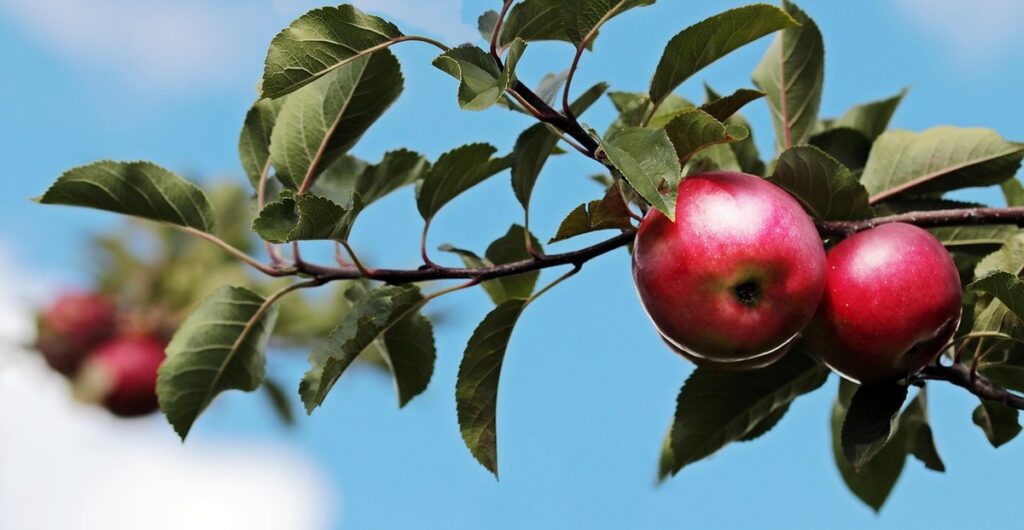
Understanding Apple Tree Biology
To grow delicious apples, it’s essential to understand how your tree’s biology works. In this next part of our journey, we’ll delve into the intricacies of apple tree growth and development.
The Importance of Pollination in Apple Trees
Pollination plays a crucial role in the reproduction of apple trees. Without it, seed development and fruit production would be severely impaired. When bees and other pollinators visit apple blossoms, they transfer pollen from one tree to another, allowing for fertilization to occur.
This process may seem simple, but its impact on apple tree biology cannot be overstated. Pollination affects not only the number of seeds in an apple but also their viability and health. For instance, apples pollinated by multiple trees will have more viable seeds than those from self-pollinated trees.
In commercial orchards, beekeepers often bring honeybees to orchards during peak bloom to ensure adequate pollination. In home gardens, gardeners can encourage pollinators by planting a diverse range of flowers that provide nectar and pollen throughout the growing season.
To optimize pollination in your own apple tree, consider creating a pollinator-friendly environment by planting nearby flowers, reducing pesticide use, and avoiding pruning too frequently.
Factors Influencing Seed Germination
When planting an apple tree from seed, it’s essential to understand that the seed germination process is sensitive to various environmental factors. Temperature plays a significant role in this process; optimal temperatures for germination range between 35°F and 45°F (2°C and 7°C). Apple seeds will not germinate if exposed to extremely high or low temperatures.
Moisture is another critical factor, as it’s necessary for seed imbibition – the initial absorption of water by the seed. If the soil is too dry or too wet, seed germination can be impaired. The ideal moisture level is when the top 1-2 inches (2.5-5 cm) of the seedbed remain consistently moist.
Light exposure affects germination indirectly; apple seeds require light to break dormancy, but excessive light can lead to desiccation and reduced germination rates. It’s recommended to sow seeds in a shaded area or under a cloche to control light exposure and optimize conditions for successful seed germination.
Preparing Apple Tree Seeds for Planting
To successfully grow a new apple tree from seed, you’ll need to prepare the seeds properly before planting, which involves several crucial steps. Let’s get started!
Choosing Healthy Seeds
When selecting healthy apple tree seeds for planting, it’s essential to look beyond their appearance. While shiny seeds may seem more appealing, they’re not always a guarantee of success. In fact, the seed’s condition and origin are far more crucial than its aesthetic appeal.
Choose seeds that have been collected from disease-resistant or desirable varieties, such as ‘Red Delicious’ or ‘Gala’. These types of apples are bred for their taste, texture, and pest resistance, making them a great choice for home gardeners. Opt for seeds from reputable nurseries or seed suppliers that specialize in apple tree seeds.
When inspecting the seeds, look for ones with a smooth, dry coat and a distinctive shape. Avoid seeds that are soft, wrinkled, or have visible cracks. It’s also essential to check the seed’s age – ideally, you want seeds that are no more than six months old for optimal germination rates. With these guidelines in mind, you’ll be well on your way to selecting healthy apple tree seeds for planting and nurturing a thriving orchard of fruiting trees.
Seed Stratification: The Key to Successful Germination
Seed stratification is an essential process for apple tree seeds before planting. It mimics the natural conditions of winter, allowing the seed to break dormancy and prepare for germination. Without stratification, many varieties of apple trees won’t germinate at all.
To stratify apple tree seeds, you’ll need a plastic bag or airtight container filled with moist peat moss or vermiculite. Place the seeds in the medium, making sure they’re not touching each other. Seal the bag or container and store it in the refrigerator at around 40°F (4°C). Keep the seed mixture consistently moist but not waterlogged.
The stratification period for apple tree seeds typically ranges from 30 to 120 days. Some varieties may require shorter periods, while others need longer. Research specific requirements for your chosen variety. After stratification, the seeds will be ready to plant in a seed starting mix or directly into a garden bed with well-draining soil and full sun.
Planting Apple Tree Seeds
Now that you’ve obtained apple tree seeds, it’s time to plant them for a successful harvest. This section will walk you through the essential steps of planting seedlings in ideal conditions.
Soil Preparation and Selection
When planting apple tree seeds, it’s essential to create an ideal environment for germination. Apple trees prefer well-draining, fertile soil with a pH between 6.0 and 7.0. Before planting, test your soil to determine its pH level and nutrient content.
To prepare the soil, mix in compost or well-rotted manure to improve fertility and drainage. You can also add a balanced fertilizer according to the manufacturer’s instructions. Avoid using fresh manure, as it may burn the seeds.
Apple tree seeds require specific conditions for germination. Sow them about ¼ inch deep and 1 inch apart in a seed tray or small pots filled with a mix of peat moss and perlite. Keep the soil consistently moist but not waterlogged. Provide indirect light and maintain a temperature between 65°F to 75°F (18°C to 24°C) until germination.
It’s also crucial to select seeds from disease-resistant varieties, such as ‘Red Delicious’ or ‘Gala’, for better results.
Seed Planting Techniques and Depth
When planting apple tree seeds, proper technique is crucial for successful germination and growth. To start, choose a location with well-draining soil and full sun to partial shade. Select healthy seeds from mature apples, as these are more likely to produce viable offspring.
For optimal results, plant the seed 1-2 inches deep in the soil, with the pointed end facing upwards. Space the seeds about 12-18 inches apart, allowing for adequate room to grow into a sapling. A gentle, firm press of the soil is all that’s needed to secure the seed; avoid compacting it too tightly, which can impede root development.
If planting multiple seeds, arrange them in a random pattern rather than a straight line. This will encourage air circulation and reduce competition for resources among young seedlings. Water the soil gently but thoroughly after planting, then maintain consistent moisture levels during the first few weeks of growth.
Caring for Young Apple Trees
As you’ve taken the exciting step of growing your own apple tree from seed, now it’s time to focus on giving your young tree the best chance to thrive. This section will cover essential tips for nurturing your sapling through its early years.
Watering and Moisture Requirements
Consistent moisture levels are crucial for young apple trees during their early growth stages. Apple tree seedlings need adequate water to establish a robust root system and promote healthy development. However, it’s equally essential to avoid overwatering or underwatering, as both conditions can be detrimental.
To ensure optimal moisture levels, aim to provide about 1 inch of water per week, either through rainfall or irrigation. You can achieve this by installing a drip irrigation system or soaker hose that delivers water directly to the roots. Avoid overhead sprinklers, which can lead to evaporation and encourage fungal diseases.
Monitor your tree’s soil moisture by inserting a finger into the soil up to the first knuckle. If the soil feels dry, it’s time to water. Don’t wait until the leaves start wilting – young trees are more susceptible to shock when stressed from drought.
In hot weather, increase watering frequency to every 2-3 days, while cooler periods allow for less frequent watering. Keep an eye on your tree’s response and adjust accordingly. With careful attention to moisture levels, you’ll be giving your young apple tree the best chance to thrive and grow strong roots that will support a bountiful harvest in years to come.
Fertilization and Pruning Techniques
As you care for your young apple trees, providing them with essential nutrients and maintaining their structure are crucial steps towards promoting healthy growth and development. Fertilization plays a significant role in this process, as it helps replenish the soil’s nutrient reserves that may have been depleted during seed germination.
When choosing a fertilizer, select one specifically formulated for fruiting plants like apple trees. Typically, these fertilizers contain a balanced blend of nitrogen (N), phosphorus (P), and potassium (K) in proportions such as 10-10-10 or 20-5-10 NPK. Follow the recommended application rates to avoid over-fertilization.
Pruning is another vital technique for young apple trees, promoting air circulation, preventing disease, and encouraging a strong structure. Remove any dead, diseased, or damaged branches in late winter or early spring before new growth begins. This helps prevent the spread of disease and reduces the risk of pests inhabiting the tree.
During the first year after planting, prune your young apple trees to maintain a central leader system and encourage an open center. Thin out weak or crossing branches by cutting them back to about one-third their length.
Pest and Disease Management for Apple Trees
To ensure a healthy crop, it’s crucial that you know how to identify and prevent common pests and diseases that can affect your apple trees. We’ll walk you through effective management strategies in this section.
Common Pests Affecting Apple Trees
When it comes to growing healthy apple trees, it’s essential to be aware of the common pests that can affect them. These pesky creatures can cause significant damage to your tree’s leaves, fruit, and overall well-being. Let’s take a look at some of the most common pests that target apple trees.
Aphids are one of the most common pests found on apple trees. These small, soft-bodied insects feed on sap, causing curled or distorted leaves. To control aphid infestations, try spraying your tree with a mixture of water and mild dish soap. This will help to deter them without harming beneficial insects.
Codling moths are another major pest that targets apple trees. These moths lay eggs on the fruit, which then hatch into larvae that feed on the pulp. To prevent codling moth infestations, use physical barriers like fine mesh bags or covers to protect your fruit. You can also try introducing natural predators like parasitic wasps.
Spider mites are tiny, spider-like insects that feed on sap, causing yellowing leaves and reduced tree growth. To control spider mite infestations, increase the humidity around your tree by misting it regularly. This will make it difficult for the mites to survive. Regularly inspect your tree for signs of these pests, and take action promptly if you spot any.
Managing Diseases in Apple Trees
Managing diseases is an essential part of maintaining healthy apple trees. Some of the most common diseases affecting apple trees include powdery mildew, scab, and fire blight.
Powdery mildew is a fungal disease that causes a white, powdery coating on leaves and fruit. It thrives in warm, humid weather and can be spread through wind or by insects. To manage powdery mildew, prune infected branches, remove weeds to reduce moisture, and apply fungicides as needed.
Scab, caused by the fungus Venturia inequalis, affects apple trees worldwide. Symptoms include yellowing leaves, premature defoliation, and fruit lesions. Control scab through integrated pest management (IPM) strategies, which may involve fungicide applications, pruning infected branches, and removing weeds.
Fire blight is a bacterial disease spread by bees and other insects, causing cankers to form on branches. To prevent fire blight, prune trees regularly, remove diseased tissue, and maintain good air circulation around the tree. Fungicides and bactericides may be necessary in severe cases.
Monitoring Progress and Timing of Fruit Production
Now that you have a thriving apple tree, let’s focus on monitoring its progress and timing fruit production to ensure a bountiful harvest each year. This is crucial for optimizing your yields.
Determining Maturity and Harvesting Apples
As your apple trees mature and start producing fruit, it’s essential to know when to harvest them at the right time. Determining ripeness can be a bit tricky, but there are some visual cues and taste tests that can guide you.
One of the most reliable ways to check for ripeness is through visual inspection. Look for apples that have reached their full color, with some varieties taking on a reddish or yellowish hue depending on their skin type. A ripe apple will also be slightly soft to the touch, but still firm enough not to squish easily. Another visual cue is the stem: a ripe apple’s stem will come off easily.
For a more precise assessment, try a taste test by gently biting into an apple. A ripe apple should have a crunchy texture and a sweet flavor with just a hint of tartness. Be careful not to over-ripen your apples, as they can quickly turn from perfectly sweet to mushy and unpalatable.
Factors Affecting Fruit Quality and Quantity
When it comes to growing apples, the quality and quantity of your harvest are largely dependent on various factors. One of the most significant influencers is weather conditions. Extreme temperatures, droughts, or excessive rainfall can all impact fruit growth and development. For instance, a prolonged period of heat stress can cause apples to become dehydrated and develop sunscald. On the other hand, heavy rain can lead to fungal diseases that can affect both quality and quantity.
Soil health is another crucial aspect to consider. Apple trees prefer well-draining, fertile soil with a pH between 6.0 and 6.5. Poor soil conditions can lead to nutrient deficiencies, affecting fruit growth and development. Regular soil testing and amendments can help maintain optimal soil health.
Effective pest management is also essential in maintaining both quality and quantity. Common apple tree pests include aphids, codling moths, and spider mites. Integrated Pest Management (IPM) strategies that combine physical barriers, biological controls, and chemical treatments can help minimize damage to your fruit crop. Regular monitoring of your trees for signs of pest activity is key in preventing infestations from getting out of hand.
Frequently Asked Questions
What are some signs that my apple tree seed has successfully stratified?
Concise, valuable answer: Successful stratification can be indicated by a visible crack or split on the seed coat, or a slight softening of the seed’s texture. Keep in mind that not all seeds will show clear visual signs; a gentle scratch test may also reveal if the seed is ready to plant.
How long should I wait between seed planting and transplanting?
Concise, valuable answer: Generally, it’s recommended to wait 6-12 months after planting before transplanting your apple tree seedling. This allows the young roots to develop enough to handle the stress of being transplanted into a larger pot or directly into the ground.
Can I use any type of soil for growing apple trees from seeds?
Concise, valuable answer: No, it’s essential to choose a well-draining, fertile soil with a pH between 6.0 and 6.5 specifically designed for fruit trees. Avoid using regular potting mixes or garden soils as they may not provide the necessary nutrients for healthy growth.
What are some common mistakes to avoid when caring for young apple trees?
Concise, valuable answer: Common errors include overwatering (leading to root rot) and under-fertilizing (resulting in poor growth). Regularly inspect your tree’s soil moisture levels, prune it correctly, and provide a balanced fertilizer according to the manufacturer’s instructions.
Can I propagate multiple apple trees from a single seed?
Concise, valuable answer: Yes, but each resulting seedling will be genetically unique, meaning its fruit characteristics may differ from the parent tree. If you’re looking for consistent results, consider grafting instead of using seeds for propagation.