
If you’re a food enthusiast or a seasoned chef, chances are you’ve come across the vibrant and flavorful small orange chili pepper. But have you harnessed its full potential? These tiny peppers pack a punch when it comes to adding heat and flavor to your dishes. Not only that, but they also boast an impressive array of health benefits, from antioxidant properties to anti-inflammatory effects.
In this comprehensive guide, we’ll delve into the unique uses, health benefits, and culinary applications of small orange chili peppers. You’ll discover how to incorporate them into your cooking, from salsas and marinades to sauces and stir-fries. We’ll also explore their potential as a natural remedy for common ailments, making them an essential addition to your kitchen arsenal. Whether you’re looking to spice up your meals or boost your well-being, this article is the perfect starting point.
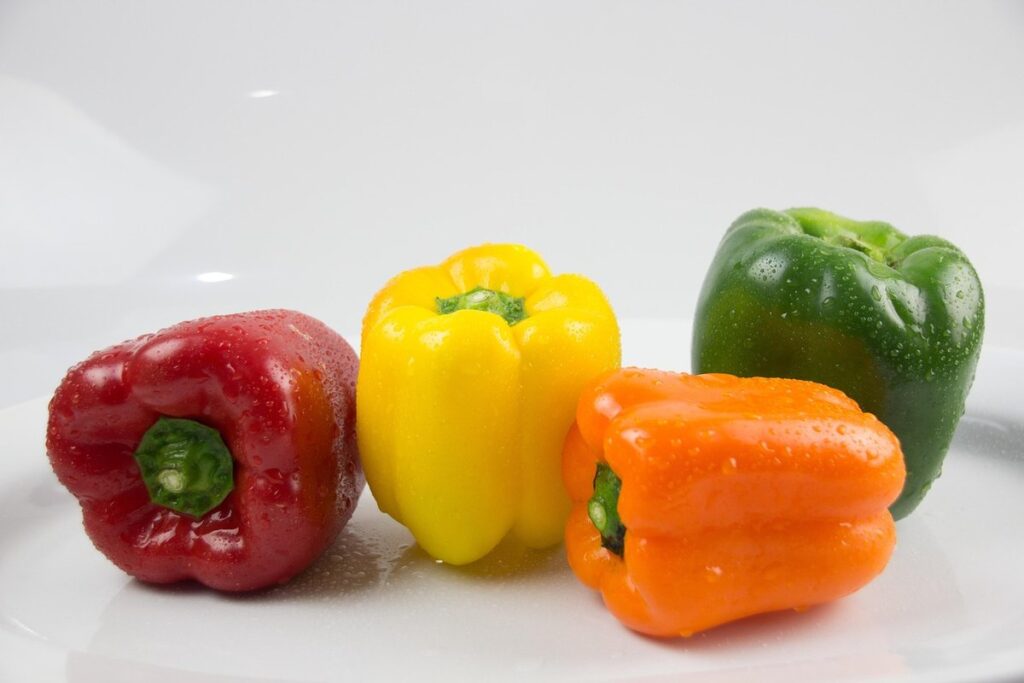
Introduction to the Small Orange Chili Pepper
Let’s get started on our journey through one of the hottest and most versatile peppers out there: the small orange chili pepper. In this introduction, we’ll explore its unique characteristics and uses.
What Are Small Orange Chili Peppers?
The small orange chili pepper originates from South America, specifically the Andean region. It’s a member of the Capsicum annuum species and closely related to other popular chili peppers like bell peppers and jalapenos. The plant itself is compact, growing up to 2-3 feet in height, making it an ideal choice for home gardens or small spaces.
In terms of appearance, the small orange chili pepper has a vibrant, bright orange color with glossy skin. It’s typically cylindrical in shape and around 1-2 inches long. The stem end is slightly indented, giving way to the pointed tip. When mature, the peppers turn from green to their signature orange hue.
Cultivation of these peppers requires well-drained soil and a warm climate with temperatures above 65°F (18°C). They prefer full sun but can tolerate partial shade. Regular watering and fertilization will promote healthy growth, leading to an abundant harvest in about 70-80 days. With proper care, you can enjoy the many uses and benefits of this versatile pepper year-round.
History and Cultural Significance
The small orange chili pepper has been a staple in various cuisines around the world for centuries. Its origins can be traced back to Asia, where it was highly valued not only for its flavor but also for its medicinal properties. In traditional Chinese medicine, the small orange chili pepper is used to treat digestive issues and relieve pain.
In many Asian cultures, this pepper is a key ingredient in various dishes, including stir-fries, curries, and marinades. Its unique flavor profile adds depth and heat to any meal. In addition to its culinary uses, the small orange chili pepper has been used for centuries as a natural remedy for ailments such as arthritis and colds.
Interestingly, this pepper is also used in traditional Indian medicine, known as Ayurveda, where it is believed to have anti-inflammatory properties. Its use extends beyond cooking and medicine; it’s also used as a natural dye due to its vibrant orange color. When using the small orange chili pepper for medicinal purposes, it’s essential to note that proper preparation and dosage are crucial to avoid any adverse reactions.
Growing and Cultivating Small Orange Chili Peppers
Growing small orange chili peppers can be a rewarding experience, allowing you to harvest your own fresh produce and enjoy the benefits of homegrown spices. To get started, let’s dive into the basics of growing and cultivating these tiny yet potent peppers.
Climate and Soil Requirements
Small orange chili peppers thrive in optimal growing conditions that provide a perfect balance of temperature, humidity, and soil quality. When it comes to temperature, they prefer a warm and subtropical climate with average temperatures ranging from 64°F to 75°F (18°C to 24°C). Avoid exposing them to frost or extreme heat above 80°F (27°C), as this can cause damage or reduce yields.
In terms of humidity, small orange chili peppers love moist soil but can tolerate some drought. Aim for a relative humidity between 50% and 70%. Keep in mind that high humidity can lead to fungal diseases, so ensure good air circulation around the plants.
For soil quality, small orange chili peppers prefer well-draining, slightly acidic soil with a pH between 6.0 and 7.0. A mix of compost or manure can provide essential nutrients and improve soil structure. Test your soil regularly and adjust as needed to create an optimal growing environment for your small orange chili pepper plants.
By replicating these conditions, you’ll be well on your way to cultivating a bountiful harvest of delicious small orange chili peppers!
Propagation Methods
To successfully propagate small orange chili pepper plants, you have several effective methods at your disposal. One of the most common and popular methods is seed propagation. This method allows for a wide range of genetic diversity to be introduced into your crop, potentially leading to increased yields or improved resistance to disease.
Start by selecting high-quality seeds from a reputable supplier or saving seeds from last year’s harvest. Sow them about ¼ inch deep in well-draining seed starting mix and maintain temperatures between 75-85°F for optimal germination. Seedlings will emerge within 7-10 days, and once they have two sets of leaves, transplant them into individual pots filled with a balanced potting mix.
Cuttings are another viable propagation method that allows you to quickly multiply your favorite small orange chili pepper varieties. Simply cut 4-6 inch stem sections just above a node using clean scissors or pruning shears, remove lower leaves, and plant the cut ends in well-draining soil.
Uses and Benefits of Small Orange Chili Peppers
These tiny but mighty peppers bring a burst of flavor and heat to various dishes, making them an exciting addition to your culinary repertoire. Let’s explore their uses and benefits in more detail.
Culinary Applications
Small orange chili peppers bring a burst of flavor and heat to various dishes worldwide. They’re an essential ingredient in many cuisines, particularly in Asian, Latin American, and Mediterranean cooking. When it comes to hot sauces and salsas, small orange chili peppers are often the star of the show.
In Korean cuisine, they’re used to make gochujang, a spicy fermented soybean paste that adds depth to marinades and stir-fries. In Mexican dishes like tacos and chiles rellenos, small orange chili peppers add a sweet and smoky flavor. They’re also used in Indian chutneys and Southeast Asian sambals.
If you’re looking to incorporate these peppers into your cooking, start by experimenting with hot sauces and salsas. Simply puree the peppers with some vinegar, garlic, and salt for a flavorful condiment. You can also add them to soups, stews, or braises for an extra kick of heat. For a unique twist, try pairing small orange chili peppers with citrus fruits like oranges or lemons in a marinade or glaze.
Health Benefits
Small orange chili peppers are not only a flavorful addition to various dishes, but they also pack a nutritional punch. One of their most significant health benefits comes from their high vitamin C content. In fact, just one small pepper can provide up to 100% of the recommended daily intake of this essential nutrient. Vitamin C plays a crucial role in immune function and collagen production, making it an excellent addition to any diet.
In addition to its high vitamin C levels, small orange chili peppers are also rich in antioxidants. These powerful compounds help protect cells from damage caused by free radicals, which can lead to chronic diseases such as cancer and heart disease. By incorporating small orange chili peppers into your meals, you can give your body a boost of antioxidant power.
To reap the most health benefits from small orange chili peppers, try adding them to salads, stir-fries, or using them as a marinade for meats. Not only will they add a burst of flavor, but they’ll also provide a nutritious kick that’s hard to beat.
Preparing and Cooking with Small Orange Chili Peppers
When working with small orange chili peppers, it’s essential to prepare them correctly to bring out their full flavor and heat. Learn how to properly chop, slice, and cook with these tiny but mighty peppers.
Safety Precautions
When working with small orange chili peppers, safety precautions are essential to avoid discomfort, skin irritation, and even respiratory issues. The oils present in hot peppers can cause intense burning sensations on the skin, so it’s crucial to take necessary measures.
First and foremost, always wear gloves when handling small orange chili peppers. You can use disposable gloves or opt for a pair of dedicated kitchen gloves that provide excellent grip and protection. This simple step will prevent oil from coming into contact with your skin.
Proper ventilation is also vital when working with hot peppers. Open windows, turn on exhaust fans, or work in a well-ventilated area to minimize exposure to pepper vapors. When chopping or slicing the peppers, avoid inhaling the fumes directly, and instead direct the airflow away from your face.
To clean up spills or splatters, use soap and water immediately, as these oils can bond with skin quickly. Be cautious not to touch your eyes, mouth, or other sensitive areas after handling the peppers.
Remember, a little caution upfront will help you avoid any discomfort later on.
Recipe Ideas
When it comes to showcasing the unique flavor and heat of small orange chili peppers, there are countless recipe ideas to explore. To get you started, consider adding these tiny but mighty peppers to your favorite dishes for an instant boost of flavor.
Here are a few recipes that highlight their versatility:
* Add them to salads like Caprese or spinach salads for a spicy kick.
* Mix with some olive oil and garlic as a marinade for grilled meats or vegetables.
* Use in place of jalapeños or serranos in your favorite salsas or hot sauces.
For a more substantial meal, try these recipes:
* Grilled chicken with roasted small orange chili peppers and onions makes a flavorful main course.
* Stuffed bell peppers with quinoa, black beans, and diced small orange chili peppers are a nutritious and filling option.
* Add them to your favorite stir-fry or noodle dishes for an extra layer of heat.
Remember, the key to working with small orange chili peppers is to use them sparingly – their flavor can quickly overpower other ingredients. So start with small amounts and adjust to taste for maximum impact.
Comparison to Other Types of Chili Peppers
When it comes to choosing a chili pepper, you might be wondering how small orange chilies stack up against other popular varieties. Let’s compare them head-to-head.
Size and Heat Level
When it comes to size and heat level, small orange chili peppers stand out from other popular varieties. For comparison’s sake, let’s look at the jalapeño and habanero, two well-known types of hot peppers.
Jalapeños are generally larger than small orange chili peppers, with a more elongated shape. They’re also milder in heat level, typically scoring between 2,500-8,000 Scoville Heat Units (SHU). In contrast, small orange chili peppers pack a punch at around 10,000-30,000 SHU, making them significantly hotter.
Habaneros, on the other hand, are smaller and more round than small orange chili peppers. However, they’re often much hotter, with an average SHU rating of 100,000-350,000. If you’re looking for a milder heat level, small orange chili peppers might be a better fit. But if you want to add extreme heat to your dishes, habaneros could be the way to go.
Ultimately, the choice between these varieties comes down to personal preference and the desired flavor profile of your dish. Small orange chili peppers offer a unique balance of size, heat, and flavor that’s worth exploring in more detail.
Unique Characteristics
What sets small orange chili peppers apart from other varieties is their unique flavor profile and aroma. These characteristics make them a standout choice for adding depth and heat to various dishes. The distinctive flavor of small orange chili peppers is often described as sweet and smoky, with a subtle tanginess that complements rich flavors.
Their aroma is equally impressive, with a sweet, slightly earthy scent that wafts up when they’re chopped or crushed. This fragrance is particularly noticeable in salsas, marinades, and other sauces where the peppers are finely chopped. When cooking with small orange chili peppers, it’s essential to balance their flavor with acidity, such as citrus juice or vinegar.
To bring out the best in these peppers, try adding them towards the end of a recipe, so their delicate flavors don’t get overwhelmed by other ingredients. You can also use them fresh, roasted, or dried to suit your desired level of heat and flavor intensity. Experimenting with different preparation methods will help you unlock the full potential of small orange chili peppers in your cooking.
Tips for Preserving and Storing Small Orange Chili Peppers
To get the most out of your small orange chili peppers, learn how to preserve them so they remain fresh for a longer period. Here are some effective storage tips and preservation methods to try.
Drying and Dehydrating
Drying small orange chili peppers is an excellent way to preserve them for future use. You can dry them whole, sliced, or even chop them up before drying. To start, preheat your oven to its lowest temperature setting (usually around 150°F). Place the peppers on a baking sheet lined with parchment paper and leave the door slightly ajar to ensure air circulation.
For dehydrating, you’ll need a food dehydrator set between 135-155°F. Dehydrate for 6-8 hours or until the peppers are dry and leathery. Alternatively, you can use your oven’s dehydrate setting if it has one, but be aware that this may not provide even drying.
If you prefer to air-dry, tie the peppers in small bunches and hang them upside down in a warm, dry spot away from direct sunlight. This method takes longer, typically 7-10 days, but yields great results.
Regardless of your chosen method, it’s essential to monitor the peppers’ moisture levels. You can check by cutting into one; if it feels dry and brittle, they’re ready. Store dried peppers in airtight containers to maintain their flavor and potency for up to six months.
Freezing and Pickling
When it comes to preserving small orange chili peppers for future use, freezing and pickling are two excellent methods to maintain their flavor and texture. To freeze them, simply wash, dry, and chop the peppers into desired sizes. Next, place them in a single layer on a baking sheet and put it in the freezer until they’re frozen solid. Then, transfer the frozen peppers to an airtight container or freezer bag for long-term storage.
Pickling is another great way to preserve small orange chili peppers. Slice or chop the peppers and soak them in a brine made from vinegar, salt, and spices. The acidity of the vinegar helps to retain the peppers’ flavor and aroma while adding a tangy taste. You can also add other aromatics like garlic, ginger, or citrus peel to enhance the flavor.
Some popular pickling liquid recipes include using 1:1 ratio of water to white vinegar or combining equal parts water and lime juice for a milder taste. Experiment with different spices and herbs to create unique flavor profiles that suit your taste preferences.
Conclusion: The Versatility of Small Orange Chili Peppers
As we’ve explored the many uses and benefits of small orange chili peppers, let’s now delve into their incredible versatility in various recipes and applications. You’ll see just how these tiny peppers can elevate your cooking game.
Recap of Key Points
In reviewing our discussion on small orange chili peppers, let’s recap some of the key points we’ve covered. This unique pepper variety boasts a distinctive sweet and smoky flavor profile that makes it an excellent addition to various dishes.
One of the most notable characteristics is its versatility in heat levels, ranging from mild to moderately hot. This flexibility allows cooks to experiment with different recipes, adding a depth of flavor without overpowering the dish.
As we explored earlier, small orange chili peppers are not only used as a garnish or added directly to meals but can also be pickled, roasted, or dried for later use. Their compact size makes them perfect for stuffing or using in sauces and marinades.
We’ve also touched on their potential health benefits, including being high in vitamins A and C, potassium, and fiber. With its numerous uses and advantages, it’s no wonder this small pepper is gaining popularity among chefs and home cooks alike.
Future Prospects
As we conclude our exploration of the small orange chili pepper’s versatility, it’s exciting to consider its potential future applications. With their unique flavor and heat profile, these peppers are poised to take center stage in specialty food products.
One promising area is the development of artisanal sauces and condiments. Imagine a small-batch hot sauce made with small orange chili peppers as the primary ingredient. This would not only elevate the flavor but also provide a distinct selling point for chefs and food enthusiasts alike. To get started, you could experiment with combining small orange chili peppers with other complementary ingredients like garlic, lemon juice, or honey.
Another potential use is in craft brewing, where their spicy heat could add depth to IPAs, stouts, or even seltzers. Small orange chili peppers might also find a home in the world of fermented foods, such as kimchi, sauerkraut, or pickles, where their pungency would be welcomed.
To tap into these opportunities, consider partnering with local chefs, food manufacturers, or breweries to explore new recipes and products. By embracing the unique characteristics of small orange chili peppers, we can unlock a world of innovative flavors and applications that will delight palates for years to come.
Frequently Asked Questions
Can I grow small orange chili peppers indoors?
Yes, with proper care and conditions, you can successfully grow small orange chili peppers indoors. This requires a well-ventilated area with temperatures between 65-75°F (18-24°C) and adequate light exposure. Make sure to use a potting mix specifically designed for indoor plants and provide consistent watering.
How do I preserve the health benefits of small orange chili peppers?
To preserve the health benefits of small orange chili peppers, it’s essential to store them properly. Store them in an airtight container in the refrigerator to maintain their potency. You can also freeze or dehydrate them for longer storage periods. When preserving, ensure that you use a clean and dry environment to prevent contamination.
Can I substitute small orange chili peppers with other types of peppers?
While small orange chili peppers have unique characteristics, you can experiment with substituting them in recipes with similar hot pepper varieties. However, keep in mind that their heat level and flavor profile may differ significantly from the original pepper. Start by using a smaller amount and adjust to taste.
How do I handle the spicy seeds of small orange chili peppers?
When handling small orange chili peppers, especially when preparing for cooking or preservation, be cautious of the seeds’ intense heat. To avoid irritation, wear gloves while working with the peppers and seeds. You can also soak the seeds in water for a few minutes to reduce their potency.
Can I use small orange chili peppers in non-spicy dishes?
Yes, you can use small orange chili peppers in non-spicy dishes to add flavor without heat. Simply remove the seeds and membranes, which contain most of the capsaicin, or blend them into sauces and marinades to minimize their spiciness. The pepper’s sweet and slightly smoky flavor will still shine through, enhancing your dish without adding excessive heat.