
If you’re anything like me, you’ve probably gazed longingly at those gorgeous tropical flowers in your neighbor’s garden, wondering how to grow them yourself. But have you ever stopped to appreciate the passionfruit flower? Not only is it a stunning addition to any garden, but its uses extend far beyond just being a pretty face – from delectable desserts and exotic cocktails to natural remedies and craft projects, this tiny bloom packs a punch.
In this article, we’ll delve into the fascinating world of passionfruit flowers, exploring their unique characteristics, culinary applications, medicinal benefits, and of course, how to successfully cultivate them in your tropical garden. Whether you’re an avid gardener or just starting out, I invite you to join me on this journey as we uncover the wonders of the passionfruit flower – a true gem of the tropics!
Introduction to Passionfruit Flowers
Let’s start by learning more about the passionflower itself, and what makes it such an iconic part of tropical beauty. We’ll explore its unique characteristics up close.
What is a Passionfruit Flower?
The passionfruit plant is a unique and fascinating specimen that originates from the tropical regions of Central and South America. It belongs to the Passifloraceae family, which comprises over 550 species, making it a part of the larger passiflora genus. This classification makes sense when considering the intricate and symmetrical structure of its flowers.
Passionfruit plants are climbing vines that thrive in warm, humid climates with well-draining soil. They have large, ovate leaves that are dark green on top and light green on the bottom, providing a striking contrast to their surroundings. When it comes to its origin, the passionfruit plant has been naturalized in many parts of the world, including Australia, Hawaii, and parts of Southeast Asia.
One thing is certain: the exotic charm of the passionfruit plant makes it a standout in any garden or landscape design. Its unique appearance not only adds an air of sophistication but also attracts pollinators like bees, butterflies, and hummingbirds.
Importance of Passionfruit Flowers in Tropical Regions
In tropical regions, passionfruit flowers play a vital role in maintaining the delicate balance of ecosystems. These exquisite blooms are not only breathtakingly beautiful but also serve as a magnet for pollinators, thereby ensuring the reproduction and propagation of passionfruit plants.
Passionfruit flowers attract an array of pollinators, including bees, butterflies, moths, and even hummingbirds. The intricate design and fragrance of these flowers make them particularly appealing to these creatures, which in turn facilitate the transfer of pollen between plants. This process is crucial for the production of passionfruit fruits, making passionfruit flowers indirectly responsible for the fruit’s abundance.
The role of passionfruit flowers in tropical ecosystems extends beyond pollination. They also provide a vital source of nectar and energy for pollinators during periods of scarcity. By incorporating passionfruit plants into their surroundings, gardeners can create oases that support local wildlife, contributing to the overall biodiversity of the region.
To fully appreciate the significance of passionfruit flowers in tropical ecosystems, observe these plants in their natural habitat or cultivate them in your own garden.
Identifying and Describing Passionfruit Flowers
Let’s take a closer look at identifying passionfruit flowers, which can be quite similar to other types of flowers, making it essential to know what to look for.
Physical Characteristics of Passionfruit Flowers
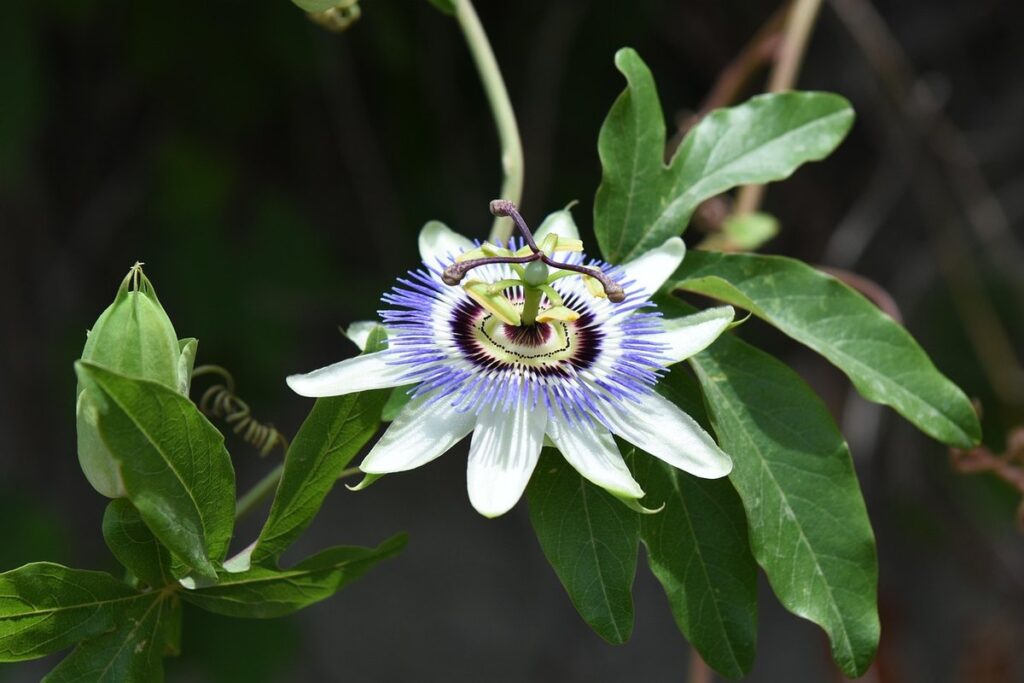
Passionfruit flowers are truly one-of-a-kind, boasting a unique appearance that’s as fascinating as it is beautiful. One of the most striking features of these flowers is their vibrant colors, which range from deep purple and blue to pale yellow and white. The petals themselves are intricately arranged in a spiral pattern around the center of the flower, giving it a delicate, almost ethereal quality.
In terms of shape and size, passionfruit flowers can vary quite a bit. Some varieties have large, showy blooms that resemble a cross between a rose and an orchid, while others are smaller and more delicate. Typically, the blooms are around 4-6 inches in diameter, although some cultivars can reach sizes of up to 8 inches or more.
When it comes to arrangement, passionfruit flowers often grow in clusters on long stems, adding to their ornamental appeal. Whether you’re growing these flowers for their beauty alone or to attract pollinators and add a touch of tropical flair to your garden, understanding their physical characteristics can help you make the most of their unique charms.
Fragrance and Scent of Passionfruit Flowers
Passionfruit flowers have a distinct and alluring fragrance that plays a crucial role in attracting pollinators. This sweet and heady scent is often described as tropical and floral, with hints of citrus and green notes. As you gently brush against the petals or inhale deeply, you’ll be greeted by this intoxicating aroma.
The unique fragrance of passionfruit flowers serves multiple purposes. Firstly, it acts as a signal to pollinators such as bees, butterflies, and hummingbirds that these flowers are ripe for the taking. The scent is particularly attractive to nocturnal pollinators like moths, which are drawn to the flower’s intense fragrance.
If you’re growing passionfruit at home, you can encourage more pollination by planting a variety of flowers with different scents in your garden. This will attract a broader range of pollinators and increase the chances of successful cross-pollination. Additionally, avoid using strong-smelling pesticides or chemicals near your passionfruit plants, as these can interfere with the plant’s natural scent and deter pollinators.
Growing and Cultivating Passionfruit Flowers
To coax vibrant passionflower blooms from your plants, learn how to provide them with the right conditions for growth and what specific care tips will make a big difference in flower production.
Ideal Conditions for Growing Passionfruit Plants
When it comes to growing passionfruit plants, understanding the ideal conditions is crucial for their optimal growth and fruit production. Passionfruit plants thrive in warm and subtropical climates, with temperatures ranging from 64°F (18°C) to 90°F (32°C). They are sensitive to frost, so if you live in an area prone to freezing temperatures, it’s best to grow them in containers that can be moved indoors during winter.
In terms of sunlight, passionfruit plants require full sun to partial shade. Direct sunlight for at least six hours a day is ideal, but they can tolerate some shade as well. When choosing a location for your passionfruit plant, make sure it receives good air circulation to prevent fungal diseases.
The soil should be rich in organic matter and have a pH between 5.5 and 6.5. Avoid using alkaline soils, as they can affect the plant’s nutrient uptake. To create an ideal growing environment, add compost or well-rotted manure to improve soil fertility and drainage.
Common Pests and Diseases Affecting Passionfruit Plants
Passionfruit plants are susceptible to various pests and diseases that can impact their growth and productivity. One of the most common issues is the passionfruit beetle, a small insect that feeds on the plant’s leaves and flowers. To manage this pest, use sticky traps or neem oil spray to control infestations.
Another issue affecting passionfruit plants is fungal diseases like powdery mildew and root rot. These can be caused by overwatering, poor air circulation, or high humidity. Prevent these conditions by providing good air circulation around the plant, using well-draining soil, and watering only when necessary.
Aphids, whiteflies, and mealybugs are other pests that may infest passionfruit plants. To control these, use insecticidal soap or horticultural oil to suffocate the insects. Regularly inspect your plants for signs of pest activity, such as sticky honeydew droplets or distorted leaves.
In addition to managing pests, it’s essential to maintain good sanitation practices around your passionfruit plant. Remove any infected or infested fruit or leaves to prevent the spread of disease. By taking proactive measures and monitoring your plants regularly, you can minimize the impact of these common issues and ensure a healthy and thriving passionfruit plant.
Nutrition and Health Benefits of Passionfruit Flowers
Passionfruit flowers are not just a pretty sight, but also packed with nutrients that can boost your health. Let’s dive into some surprising benefits you’ll want to know about.
Passionflower Tea: A Herbal Remedy
Passionflower tea has been a staple in traditional medicine for centuries, and its potential health benefits are backed by science. The tea is made from the leaves and flowers of the passionflower plant, which contains flavonoids, alkaloids, and other bioactive compounds that provide medicinal properties. These compounds have anti-inflammatory, antioxidant, and antispasmodic effects, making passionflower tea a natural remedy for various health issues.
One of the primary uses of passionflower tea is to alleviate anxiety and insomnia. The tea has been shown to reduce stress levels by promoting relaxation and calming the nervous system. Studies also suggest that it can help lower blood pressure and improve sleep quality. Additionally, passionflower tea has been traditionally used to treat seizures, muscle spasms, and even menstrual cramps.
To make passionflower tea, steep 1-2 teaspoons of dried leaves and flowers in boiling water for 5-7 minutes. You can also add honey or lemon to taste. While it’s essential to consult with a healthcare professional before using passionflower tea as a treatment, its potential benefits make it an exciting area of research and exploration.
Other Edible Parts of the Passionfruit Plant
In addition to the flowers, other parts of the passionfruit plant are also edible and packed with nutrients. The leaves, for instance, can be used in teas, soups, and salads. They have a slightly bitter taste but are rich in antioxidants, vitamins A and C, and potassium. To prepare passionfruit leaves, simply wash them thoroughly and chop them into small pieces. You can then add them to your favorite recipes or blend them into a soothing tea.
The fruit itself is also edible and bursting with flavor. Passionfruits have a sweet and slightly tart taste, making them perfect for snacking, baking, and cooking. The pulp of the fruit can be scooped out with a spoon and eaten raw, while the seeds can be used as a garnish or added to desserts. To get the most out of your passionfruit, try using it in smoothies, juices, and sauces.
In many tropical cultures, passionfruits are considered a delicacy and are consumed fresh, dried, or preserved in jams and preserves. Experiment with different recipes and find ways to incorporate more passionfruit into your diet for added nutrition and flavor.
Using Passionfruit Flowers in Cooking and Crafts
You can use passionfruit flowers in a variety of creative ways, from adding them to salads and desserts to crafting beautiful floral arrangements. We’ll explore some unique ideas together!
Unique Uses for Passionfruit Flowers in Baking and Cooking
When it comes to passionfruit flowers, most people think of using only the fruit itself. However, these delicate blooms have a multitude of uses in baking and cooking that go beyond just garnishes. In fact, passionfruit flowers are edible and can be used to add unique flavors and textures to both sweet and savory dishes.
One creative way to incorporate passionfruit flowers into desserts is by making a passionflower-infused sugar. Simply dry the flowers, then mix them with granulated sugar in a ratio of 1:4 (flower to sugar). This sugar is perfect for sprinkling over cakes, cookies, or even using as a topping for yogurt or ice cream.
Passionfruit flowers can also be used in savory dishes like curries and stews. Simply chop the flowers finely and add them towards the end of cooking time to preserve their delicate flavor. Alternatively, use passionflower-infused oil by steeping the flowers in neutral-tasting oil for a few hours. This infused oil is perfect for drizzling over roasted meats or vegetables.
Experiment with passionfruit flowers in your baking and cooking to unlock new flavors and textures!
DIY Projects using Passionfruit Flowers
Transforming passionfruit flowers into stunning DIY projects is easier than you think. These delicate blooms can be used to create beautiful floral arrangements that add a tropical touch to any room. Simply cut the stems of the passionfruit flowers, and combine them with other blooms like roses or baby’s breath to create a breathtaking arrangement.
For a more rustic look, try mixing passionfruit flowers with greenery like eucalyptus or ferns in a vase. You can also use them as a base for potpourri blends by combining the dried flowers with other fragrant ingredients like essential oils and spices.
To make your own potpourri, start by drying the passionfruit flowers completely, either air-drying them or using a food dehydrator. Then, mix 1/2 cup of dried flowers with 1 tablespoon of citrus zest and 10 drops of your favorite essential oil in a small bowl. Stir well to combine, and transfer the mixture to a decorative jar or container.
This unique potpourri blend will not only add fragrance to your space but also provide a subtle pop of color and texture.
History and Cultural Significance of Passionfruit Flowers
Passionfruit flowers have been a part of many cultures for centuries, holding deep symbolic meanings and spiritual significance that we’re excited to delve into together. From their association with love and fertility to their role in traditional rituals, let’s explore the rich history behind these stunning blooms.
Symbolism and Associations with Passionflower
Passionflowers have been imbued with rich symbolism across various cultures and traditions. In many South American countries, the flower is associated with the Sacred Heart of Jesus, representing love, compassion, and sacrifice. It’s also a symbol of devotion and spirituality, often featured in Catholic art and literature.
In some Native American cultures, passionflower is linked to the feminine principle, embodying qualities like receptivity, nurturing, and creativity. Conversely, it’s also seen as a male energy, associated with spiritual growth, introspection, and healing.
The symbolism surrounding passionflowers extends to its use in herbal medicine, where it’s valued for its calming effects on the nervous system. Its association with sleep, relaxation, and inner peace is rooted in ancient practices that still influence contemporary wellness routines.
When working with passionflower symbolism, consider embracing its essence as a representation of your own growth journey. You can explore this by reflecting on areas where you need to cultivate self-love, compassion, or spiritual awareness. By tapping into the passionflower’s symbolic language, you may discover new ways to nurture your inner world and connect with others.
Historical Use of Passionfruit Flowers in Medicine and Rituals
In ancient cultures, passionflower was revered for its medicinal properties and spiritual significance. In traditional medicine, passionfruit flowers were used to treat anxiety, insomnia, and seizures. The indigenous people of South America would infuse the flowers in water to create a calming tea that promoted relaxation and reduced stress levels. This herbal remedy is still used today by some communities.
The plant’s spiritual significance is deeply rooted in its ritualistic use. In many cultures, passionflower was associated with the goddess of fertility and protection. During ceremonies, women would adorn themselves with garlands made from the flowers to invoke her blessings for fertile land and abundant harvests. The delicate beauty of the flower also symbolized the connection between the divine and human realms.
In modern times, we can still tap into these ancient traditions by incorporating passionflower into our daily rituals. You can create your own herbal tea using dried or fresh flowers, or use them as a decorative element in your home altar. By embracing the symbolic meaning behind this sacred bloom, you can cultivate a deeper sense of connection to nature and its rhythms.
Conclusion: Appreciating the Beauty of Passionfruit Flowers
Now that we’ve explored the intricacies of passionfruit flowers, let’s appreciate their beauty and significance, making them a true marvel of nature.
Recap of Key Points
In conclusion, we’ve taken a deep dive into the fascinating world of passionfruit flowers. Let’s recap some key points that highlight their beauty and secrets.
Passionfruit flowers are a natural wonder, boasting intricate and exotic designs that make them a standout among other tropical blooms. Their unique appearance is not only aesthetically pleasing but also plays a crucial role in attracting pollinators like bees and butterflies. We explored the importance of these tiny flowers in pollination, highlighting their significance in maintaining ecosystem balance.
We’ve also discussed how to cultivate passionfruit flowers, including tips on choosing the right variety, providing optimal growing conditions, and pruning techniques for optimal blooming. By following these steps, readers can successfully grow their own passionfruit plants and appreciate the beauty of these stunning flowers firsthand.
In addition, we touched on the medicinal properties of passionfruit flowers, which have been used in traditional remedies for centuries to treat various health issues. This further emphasizes the multifaceted nature of these remarkable flowers, showcasing both their natural allure and potential benefits for our well-being.
Final Thoughts on the Significance of Passionfruit Flowers
As we come to the end of our journey exploring the amazing passionfruit flower, it’s essential to reflect on its significance and potential uses. In tropical ecosystems, passionfruit flowers play a vital role as a food source for various pollinators like bees and butterflies, which in turn contribute to the overall health of these environments.
Beyond their ecological importance, passionfruit flowers also hold promise for human benefit. For instance, the flower’s extract has been shown to exhibit anti-inflammatory properties, making it a potential natural remedy for certain health issues. Moreover, its unique shape and color make it an attractive ingredient in floral arrangements and decorations, adding a touch of tropical charm to any setting.
If you’re interested in cultivating passionfruit flowers or incorporating them into your daily life, consider the following tips: look for locally sourced plants to support the local economy, harvest the flowers during their peak blooming season for optimal fragrance and color, and experiment with different ways of using the flower’s extract in cooking and wellness routines. By embracing the beauty and potential of passionfruit flowers, we can not only appreciate their significance but also harness their benefits for a more sustainable and harmonious coexistence with nature.
Frequently Asked Questions
How to Use Passionfruit Flowers in Cooking?
You can use passionfruit flowers as a garnish or ingredient in various desserts, such as sorbet, ice cream, or cakes. Simply remove the pistils and stamens from the flower, rinse it gently with water, and pat dry before using. This adds an exotic flavor and fragrance to your dishes.
Can I Use Passionfruit Flowers for Skincare?
Yes! Passionflower extracts have anti-inflammatory and antimicrobial properties, making them suitable for skincare products. You can use them as a face mask or add them to your bathwater for a relaxing soak. However, ensure you dilute the extract with a carrier oil or water before applying it to avoid irritation.
How to Identify Pest Issues in Passionfruit Plants?
Common pests affecting passionfruit plants include mealybugs, aphids, and spider mites. Regularly inspect your plants for signs of infestation, such as white cottony patches, sticky honeydew, or yellowing leaves. Use neem oil or insecticidal soap to control the pest population.
Can I Grow Passionfruit Plants in Pots?
Yes! Passionfruit plants can thrive in containers, provided they receive sufficient sunlight and support. Choose a large container with good drainage, use a well-draining potting mix, and water regularly. Prune your plant to maintain its shape and promote fruiting.
Are There Any Medicinal Uses for Passionflower Tea?
Passionflower tea has been traditionally used to treat anxiety, insomnia, and restlessness. However, consult with a healthcare professional before using it as a remedy, especially if you’re taking any medications or have underlying health conditions.