
Mint is one of those plants that can quickly take over your garden or container, either by being a welcome addition to your tea blends or an unwelcome invasive guest. If you’re reading this, chances are you’ve experienced mint’s enthusiasm firsthand and want to learn how to contain its spread while still enjoying its benefits. Growing mint can be a rewarding experience, but it requires some care and attention to ensure it doesn’t become too vigorous.
In this comprehensive guide, we’ll cover everything from selecting the right variety for your needs to understanding its basic care requirements. We’ll also explore various methods of propagation, so you can easily share your favorite mint plants with friends or propagate new ones for your own use. Whether you’re a seasoned gardener or just starting out, this article will provide you with the knowledge and tips needed to grow and contain mint successfully in any garden or container setting.
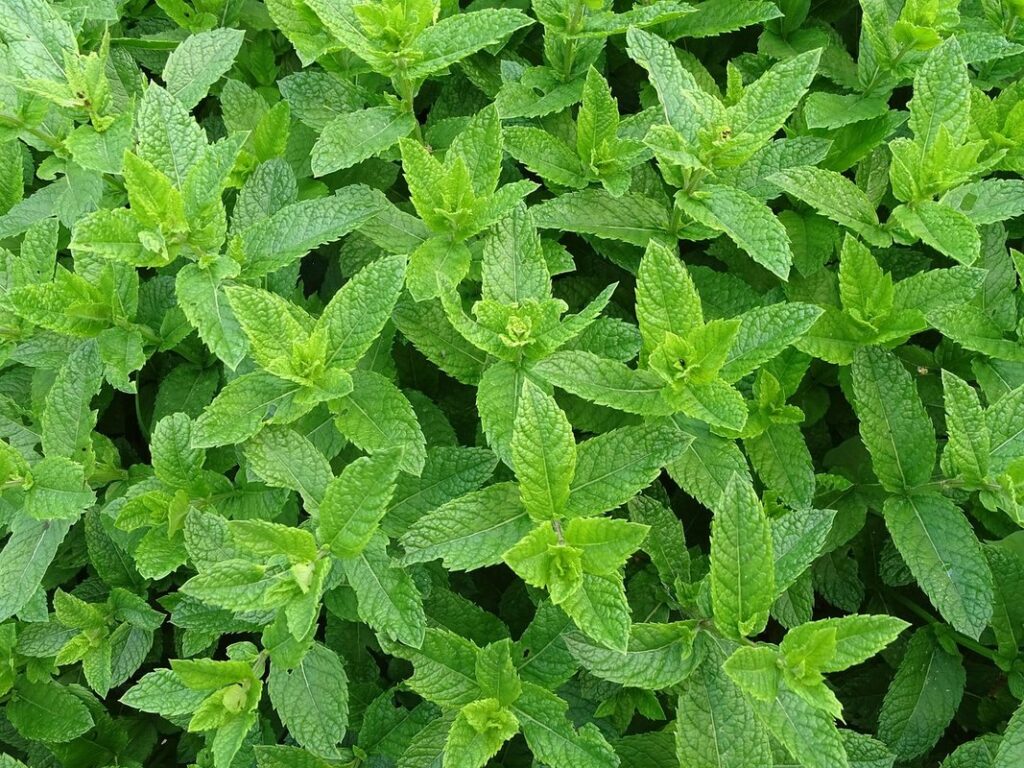
Choosing the Right Mint Variety
With so many mint varieties to choose from, selecting the right one for your garden can be overwhelming. Let’s break down the key factors to consider when choosing a mint variety that suits your needs and preferences.
Selecting Hardy vs. Non-Hardy Mints
When it comes to selecting the right mint variety for your garden or indoor space, one of the most important decisions is whether to choose hardy or non-hardy mint. Hardy mints, such as peppermint and spearmint, are known for their robust growth habits and ability to thrive in a range of conditions. They tend to spread quickly and can become invasive if not contained, but they’re also relatively low-maintenance and can tolerate some neglect.
On the other hand, non-hardy mints like chocolate mint require more TLC and prefer cooler temperatures. They may need to be brought indoors during the winter months or protected from frost, which can limit their growing season.
If you live in an area with mild winters, hardy mints might be a better choice for you. However, if you’re looking for a more compact variety that won’t take over your garden, non-hardy mints could be the way to go. Consider your climate, available space, and personal preferences when deciding between these two options.
Some key differences to keep in mind:
* Hardy mints: more aggressive growth habit, can tolerate some neglect
* Non-hardy mints: prefer cooler temperatures, may require protection from frost
* Hardy mints: suitable for a range of conditions, including full sun and partial shade
* Non-hardy mints: thrive in partial shade and moist soil
Keep these characteristics in mind when selecting the perfect mint variety for your needs.
Popular Types of Mint for Growing
Mint is one of the most versatile and sought-after herbs for home gardens and containers. With numerous varieties to choose from, each with its unique characteristics and uses, selecting the right type can be a daunting task. Fortunately, some mint types are more popular and suitable for home cultivation than others.
Peppermint (Mentha x piperita) is one of the most widely cultivated mint varieties, prized for its cooling effects and refreshing flavor. Spearmint (Mentha spicata), on the other hand, has a milder taste and fragrance, making it an excellent choice for cooking and teas.
Other popular types of mint suitable for home gardens or containers include chocolate mint (Mentha x piperita f. citrata ‘Chocolate’), known for its distinctive chocolate-like aroma and flavor; pineapple mint (Mentha suaveolens), with its fruity, tropical twist; and ginger mint (Mentha x gracilis), boasting a spicy and invigorating taste.
When choosing a mint type for your garden or container, consider the space you have available, climate conditions, and intended use. Some mint varieties spread more aggressively than others, so be sure to contain them properly to prevent overgrowth.
Planting and Care Requirements
To successfully grow and contain mint, understanding its specific planting and care requirements is essential. This includes tips on soil preparation, watering schedules, and pruning techniques to keep your mint plants thriving.
Soil Preparation and pH Levels
When it comes to growing mint, soil preparation is just as crucial as providing adequate light and water. Mint thrives in well-draining soil with a pH range of 6.0-7.0. This means that if your garden’s natural soil has a high acidity or alkalinity level, you’ll need to adjust the pH accordingly.
In terms of nutrient requirements, mint loves rich soil with plenty of organic matter. Add compost or well-rotted manure to enrich the soil and promote healthy growth. However, be cautious not to over-fertilize, as this can lead to weak and leggy stems.
Some common contaminants to watch out for in your garden’s soil include heavy metals, pesticides, and other pollutants. These can harm mint plants and even contaminate nearby water sources. To ensure a safe growing environment, test your soil periodically and take corrective measures if necessary. This might involve removing contaminated soil or using specialized filters to clean the water.
To get started with soil preparation, mix 2-3 inches of compost into the top 6-8 inches of soil before planting mint. This will provide the necessary nutrients for a healthy start.
Watering and Moisture Needs
Proper watering and moisture management are crucial for maintaining healthy mint plants. Mint prefers well-draining soil and consistent moisture levels. Overwatering can lead to root rot, while underwatering causes the leaves to become brittle and discolored.
Check your mint plant regularly for signs of overwatering or underwatering. Look for yellowing leaves, soft stems, or water pooling around the base of the plant – these are indicators that you’re providing too much moisture. On the other hand, if the soil feels dry to the touch and the leaves are wilted, it’s likely time to water.
To maintain optimal moisture levels, water your mint plant when the top inch of soil feels dry to the touch. Avoid getting water on the leaves or crown of the plant, as this can lead to rot and disease. Instead, water at the base, allowing the soil to absorb the moisture. This will help prevent overwatering issues while still keeping your mint plant hydrated.
Containing Mint in Gardens and Containers
When it comes to growing mint, containment is just as important as cultivation. In this section, we’ll explore how to keep your mint plants under control in gardens and containers.
Using Planters and Pots for Mint
When it comes to containing mint in planters and pots, selecting the right vessel is crucial for its growth and health. The size of the planter or pot is an essential consideration, as mint can spread rapidly and needs room to grow. A minimum depth of 6-8 inches is recommended to accommodate the plant’s extensive root system.
Choose a material that allows for good drainage, such as terracotta or ceramic pots with holes in the bottom. These types of materials also provide excellent aeration, which helps prevent waterlogged soil and root rot. Avoid using metal or plastic containers, as they can retain moisture and cause damage to the roots.
Another consideration is the shape and design of the planter. A pot with multiple compartments or divisions can help contain mint’s invasive growth by separating it from other plants. Consider a self-watering planter that reduces the need for frequent watering, making it perfect for busy gardeners or those who tend to forget to water their mint regularly.
Companion Planting with Mint
Companion planting with mint is a popular practice among gardeners, but it’s essential to understand its effects on nearby plants. Mint can be both beneficial and detrimental, depending on the type of plant it’s paired with.
When used as a companion plant, mint can improve growth and flavor in certain herbs like basil and rosemary. It repels pests that target these plants, such as aphids and spider mites. For instance, pairing mint with tomatoes can help reduce the risk of nematode infestations. However, mint can also overpower or inhibit the growth of more delicate plants like lettuce, spinach, and carrots.
Some potential drawbacks to consider when companion planting with mint include its aggressive spreading habit and potential to outcompete neighboring plants for water and nutrients. To minimize these risks, it’s recommended to contain mint in a separate pot or use a physical barrier to keep it from spreading. By choosing the right companions and taking steps to control mint’s spread, you can reap the benefits of companion planting while maintaining a balanced garden ecosystem.
Propagation Methods for Mint
Whether you’re starting from seed, taking cuttings, or dividing established plants, propagating mint is a relatively simple process to learn and master. Let’s dive into the details of each method!
Division and Transplanting
When it’s time to propagate new mint plants, division and transplanting established roots are two effective methods to consider. Division involves separating mature mint roots into individual sections, each with its own set of leaves and root system. To do this, carefully dig up the entire plant, gently wash away excess soil, and separate the roots using a sharp knife or pruning tool. Make sure each section has at least one “eye” or node, from which new growth will emerge.
Transplanting established roots is another option for propagating mint. This method involves digging up mature plants and replanting them in a new location with fresh soil. To ensure success, choose healthy plants with a robust root system and divide the roots just before planting to encourage new growth. Keep in mind that transplant shock can occur when moving established roots, so provide optimal growing conditions, including plenty of water and nutrients.
When dividing or transplanting mint, it’s essential to handle the roots gently to avoid damaging them. This will help prevent stress on the plant and promote healthy establishment in its new location.
Leaf Cuttings and Stem Cuttings
When it comes to propagating mint using leaf cuttings and stem cuttings, you’ll be pleased to know that both methods are relatively easy and require minimal equipment. For leaf cuttings, simply snip off a healthy pair of leaves from the mother plant, making sure each leaf has at least one node (where the leaf meets the stem). Dip the cut end into rooting hormone powder or liquid to encourage root growth, then place the cutting in a glass of water or a propagation tray filled with moistened potting mix. Keep the environment humid and warm, and roots should develop within 1-2 weeks.
For stem cuttings, choose a section of stem about 3-4 inches long, just above a node. Remove lower leaves to prevent them from drowning in water, then dip the cut end into rooting hormone as with leaf cuttings. Place the cutting in a glass of water or propagation tray, and maintain a consistent temperature between 65°F to 75°F (18°C to 24°C). Keep the soil consistently moist but not waterlogged, and roots should develop within 2-3 weeks. With proper care, both methods can yield healthy new mint plants, perfect for containment in pots or direct planting in garden beds.
Troubleshooting Common Mint Issues
If you’re experiencing problems with your mint plants, such as overgrowth or pests, don’t worry – we’ve got solutions to get them back on track. This section addresses common issues and provides troubleshooting tips.
Pests and Diseases Affecting Mint
Mint plants are susceptible to various pests and diseases that can significantly impact their growth and health. Among the common pests affecting mint are aphids, which can cause curled leaves and stunted growth by sucking sap from the plant. Spider mites, on the other hand, feed on the plant’s sap, causing yellowing or bronzing of leaves.
Preventing these pests is key to maintaining a healthy mint garden. Regularly inspect your plants for signs of infestation, such as sticky residue or webs. Use neem oil or insecticidal soap to control aphid populations and spray thoroughly until runoff occurs. For spider mites, introduce natural predators like ladybugs or lacewings, which feed on the pests.
Common diseases affecting mint include root rot, caused by overwatering and resulting in yellowed leaves and soft stems. Powdery mildew, a fungal disease that appears as white powdery patches on leaves, can be prevented by providing good air circulation and ensuring plants receive adequate sunlight. To treat these issues, remove affected areas and improve drainage to prevent further root rot, or apply fungicides according to product instructions for powdery mildew.
Nutrient Deficiencies in Mint
Identifying nutrient deficiencies in mint plants is crucial to their health and productivity. Look for symptoms such as yellowing leaves, stunted growth, or reduced leaf density. These issues can be caused by inadequate soil fertility, poor drainage, or excessive watering.
Common nutrient deficiencies in mint include nitrogen, iron, magnesium, and manganese. Nitrogen deficiency leads to pale or yellowish leaves, while iron deficiency causes interveinal chlorosis. Magnesium and manganese deficiencies result in stunted growth and reduced leaf size.
To address these issues, test your soil pH and adjust it if necessary. Mint prefers slightly acidic to neutral soils (pH 6-7). Add organic matter like compost or well-rotted manure to improve soil fertility. You can also use balanced fertilizers specifically designed for herbs like mint.
Regular monitoring of your plants’ health will help you catch nutrient deficiencies early on. Check the leaves regularly and look out for signs of stress, such as curling or drooping. With proper care and attention, you can prevent nutrient deficiencies in your mint plants and enjoy a bountiful harvest.
Harvesting and Using Fresh Mint
Now that you have a lush mint plant, it’s time to enjoy its fresh flavor and aroma. In this section, we’ll walk you through harvesting and using your mint for various culinary delights.
Timing and Frequency of Harvests
When it comes to harvesting fresh mint leaves, timing and frequency are crucial for optimal flavor and aroma. You should harvest your mint regularly to encourage bushy growth and prevent flowering. The ideal time to harvest is in the morning, after the dew has dried but before the heat of the day. This will help you avoid bruising the delicate leaves.
For container-grown mint, harvest individual sprigs or pinch off the top sets of leaves to promote branching and prevent the plant from flowering. For larger quantities, you can cut back the entire stem about an inch above the node. Make sure to leave at least a third of the foliage intact to allow for continued growth. As a general rule, aim to harvest your mint every 7-10 days during the growing season, which is typically May to September in most regions.
Over-harvesting can be detrimental to your plant’s health, so monitor its growth and adjust your harvesting schedule accordingly. With regular pruning, you’ll be able to enjoy a steady supply of fresh, fragrant mint leaves throughout the summer months.
Preserving and Storing Mint
When it comes to using fresh mint for an extended period, preserving and storing it properly is crucial. Drying is a great way to preserve mint’s flavor and aroma. You can air-dry the leaves by tying them in small bunches or use a food dehydrator on a low temperature setting (95°F – 105°F). This method helps retain the essential oils, which are responsible for its distinct taste.
Freezing is another effective method for preserving fresh mint. Chop the leaves finely and place them in airtight containers or freezer bags, making sure to remove as much air as possible before sealing. Frozen mint can be used in cocktails, smoothies, or desserts. For pickling, combine chopped mint with vinegar, sugar, salt, and sometimes lemon juice for a tangy, crunchy snack.
To make the most of your preserved mint, use it within six months to ensure maximum flavor retention. Always store dried or frozen mint in a cool, dark place to preserve its aroma and flavor. By following these simple preservation techniques, you’ll be able to enjoy fresh-tasting mint throughout the year, even when your plants are dormant.
Frequently Asked Questions
Can I use a combination of hardy and non-hardy mint varieties together?
Yes, it’s possible to grow multiple types of mint together, but be aware that hardy mints can outcompete less vigorous varieties. Consider planting companion plants to help control the spread or using planters with separate sections for each type.
How often should I harvest my mint leaves to prevent overgrowth?
Mint is at its most potent when it’s actively growing, so harvest your leaves regularly (every 1-2 weeks) to encourage new growth and prevent it from becoming too woody. Pinching off flower buds will also help direct the plant’s energy towards leaf production.
What are some common mistakes beginners make when growing mint in containers?
Beginners often overlook providing sufficient drainage, which can lead to root rot and other issues. Make sure your container has good drainage holes and use a well-draining potting mix specifically designed for mint.
Can I grow mint indoors year-round if I provide enough light?
Yes, with sufficient light (at least 4-6 hours of direct sunlight or 12+ hours of indirect sunlight), you can grow mint indoors year-round. Keep in mind that indoor conditions might require more frequent watering and monitoring to prevent overgrowth.
How do I propagate mint using leaf cuttings if I don’t have a greenhouse?
Propagating mint through leaf cuttings is relatively easy. Take a healthy stem with leaves attached, remove lower leaves, and plant the cutting about 1-2 inches deep in moistened potting mix. Keep the soil consistently moist but not waterlogged until roots develop (usually within 7-10 days).