
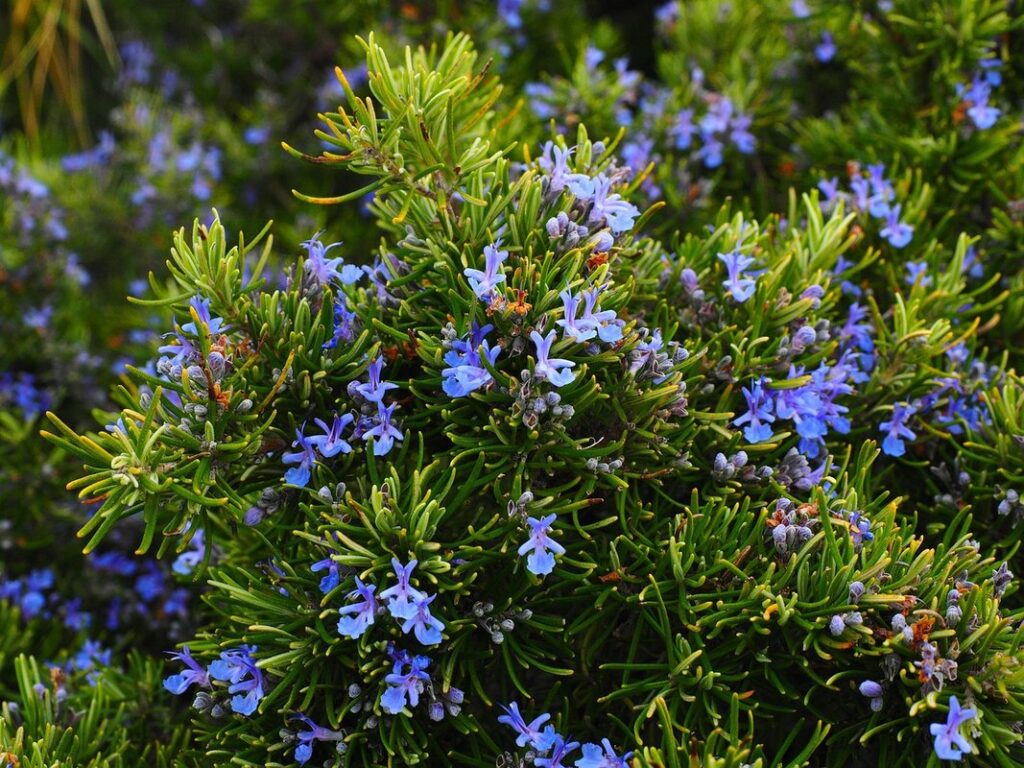
Are you ready to unlock the secrets of one of nature’s most versatile and fascinating herbs? Rosemary, with its piney scent and delicate blue flowers, has been prized for centuries not only for its medicinal properties but also for its incredible culinary uses and ornamental value. Whether you’re a seasoned gardener or just starting out, this hardy herb is an excellent addition to any garden, kitchen, or home. But rosemary’s benefits go far beyond its fresh flavor and fragrance – it has been used for centuries in traditional medicine to boost memory, improve digestion, and even reduce stress. In this comprehensive guide, we’ll explore the many uses of rosemary plants, from growing and caring for them in your garden to harnessing their medicinal properties and incorporating them into your cooking.
Benefits of Growing Rosemary
Growing rosemary is more than just a hobby, it offers a wide range of benefits that can enhance your cooking, health, and home environment in numerous ways.
Medicinal Properties of Rosemary
Rosemary has been used for centuries not only as a culinary herb but also for its numerous medicinal properties. Research suggests that rosemary contains high levels of antioxidants, which can help protect against cell damage and reduce inflammation in the body. This makes it an excellent addition to a healthy diet.
In addition to its antioxidant properties, rosemary may also have cognitive-boosting effects. Studies have shown that the essential oils present in rosemary can improve memory and concentration by increasing blood flow to the brain. This is particularly beneficial for individuals who are looking to improve their mental performance or alleviate symptoms of anxiety and depression.
The anti-inflammatory properties of rosemary make it a promising natural remedy for conditions such as arthritis, where inflammation plays a significant role. Rosemary’s oil can be used topically to reduce pain and swelling, while also providing relief from menstrual cramps.
You can incorporate rosemary into your daily routine by making tea from its leaves or using its essential oil in cooking and aromatherapy. When choosing rosemary for medicinal purposes, make sure it is organic and free of contaminants.
Culinary Uses of Rosemary
Rosemary is one of the most versatile herbs when it comes to cooking. Its piney flavor and aroma make it a staple in traditional Mediterranean dishes like roasted lamb, stews, and soups. In fact, rosemary is a key ingredient in many classic Greek and Italian recipes.
Beyond its traditional uses, modern chefs are experimenting with rosemary as a unique flavor component in contemporary dishes. For example, try pairing rosemary with garlic and lemon to create a marinade for grilled chicken or salmon. You can also use rosemary to infuse oil or vinegar for added depth of flavor in salads and dressings.
To get the most out of your homegrown rosemary, consider experimenting with different cooking techniques like roasting, grilling, or sautéing. Simply chop a few sprigs and add them to your favorite recipe for an instant flavor boost. Don’t be afraid to combine rosemary with other herbs like thyme or oregano for a more complex flavor profile.
Some popular ways to use rosemary in cooking include:
* Rubbing it on meats before roasting for added aroma
* Adding it to soups and stews for a boost of flavor
* Mixing it into olive oil as a finishing touch for breads and vegetables
* Using it to make a fragrant marinade for grilled or roasted dishes
Ornamental Value of Rosemary
When it comes to adding beauty to your garden or indoor space, few plants can match the ornamental value of rosemary. Beyond its incredible culinary and medicinal properties, this fragrant herb has a unique charm that makes it a standout addition to any room.
One of the most striking aspects of rosemary is its ability to thrive in low-maintenance conditions. This means you can place it almost anywhere – on a windowsill, in a pot on the patio, or even as a centerpiece for your dining table. Its silvery-green foliage and delicate blue flowers add a touch of Mediterranean flair that’s hard to resist.
To make the most of rosemary’s ornamental value, consider pruning it regularly to encourage bushy growth and prevent it from becoming leggy. You can also use individual sprigs or small bunches as a garnish for cocktails, salads, or soups – the fragrance alone is enough to add a sophisticated touch to any setting.
As you explore ways to incorporate rosemary into your decor, remember that its beauty extends far beyond its appearance. The herb’s soothing scent has been known to promote relaxation and reduce stress, making it an excellent addition to meditation rooms or calm corners in busy homes.
Choosing the Right Rosemary Variety
When it comes to growing rosemary, selecting the right variety is crucial for your specific needs and climate. Let’s explore some popular options to help you make an informed choice.
Understanding Rosemary Types
When it comes to growing rosemary, choosing the right variety is crucial for optimal performance and success. There are several types of rosemary plants available, each with its unique characteristics and growth habits.
Dwarf varieties, such as ‘Prostratus’ and ‘Compacta’, are ideal for small gardens or containers. They grow up to 2-3 feet tall and wide, making them perfect for compact spaces. These compact plants require minimal pruning and maintenance, while still producing an abundance of fragrant leaves.
Upright varieties, like ‘Miss Jessop’s Upright’ and ‘Blue Boy’, are taller and more vigorous, growing up to 6-8 feet in height. They require regular pruning to maintain their shape and promote new growth. These types of rosemary plants are ideal for hedges or borders, adding a fragrant touch to any landscape.
Creeping varieties, such as ‘Hill Hardy’ and ‘Tuscan Blue’, spread quickly by underground stems, making them perfect for groundcover or containers. They can be used to fill in gaps between pavers or stones, adding a delicate, trailing effect.
Factors to Consider When Selecting a Rosemary Plant
When selecting a rosemary plant, it’s essential to consider several key factors that will ensure its optimal growth and health. First and foremost, think about the climate in your area. Rosemary is typically drought-tolerant but can be sensitive to extreme temperatures, humidity, or frost. If you live in an area with harsh winters, look for rosemary varieties that are bred for cold hardiness, such as ‘Arp’ or ‘Miss Jessop’s Upright’. On the other hand, if you reside in a warmer climate, you can opt for more compact or trailing varieties like ‘Prostratus’ or ‘Hill Hardy’.
Next, consider your soil type. Rosemary prefers well-draining soil with a pH between 6.0 and 7.0. If your soil is heavy clay or prone to waterlogging, choose a variety that’s tolerant of these conditions, such as ‘Tuscan Blue’. Also, think about the amount of available space for your rosemary plant. Compact varieties like ‘Blue Boy’ are perfect for small gardens or containers, while larger upright varieties like ‘Miss Jessop’s Upright’ require more space to grow.
When evaluating different rosemary varieties, consider factors beyond their appearance, such as their fragrance and flavor profile. Some varieties, like ‘Barrens’, have a stronger aroma than others, making them ideal for cooking or herbal tea. Ultimately, choose a variety that suits your needs, climate, and growing conditions to ensure your rosemary plant thrives.
Popular Rosemary Varieties for Beginners
If you’re new to growing rosemary, you’ll want to start with varieties that are easy to cultivate and require minimal maintenance. Some popular beginner-friendly options include ‘Miss Jessop’s Upright’, ‘Tuscan Blue’, and ‘Prostrate Rosemary’. These varieties are known for their compact growth habits, which make them ideal for small gardens or containers.
‘Verticillata’ is another excellent choice for beginners, boasting a more relaxed growth pattern that still produces an abundance of fragrant foliage. This variety is also less prone to flowering, which can help keep it looking tidy and bushy throughout the growing season. ‘Salem’, on the other hand, boasts larger leaves with a sweeter aroma – perfect for gardeners who want a bit more visual interest.
When selecting a rosemary variety, consider your climate and how much space you have available. These beginner-friendly options are generally hardier than others, but still require regular watering and pruning to keep them healthy and thriving.
Growing Conditions for Rosemary
To grow rosemary successfully, you’ll want to provide your plants with the right conditions, including full sun, well-draining soil, and a Mediterranean-like climate. Let’s dive into the specifics of what makes rosemary thrive outside!
Optimal Climate for Rosemary Growth
Rosemary thrives in well-drained soil and full sun, making it an ideal choice for Mediterranean climates. To replicate these conditions in your garden, aim to provide your rosemary plants with at least 4-6 hours of direct sunlight per day. While they can tolerate partial shade, intense sunlight will help promote robust growth and prevent legginess.
Temperature-wise, rosemary prefers a mild climate with average temperatures ranging from 60°F (15°C) to 80°F (27°C). Avoid exposing your plants to extreme temperature fluctuations, as this can cause stress and negatively impact their overall health. In regions with frost, consider bringing potted rosemary indoors during the winter months or providing protection using mulch or burlap.
Maintaining a moderate humidity level is also crucial for optimal growth. While rosemary can tolerate some drought, consistent moisture levels will encourage healthy foliage development. Monitor your local weather forecast and adjust watering schedules accordingly to ensure your plants receive adequate hydration without becoming waterlogged.
Soil Requirements for Rosemary Plants
When it comes to growing rosemary plants, soil requirements play a crucial role in their overall health and productivity. Rosemary prefers well-draining soils with a pH between 6.0 and 7.0, making it adaptable to various types of soil but not too fond of overly acidic or alkaline environments.
In terms of nutrient requirements, rosemary benefits from regular applications of compost or fertilizer rich in phosphorus and potassium. These nutrients promote healthy growth, prevent root rot, and support the development of fragrant leaves. Mix 1-2 inches of compost into the soil at planting time to provide a boost. If using fertilizers, apply them sparingly, as over-fertilization can damage rosemary.
It’s also essential to note that rosemary doesn’t perform well in waterlogged soils, which can lead to root decay and plant death. To prevent this, choose a location with good air circulation and avoid planting in low-lying areas where water tends to collect. By paying attention to these specific soil needs, you’ll be able to create an optimal environment for your rosemary plants to thrive.
Tips for Transplanting Rosemary
When transplanting rosemary, timing is crucial. Spring and fall are ideal seasons for this process as temperatures range from 60-70°F (15-21°C), allowing the plant to adapt without stress. Start by gently removing the plant from its container, taking care not to damage the roots.
If the roots have become pot-bound, gently tease them apart with your fingers or a blunt instrument. This will encourage new growth and prevent root rot. Choose a location that provides well-draining soil and at least six hours of direct sunlight per day. Space rosemary plants 12-18 inches apart to allow for air circulation.
Water the plant thoroughly after transplanting, but avoid overwatering, which can lead to root decay. To reduce shock, you can also add a balanced fertilizer according to package instructions. Monitor your plant’s condition closely in the first few weeks following transplantation, adjusting care as needed to prevent pest infestations or diseases that may arise from disturbed roots.
In addition to proper soil and sunlight, make sure to prune your rosemary regularly after transplanting to maintain its shape and promote new growth.
Propagation Methods for Rosemary
To successfully propagate rosemary, you’ll need to learn its various multiplication methods, which include stem cuttings, division, and seed sowing. Let’s dive into these techniques in more detail.
Stem Cuttings
Propagating rosemary through stem cuttings is a popular method that allows you to share your favorite varieties with friends and family. To get started, choose healthy stems from the tip of the plant with at least two nodes. Remove lower leaves, leaving only the top pair, to prevent waterlogged soil and promote rooting.
Dip the cut end into rooting hormone powder or liquid to enhance root development. Then, fill a pot or tray with a well-draining seed starting mix. Plant the stem 2-3 inches deep, firming the soil gently around it. Water thoroughly, but make sure not to overwater, as this can lead to rot.
Keep the soil consistently moist but not waterlogged during the first few weeks after planting. Provide bright, indirect light and maintain a temperature between 65-75°F (18-24°C) to promote rooting. It may take several weeks for roots to develop, but with proper care, you’ll have new rosemary plants in no time. With regular pruning and maintenance, these cuttings will grow into robust, fragrant herbs in their own right.
Division
To propagate rosemary through division, wait until the plant has matured and developed a robust root system, usually after 2-3 years of growth. Choose a healthy stem with plenty of new growth and a well-developed root system. Cut back the top growth to about 6 inches from the base of the plant to encourage new branching.
Dig up the entire rosemary plant, taking care not to damage the roots. Gently separate the individual stems, making clean cuts between them using sharp pruning tools. Replant each section immediately, firming the soil gently around the roots. Water thoroughly and keep the soil consistently moist during the first few weeks after division.
This method is ideal for propagating rosemary in cooler climates where new growth may be slower to establish. Division also allows you to share established plants with friends or family members, as each section will develop into a mature plant within 6-12 months.
Seeds
Rosemary seeds are an excellent option for propagation, especially when you want to start with a new variety. To increase your chances of success, make sure the seeds are fresh and stored properly. Sow them indoors 6-8 weeks before the last frost date in your area, about ¼ inch deep in seed starting mix.
Maintain a consistent temperature between 65-75°F (18-24°C) until germination, which can take anywhere from 1-3 weeks. Keep the soil moist but not waterlogged. Once the seedlings have two sets of leaves, transplant them into individual pots filled with well-draining rosemary potting mix.
When using seeds, it’s essential to note that they will take longer to mature than cuttings or divisions. This means you’ll need to plan ahead and be patient. If you’re new to growing rosemary from seed, consider starting with a hybrid variety that is bred for ease of growth and propagation. With proper care, your seedlings should thrive and grow into healthy, fragrant plants.
Rosemary seeds can also be direct-sown in the garden after the last frost date, but this method is more challenging due to higher failure rates from pests, diseases, or poor weather conditions.
Common Pests and Diseases Affecting Rosemary
As you care for your rosemary plants, it’s essential to be aware of common pests and diseases that can affect their health. These unwanted visitors can spread quickly if left unchecked.
Identifying Common Pests
When it comes to growing rosemary, one of the biggest challenges you may face is dealing with pests. These tiny critters can cause significant damage to your plant, weakening its defenses and making it more susceptible to disease. Some of the most common pests that target rosemary include spider mites, mealybugs, and scale insects.
Spider mites are typically found on the underside of leaves, where they spin fine webs to catch their prey. Mealybugs, on the other hand, have a cottony coating that protects them from predators. Scale insects attach themselves to the stems and leaves of the plant, sucking sap and causing damage. To identify these pests, look for tiny eggs, webs, or sticky substances on your plant.
To get rid of these pests, isolate infested plants immediately, and treat them with neem oil or insecticidal soap. Regularly inspect your plants, especially during peak pest season (spring and summer), to catch any problems early. By being proactive and taking swift action, you can keep your rosemary healthy and thriving.
Some common signs of an infestation include yellowing leaves, stunted growth, and a sticky substance on the leaves or stems. If left unchecked, these pests can spread quickly, causing widespread damage.
Managing Pests with Organic Methods
When it comes to managing pests on your rosemary plants, you don’t have to reach for harsh chemicals. In fact, using organic pest control methods is a great way to protect both your plant and the environment. One of the most effective ways to deter pests is by introducing beneficial insects into your garden. For example, ladybugs are natural predators of aphids and other common rosemary pests.
To use beneficial insects for pest control, simply release them near the affected area and they will take care of the problem on their own. You can purchase these insects from a gardening store or online supplier. Another organic method is to use neem oil, which repels pests and prevents infestations. Mix neem oil with water according to the label instructions and spray it directly on the affected areas.
Some common pests that affect rosemary include spider mites, mealybugs, and scale insects. These can be controlled using a combination of these organic methods. For example, if you’re dealing with spider mites, try introducing ladybugs or neem oil to repel them. Always read the label instructions carefully before using any new product on your plants.
Recognizing Rosemary Diseases
Rosemary diseases can be just as detrimental to your plant’s health as pests. Some of the most common diseases affecting rosemary plants are root rot and leaf spot. Root rot occurs when the roots of the rosemary plant become waterlogged, causing them to decay and eventually kill the plant. This is often caused by overwatering or poor drainage in the potting mix.
Leaf spot, on the other hand, is a fungal disease that causes small, circular spots to form on the leaves of the rosemary plant. These spots can be tan, gray, or black and may have a white or yellowish center. Leaf spot can be spread through water splashing onto the leaves from infected plants nearby.
To prevent root rot and leaf spot, make sure your rosemary plant is getting enough light and air circulation. Water your plant sparingly, allowing the soil to dry out slightly between waterings. Avoid getting water on the leaves or crown of the plant, as this can encourage fungal growth. By taking these precautions, you can help keep your rosemary plant healthy and thriving.
Regularly inspecting your plant for signs of disease can also help prevent its spread. Look for yellowing or dropping leaves, soft or mushy stems, and white or grayish patches on the leaves. If you notice any of these symptoms, take action quickly by removing infected leaves or repotting the plant in fresh soil.
Tips for Harvesting and Preserving Rosemary
To get the most out of your rosemary harvest, it’s essential to know when and how to pick the leaves and stems for drying, freezing, and other preservation methods. This section will walk you through those steps.
When to Harvest Rosemary
When it comes to harvesting rosemary leaves, timing is everything. You want to pick them at the peak of freshness for optimal flavor and aroma. Generally, you can start harvesting rosemary leaves about 6-8 weeks after planting, when the plant has reached a height of around 6-8 inches.
Check for new growth by gently grasping the stem between your thumb and index finger. If the leaves are tender and the stems feel pliable, it’s time to harvest. Pinch or cut off individual sprigs from the top of the plant, leaving about an inch of stem attached. This will encourage new growth and prevent the plant from flowering.
For the best flavor, harvest rosemary in the morning after the dew has evaporated but before the heat of the day. Avoid harvesting during extremely hot or dry weather, as this can cause the leaves to become bitter. Regular harvesting will also promote bushy growth and prevent the plant from becoming leggy.
Methods for Preserving Fresh Rosemary
Preserving fresh rosemary is essential to enjoy its flavor and fragrance throughout the year. There are several methods to do this effectively. Drying is one of the most common ways to preserve rosemary. You can dry it by tying the sprigs in small bunches and hanging them upside down in a warm, dry place. This method helps retain the herbs’ color and aroma.
Freezing is another effective way to preserve fresh rosemary. Chop the leaves and place them in an airtight container or freezer bag, making sure to remove as much air as possible before sealing. Frozen rosemary can be used in soups, stews, and sauces. You can also make rosemary oil by infusing olive oil with dried or fresh rosemary leaves. This method is ideal for cooking and adding a subtle flavor to dishes.
When preserving rosemary, it’s essential to use clean equipment and store the herbs properly to maintain their quality. Freshly preserved rosemary can be stored in a cool, dark place or frozen for up to six months. By preserving fresh rosemary using these methods, you can enjoy its unique flavor and aroma throughout the year.
Using Dried Rosemary in Recipes
Dried rosemary is a versatile ingredient that can be used in a variety of recipes, from savory main courses to aromatic breads and teas. To use dried rosemary in cooking, start by rehydrating it by soaking the leaves in hot water or broth for about 10-15 minutes before using them as you would fresh rosemary.
When substituting dried rosemary for fresh, keep in mind that a little goes a long way – use about one-third to one-half the amount of dried compared to fresh. This is because dried herbs are more concentrated than their fresh counterparts.
Some popular ways to use dried rosemary include adding it to soups, stews, and braises for added depth of flavor; mixing it into olive oil and using it as a finishing oil for roasted meats or vegetables; and blending it into homemade bread recipes for an aromatic twist. You can also infuse oil with dried rosemary by steeping the leaves in a jar of neutral-tasting oil, such as grapeseed or sunflower oil.
When shopping for dried rosemary, look for high-quality products that are free from additives and preservatives. Store dried rosemary in a cool, dark place to preserve its flavor and aroma.
Additional Care and Maintenance Tips
To keep your rosemary plant thriving, it’s essential to stay on top of regular care tasks, such as pruning and repotting, which we’ll dive into next.
Fertilizing Rosemary Plants
When it comes to fertilizing rosemary plants, timing and type of fertilizer are crucial for promoting healthy growth and preventing over-fertilization. Rosemary plants prefer a slightly acidic soil pH between 6.0-7.0, so choose a fertilizer that’s specifically formulated for acid-loving herbs.
For indoor rosemary plants, use a water-soluble fertilizer with an N-P-K ratio of 20-20-20 during the growing season (spring and summer). Dilute the fertilizer to half the recommended strength to avoid burning your plant’s roots. Feed your rosemary plant once a month with this solution, and increase the frequency if you notice new growth.
For outdoor rosemary plants, consider using a slow-release fertilizer, which will provide nutrients over a longer period. These fertilizers are often coated in a thin layer that dissolves slowly, reducing the risk of over-fertilization. Apply these fertilizers according to the product instructions during the growing season.
Some popular options for fertilizing rosemary include fish emulsion, compost tea, and organic rose fertilizer. These alternatives offer a more natural approach to providing essential nutrients without burning your plant’s roots.
Pruning and Shaping Rosemary
Pruning and shaping rosemary is crucial to maintain its health, promote new growth, and prevent overgrowth. As a woody perennial herb, rosemary naturally grows quite dense and can become leggy if not pruned regularly. Without pruning, the plant may start to lose its compact shape and turn into an unmanageable bush.
Prune your rosemary plant during the growing season, typically in late spring or early summer, when it’s actively producing new growth. Start by removing any dead or damaged branches, cutting them off at the base of the stem using a sharp pair of pruning shears. Then, cut back about one-third to one-half of the older stems to encourage branching and promote air circulation.
To maintain its shape and prevent overgrowth, prune your rosemary plant regularly throughout the growing season. Prune it in small sections, working from the bottom up, to avoid shocking the plant. This will also help prevent the formation of woody stems that can make the plant more susceptible to disease.
Troubleshooting Common Issues
As you continue to care for your rosemary plant, it’s not uncommon to encounter some common issues. Don’t worry – these problems are often easy to resolve with the right troubleshooting techniques. One of the most frequent issues is overwatering, which can lead to root rot and kill the plant.
To avoid this, check the soil moisture by sticking your finger into the soil up to the first knuckle. If it’s wet, wait a few more days before watering again. Be mindful that rosemary prefers well-draining soil, so even if you water sparingly, excess moisture can still accumulate in the soil.
Another common issue is pest infestations, particularly spider mites and mealybugs. To address this, inspect your plant regularly for signs of pests and use neem oil or insecticidal soap to control any outbreaks. Prune affected areas to prevent further damage.
Additionally, rosemary can be susceptible to fungal diseases like powdery mildew, especially in humid environments. To combat this, improve air circulation around the plant and treat with a fungicide according to the product’s instructions.
When dealing with these common issues, it’s essential to act promptly to prevent them from becoming more severe problems. By staying vigilant and taking swift action, you can keep your rosemary plant thriving and enjoying its fragrant leaves for months to come.
Frequently Asked Questions
How do I know if my rosemary plant needs more sunlight?
Make sure to provide your rosemary plant with at least 4-6 hours of direct sunlight per day. If you notice the leaves turning yellow or losing their flavor, it may be a sign that they’re not getting enough light.
Can I grow rosemary in containers indoors year-round?
Yes, you can grow rosemary in containers indoors year-round as long as you provide it with sufficient light and water. Choose a container with good drainage and fertilize the plant regularly to maintain its health and productivity.
How often should I harvest fresh rosemary leaves for medicinal purposes?
To maximize the benefits of rosemary’s essential oils, harvest fresh leaves just before they’re fully open and in bloom. Pinch off individual stems or snip off flower buds to encourage the plant to produce new growth.
What are some common pests that target rosemary plants outdoors?
Some common pests that target rosemary plants include spider mites, mealybugs, and aphids. Regularly inspect your plants for signs of infestation and use organic methods to control any outbreaks before they spread.
Can I propagate rosemary from seeds indoors or should I opt for stem cuttings or division?
While it’s possible to propagate rosemary from seeds, the process can be time-consuming and may not guarantee success. For faster results, consider taking stem cuttings or dividing established plants to create new specimens with similar characteristics.