
Are you ready to discover the secrets behind one of the most beautiful and low-maintenance plants out there – the glory lily? This stunning bloom has been a favorite among gardeners for centuries, not only because of its striking white and yellow petals but also due to its numerous benefits. Not only does it add a touch of elegance to any space, but it’s also known to have air-purifying properties, making it a great addition to indoor spaces. If you’re interested in learning how to propagate, repot, and care for your glory lily plant, this article is perfect for you. We’ll dive into the history behind this lovely bloom, cover its benefits, and provide expert tips on how to overcome common issues that may arise.
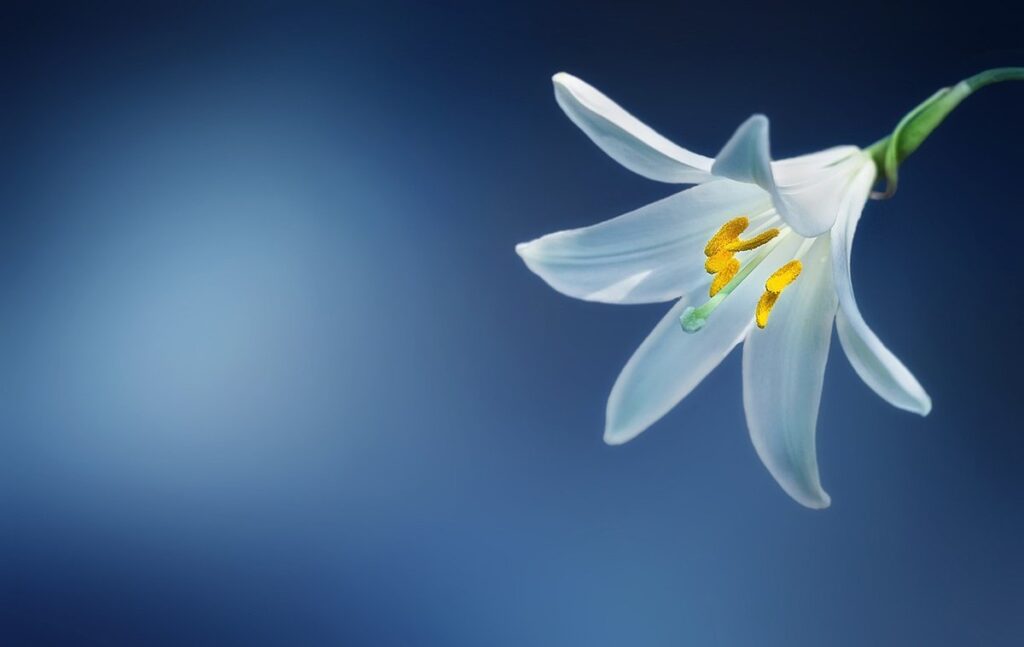
What is a Glory Lily Plant?
So you’re curious about what makes the glory lily plant so special, and where it comes from – let’s start by understanding its origins.
Origins and History
The glory lily plant has been cherished for its stunning beauty and symbolic meaning for thousands of years. Its origins date back to ancient civilizations, where it was highly valued not only for its elegant appearance but also for the significance it held in various cultures.
In ancient Greece and Rome, the glory lily (also known as Gloriosa superba) was associated with grandeur and nobility. It was often depicted in art and literature as a symbol of power and majesty. The plant’s unique, curved shape and striking blooms made it a favorite among artists and poets.
In Asia, particularly in China and India, the glory lily held sacred significance. In Chinese culture, the plant was associated with prosperity and good fortune, while in Hinduism, it was considered a symbol of spiritual growth and enlightenment. The plant’s intricate, funnel-shaped flowers were believed to represent the connection between the physical and spiritual realms.
The glory lily’s rich history and cultural significance have made it a sought-after ornamental plant around the world. Today, its elegant blooms and unique shape continue to inspire artists, poets, and gardeners alike.
Plant Description and Identification
The glory lily plant is a stunning addition to any garden, and its distinctive physical characteristics make it easy to identify. The plant’s leaves are long and strap-like, typically growing up to 2-3 feet (60-90 cm) in length, with a bright green color and wavy edges. They arise from the base of the plant, forming a rosette shape that provides a beautiful contrast to the flowers.
The glory lily’s flowers are its most striking feature, with showy, trumpet-shaped blooms in shades of white, pink, or purple. Each flower can grow up to 6 inches (15 cm) long and is heavily fragrant, emitting a sweet scent that attracts pollinators like bees and butterflies. The flowers emerge on tall stems that can reach heights of 3-4 feet (90-120 cm), making the plant a focal point in any garden.
If you’re new to gardening or looking to identify your glory lily plant, be sure to examine its growth habits. Glory lilies are tender perennials, meaning they die back to the ground after a frost but regrow the following spring. This makes them a great choice for warm climates or areas with mild winters. With proper care and attention, your glory lily will thrive and provide years of enjoyment and beauty in your garden.
Benefits of Having a Glory Lily Plant
One of the most significant advantages of having a glory lily plant is its ability to purify the air and bring a sense of calmness to any space. This section explores the numerous benefits it can offer your well-being.
Air Purification and Health Benefits
Having a glory lily plant indoors not only adds a touch of elegance to your space but also contributes significantly to maintaining a healthy environment. These plants are known for their air-purifying properties and can help eliminate toxic pollutants from the air, promoting better indoor air quality.
Studies have shown that glory lily plants are effective in removing benzene, formaldehyde, and trichloroethylene – common household chemicals linked to various health issues. For instance, a study published by NASA found that these plants were able to remove up to 89% of airborne pollutants within 24 hours.
To maximize the air-purifying benefits of your glory lily plant, ensure it’s placed in an area with moderate to bright indirect light. Watering is crucial – overwatering can lead to mold growth and reduce air quality. By following these simple tips and keeping your glory lily happy, you can breathe easier knowing that your indoor space is healthier and cleaner.
Remember, incorporating plants like the glory lily into your home or office not only adds aesthetic appeal but also provides tangible benefits for your health and well-being.
Emotional and Spiritual Significance
The glory lily plant is steeped in rich symbolic meaning, making it more than just a beautiful addition to your home. For many, it represents faith, hope, and purity – qualities that are deeply rooted in spirituality. In Christianity, the glory lily is often associated with the Resurrection and is sometimes referred to as the “Lily of the Incarnation.” Its trumpet-shaped blooms symbolize the voice of God, calling out to believers.
In various cultures and traditions, the glory lily plant has been used for centuries in rituals and ceremonies. For example, in ancient Greece, the lily was associated with purity and virginity, while in Hinduism, it represents spiritual growth and enlightenment. In many African cultures, the glory lily is believed to possess medicinal properties and is used in traditional healing practices.
If you’re looking to tap into the emotional and spiritual significance of the glory lily plant, consider placing it in a spot where you can meditate or reflect on its symbolism. You might also try gifting one to someone who embodies qualities like faith and hope – it’s a thoughtful way to share the plant’s special meaning with others.
Care and Maintenance of Glory Lily Plants
To keep your glory lily plants thriving, it’s essential to understand their specific care requirements, which can vary depending on their environment. This section will guide you through what to expect and how to maintain these stunning flowers.
Lighting and Temperature Requirements
Providing optimal lighting conditions is crucial for healthy growth and blooming of glory lily plants. These tropical flowers thrive in bright, indirect light but can tolerate partial shade. If you’re growing them indoors, a south-facing window with sheer curtains or blinds will work perfectly.
If natural light sources aren’t available, consider using grow lights to supplement the plant’s needs. LED grow lights are an excellent option as they provide high-intensity light while being energy-efficient. Place the grow lights about 12-18 inches above the plant and maintain a distance of at least 6-8 inches between the light source and the leaves.
Glory lily plants prefer daytime temperatures between 65°F to 75°F (18°C to 24°C) and no lower than 55°F (13°C) at night. Avoid placing your glory lily near heating vents, radiators, or air conditioning units as sudden temperature fluctuations can harm the plant. By maintaining a stable temperature range and providing sufficient light, you’ll be able to enjoy lush green foliage and vibrant blooms throughout the year.
Watering and Humidity Needs
Watering and humidity levels can be a bit tricky for glory lily plants, but don’t worry, with the right routine, you’ll have these beautiful blooms thriving in no time. First, let’s talk about watering. Glory lilies prefer well-draining soil and should be watered thoroughly until excess moisture drains out of the pot. However, this doesn’t mean you need to soak the plant every day. A general rule is to water your glory lily once a week during the spring and summer months when it’s actively growing. During the fall and winter, reduce watering to once every 10-14 days.
Maintaining humidity levels is also crucial for these plants. Glory lilies thrive in environments with high humidity, typically between 50-70%. You can achieve this by placing the pot on a tray filled with water and pebbles or using a humidifier nearby. This will help prevent pests like spider mites and mealybugs from taking over your plant. To take it to the next level, you can also group plants together to create a microclimate, which helps retain moisture in the air. Just be sure not to overdo it – too much humidity can lead to root rot!
Common Problems and Solutions
If you’re experiencing issues with your glory lily plant, don’t worry, we’ve got some solutions to common problems that’ll get it thriving in no time. From pests to nutrient deficiencies, we cover it all here.
Pests and Diseases
As a glory lily plant owner, you’re likely no stranger to dealing with pests and diseases that can threaten the health of your beautiful blooms. One of the most common issues faced by glory lily enthusiasts is infestations by spider mites and mealybugs. These tiny critters feed on the sap of your plant, causing yellowing leaves, stunted growth, and a sticky substance called honeydew to form on the soil.
To prevent these pests from taking over, make sure to inspect your plants regularly for any signs of infestation. Look for fine webbing or a white, cottony coating on the stems and leaves. If you catch an infestation early, you can treat it with insecticidal soap or neem oil. For more severe cases, consider using systemic insecticides.
Another common problem plaguing glory lily plants is root rot. This occurs when excess water causes the roots to become waterlogged, leading to fungal growth and decay. To prevent root rot, ensure good drainage by repotting your plant in a well-draining potting mix. Avoid overwatering and let the top inch of soil dry out between waterings.
If you do notice signs of root rot, gently remove the plant from its container and inspect the roots. If they’re soft and mushy, trim them back to healthy tissue and repot the plant in a fresh potting mix. Keep your glory lily plant in a bright, airy location with temperatures between 65-75°F (18-24°C) to promote healthy growth and prevent disease.
Nutrient Deficiencies and Toxicity
When it comes to growing glory lilies, nutrient deficiencies can be a major concern. If the soil lacks essential nutrients like nitrogen, phosphorus, or potassium, the plant’s growth will suffer. For instance, a lack of nitrogen can cause yellowing leaves and stunted growth, while a deficiency in phosphorus can lead to weak flower stems and poor blooming.
Toxicity risks are also associated with over-fertilization, particularly if you’re using high-phosphorus fertilizers. This can cause damage to the plant’s roots and increase its susceptibility to disease. Furthermore, excessive nitrogen can promote soft, weak growth that’s more prone to pests and diseases. To avoid these issues, it’s crucial to test your soil regularly and adjust your fertilizer application accordingly.
Here are some practical tips to prevent nutrient deficiencies and toxicity:
* Use a balanced fertilizer (e.g., 10-10-10 N-P-K) for most of the growing season
* Avoid over-fertilizing, as this can lead to more harm than good
* Test your soil regularly to determine its pH level and nutrient content
* Consider using organic fertilizers or compost to provide essential nutrients without harming the environment
Propagation and Repotting
To keep your glory lily happy and thriving, it’s essential to know when and how to propagate new plants and repot them at the right time. This process is relatively easy and will help you share this beautiful flower with friends and family.
Methods of Propagation
When it comes to propagating glory lily plants, you have several methods to choose from. One of the most common and successful methods is division. This involves separating established mother plants into smaller sections, making sure each section has at least one “eye” or bud. Timing is crucial here: spring and fall are ideal seasons for division as the plant is dormant and less stressed.
Cuttings are another viable option. You can take 3-4 inch stem cuttings with a few sets of leaves from mature plants. Remove lower leaves, dip the cutting in rooting hormone, and plant it in well-draining potting mix. Keep the soil consistently moist but not waterlogged to encourage root development.
Lastly, you can start glory lily seeds indoors 6-8 weeks before the last frost date. Sow them on the surface of a seed starting mix, pressing gently into place. Seeds require warmth and humidity to germinate, so keep the soil around 75°F (24°C) and cover with plastic wrap or a clear cloche.
Keep in mind that division has the highest success rate, followed closely by cuttings. Seed starting is more challenging due to low germination rates and variable growth patterns.
Choosing the Right Potting Mix
When it comes to propagating and repotting your glory lily plant, choosing the right potting mix is crucial for its healthy growth. A well-draining mix will help prevent waterlogged soil, which can lead to root rot and other issues.
A good potting mix should retain moisture but not be too dense. Look for mixes labeled as ‘potting mixes’ or ‘propagation mixes’, which typically contain ingredients like perlite, vermiculite, or coconut coir that improve drainage. You can also create your own DIY recipe by combining peat moss, perlite, and a bit of compost.
For example, you can mix 2 parts peat moss with 1 part perlite and 1/2 part compost for a balanced blend. Alternatively, use a commercial potting mix specifically designed for tropical plants like the glory lily. Some popular options include Miracle-Gro Cactus, Palm & Citrus Potting Mix or Pro-Mix Indoor and Outdoor Potting Mix.
Remember to avoid using garden soil from your yard as it can compact in containers and prevent healthy root growth.
Conclusion and Future Prospects
As we come to the end of our journey through the wonderful world of the glory lily plant, let’s take a look at what the future holds for this stunning bloom.
Recap of Key Points
In wrapping up our exploration of the glorious glory lily plant, let’s revisit the key takeaways. As a reminder, this hardy and adaptable flower is perfect for low-maintenance gardens and indoor spaces alike.
To keep your glory lily thriving, be sure to provide it with bright, indirect light – direct sunlight can cause the leaves to become scorched. Water your plant sparingly, allowing the soil to dry out slightly between waterings, as overwatering is a common mistake that can lead to root rot.
As for benefits, we’ve discussed how the glory lily’s elegant white blooms and dark green foliage add a touch of sophistication to any room or garden bed. But did you know that this plant also boasts some impressive health advantages? The leaves are said to have medicinal properties, with traditional uses ranging from treating fever and rheumatism to soothing burns and wounds.
Whether you’re looking to spruce up your indoor space or create a stunning display in your outdoor garden, the glory lily is an excellent choice. With its ease of care and impressive health benefits, this plant is sure to bring joy and vitality into your life for years to come.
Final Thoughts on Cultivation and Appreciation
As we come to the end of our journey with the glory lily plant, it’s clear that this stunning flower has captured our hearts. Its elegant blooms and striking foliage have earned it a special place in many gardens and homes. Whether you’re a seasoned gardener or just starting out, growing a glory lily can be a truly rewarding experience.
As you continue to nurture your plant, remember to appreciate its unique beauty and let its growth be a reminder of the simple joys in life. Don’t hesitate to experiment with new potting mixes, pruning techniques, or propagation methods to keep your plant thriving. To ensure continued success, make sure to repot your glory lily every 2-3 years, as it prefers well-draining soil and can become root-bound quickly.
By following these simple tips and embracing the unique characteristics of the glory lily plant, you’ll be able to reap its full rewards and enjoy its beauty for years to come. So go ahead, take a moment to admire your lovely glory lily – its vibrant blooms and delicate petals are sure to bring a smile to your face.
Frequently Asked Questions
Can I grow a glory lily plant indoors, or is it best suited for outdoor spaces?
Yes, you can definitely grow a glory lily plant indoors, especially if you’re looking to add some air-purifying benefits to your home. Just make sure to provide the right lighting and temperature conditions, as mentioned in our article on Lighting and Temperature Requirements.
What’s the ideal potting mix for my glory lily plant, considering its specific needs?
A well-draining potting mix is essential for your glory lily plant, especially since it prefers moist soil but not waterlogged conditions. You can also consider adding a mixture of peat moss or perlite to improve drainage and prevent root rot.
How do I propagate a new glory lily plant from seed, and what are some common challenges I might face?
Propagation through seed is possible, but it’s a slower process compared to division or stem cuttings. Be prepared for low germination rates and potential fungal infections if the seeds are not properly cleaned and sown.
Can I use the same potting mix for repotting my mature glory lily plant, or should I opt for something different?
While you can reuse a portion of the original potting mix, it’s recommended to replace about 20-30% of it with fresh, well-draining material to prevent nutrient depletion and root bound conditions.
How do I identify pests on my glory lily plant, and what are some natural ways to control infestations?
Keep an eye out for whiteflies, mealybugs, and spider mites, which can be identified by their distinctive appearances. For natural control methods, try using neem oil or insecticidal soap to deter these pests without harming your plant.