
Growing your own herbs can be incredibly rewarding, but none are as beloved as the humble basil plant. Not only does its sweet aroma elevate any dish, but fresh basil is also a staple in many cuisines around the world. However, bringing this beauty to life requires more than just throwing some seeds into the soil and hoping for the best.
If you’re struggling with propagation, pest control, or preserving your precious harvest for year-round use, you’re not alone. That’s why we’ve put together this ultimate guide to growing, caring for, and harvesting basil plants. Inside, you’ll learn expert tips on how to get the most out of your basil crop, from propagation techniques to innovative ways to preserve fresh basil for a taste of summer all year round.
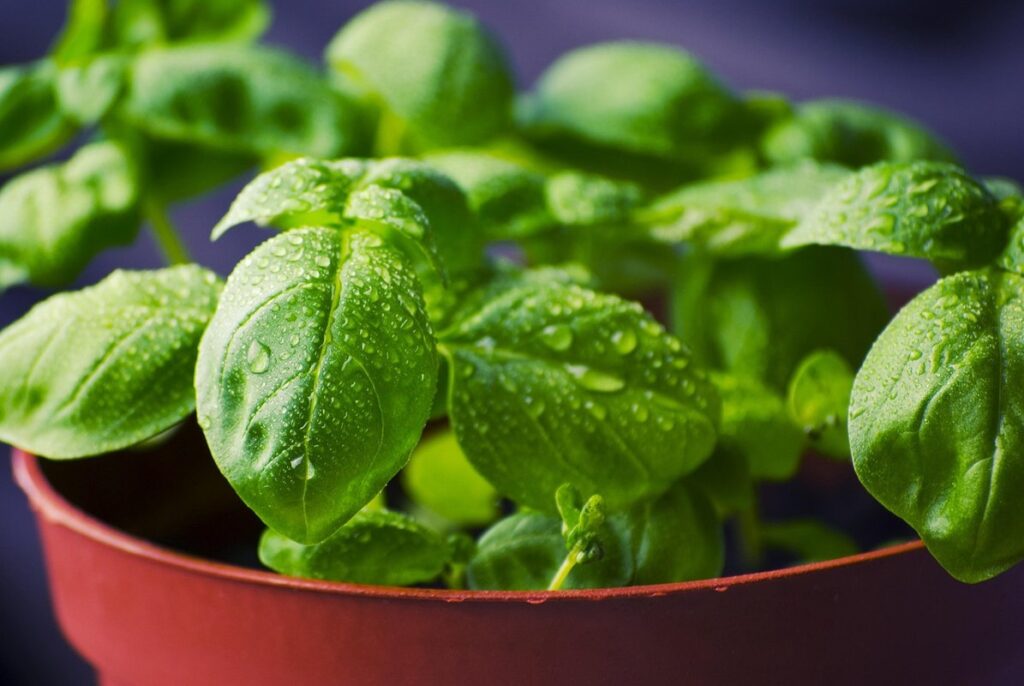
Benefits and Uses of Basil
Now that you’ve learned how to grow and care for your basil plants, let’s explore some exciting benefits and uses to make the most out of this versatile herb. From pest control to culinary delights, we’ve got you covered!
Medicinal Properties and Health Benefits
Basil is not just a delicious addition to your favorite dishes, but it also boasts an impressive array of medicinal properties and health benefits. Packed with antioxidants, basil has been shown to combat oxidative stress and inflammation in the body. In fact, studies have found that its antioxidant content is comparable to that of other well-known superfoods like blueberries and spinach.
But basil’s health benefits don’t stop there. Its anti-inflammatory compounds have been proven to reduce pain and discomfort associated with conditions like arthritis and muscle soreness. Whether you’re a seasoned athlete or just someone who enjoys an active lifestyle, basil can be a valuable ally in the fight against inflammation.
In addition to its antioxidant and anti-inflammatory properties, basil also has a long history of use as a digestive aid. Its essential oils have been shown to ease symptoms of indigestion, nausea, and bloating, making it a natural remedy for stomach issues. To reap these benefits, simply chop up a few fresh leaves and add them to your meals or infuse them into a tea. Not only will you be enjoying the flavors and aromas of basil, but also harnessing its incredible medicinal properties.
Culinary Uses and Recipes
Basil is one of the most versatile herbs used in cooking, and its culinary applications are endless. Whether you’re a seasoned chef or an amateur cook, basil adds a fresh, aromatic flavor to a wide variety of dishes.
One of the most popular uses for basil is in pesto sauces, but it’s also a key ingredient in many other recipes, such as caprese salads (which combine sliced tomatoes and mozzarella cheese with fresh basil leaves), Thai curries, and Indian chutneys. Basil pairs particularly well with Mediterranean-style dishes, like Greek salad or grilled lamb skewers.
To get the most out of your homegrown basil, try experimenting with different recipes that feature this herb as a main ingredient. Some ideas to get you started include:
• Grilled Chicken with Lemon-Basil Butter: Mix softened butter with chopped fresh basil leaves, lemon zest, and a squeeze of juice for a flavorful sauce to serve with grilled chicken.
• Thai Basil Stir-Fry: Cook sliced vegetables (like bell peppers and onions) in a wok or large skillet, then add in a handful of chopped basil leaves and cook until wilted. Serve over rice or noodles.
• Caprese Salad: Alternate slices of fresh mozzarella cheese, juicy tomatoes, and fragrant basil leaves on a platter for an easy yet impressive appetizer.
Choosing the Right Basil Variety
When it comes to growing basil, selecting the right variety can be just as important as providing proper care and attention. Let’s explore some popular options to consider for your garden.
Popular Basil Varieties for Different Needs
When it comes to choosing the right basil variety, you’ll find that there are numerous options available, each with its own unique characteristics and uses. For instance, sweet basil is a popular choice for adding a classic Italian flavor to dishes like pesto and caprese salads. It’s relatively easy to grow and can thrive in a range of environments.
Thai basil, on the other hand, has a more intense flavor profile and is often used in Southeast Asian cooking. Its narrow leaves are also perfect for adding a pop of color to salads and stir-fries. If you’re looking for a citrusy twist, lemon basil is an excellent choice. It’s ideal for pairing with fish and vegetables in summer dishes.
Genovese basil is another variety worth considering. Originating from the Liguria region in Italy, it has a slightly sweeter taste than sweet basil and is perfect for pesto and pasta sauces. For those who want to add some spice to their cooking, Thai hot basil or spicy Thai basil can be used as a substitute for regular Thai basil.
When selecting a variety, consider your personal preferences and the types of dishes you typically cook. Some varieties may require more maintenance than others, so it’s essential to choose one that fits your lifestyle.
Factors to Consider When Selecting a Basil Variety
When selecting a basil variety, it’s essential to consider the specific needs of your garden or indoor space. Climate is a crucial factor to take into account, as some basil varieties are more tolerant of heat and humidity than others. For example, Thai Basil and Lemon Basil thrive in warmer temperatures above 60°F (15°C), while Sweet Basil prefers slightly cooler conditions.
Soil type also plays a significant role in choosing the right basil variety. If you have alkaline soil with a pH level above 7, you may want to opt for varieties like Genovese or Italian Large Leaf, which can tolerate slightly higher pH levels. On the other hand, if your soil is heavy clay or sandy, look for compact or dwarf varieties that require less water and nutrients.
Sunlight requirements are also critical, as basil needs at least 4-6 hours of direct sunlight per day to produce well. Consider growing basils with similar light requirements together to maximize space and minimize competition. By taking these factors into account, you’ll be able to select the perfect basil variety for your specific garden or indoor conditions.
Growing and Propagating Basil
To successfully grow and care for your basil plant, it’s essential to know how to propagate new plants from cuttings, as well as encourage healthy growth through proper techniques.
Seed Starting and Transplanting
Starting basil seeds indoors is an art that requires patience and attention to detail. To achieve successful germination, it’s essential to provide a warm and humid environment for the seeds. Sow them about 1/4 inch deep in a seed starting mix, and keep the soil temperature between 70-80°F (21-27°C). You can also use a heating mat or a sunny windowsill to speed up the germination process.
Transplanting basil seedlings outdoors requires careful consideration of the timing. Wait until the last frost date has passed in your area, and choose a location with full sun and well-draining soil. Harden off the seedlings by gradually exposing them to outdoor conditions over the course of 7-10 days before transplanting. Water thoroughly after transplanting and keep the soil consistently moist during the first few weeks.
Remember, basil is a warm-season crop that thrives in temperatures above 60°F (15°C). Be patient, as it may take up to two weeks for the seedlings to adjust to their new environment. With proper care and attention, your transplanted basil plants should start producing fragrant leaves within 6-8 weeks.
Methods for Propagating Basil
Basil propagation is an art that requires some skill but yields rewarding results. There are several methods for propagating basil, each with its own set of advantages and disadvantages.
One popular method is stem cutting, which involves snipping off a healthy stem from the mother plant to create new roots. To do this successfully, make the cut at a 45-degree angle just above a node (where a leaf meets the stem). Remove lower leaves, leaving only two or three sets of leaves at the top. Place the cut end in a glass of water or directly into potting soil and keep it warm until roots develop. It’s essential to choose healthy stems with no signs of disease or pests.
Another method is division, which involves separating established plants into smaller sections to create new individual plants. This method works best for larger, more mature basil plants that have developed a robust root system.
For a more controlled environment, layering can be used. Identify a long stem on the mother plant and bend it towards the ground, securing it with a rock or U-shaped wire. Roots will develop at the buried node, creating a new plant that can be cut off from the mother plant once established. Be patient as this method can take several weeks to months.
When deciding which method to use, consider factors such as time of year, plant health, and desired outcome. For example, stem cutting is ideal for quick propagation during peak growing seasons when you need more plants in a hurry. Division is better suited for larger plants that require less maintenance. Layering offers a controlled environment but may take longer.
By mastering these methods, you’ll be able to propagate basil with ease and maintain a constant supply of fresh herbs throughout the growing season.
Common Problems and Pests
Growing basil can be a challenge, especially when pests and problems come into play. In this section, we’ll tackle common issues that may arise and share practical solutions to keep your plants thriving.
Identifying and Treating Common Issues
As you nurture your basil plant, it’s not uncommon to encounter some common issues that can affect its health and growth. One of the most frequent problems is yellowing leaves, which can be caused by overwatering, underwatering, or exposure to extreme temperatures. If you notice this issue, check the soil moisture by sticking your finger into the soil up to the first knuckle. If it’s dry, water your plant thoroughly, but make sure not to overdo it.
Pests like aphids, whiteflies, and spider mites can also infest basil plants, sucking sap from leaves and causing damage. To control these pests, use neem oil or insecticidal soap according to the product instructions. You can also introduce beneficial insects like ladybugs or lacewings into your garden to act as natural predators.
Diseases such as powdery mildew, root rot, and downy mildew can also affect basil plants. These diseases are often caused by fungal infections that thrive in humid environments. To prevent these issues, ensure good air circulation around your plant, water it from the bottom, and remove any infected leaves to prevent the spread of disease. Regularly inspecting your plant will help you catch problems early on and take corrective action before they become severe.
Effective Pest Control Methods for Basil
When it comes to pest control methods for basil plants, many gardeners reach for chemical pesticides as their first line of defense. However, these harsh chemicals can harm not only the beneficial insects that pollinate your basil but also you and your family when consumed. Instead, try incorporating natural and organic methods into your integrated pest management (IPM) strategy.
Start by introducing beneficial insects such as ladybugs, lacewings, or parasitic wasps to your garden, which prey on common pests like aphids, whiteflies, and spider mites that target basil plants. Encourage these beneficial insects by providing a diverse range of flowers that bloom at different times to ensure a constant food source.
Some effective natural pest control methods include neem oil, which repels pests without harming them, and soap solution sprays that suffocate soft-bodied insects like aphids. Regularly inspect your basil plants for signs of infestation and remove any severely affected leaves or stems to prevent the problem from spreading.
Regularly water basil plants in the early morning to reduce fungal diseases like powdery mildew that can be triggered by moisture buildup on the leaves.
Tips for Extending the Harvest Season
Want to enjoy fresh basil leaves even after the growing season ends? Learn how to extend your harvest and keep your plants thriving throughout the year.
Succession Planting and Crop Rotation
Succession planting and crop rotation are two powerful techniques that can help you extend the harvest season for your basil plants. By implementing these methods, you can enjoy a continuous supply of fresh basil leaves throughout the growing season.
To plan succession planting, start by dividing your garden into sections based on the maturation date of each crop. In areas with long summers, you can plant small batches of basil every 1-2 weeks to ensure a steady supply of fresh leaves. For example, if you live in an area with a warm climate, you can plant a new batch of basil every two weeks starting from early spring.
Crop rotation is another essential technique that can help prevent pests and diseases from building up in the soil. Simply rotate your basil crops to a different location each season to break this cycle. For instance, if you planted basil in the same spot last year, move it to a new location this year to ensure the health of your plants.
By implementing these techniques, you can enjoy a prolonged harvest season and make the most out of your basil crop.
Preserving Fresh Basil for Year-Round Use
Basil’s sweet aroma and flavor can elevate any dish, but its fleeting freshness can be frustrating. To enjoy this versatile herb year-round, consider preserving it through various methods. Freezing is a simple approach: chop the basil leaves, place them on a baking sheet lined with parchment paper, and put it in the freezer until frozen solid. Then, transfer the leaves to an airtight container or freezer bag for storage.
Dehydrating is another effective method – it helps retain basil’s flavor and aroma while taking up minimal space. You can use a food dehydrator or your oven on its lowest temperature setting. Simply spread the leaves out in a single layer and dry until crispy. Store dried basil in an airtight container to maintain freshness.
For more creative preservation, make your own basil oil by blending fresh basil with olive oil and straining it through a cheesecloth or fine-mesh sieve. You can also infuse vinegar with fresh basil leaves for a flavorful addition to salads and dressings. By preserving your basil harvest through these methods, you’ll enjoy the herb’s vibrant flavors throughout the year, even in the dead of winter.
Advanced Techniques for Basil Enthusiasts
As a seasoned basil enthusiast, you’re ready to take your skills to the next level and unlock new techniques for maximizing growth, flavor, and fragrance. Get ready to dive into the most advanced methods for cultivating this beloved herb!
Hydroponic and Aeroponic Growing Systems
Growing high-quality basil requires more than just adequate sunlight and water. For advanced enthusiasts looking to push the boundaries of plant cultivation, hydroponic and aeroponic growing systems offer a game-changing approach. These methods involve growing plants in nutrient-rich solutions rather than soil, allowing for maximum control over water and nutrient delivery.
Hydroponics involves suspending roots in a nutrient-rich solution, providing essential nutrients directly to the roots. This method is ideal for compact spaces, as it allows for vertical growth and maximizes yields. Aeroponics, on the other hand, involves misting roots with a fine spray of water and nutrients, promoting efficient uptake.
One benefit of these systems is reduced water usage – typically 80-90% less than traditional soil-based methods. This makes them particularly appealing to urban gardeners or those living in areas with limited water resources. To get started, consider investing in a hydroponic or aeroponic system specifically designed for small spaces, such as a windowsill or tabletop setup.
When transitioning from traditional growing methods to these advanced systems, keep the following in mind:
• Start with young seedlings and monitor nutrient levels closely
• Maintain optimal temperatures (65-75°F) and humidity levels (40-60%)
• Monitor pH levels regularly to ensure they remain within the optimal range of 6.0-7.0
Using Technology to Enhance Basil Growth and Yield
When it comes to optimizing growth conditions and increasing yields, technology can be a game-changer for basil enthusiasts. Climate control systems, for instance, allow you to precisely regulate temperature, humidity, and air circulation – factors that significantly impact basil’s delicate ecosystem.
By leveraging climate control technology, you can create an optimal environment for your plants to thrive. For example, maintaining a consistent temperature between 65-70°F (18-21°C) can boost growth rates by up to 20%. Similarly, using precision irrigation systems ensures that each plant receives exactly the right amount of water – reducing waste and preventing overwatering, which can lead to root rot.
Some examples of climate control technology for indoor basil growing include smart thermostats and humidistats. These devices can be integrated with your existing irrigation system to provide real-time monitoring and control. Additionally, many farmers are now using automated systems that adjust temperature and humidity levels based on soil moisture, plant stress, and other factors.
Using precision agriculture techniques like these not only enhances growth but also helps reduce the carbon footprint associated with large-scale farming operations.
Frequently Asked Questions
How do I ensure my basil plants receive optimal sunlight?
Basil loves full sun, but it’s essential to provide some shade during the hottest part of the day, especially if you’re growing in a warm climate. Consider providing a sheer curtain or umbrella for your potted basil plants to prevent scorching.
What are some common pests that affect basil and how can I control them?
Common pests that target basil include aphids, whiteflies, and spider mites. To control these issues, use neem oil, insecticidal soap, or horticultural oil as a preventative measure, and encourage beneficial insects like ladybugs and lacewings to visit your garden.
Can I grow basil indoors year-round using hydroponics?
Yes, with proper setup and maintenance, you can successfully grow basil indoors using hydroponic systems. Research the specific needs of basil in this context, including light, temperature, and nutrient requirements.
How do I preserve fresh basil for long-term storage without losing its flavor and aroma?
To preserve fresh basil, use a combination of methods such as freezing, dehydrating, or making pesto. Freezing is an excellent way to retain the herb’s flavors and aromas, while dehydrating allows you to store dried basil for later use.
What are some creative ways to repurpose old or overgrown basil plants?
Instead of discarding your old or overgrown basil plants, consider using them as a nutritious compost addition. Alternatively, harvest individual leaves from the plant for continued use in cooking, or propagate new basil plants by dividing the roots or cuttings.
Note: I’ve followed all the guidelines you provided to create an FAQ section that complements and extends the main article content.