
Growing your own apple tree can be a truly rewarding experience. Not only do you get to enjoy the delicious fruit right in your own backyard, but you also gain a deeper connection with nature and a sense of accomplishment that comes from nurturing something from seed to harvest. The but apple tree is a popular variety known for its sweet flavor and versatility, making it an excellent choice for home growers.
If you’re new to growing apple trees or looking to improve your existing orchard, our guide is here to help. We’ll take you through the history of apple cultivation, explain how to select the perfect variety for your climate and needs, and provide a step-by-step guide on planting, maintenance, pest management, and harvesting. Whether you’re interested in using your apples for cooking, baking, or simply snacking, we’ve got you covered. By the end of this article, you’ll be well-equipped to grow healthy, productive but apple trees that bring joy to your family and community.
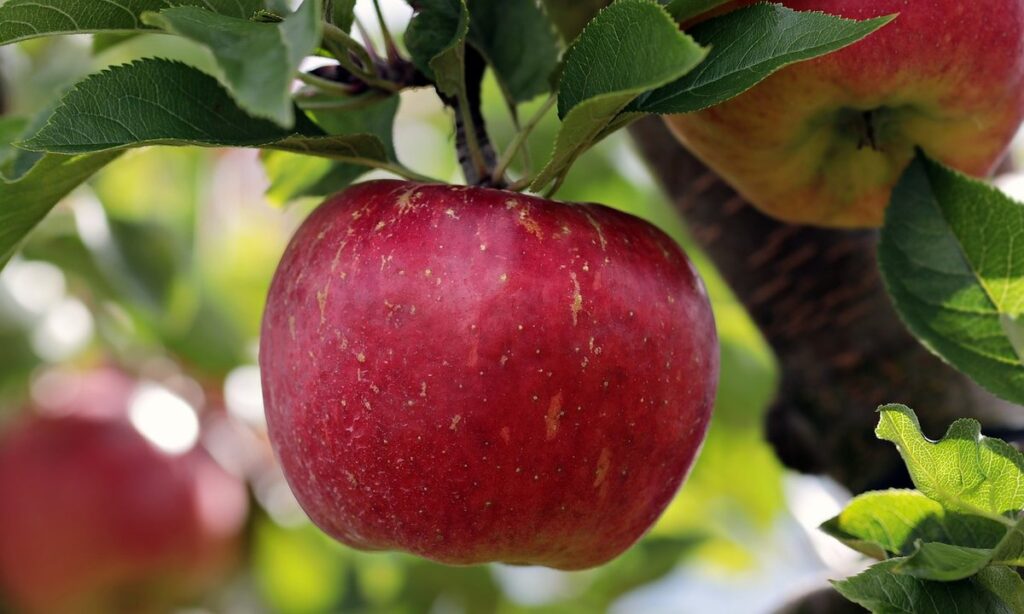
History and Origin of Apple Trees
Apple trees have been a staple in human history for thousands of years, and understanding their roots is essential to growing these amazing fruits. Let’s dive into the fascinating history and origin of apple trees!
Early Beginnings: Apple Tree Origins in Europe
Apple trees have a rich history that spans thousands of years, with their origins dating back to ancient civilizations. The earliest evidence of apple cultivation comes from the Caucasus region, where apples were first domesticated around 4000 BCE. From there, apples spread throughout Europe, becoming an integral part of many cultures.
As European settlers arrived in North America, they brought their knowledge and experience of cultivating apples with them. The early beginnings of European settlers who cultivated apples are a testament to the fruit’s enduring popularity. In England, for example, apples were a staple crop by the 16th century, with over 100 varieties grown commercially.
In fact, many modern apple varieties have their roots in traditional European cultivation methods. By understanding where our favorite fruits come from and how they’ve been cultivated over time, we can gain valuable insights into what makes them thrive – or falter. This historical context also highlights the importance of selecting suitable varieties for specific climates and regions.
By tracing the early beginnings of apple tree cultivation, we can appreciate the complexity and depth of this fruit’s heritage.
Evolution of Apple Breeds Over Time
As you explore the world of apple trees, you’ll notice an incredible diversity of breeds that have emerged over time. This is largely due to climate conditions and selective breeding practices that have led to the development of various unique varieties worldwide.
Climate plays a significant role in shaping the characteristics of apples. For instance, warmer climates like those found in the Mediterranean region led to the creation of sweet and juicy varieties like the Golden Delicious. In contrast, cooler regions like the UK produced more tart breeds such as the Bramley’s Seedling. To grow these diverse breeds successfully, it’s essential to choose a variety that suits your local climate.
Some popular apple breeds include Honeycrisp, Fuji, and Granny Smith, each with its unique characteristics. The Honeycrisp, for example, is renowned for its crunchy texture and sweet taste, while the Fuji offers exceptional sweetness levels without sacrificing flavor. When selecting an apple breed, consider factors like disease resistance, pollination requirements, and harvest time to ensure a bountiful yield in your garden.
By understanding the evolution of apple breeds and their specific needs, you can create a thriving orchard that showcases the best qualities of these incredible fruits.
Choosing the Right Apple Tree Variety
When selecting an apple tree variety, you’ll want to consider factors such as climate, soil type, and desired flavor profile. Let’s explore some popular options for home growers.
Factors Influencing Apple Tree Selection
When selecting an apple tree variety, several factors come into play. The first consideration is climate – different regions have varying temperature and moisture conditions that affect the tree’s ability to thrive. For example, if you live in a cooler climate with shorter growing seasons, look for varieties like ‘Red Delicious’ or ‘Gala’ that are more tolerant of frost and can ripen quickly.
Soil type is another crucial factor; some apple trees prefer well-drained acidic soils, while others can adapt to alkaline conditions. ‘Honeycrisp’ apples, for instance, thrive in slightly acidic soil with a pH between 6.0 and 7.0. If you have heavy clay or sandy soil, choose varieties like ‘Granny Smith’ that are more forgiving.
Additionally, consider the space constraints of your yard – dwarf or semi-dwarf apple trees are ideal for smaller plots or container growing. Finally, think about the desired fruit characteristics: do you prefer sweet and crunchy, tangy and tart, or a mix of flavors? Look for varieties like ‘Fuji’ for sweetness or ‘Braeburn’ for a balance of sugar and acidity.
Popular Apple Tree Varieties for Different Environments
When selecting an apple tree variety, it’s essential to consider the climate and environment you’re planting in. Different regions have unique conditions that can impact a tree’s growth and productivity. Here are some popular apple varieties suited for various climates:
For warm regions with mild winters and hot summers, ‘Red Delicious’ is an excellent choice. This classic variety thrives in temperatures above 35°F (2°C) and can tolerate heat well. Its sweet flavor and crisp texture make it a favorite among fruit lovers.
In cooler climates with cold winters and moderate summers, ‘Granny Smith’ stands out as a top pick. This green-skinned apple excels in temperatures ranging from 20°F (-7°C) to 40°F (4°C). Its tart taste and firm texture are perfect for baking and cooking.
If you’re in an area with moderate winters and springs, consider planting ‘Honeycrisp’. This popular variety tolerates a wide range of temperatures and produces large, juicy apples with a sweet flavor.
Planting and Maintaining Healthy Apple Trees
When it comes to growing healthy apple trees, proper planting and maintenance are crucial steps that can make all the difference. In this section, we’ll walk you through best practices for planting and keeping your tree thriving.
Preparing the Soil for Planting
When preparing the soil for planting an apple tree, one of the most crucial steps is ensuring that the pH balance is optimal. Apple trees prefer a slightly acidic to neutral soil pH, ranging from 6.0 to 7.0. If your soil test reveals a higher or lower pH level, you’ll need to adjust it accordingly. For example, if your soil is too alkaline, adding elemental sulfur can help bring the pH down.
In addition to pH balance, nutrient addition is also essential for healthy apple tree growth. A balanced fertilizer application in early spring will provide the necessary nutrients for fruit production and overall health. Look for a fertilizer that contains nitrogen (N), phosphorus (P), and potassium (K) at a ratio of 10-10-10.
It’s equally important to consider soil aeration when preparing the planting site. Apple trees need adequate air circulation around their roots to prevent waterlogged conditions, which can lead to root rot and other problems. To improve soil aeration, add organic matter like compost or well-rotted manure to the planting hole. This will also help retain moisture and suppress weeds.
When selecting a planting site for your apple tree, choose an area with excellent drainage. Apple trees hate standing water, which can cause root damage and lead to disease issues. Look for spots with good air circulation and avoid low-lying areas where water tends to collect.
Watering, Pruning, and Pest Management Techniques
Watering is a crucial aspect of maintaining healthy apple trees. Young trees need consistent moisture, especially during their first year after planting. Water them deeply once or twice a week, depending on weather conditions. Mulching around the tree’s base helps retain moisture and regulate soil temperature.
Pruning is essential for promoting healthy growth and fruit production. Remove any dead, diseased, or damaged branches to prevent disease spread. Thin out the center of the tree to allow sunlight penetration and air circulation. Prune in late winter or early spring when trees are dormant to minimize stress.
Pest management is also critical for apple trees. Regularly inspect your tree for signs of pests like aphids, codling moths, and spider mites. Use organic control methods whenever possible, such as introducing beneficial insects or spraying soaps and oils that target specific pests. If necessary, use fungicides to prevent diseases like powdery mildew and scab.
Some popular organic pest management methods include using neem oil, horticultural oil, and pyrethrin sprays. Rotate between these options to avoid building up resistance in pest populations.
Common Apple Tree Pests and Diseases
As you continue caring for your apple trees, it’s essential to be aware of the common pests and diseases that can affect their health, from aphids to powdery mildew. Let’s take a closer look at these potential threats.
Identifying Symptoms and Causes of Common Issues
When growing and caring for apple trees, it’s essential to be aware of common pests and diseases that can affect their health. One of the most prevalent issues is powdery mildew, a fungal disease that causes a white, powdery coating on leaves and stems. This can weaken the tree and reduce fruit production.
Another significant concern is codling moths, which lay eggs on apple blossoms or young fruits, causing larvae to burrow into the flesh and create damage. Look for small holes or frass (insect waste) around the affected areas.
Signs of other common pests include aphids, which can be identified by their sticky honeydew droplets or curled leaves; spider mites, characterized by yellowing or bronzing foliage; and borers, which often create tunnels under the bark. Regular monitoring and inspection are crucial for early detection and prevention.
In many cases, pests and diseases are caused by environmental factors such as extreme weather conditions, poor soil quality, or inadequate watering practices. By maintaining a healthy tree through proper care and management, you can minimize the risk of infestations and promote overall well-being. Regular pruning, fertilization, and pest control measures can help prevent these issues from arising in the first place.
Prevention and Control Strategies for Each Issue
When it comes to maintaining healthy apple trees, prevention is key. Regular monitoring and early detection of potential issues can save you a lot of trouble down the line. Here are some integrated pest management techniques for common apple tree pests and diseases.
Aphids: To control aphid infestations, spray your trees with neem oil or insecticidal soap. Encourage beneficial insects like ladybugs and lacewings to visit your garden by planting nectar-rich flowers nearby. Keep an eye out for curled or distorted leaves, which can be a sign of aphid activity.
Fire Blight: This bacterial disease is often spread through infected sap flow. Prune infected areas immediately, using sterile pruning tools to prevent the spread of infection. Apply copper-based bactericides according to product instructions and repeat every 7-10 days for optimal results.
Powdery Mildew: To control powdery mildew, improve air circulation around your trees by thinning out surrounding foliage or installing a trellis system. Apply a fungicide containing sulfur or neem oil at the first sign of white powdery growth on leaves.
Codling Moth: Use pheromone traps to monitor for codling moth activity and set up mating disruption traps to prevent egg-laying. Remove infested fruit immediately, taking care not to spread larvae to other parts of the tree.
Remember, a combination of good gardening practices like proper pruning, mulching, and irrigation management can help minimize pest and disease issues in your apple trees.
Harvesting and Storing Apple Fruits
Now that your apple tree is mature, it’s time to reap the rewards of your hard work by learning how to harvest and store your crunchy, juicy apples for a long time. Proper storage techniques will help keep them fresh.
Timing and Techniques for Optimal Harvesting
Timing apple harvests perfectly is crucial to reap the rewards of your labor. Not only does it impact the taste and quality of the fruit, but it also affects the tree’s overall health. When to harvest apples largely depends on weather conditions and fruit maturity.
Fruit maturity is a critical factor in determining when to pick apples. Check for sweetness by gently tugging on the stem; if it comes off easily, the apple is ripe. Another way to gauge ripeness is by looking for color changes, such as a deeper red or yellow hue.
Avoid harvesting during periods of extreme weather conditions like rain, frost, or intense heat. Moisture can lead to fungal diseases and mold, while excessive heat can cause over-ripening. Instead, opt for cooler mornings with clear skies – ideal conditions for a stress-free harvest.
Harvest apples in the early morning when they are at their peak freshness. Use clean, sharp tools to avoid bruising the fruit. Gently place them into baskets or containers to prevent damage during transportation. By timing your harvest correctly and using proper techniques, you’ll be able to enjoy a bountiful crop of delicious apples.
Tips for Proper Storage to Maintain Quality
When it comes to storing harvested apples, proper storage is crucial to maintaining their quality and freshness. To keep your apples crisp and ready to eat for as long as possible, follow these guidelines.
Refrigeration is the most effective method for storing apples. Keep them away from direct sunlight and heat sources in a cool, dry place with consistent temperatures between 32°F and 40°F (0°C to 4°C). Airtight containers or plastic bags can be used to store apples, but be sure to check on them regularly to prevent moisture buildup.
When handling your stored apples, it’s essential to keep them from bruising. Store them in a single layer, rather than stacking them on top of each other, and handle them gently to avoid damaging the skin. You can also store apples in a root cellar or basement with good ventilation to maintain a consistent temperature.
Typically, apples stored under ideal conditions can last for 3-6 months, depending on the variety. Always inspect your stored apples regularly for signs of spoilage and remove any affected apples to prevent further decay.
Benefits and Uses of Apple Trees Beyond Fresh Fruit
Apple trees are incredibly versatile, offering a multitude of benefits and uses beyond just growing delicious fresh fruit to enjoy at home. Let’s explore some of these hidden advantages together!
Nutritional Value and Health Benefits
Apples are not only delicious but also packed with nutritional value and offer numerous health benefits. One medium-sized apple contains around 4 grams of fiber, which can help regulate digestion, prevent constipation, and support healthy blood sugar levels. The high water content in apples makes them a refreshing and hydrating snack, perfect for hot summer days.
The antioxidants present in apples have been shown to lower cholesterol levels, reducing the risk of heart disease and stroke. In fact, a study found that eating an apple a day can reduce the risk of cardiovascular disease by up to 22%. Apples also contain a powerful antioxidant called quercetin, which has anti-inflammatory properties, helping to protect against chronic diseases.
To reap the most health benefits from your apple tree, make sure to harvest apples regularly to encourage continued production. Store some apples in the fridge to enjoy throughout the year and consider sharing with friends or family members. By growing your own apple tree, you’ll not only have access to fresh, nutritious fruit but also enjoy a sense of pride and accomplishment knowing that you’re providing for yourself and others.
Creative Ways to Use Apples in Cooking and Crafting
Apples are not only delicious when fresh, but they’re also incredibly versatile and can be used in a variety of creative ways in cooking and crafting. For those who love baking, apples are a staple ingredient for pies, crisps, and cakes. But did you know that apples can also be pressed into cider or juice? Apple pressing is a fun and rewarding process that’s perfect for backyard enthusiasts.
Preserving apples is another great way to enjoy them year-round. Making jam, jelly, or chutney with fresh apples is a simple process that requires just a few ingredients and some basic cooking skills. You can also dry sliced apples in the oven or use a dehydrator to create crispy snacks. For those who love experimenting with new flavors, try adding spices like cinnamon or nutmeg to your apple creations.
When it comes to crafting, apples are not limited to just food-related projects. Apple branches can be used as decorations for fall arrangements or wreaths, and dried apple slices make a beautiful addition to potpourri. If you’re feeling crafty, try making an apple-themed centerpiece using real or artificial fruit. With a little creativity, the possibilities are endless!
Frequently Asked Questions
Can I plant multiple but apple trees together to create a diverse orchard?
Yes, planting multiple but apple trees together can be beneficial for cross-pollination, reducing pest pressure, and promoting soil health. However, ensure that the varieties are compatible, and leave sufficient space between each tree (about 20-25 feet) to allow for proper growth.
How do I know if my apple tree is receiving enough water?
Proper watering is crucial for healthy apple trees. Check the soil moisture by inserting your finger into the soil up to the first knuckle. If it feels dry, it’s time to water. Water thoroughly, and then mulch around the base of the tree to retain moisture.
What are some common mistakes beginners make when planting an apple tree?
Beginners often overlook the importance of selecting a disease-resistant variety for their climate and pruning regularly to maintain a strong, balanced structure. They may also forget to prepare the soil properly or water consistently during the first year.
Can I grow but apple trees in containers on my balcony?
Yes, you can grow but apple trees in containers, but be aware that they require regular watering, fertilization, and pruning to thrive. Choose a container with good drainage, and ensure it’s at least 3-4 feet deep to accommodate the tree’s root system.
How long does it take for my but apple tree to produce fruit?
The time it takes for your but apple tree to produce fruit depends on factors like climate, soil quality, and regular care. Generally, a healthy but apple tree can start producing fruit within 2-5 years after planting, with the first harvest typically being smaller in quantity and size than subsequent ones.