
Are you fascinated by the potential of aloe vera pups? These tiny, plantlet wonders have been gaining popularity for their medicinal benefits and ornamental value. But did you know that with proper care and propagation techniques, you can easily multiply your aloe vera plants and enjoy an abundance of these succulent treats? In this article, we’ll dive into the world of aloe vera pups, exploring how to grow them, identify common problems, and harvest their benefits. We’ll cover expert tips on watering, fertilization, pruning, and harvesting, so you can make the most of your aloe vera plant’s potential. From using them for medicinal purposes to showcasing them as decorative pieces, we’ll give you the inside scoop on everything you need to know about aloe vera pups.
What Are Aloe Vera Pups?
Aloe vera pups, also known as aloe offsets, are baby plants that grow around the base of mature aloe vera plants, sprouting new life and possibilities. Let’s explore what they are and how they work.
Definition and Classification
Aloe vera pups are small offsets or baby plants that grow on mature aloe vera mothers. These offsets are essentially tiny replicas of their parent plant, complete with their own roots and leaves. To understand the classification of aloe vera pups, it’s essential to recognize them as a type of vegetative reproduction. This means they produce new plants without seeds, which is one of the reasons why aloe vera pups have gained popularity among gardeners and plant enthusiasts.
Aloe vera pups can be classified into two main categories: basal offsets and rosette offsets. Basal offsets grow at the base of the mother plant, while rosette offsets emerge from within the leaf rosettes of mature plants. Understanding this classification can help you differentiate between the different types of aloe vera pups and provide specific care instructions tailored to their needs. When caring for your aloe vera pup, it’s crucial to separate it from its mother plant once it reaches 1-2 inches in size to encourage growth.
Types of Aloe Vera Pups
Aloe vera pups are not just one type, but rather come in various shapes, sizes, and colors. One popular variety is ‘Christmas Carol’, which boasts vibrant red and green stripes. This unique pup grows into a stunning, compact succulent perfect for indoor gardens or containers.
Another notable type is the ‘Perth Mint’ aloe vera pup, known for its striking silver-green leaves with intricate veins. As these pups mature, they develop a beautiful rosette shape, making them a standout addition to any garden or collection.
If you’re interested in cultivating your own aloe vera pups, it’s essential to choose the right variety for your climate and desired level of care. ‘Christmas Carol’ prefers warmer temperatures, while ‘Perth Mint’ tolerates cooler conditions. Be sure to research specific needs for each type before deciding which one to bring home.
When selecting an aloe vera pup, inspect its roots carefully for signs of damage or rot. Healthy pups should have firm, plump leaves and a robust root system. With proper care and attention, your chosen variety will thrive, providing you with years of enjoyment and possibly even propagating new pups for sharing with friends.
Growing Aloe Vera Pups from Seed
Growing aloe vera pups from seed can be a bit tricky, but with the right steps and some patience, you’ll have a new pup thriving in no time. Let’s dive into the process of successfully growing aloe vera pups from seed.
Starting from Seedling
Starting from seedling is an exciting process that requires patience and care. To begin growing aloe vera pups from seed, you’ll need to start by germinating the seeds. First, soak the seeds in water for 24 hours to help them absorb moisture. Then, plant them in well-draining soil, about 1-2 inches deep, and place the pot in a warm location with indirect sunlight.
Keep the soil consistently moist but not waterlogged, as this can lead to rot. It’s essential to maintain high humidity during the germination process, which usually takes around 1-3 weeks. You can achieve this by covering the pot with a clear plastic bag or cloche.
Once the seeds have sprouted, remove the bag and move the plant to a sunny location with temperatures between 65°F to 75°F (18°C to 24°C). Transplant the seedling into a larger container once it has developed its first set of leaves. Be cautious not to overwater, as this can lead to root rot and other issues.
It’s worth noting that only some aloe vera species produce viable seeds, so ensure you have a variety that is known for its seed production. With proper care and attention, your aloe vera pup will thrive and reward you with its unique benefits.
Germination and Care
Proper germination techniques are crucial for young seedlings to grow into healthy Aloe Vera pups. To begin, sow seeds in a well-draining potting mix and water gently but thoroughly. Maintain a consistent temperature between 65-75°F (18-24°C), as this promotes optimal germination rates. Seedlings typically take 1-3 weeks to sprout.
Once the seedlings have emerged, it’s essential to provide adequate light. However, young Aloe Vera plants are sensitive to direct sunlight and may experience scorching or discoloration. Place them in a spot with bright, indirect light for the first few months. Water sparingly, allowing the soil to dry out slightly between waterings.
Avoid overwatering, as this can lead to root rot and other issues common in young Aloe Vera plants. Instead, focus on providing a balanced watering schedule that prioritizes air circulation and humidity control. As the seedlings grow, gradually increase their exposure to direct sunlight, and prune any weak or damaged leaves to promote healthy growth. With proper care and attention, your Aloe Vera pups will thrive and flourish into mature, beneficial plants.
Caring for Established Aloe Vera Pups
Now that you have successfully propagated your aloe vera pups, it’s time to learn how to care for them as they establish themselves in their new homes. This section will cover essential tips for continued growth and health.
Watering and Soil Requirements
When it comes to watering and soil requirements for established aloe vera pups, there are several factors to consider. First, make sure you’re using a well-draining potting mix that allows excess water to escape, preventing root rot. A general rule of thumb is to water your aloe vera pup when the top inch of soil feels dry to the touch.
As for frequency, it’s best to err on the side of caution and underwater rather than overwater. Overwatering can be detrimental to aloe vera pups, causing them to develop brown tips or even leading to root rot. Watering once a week is usually sufficient during spring and summer months when your plant is actively growing.
In terms of soil pH levels, aloe vera pups prefer slightly acidic to neutral soils with a pH range of 6.0-7.0. If you’re unsure about the pH level of your potting mix, consider using a pH test kit to ensure it’s within the optimal range.
Keep in mind that these requirements may vary depending on your specific climate and region, so adjust accordingly. For example, if you live in an extremely dry or humid environment, you may need to adjust your watering schedule or choose a more suitable potting mix.
Fertilization and Pruning
As your aloe vera pups mature, they’ll require proper fertilization and pruning to promote healthy growth. Fertilizing your aloe vera pups is essential for their development, as it provides them with the necessary nutrients to thrive.
You can use a balanced fertilizer specifically designed for cacti and succulents during the growing season (spring and summer). Dilute the fertilizer to half the recommended strength to avoid burning the roots. For example, if the instructions call for 1 tablespoon of fertilizer per gallon of water, start with 0.5 tablespoons.
Pruning your aloe vera pups involves removing any dead or damaged leaves to maintain their appearance and promote new growth. Use a sharp, sterile knife or pruning tool to prevent damaging the plant’s tissues. Remove any offsets (pups) that are not healthy or have become too large for their pot.
When pruning, be sure to make clean cuts just above a node (the joint where a leaf meets the stem). This will encourage new growth from the node and help your aloe vera pup recover quickly. Regular fertilization and pruning will keep your aloe vera pups looking their best and thriving in their pots.
Benefits of Growing Aloe Vera Pups
Growing aloe vera pups is not only rewarding but also offers numerous benefits, including improved plant health and increased yields. Let’s explore these advantages in more detail.
Medicinal Properties
Aloe vera has been used for centuries for its medicinal properties, and it’s no surprise why. The gel inside an aloe vera pup is packed with vitamins A, C, and E, as well as amino acids and minerals like calcium and potassium. These nutrients work together to soothe and calm the skin, making aloe vera a popular ingredient in skincare products.
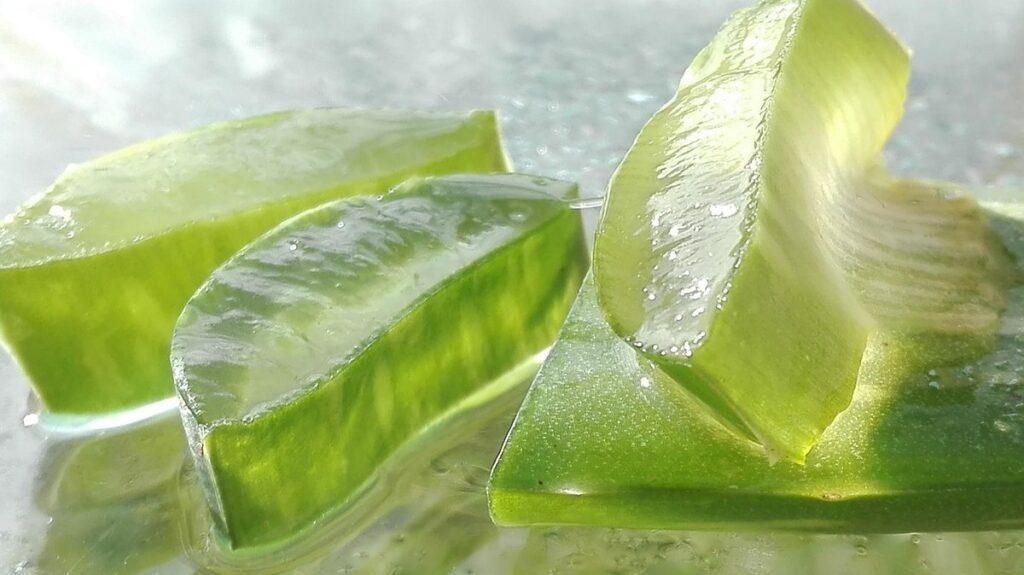
When applied topically, aloe vera can help to reduce inflammation and promote healing in sunburned skin. In fact, studies have shown that aloe vera gel is just as effective as some commercial sunscreen lotions at preventing sun damage! To use aloe vera for sunburn relief, simply cut open an aloe pup and scoop out the gel. Apply it directly to the affected area and leave on for 15-30 minutes before rinsing off with cool water.
You can also use aloe vera as a natural remedy for other skin issues like acne, eczema, and dry skin. Try incorporating aloe vera into your skincare routine by adding it to your moisturizer or using it as a face mask once a week. With its numerous health benefits and versatility, it’s no wonder why aloe vera is considered a miracle plant!
Ornamental Value
Aloe vera pups are not only beneficial for their medicinal and cosmetic uses, but they also add a touch of elegance to any indoor or outdoor space. Their unique shape, texture, and vibrant colors make them an excellent choice as decorative plants. When grown indoors, aloe vera pups can thrive on windowsills or in hanging baskets, bringing a pop of greenery to your home.
Their ornamental value extends beyond their visual appeal; they also purify the air and improve indoor air quality. This makes them an ideal addition to living rooms, bedrooms, or offices where fresh air is essential. For outdoor spaces, aloe vera pups can be planted in gardens or containers, adding a splash of color and texture to your landscaping.
To maximize their ornamental value, choose compact varieties that fit your space requirements. Prune the pups regularly to maintain their shape and promote new growth. With proper care, these decorative plants will not only thrive but also become a stunning focal point in any setting. By incorporating aloe vera pups into your decor, you’ll enjoy both functional benefits and aesthetic appeal.
Common Problems with Aloe Vera Pups
As you continue to care for your aloe vera pups, it’s essential to know how to identify and address common problems that may arise, such as overwatering. We’ll walk you through some troubleshooting tips.
Pests and Diseases
Aloe vera pups are vulnerable to various pests and diseases that can damage their leaves, roots, and overall health. One of the most common pests that affect aloe vera pups is mealybugs, small, white, cottony insects that feed on sap. To identify mealybugs, look for sticky substance or white patches on the leaves. If left unchecked, mealybugs can cause curled or distorted leaves, stunted growth, and reduced plant vigor.
Another common issue is root rot, caused by overwatering or poor drainage. Signs of root rot include soft, mushy stems, yellowing leaves, and a sour smell. To prevent root rot, ensure good air circulation around the pup and water sparingly, allowing soil to dry slightly between waterings. Regular inspection for pests and diseases is crucial; catch issues early by checking for signs like black or brown spots, mold, or unusual odors. If you notice any problems, treat with insecticidal soap or neem oil according to product instructions.
In severe cases of pest infestation or disease, it’s best to discard the affected pup and start fresh. Remember that prevention is key: maintain optimal growing conditions, monitor for pests regularly, and take swift action if you spot any issues.
Solutions to Common Issues
If you notice that your aloe vera pup is developing brown spots or yellowing leaves, it’s likely due to overwatering. To prevent this issue, make sure not to water the plant excessively. Allow the soil to dry out completely between waterings. This will help prevent root rot and other problems associated with excessive moisture.
In some cases, pests like mealybugs or spider mites can infest your aloe vera pup. To treat these issues, isolate the affected plant to prevent the pest from spreading to other plants. Use neem oil or insecticidal soap to gently wipe down the leaves and stems of the aloe vera pup. Repeat this process as needed until the pests are gone.
For fungal infections, try adjusting your watering schedule to ensure good air circulation around the plant. You can also treat fungal issues with fungicides specifically designed for indoor plants. However, be sure to follow the product’s instructions carefully to avoid harming your aloe vera pup.
By taking proactive steps to address these common problems, you can keep your aloe vera pup healthy and thriving. Remember that prevention is key – monitor your plant regularly, and make adjustments as needed to prevent issues from arising in the first place.
Tips for Propagation and Harvesting
To successfully care for your aloe vera pups, it’s essential to know how to properly propagate and harvest them, ensuring their health and continued growth. Let’s dive into these crucial tips!
Techniques for Propagation
Propagation is an exciting process that allows you to multiply your aloe vera plants and share them with friends and family. There are several techniques for propagation, each with its own set of benefits and challenges.
Leaf cutting is one of the most popular methods of aloe vera propagation. To do this, simply twist off a healthy leaf from the mother plant, allowing the cut end to dry out for 1-2 days to form a callus. Then, place the leaf in well-draining soil, water sparingly, and keep it in a warm, bright location. It should take about 7-10 days for roots to develop.
Division is another method of propagation that involves separating mature aloe vera plants into smaller sections. This technique is ideal for plants with multiple offsets or pups growing around the base. Simply dig up the entire plant, gently separate the pups from the mother plant, and pot each one individually.
Offsets are small, immature plants that grow along the sides of the mother plant. To propagate using offsets, simply twist them off and replant in well-draining soil. These small plants can be left to grow until they reach a decent size before being repotted into larger containers.
Best Time for Harvesting
When it’s time to harvest your thriving aloe vera pups, you’ll want to ensure that you do so at the right moment to encourage healthy growth and minimize damage. The best time for harvesting is usually when the pup has reached 2-3 inches in height, as this indicates that it has developed its own root system.
To avoid damaging the mother plant or the pup, carefully twist and pull on the baby aloe to separate it from the parent plant. Be gentle but firm, as you want to remove as much of the stem as possible without causing harm. You can also use scissors or pruning shears for a cleaner cut, making sure not to tear the delicate tissue.
Timing is crucial when harvesting aloe vera pups. If you harvest too early, the pup may not have developed enough roots to support itself, leading to stunted growth or even death. On the other hand, waiting too long can cause the mother plant to become overcrowded and stressed. Monitor your plants closely and wait for the right moment to strike – with a little patience and care, you’ll be rewarded with thriving, healthy pups that are ready to propagate and thrive on their own.
Frequently Asked Questions
Can I use aloe vera pups for medicinal purposes immediately after harvesting?
You can use aloe vera pups for medicinal purposes, but it’s essential to wait until they have matured slightly. This usually takes around 2-3 weeks after harvesting. During this time, the plant will develop its own roots and become more robust, making it safe for use in skincare products or as a natural remedy.
What is the ideal temperature range for growing aloe vera pups indoors?
Aloe vera pups prefer warmer temperatures between 65°F to 80°F (18°C to 27°C) during the day. However, they can tolerate cooler temperatures at night. Avoid placing them near drafty windows or air conditioning vents to prevent shock.
Can I propagate aloe vera pups in water instead of soil?
Yes, you can propagate aloe vera pups in water, but this method is not recommended for long-term growth. Water propagation works best when the pup has developed its own roots and is ready to be transferred to soil. This method is ideal for quick multiplication or as an emergency solution.
How often should I fertilize my aloe vera pups?
Fertilize your aloe vera pups sparingly, about once every 6-8 weeks during the growing season (spring and summer). Use a balanced, water-soluble fertilizer to promote healthy growth. Avoid over-fertilizing, as this can cause damage to the plant.
Can I use aloe vera pups in decorative arrangements without worrying about their root system?
Yes, you can use aloe vera pups in decorative arrangements for short-term displays. Since they don’t have an extensive root system yet, they won’t require much maintenance or care. However, be aware that prolonged exposure to extreme temperatures or direct sunlight may cause damage to the plant.