
Are you ready to reap the rewards of your very own apple harvest? Growing a healthy and productive apple tree requires attention to detail, patience, and some essential knowledge. With so many varieties to choose from, selecting the right one for your climate and space can be overwhelming. But don’t worry, we’ve got you covered! In this step-by-step guide, we’ll walk you through the process of growing an apple tree, from selecting a suitable variety to managing pests and diseases. We’ll cover everything in between, including planting techniques, pruning, training, and caring for your tree to ensure it thrives. Whether you’re a seasoned gardener or just starting out, this guide will provide you with the confidence and know-how to grow a bountiful apple harvest.
Choosing the Right Variety
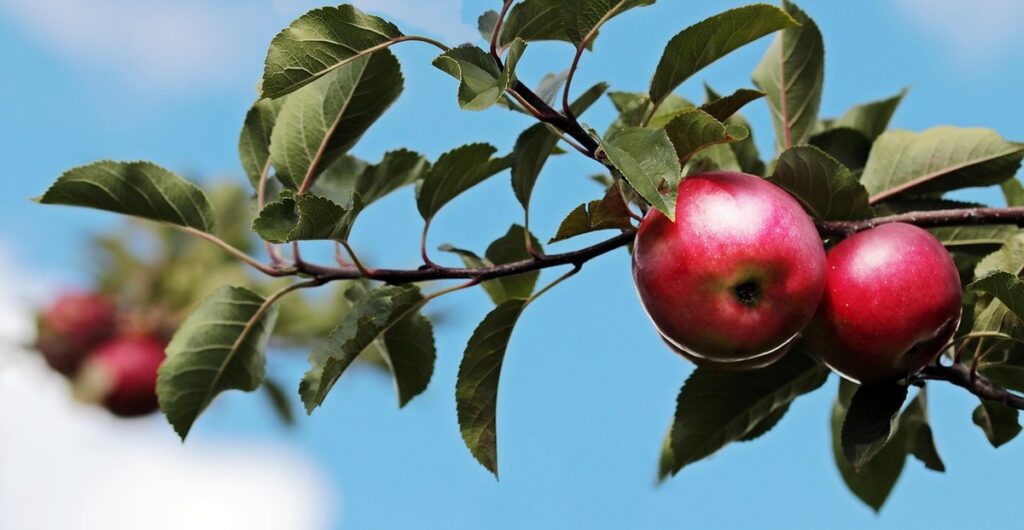
When it comes to growing a healthy and thriving apple tree, selecting the right variety is one of the most important decisions you’ll make. Let’s explore your options for choosing the perfect apple tree.
Selecting a Disease-Resistant Variety
When selecting an apple tree variety for your garden, one of the most crucial considerations is disease resistance. Apple trees are susceptible to various diseases such as powdery mildew, scab, and fire blight, which can significantly impact their health and productivity.
Fortunately, many modern apple tree varieties have been bred with disease resistance in mind. Some popular examples include ‘Red Delicious’, ‘Gala’, and ‘Granny Smith’. These trees have been developed using advanced breeding techniques to incorporate genes that provide natural immunity or tolerance to common diseases.
When choosing a disease-resistant variety, look for the following characteristics: high levels of antioxidants, which can help protect against fungal infections; compact growth habits, which reduce the likelihood of water splashing onto leaves and promoting fungal growth; and a strong root system, which enables the tree to absorb essential nutrients more efficiently.
Considering Climate and Soil Conditions
When choosing an apple tree variety, it’s essential to consider the climate and soil conditions in your area. Apple trees thrive in temperate climates with cool winters and warm summers. If you live in a region with extremely hot or cold temperatures, look for varieties that are more tolerant of these conditions.
Soil pH is another critical factor to consider. Apple trees prefer slightly acidic to neutral soils, typically between 6.0 and 7.0 pH. If your soil is too alkaline or acidic, it can affect the tree’s nutrient uptake and overall health. For example, ‘Red Delicious’ varieties tend to perform better in slightly acidic soils.
Sunlight exposure also plays a significant role in an apple tree’s growth. Most varieties require at least 6 hours of direct sunlight per day to produce well. However, some dwarf or semi-dwarf varieties can tolerate partial shade. Consider factors like wind direction and nearby structures that may impact your tree’s sun exposure.
When selecting a variety, research its specific climate and soil requirements. Some popular apple tree varieties for different regions include ‘Gala’ in warmer climates and ‘Granny Smith’ in cooler areas. By choosing the right variety for your conditions, you’ll be well on your way to growing a healthy and productive apple tree.
Planting the Tree
Now that you’ve chosen your apple tree variety, it’s time to think about planting, a crucial step that sets the stage for a healthy and thriving tree. In this next section, we’ll walk you through how to plant your new tree correctly.
Preparing the Planting Site
Before planting your new apple tree, it’s essential to prepare the site where it will reside. This involves clearing away any debris, testing the soil quality, and making necessary adjustments to create a suitable environment for your tree to thrive.
Start by removing any weeds, rocks, or other obstacles from the area. You can use a tool like a spade or a hoe to gently remove weeds without damaging the surrounding soil. Next, test the pH level of your soil using a DIY kit or by sending a sample to a lab for analysis. Apple trees prefer a slightly acidic to neutral soil pH, ranging from 6.0 to 7.0.
If your soil test reveals deficiencies in nutrients like nitrogen, phosphorus, or potassium, now is the time to add amendments. You can use organic matter like compost or well-rotted manure to enrich the soil. Follow the package instructions for application rates and guidelines. Make sure to also check for any signs of pests or diseases that might harm your tree, such as aphids or fungal infections.
By taking these steps, you’ll create a healthy foundation for your apple tree to grow strong and produce delicious fruit.
Digging the Hole and Planting the Tree
Digging a hole that is at least twice as wide and just as deep as the root ball of the tree is crucial for establishing a healthy foundation. Think of it like giving your apple tree a strong base to grow from. To dig the perfect hole, start by marking out an area slightly larger than you think you’ll need. Then, begin digging, aiming to create a hole that’s about 1-2 feet deeper and twice as wide as the root ball.
Once your hole is ready, gently remove the tree from its container or burlap, taking care not to disturb the roots. Place the tree in the center of the hole, making sure the graft union (if applicable) is at least 2 inches above the soil surface. Gently spread out the roots, ensuring they’re not twisted or tangled. Backfill with a mix of soil and organic matter, tamping it down as you go to prevent air pockets. Finally, water thoroughly after planting – this will help settle the soil and provide enough moisture for your tree to establish itself.
Caring for the Young Tree
Now that your apple tree has germinated, it’s time to focus on giving it the care and attention it needs as a young tree to establish a strong foundation. This is crucial for its future health and fruit production.
Watering and Mulching
When it comes to watering and mulching your young apple tree, consistency is key. During its first year after planting, it’s essential to provide your tree with a steady supply of moisture to establish a strong root system. Aim to water your tree deeply once or twice a week, depending on weather conditions. Avoid overwatering, which can lead to shallow roots and make the tree more susceptible to disease.
To determine if your tree needs watering, simply stick your finger into the soil up to the first knuckle. If the soil feels dry, it’s time to water. Mulching around the base of your tree is also crucial in retaining moisture and suppressing weeds. Organic mulch options like wood chips or bark work well. Apply a 2-3 inch layer of mulch, keeping it a few inches away from the trunk to prevent rot. As you add new mulch each year, this will help retain moisture, regulate soil temperature, and keep weeds at bay – giving your young apple tree the best possible start in life.
Fertilizing and Pruning
As your young apple tree continues to grow and develop, it’s essential to provide it with the right nutrients and prune it regularly to ensure a strong and healthy structure. Fertilizing your apple tree is crucial during its first two years of growth. You’ll want to use a balanced fertilizer that contains nitrogen, phosphorus, and potassium (N-P-K). Look for a product that has a ratio of 10-10-10, which provides equal amounts of each nutrient.
When applying fertilizer, follow the recommended rates on the packaging. A general rule of thumb is to spread 1/4 pound of fertilizer around the base of your tree in early spring, just as new growth begins. Be sure not to over-fertilize, as this can damage your tree’s roots and cause more harm than good.
When it comes to pruning, remember that young trees need to develop a strong central leader. Remove any weak or damaged branches, cutting them off at the base. This will encourage the tree to focus its energy on growing upwards rather than outwards.
Training the Tree
Now that your apple tree is planted and growing, it’s time to focus on training its branches to encourage a strong, balanced shape. This step is crucial for maximizing fruit production and minimizing maintenance.
Central Leader System
When training an apple tree using the central leader system, it’s essential to select a strong and healthy central leader branch. This branch will serve as the main axis of the tree, supporting the growth of all other branches. To determine which branch is best suited for this role, look for one that’s straight, sturdy, and grows at an angle between 45-60 degrees from the trunk.
Once you’ve selected your central leader, it’s time to prune lower branches to allow air, light, and water to reach the rest of the tree. Remove any branches that are growing inward or crossing over other branches, as these can create weak spots in the tree’s structure. Prune no more than one-third of the tree’s growth at a time to avoid shocking the tree.
As your central leader grows, guide its direction by pruning nearby branches and twigs. This will help the tree develop a balanced shape with an open center, allowing sunlight to reach all parts of the tree. By following these steps, you’ll be well on your way to growing a strong and healthy apple tree using the central leader system.
Open Center System
The open center system is an alternative method for training apple trees that involves removing most of the lower branches to create a more open, vase-shaped tree. This approach allows for better air circulation and sunlight penetration, which can lead to healthier growth and increased fruit production.
When using the open center system, you’ll want to remove any weak or crossing branches from the lower one-third of the tree. Leave two or three strong scaffold branches intact, spaced evenly apart, to serve as the main support structure for your tree. These branches will provide a sturdy base for your apple tree and allow for easy access to the fruit.
It’s essential to make these cuts when the tree is young, ideally during the first year after planting. This will help promote a strong central leader and encourage the growth of well-spaced branches. By pruning regularly, you’ll maintain an open center system that promotes good air circulation and allows sunlight to reach all parts of the tree.
Removing lower branches not only improves the overall structure of your apple tree but also makes it easier to manage and harvest the fruit. With proper care and maintenance, your tree will thrive in this system, producing a bountiful crop for years to come.
Pest and Disease Management
To keep your apple tree healthy, it’s essential to monitor for signs of pests and diseases, as these can quickly spread and damage your tree if left unchecked. Regular inspections are key.
Common Pests and Diseases
As you tend to your apple tree, it’s essential to be aware of common pests and diseases that can affect its health. One of the most recognizable signs of infestation is the presence of aphids on the leaves or stems. These small, soft-bodied insects feed on sap, causing curled or distorted leaves. To control aphid populations, use neem oil or insecticidal soap to spray affected areas.
Codling moths are another pest that can cause significant damage. Their larvae burrow into fruit, creating holes and leaving behind a characteristic “shot hole” effect. Monitor your tree regularly for signs of codling moth infestation, such as eggs on the leaves or frass (insect waste) around the trunk.
Diseases like powdery mildew and scab can also wreak havoc on your apple tree’s health. Powdery mildew appears as a white, powdery coating on leaves and stems, while scab causes small, black spots on fruit. To prevent these diseases from taking hold, ensure good air circulation around your tree, remove any infected areas, and apply fungicides when necessary.
To manage pests and diseases effectively, adopt an integrated pest management (IPM) approach. This involves monitoring your tree regularly for signs of infestation or infection, using physical barriers to prevent problem pests from reaching your tree, and applying targeted treatments only when needed.
Organic and Chemical Control Methods
When it comes to managing pests and diseases in apple trees, you have two primary options: organic control methods and chemical control methods. While both approaches have their benefits and drawbacks, it’s essential to understand the differences between them.
Organic control methods involve using natural substances to repel or eliminate pests and diseases. For example, neem oil is a popular natural pest repellent that can be used to protect apple trees from aphids, mites, and other pests. Garlic spray is another effective organic method for controlling fungal diseases like powdery mildew and scab. You can make your own garlic spray by blending minced garlic with water and spraying it on the affected areas.
Chemical pesticides and fungicides are often more effective than organic methods, but they should be used sparingly due to their potential impact on beneficial insects and soil health. It’s essential to read and follow the label instructions carefully when using chemical controls. If you do choose to use chemical pesticides or fungicides, make sure to apply them at the recommended dosage and only when absolutely necessary.
It’s worth noting that many organic control methods can be more cost-effective in the long run and provide a safer environment for beneficial insects like bees and butterflies. With proper timing and application, these natural methods can help prevent pest and disease issues from arising in the first place.
Monitoring Progress and Harvesting
As you tend to your young apple tree, it’s essential to regularly monitor its progress and know when to harvest the fruit at the peak of ripeness. This involves tracking growth stages carefully.
Checking Growth and Health
As you continue to nurture your apple tree, it’s essential to regularly check on its growth and health. This will help you identify potential issues before they become major problems, ensuring a bountiful harvest. Start by inspecting the tree’s leaves every 1-2 weeks during the growing season.
Look for signs of stress, such as wilting or yellowing leaves, which can be indicative of overwatering or underwatering. A healthy apple tree should have dark green leaves with a glossy finish. If you notice any unusual color changes, take action promptly to address the issue.
Fruit production is another crucial aspect to monitor. Keep an eye on the size and number of apples growing on the tree. A mature apple tree can produce 100-200 pounds of fruit per year, so it’s essential to keep track of its productivity. Be on the lookout for signs of pests or diseases that could be affecting the tree’s ability to produce fruit.
Regularly inspecting your apple tree will help you identify and address potential problems early on, ensuring a healthy and thriving tree.
Timing the First Harvest
Timing the first harvest is crucial for apple trees, as picking them at the right stage of ripeness can greatly impact their flavor and texture. To determine if your tree is ready for its first harvest, you’ll want to consider a few key factors: fruit size, flavor, texture, and acidity.
As a general rule, apples are typically ready to be picked when they’re fully ripe but still firm to the touch. Check the skin – it should be smooth and free of bruises or soft spots. Next, gently twist an apple; if it comes off easily, it’s likely ready to be harvested. For a more precise approach, use a refractometer to measure the sugar content and acidity levels.
In terms of flavor, ripe apples will have a sweet aroma and taste. Avoid picking apples that are too green or underripe, as they may not develop their full potential in storage. Conversely, avoid over-ripened apples that may be too soft or mushy. Keep in mind that different apple varieties mature at varying rates, so be sure to research specific guidelines for your tree’s variety.
By carefully monitoring these factors, you’ll ensure a bountiful harvest of delicious, high-quality apples from your very own backyard tree!
Frequently Asked Questions
What if I have limited space for my apple tree? Can it still thrive?
If you’re short on space, consider dwarf or semi-dwarf apple tree varieties that are naturally compact and require less room to grow. These trees can produce full-sized fruit but will need regular pruning to maintain a smaller size.
How do I know if my apple tree is receiving enough water?
Adequate watering is crucial for an apple tree’s health, especially during its first year after planting. Check the soil moisture by sticking your finger into the soil up to the knuckle. If it feels dry, it’s time to water. Aim for about 1 inch of water per week, either from rain or irrigation.
Can I grow multiple varieties of apple trees together? Are there any benefits?
Growing multiple apple tree varieties together can be beneficial, as it increases genetic diversity and reduces the risk of disease. However, ensure that you select compatible varieties that mature at different times to avoid cross-pollination issues.
How often should I fertilize my apple tree? What type of fertilizer is best?
Apple trees require regular fertilization, especially during their first year after planting. A balanced, slow-release fertilizer (10-10-10 NPK) applied in early spring will provide essential nutrients for healthy growth. Follow the manufacturer’s instructions and apply it according to your soil test recommendations.
Can I use organic methods alone to manage pests and diseases on my apple tree?
Yes, organic methods can be effective against many common apple tree pests and diseases. Consider using neem oil or insecticidal soap for pest control, and copper-based fungicides for disease prevention. However, always follow the product instructions and take necessary precautions when handling chemicals.