
Starting your own asparagus bed can be a game-changer for home gardeners, offering a delicious and rewarding harvest season after season. Not only is asparagus a nutritious and versatile vegetable, but it’s also relatively easy to grow, making it perfect for beginners. However, getting started requires some planning and preparation, particularly when it comes to choosing the right location and climate. Asparagus thrives in well-draining soil with plenty of sunlight, so selecting the ideal spot is crucial. In this article, we’ll take you through the process of starting and maintaining a healthy asparagus bed, covering topics like soil preparation, planting, care, harvesting, and even tips on how to enjoy your homegrown spears at their best. Whether you’re a seasoned gardener or just starting out, our expert advice will have you on your way to growing luscious asparagus in no time.
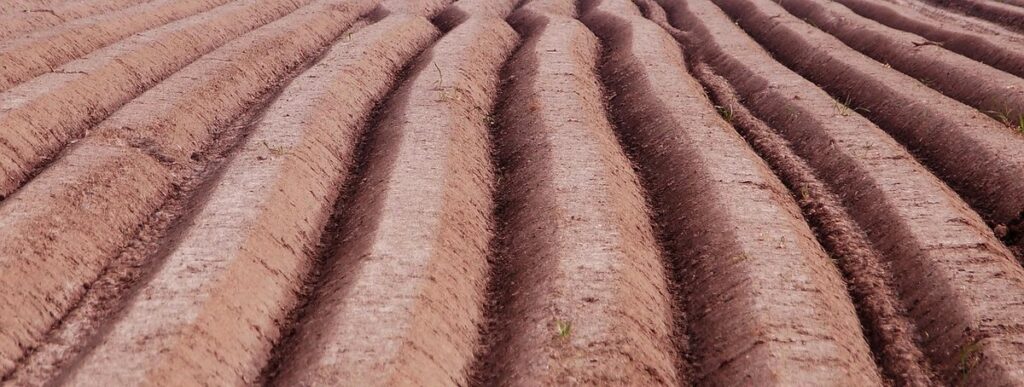
Choosing the Right Location and Climate
When starting an asparagus bed, selecting a location that suits your needs is crucial. Consider factors such as sunlight, soil type, and moisture levels to ensure optimal growth.
Understanding Asparagus Hardiness Zones
When starting an asparagus bed, it’s essential to consider the hardiness zone you’re in and choose varieties that will thrive in those conditions. Asparagus is typically grown in zones 3-8, but some varieties can tolerate warmer or cooler temperatures.
In general, hardiness zones refer to the average annual extreme minimum temperature for a given area. This information helps determine which plants are suitable for your region. To find your zone, you can check the USDA Plant Hardiness Zone Map online. Simply enter your zip code and view the corresponding zone number. This will give you an idea of what types of asparagus will grow well in your area.
When selecting varieties, look for ones that are bred to be cold-hardy or heat-tolerant depending on your zone. For example, ‘Jersey Giant’ is a popular variety that grows well in zones 4-8, while ‘Mary Washington’ performs better in zones 5-7. Make sure to check the specific hardiness range for each variety you’re considering. By choosing asparagus varieties suitable for your climate, you’ll ensure a successful and long-lasting bed.
Considering Soil Type and Drainage
When it comes to growing asparagus, soil type and drainage are crucial factors to consider. Asparagus is a delicate crop that prefers well-draining soils, which prevent waterlogged conditions that can lead to root rot. Ideally, you want a soil with a pH between 6.5 and 7.0, which is slightly acidic to neutral.
If your native soil doesn’t meet these criteria, don’t worry – there are ways to amend it. Test your soil using a DIY kit or send a sample to a lab for analysis. Based on the results, add organic matter like compost or well-rotted manure to improve drainage and fertility. If your soil is heavy clay or prone to waterlogging, consider creating a raised bed or mound.
To create a raised bed, dig out a 6-inch deep trench and fill it with a mixture of topsoil, compost, and perlite or sand for improved drainage. You can also use containers or grow bags if you’re short on space. By taking the time to assess your soil and make adjustments, you’ll set your asparagus bed up for success and enjoy a bountiful harvest come spring.
Preparing the Soil for Planting
Before planting asparagus, it’s essential to prepare your soil to provide a healthy foundation for your crowns. This includes loosening and aerating the soil.
Testing and Amending the Soil
Before planting your asparagus bed, it’s essential to test and amend your soil to create an optimal growing environment. Asparagus is a demanding crop that requires well-balanced nutrient levels and a slightly acidic pH to thrive.
Start by testing your soil pH using a DIY kit or sending a sample to a laboratory for analysis. Most asparagus varieties prefer a pH between 6.0 and 7.0, so if your soil is too alkaline or acidic, you’ll need to take corrective action. A simple pH adjustment can be made by adding elemental sulfur to lower the pH or lime to raise it.
In addition to pH testing, also test for nutrient levels such as nitrogen, phosphorus, potassium, and magnesium. Asparagus requires a balanced diet of nutrients, especially nitrogen, which promotes healthy growth and development. If your soil is deficient in any of these nutrients, you can amend it by adding organic matter like compost or well-rotted manure.
Remember that asparagus has shallow roots, so the top 6-8 inches of soil are crucial for nutrient uptake. By testing and amending your soil accordingly, you’ll create a fertile growing environment that will support healthy growth and high yields in your asparagus bed.
Building Raised Beds or Mounds
When it comes to growing asparagus, building raised beds or mounds can be a game-changer. These structures offer numerous benefits that promote healthy growth and maximize yields.
One of the primary advantages of raised beds is improved drainage. Asparagus plants don’t like wet feet, so excess moisture can lead to root rot. By elevating the soil above ground level, you ensure that water drains away quickly, preventing waterlogged conditions. This is especially important during periods of heavy rainfall or when using irrigation systems.
Reduced soil compaction is another benefit of raised beds. Asparagus roots grow deep and wide, but compacted soil can hinder their ability to expand. By creating a mound or bed, you allow the roots to breathe and spread out freely, promoting healthy growth and development.
To create a raised bed or mound for your asparagus, start by selecting a location with good sunlight (at least 6 hours of direct sunlight) and well-draining soil. Use a mix of topsoil, compost, and perlite or vermiculite to create a well-balanced growing medium. Build the structure using wood planks or stones, making sure it’s at least 12-18 inches high to accommodate the asparagus roots.
When building your raised bed, keep in mind that you want to create a gentle slope to prevent water from accumulating and causing erosion. You can also add a layer of mulch on top to retain moisture and suppress weeds.
Some popular resources for creating raised beds include The Spruce’s guide on how to build a raised garden bed using wood planks and Fine Gardening’s tutorial on building a raised bed with stones.
Planting Asparagus Crowns
When planting asparagus crowns, timing is everything – typically in early spring when soil can be worked and before new growth begins. Choose a sunny spot for your crowns to thrive.
Choosing Healthy Crowns
When selecting healthy asparagus crowns, it’s essential to look for certain characteristics that ensure they’ll thrive in your garden. First and foremost, choose crowns with firm roots that are not easily damaged. This is usually indicated by a thick, robust crown with a substantial root system. Avoid crowns with soft or mushy roots, as this can be a sign of disease or pest issues.
The color of the crown is also an important factor. Look for crowns with bright green to light brown foliage and no signs of yellowing or browning. This indicates that the crown has been stored properly and will adapt well to your climate. It’s also crucial to inspect the root development, which should be extensive and evenly distributed around the crown.
When selecting multiple crowns, consider purchasing ones from different suppliers to ensure diversity in genetics. Avoid buying all your crowns from a single source, as this can increase the risk of disease transmission. By taking these factors into account, you’ll be able to choose healthy asparagus crowns that will establish a strong and productive bed for years to come.
Planting Techniques and Spacing
When planting asparagus crowns, it’s essential to get it right from the start. This will set your bed up for success and ensure a bountiful harvest for years to come. To achieve optimal growth and prevent overcrowding, follow these guidelines on spacing.
For asparagus, a general rule of thumb is to plant 1-2 feet apart in rows that are 3-4 feet wide. This allows the plants to mature evenly and makes it easier to maintain your bed. If you’re planting multiple crowns at once, try staggering them slightly to prevent overcrowding.
When digging the trenches for your crowns, make sure they’re about 6-8 inches deep. The roots of the asparagus plant should be spread out in a U-shape, with the crown (the thick, fleshy part) sitting above the soil line. This will help promote healthy root growth and prevent disease.
To protect your crowns from heat stress and retain moisture, apply 2-3 inches of mulch around the base. Organic options like straw or wood chips work well for asparagus beds.
Caring for Your Asparagus Bed
Now that you’ve established your thriving asparagus bed, it’s essential to know how to care for it properly to ensure a bountiful harvest year after year. Let’s dive into some valuable tips and tricks!
Watering and Mulching Habits
As you tend to your asparagus bed, it’s essential to establish consistent watering habits. Asparagus is a perennial crop that thrives in moist environments, but overwatering can be detrimental. Aim to provide about 1 inch of water per week, either through rainfall or irrigation. To avoid underwatering, consider installing a drip irrigation system that delivers water directly to the roots.
But how do you prevent overwatering? The answer lies in observing your asparagus bed’s soil conditions and adjusting your watering schedule accordingly. Check the top inch of soil daily for moisture levels; if it feels dry, it’s time to water. Mulching is another crucial practice that helps retain moisture while suppressing weeds. Apply a 2-3 inch layer of organic mulch (such as wood chips or straw) around your asparagus plants, keeping it a few inches away from the crowns. This will help retain soil temperature and prevent weed growth, reducing the need for additional watering. Regularly replenish the mulch as it breaks down over time to maintain its effectiveness.
Fertilizing and Pruning Practices
As asparagus grows and matures, it will require regular fertilization to maintain its productivity. This annual feedings process is crucial for replenishing the nutrients that are depleted by the plant’s growth cycle. A balanced fertilizer with a 10-10-10 NPK ratio works well for asparagus, but be cautious not to over-fertilize as this can lead to weak spears and excessive foliage.
Biennially, you’ll want to provide your asparagus bed with a more intense fertilization treatment. This is typically done in the late winter or early spring, before new growth begins. A high-phosphorus fertilizer will promote healthy crown development and encourage strong spear production. To apply this type of fertilizer effectively, sprinkle it evenly over the soil surface and water well.
Proper pruning practices are also essential for maintaining a thriving asparagus bed. Remove any weak or damaged spears as soon as they emerge to direct the plant’s energy towards producing stronger, healthier stalks. Cut back mature fern growth in the fall to about an inch above ground level, taking care not to damage any emerging crowns.
Troubleshooting Common Issues
If you’re having trouble getting your asparagus bed off to a great start, don’t worry – we’ve got you covered with some expert advice on common issues and how to fix them.
Dealing with Pests and Diseases
As you tend to your asparagus bed, it’s not uncommon for pests and diseases to pop up. Identifying these issues early on is crucial in preventing them from spreading and causing significant damage.
Common pests like aphids can be identified by their small, soft bodies and the sticky substance they secrete, known as honeydew. Slugs, on the other hand, leave behind a silvery trail as they move through the soil at night. Crown rot and rust are two diseases that often affect asparagus crowns. Crown rot appears as a blackened, mushy area at the base of the crown, while rust shows up as orange or yellow spores on the foliage.
To manage these issues organically, consider introducing beneficial insects like ladybugs or lacewings to your garden. These natural predators feed on aphids and other pests, helping keep their populations in check. You can also use physical barriers like copper tape around plant stems to deter slugs from climbing up. For diseases, practice good sanitation by removing any infected material and ensuring the soil has adequate drainage.
It’s also essential to monitor your plants regularly for signs of stress or disease. Inspect them daily, and take action as soon as you notice any issues.
Addressing Environmental Stressors
As you start cultivating your asparagus bed, it’s essential to be aware of potential environmental stressors that can impact growth. Extreme temperatures, drought, and wind are common issues that can hinder the success of your crop.
Temperature fluctuations can cause asparagus to become stunted or develop a weak crown. To mitigate this effect, plant your asparagus in an area with full sun but also provides some afternoon shade during the hottest summer months. Mulching around the plants will also help regulate soil temperature and retain moisture.
Drought is another significant concern for asparagus growers. Make sure to water your plants regularly, especially during dry spells. A mature asparagus bed can be quite thirsty, so consider installing a drip irrigation system or soaker hose to ensure consistent moisture levels.
Wind can cause damage to the delicate spears of asparagus, reducing yields and quality. Planting windbreaks like shrubs or trees around your asparagus bed can provide natural protection against strong gusts. Alternatively, use row covers or individual plant stakes to shield your plants from harsh winds.
Harvesting and Enjoying Your Asparagus
Now that you’ve successfully grown your asparagus bed, it’s time to reap what you’ve sown by learning how to harvest and enjoy your delicious crop at its peak freshness.
Timing and Frequency of Harvests
When it comes to harvesting asparagus spears from your bed, timing and frequency are crucial factors to consider. The optimal time for harvesting depends on the spear size and seasonality.
Typically, you’ll want to harvest asparagus spears when they reach 6-8 inches in height, which is usually around 3-4 weeks after new growth begins. Harvesting too early can result in smaller spears with a higher moisture content, making them more prone to spoilage. On the other hand, waiting too long can cause the spears to become woody and fibrous.
It’s essential to harvest asparagus frequently to encourage healthy growth and prevent the plant from putting energy into seed production. A good rule of thumb is to harvest every 2-3 days during peak season, which typically lasts around 6-8 weeks. This will help promote a continuous supply of tender spears throughout the growing season.
Be sure to cut the spears at the base using a sharp knife or clippers, leaving about an inch of stem intact to prevent damage to the crown. Regular harvesting will also help control pests and diseases that may affect your asparagus bed.
Cooking and Preserving Methods
When it’s time to enjoy your homegrown asparagus, you’ll want to try out various cooking methods to bring out its natural sweetness. Steaming is a great way to cook asparagus without losing its nutrients, and it’s easy to do: simply place the spears in a steamer basket over boiling water for 4-6 minutes, or until tender but still crisp.
Roasting brings out the best flavor in asparagus – simply toss the spears with olive oil, salt, and your choice of herbs (such as garlic powder or lemon zest), then roast at 425°F (220°C) for 12-15 minutes, or until caramelized. Grilling is another tasty option: brush the spears with oil and season with salt and pepper before grilling over medium heat for 3-5 minutes per side.
Preserving your asparagus harvest through freezing or canning allows you to enjoy it year-round. To freeze, blanch the spears in boiling water for 2-3 minutes to inactivate enzymes that cause spoilage, then place them on a baking sheet and transfer to an airtight container once frozen solid. For canning, follow safe canning procedures and pack hot asparagus into sterilized jars with lemon juice or vinegar to maintain color and flavor.
Frequently Asked Questions
Can I grow asparagus in containers or small spaces?
Asparagus can be grown in large containers with good drainage, but it will require more frequent watering and fertilization. Make sure the container is at least 12-18 inches deep to accommodate the asparagus crowns’ taproot.
How do I know if my asparagus bed is receiving enough sunlight?
Check the sun pattern in your garden during different times of day. Asparagus needs full sun to produce well, so choose a location that receives direct sunlight for at least 6 hours a day.
Can I plant asparagus in poor soil, and how can I improve its quality?
While asparagus can tolerate some poor soil conditions, it will still benefit from improved drainage and fertility. Test your soil pH and amend it if necessary to create a more favorable growing environment.
What are the common pests and diseases that affect asparagus, and how do I prevent them?
Common issues include aphids, slugs, and crown rot. Practice good garden hygiene by removing weeds, debris, and infected spears. Use physical barriers or organic pest control methods when necessary to prevent infestations.
How long does it take for asparagus to mature after planting, and what’s the expected lifespan?
Asparagus typically takes 2-3 years to mature after planting, with peak production occurring around year 5-7. With proper care, an asparagus bed can produce spears for 15-20 years or more.